


British Officer Painting
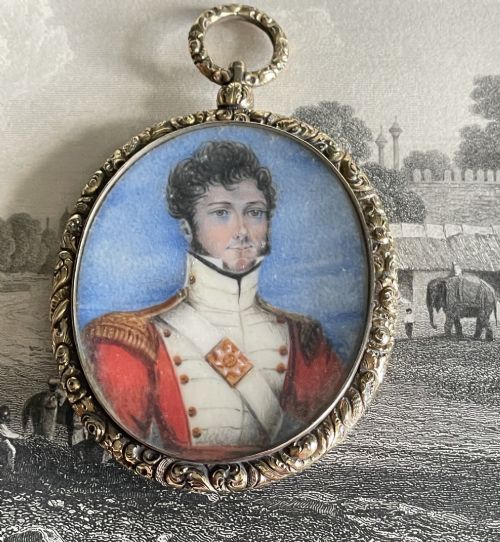
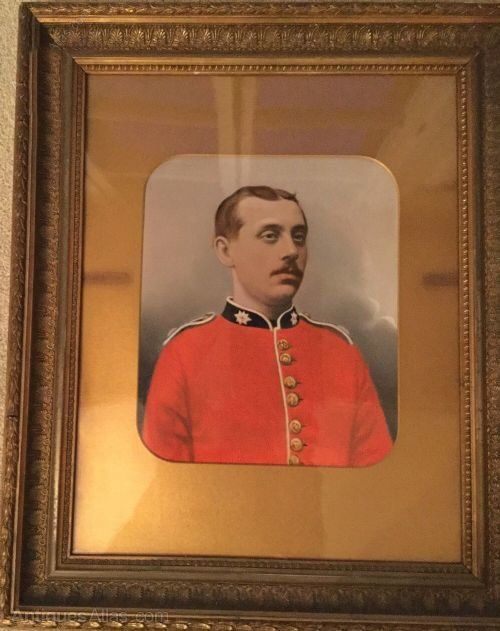
A british officer painting records military rank and service history through centuries of portraiture on canvas, paper, and panel.
British Officer Painting
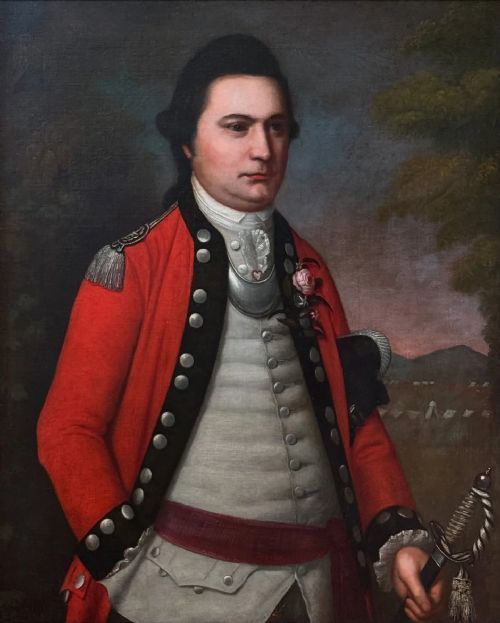
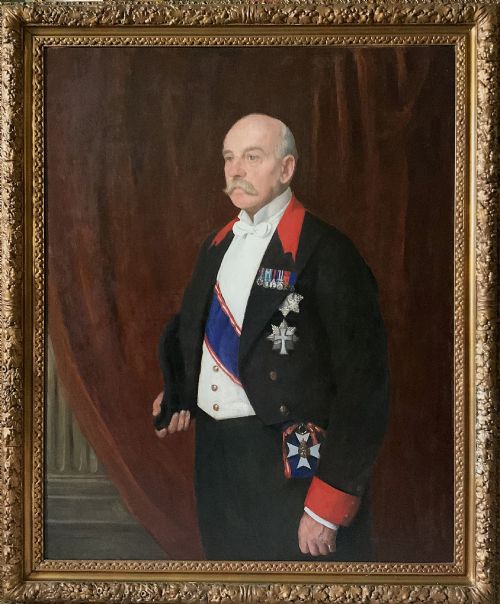
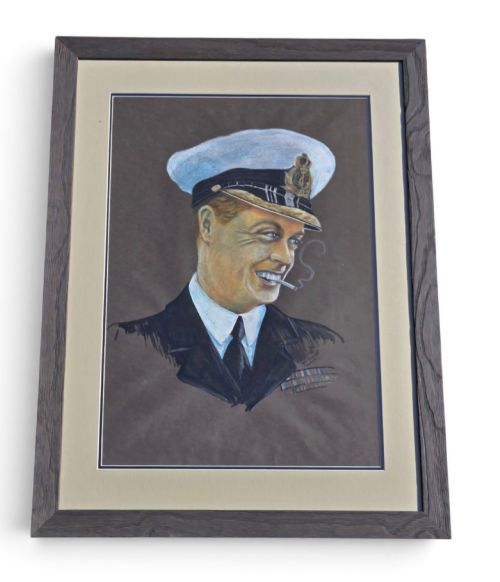
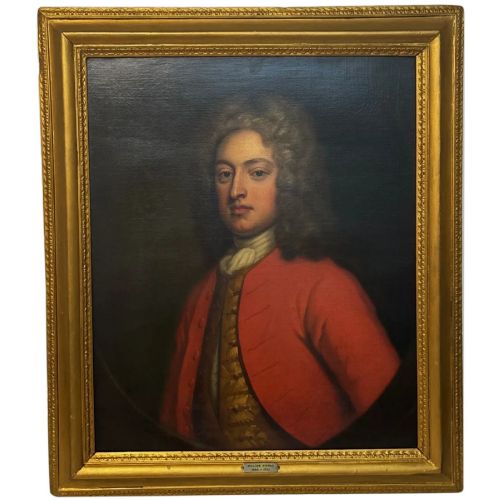
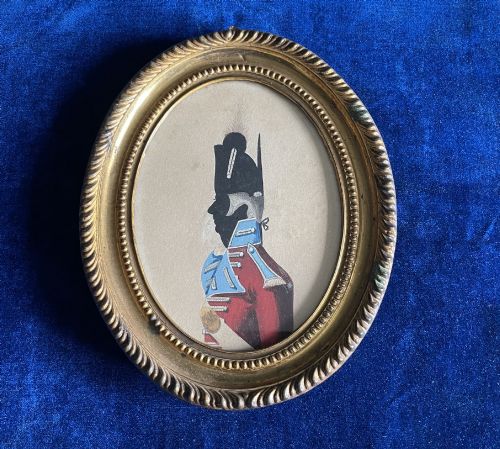
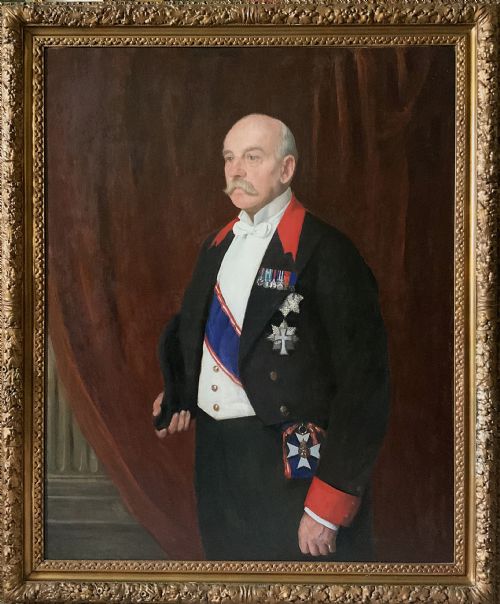
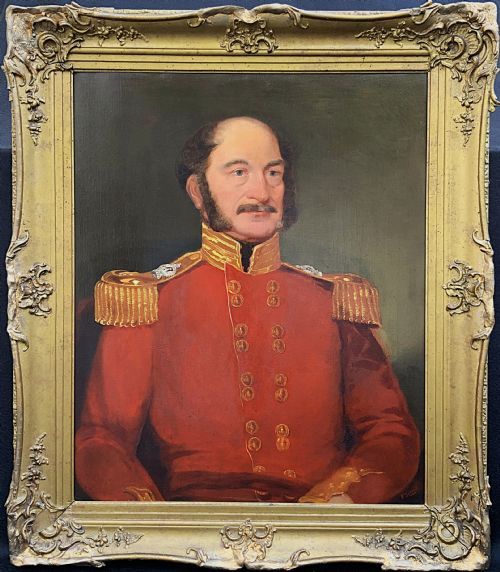
A british officer painting depicts figures from the army, navy, and colonial services, ranging from subalterns to field marshals and admirals.
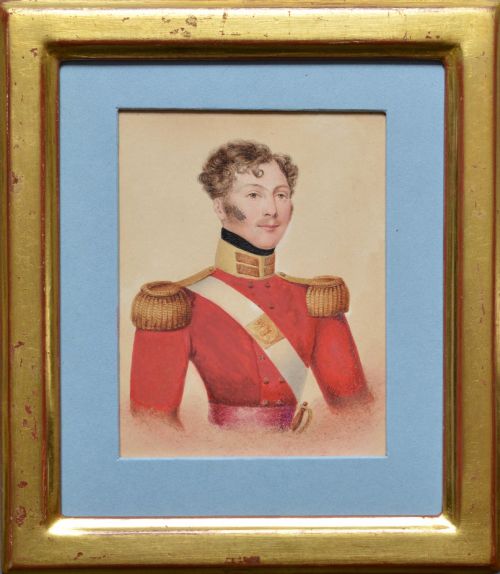
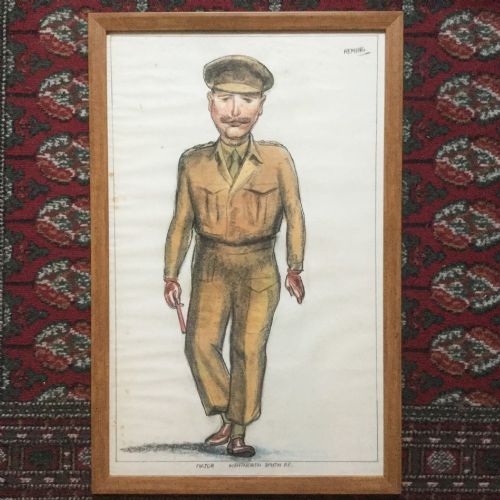
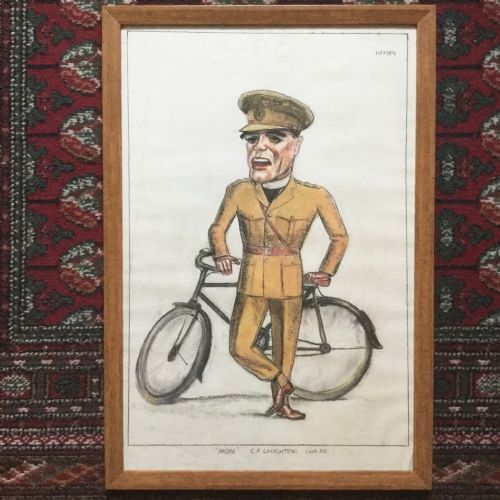
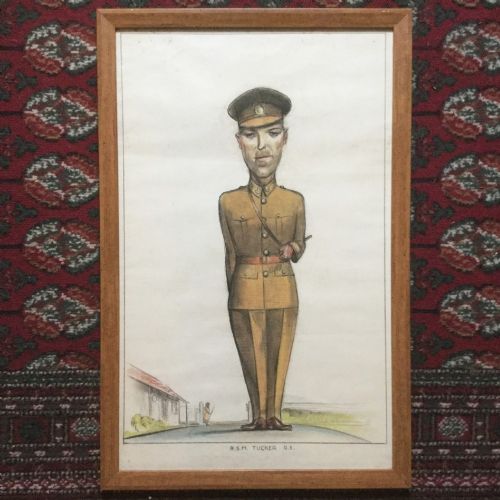
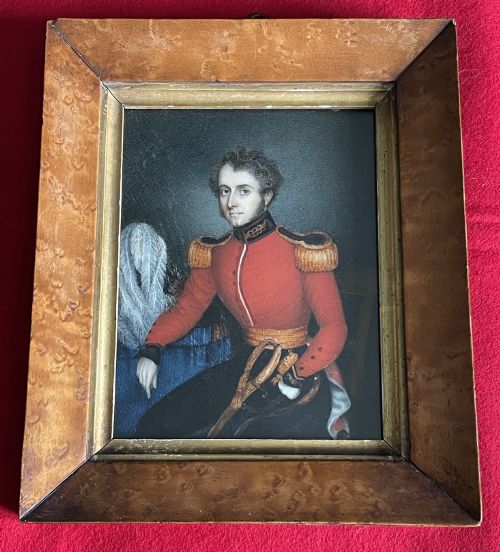
The selection includes monumental canvas oils, intimate watercolour sketches, pastel drawings from wartime periods, and detailed portrait miniatures.
Subjects appear in period uniforms such as eighteenth-century red coats, nineteenth-century regimental dress, and twentieth-century service uniform.
How They Were Made
Artists worked primarily in oil on canvas or panel, building rich layers of pigment for formal commissions, whilst others utilised watercolour and pastel on paper for rapid portrait sketches.
Miniatures demanded exceptional precision, employing enamel or working on specialised supports like agate panels framed in precious metals such as gold.
Frames formed an integral part of the finished work, utilising carved giltwood, silvered mouldings, or heavy nineteenth-century decorative styles.
Some wartime officers sat for their pastel sketches with the sound of distant engineering drills echoing through the room.
What Varies in Quality
Technical skill in handling facial anatomy, uniform detail, and the sitter's psychological presence distinguishes academic works by known portraitists from provincial school pieces.
The documentation of the sitter adds weight, with named officers, specific regiment connections, and recorded artist attributions elevating historical value.
The preservation of the original medium, untouched canvas surfaces, and contemporary framing contribute to the desirability of each piece.
Stickland Lowry·Henry Bone·Sir Thomas Lawrence·Aubrey Sykes·George Frederic Watts
The British Officer Painting Glossary
- Oil on Canvas
- A traditional painting medium where pigments bound in oil are applied to a woven fabric stretched across a wooden frame.
- Portrait Miniature
- A small, highly detailed painting, often created on a diminutive scale for personal or pocket wear.
- Giltwood
- Wood that has been coated with a thin layer of gold leaf, commonly utilised on period picture frames.
- Pastel
- A dry drawing medium composed of powdered pigment and a binder, frequently used for swift portrait sketches on paper.
British Officer Painting: Frequently Asked Questions
How can I identify the regiment?
Uniform details, facings, lace, and cap badges provide the primary clues for identifying specific regiments and branches of service.
Contemporary inscriptions on the reverse of the canvas or on the frame often record the officer's name and unit.
Were these painted from life?
Many formal commissions involved sitting directly for the artist in a studio setting.
Wartime sketches and field watercolours were frequently executed quickly on location to record active service personnel.
What is the difference between an oil and a miniature?
Oils are typically executed on large canvases intended for display on principal walls within domestic or institutional spaces.
Miniatures are intimate works executed on a tiny scale, sometimes mounted behind glass in gold frames.
How should I hang and light them?
Paintings on canvas require stable indoor humidity away from direct sunlight to protect the aged oil pigments and ground.
Picture lights or indirect ambient illumination highlight the depth of the red coats and dark uniforms without generating excessive heat.