

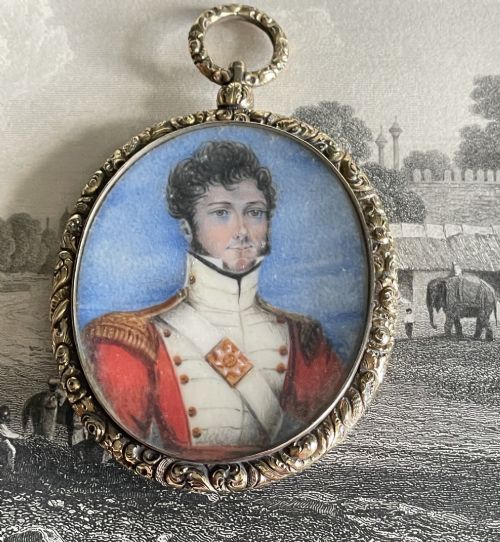


Regency Officer Painting
A regency officer painting captures the likeness of military leaders in oils, watercolours, and enamels from the Georgian and Victorian eras.
Regency Officer Painting
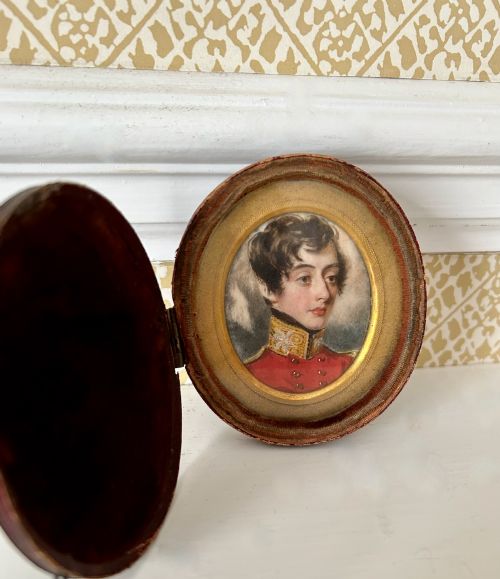
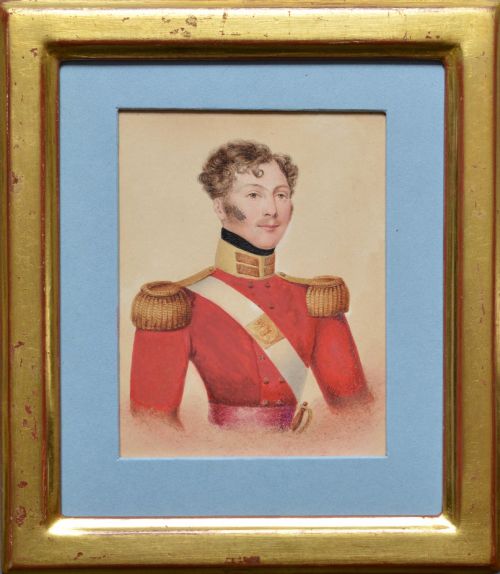
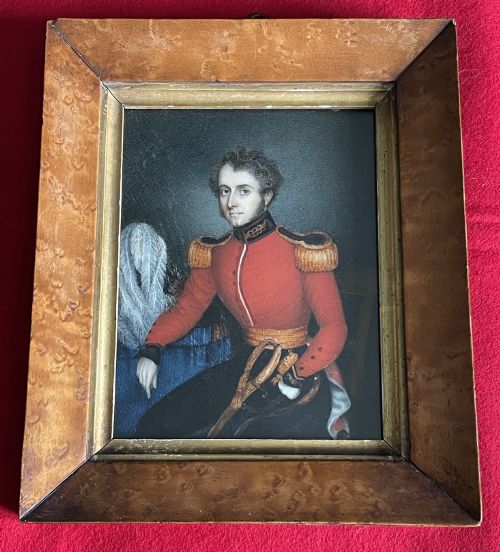
When a buyer searches for a regency officer painting, they encounter portraits depicting military and naval figures from the eighteenth, nineteenth, and twentieth centuries. These works appear across several distinct forms, including large oil paintings on canvas, intimate portrait miniatures, watercolours on paper, and sculptural busts.
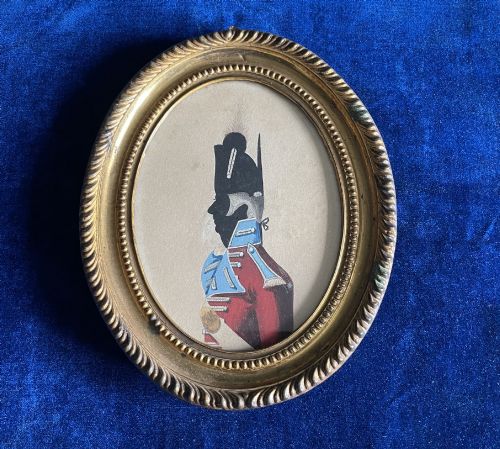
The most common version met on this page is the nineteenth-century oil portrait or watercolour depicting a British military officer. Subjects range from named generals and admirals to anonymous redcoat officers, captured in formal uniforms that reflect the regency, georgian, and victorian periods.
The selection also encompasses Anglo-Indian portraits and primitive style works alongside grand eighteenth-century canvases. Formats vary from small enamel miniatures framed in glass to substantial framed oils accompanied by giltwood frames.
How they were made
Artists painted these works primarily using oil on canvas or watercolour on paper, frequently employing gold leaf and giltwood for framing and detailing. Enamel miniatures required specialised firing techniques on a metallic base, protected under glass.
Portraits utilised wood for panel supports or stretcher frames, while sculptural busts incorporated carved materials to render likenesses of naval gentlemen and commanders.
Some naval officers carry a torch alongside a sword, illuminating the dramatic martial spirit captured by Regency portraitists.
What varies in quality
The distinction between works rests upon the precision of the portraiture and the attribution to recorded artists or schools. Named sitters and documented painters introduce a historical weight that elevates certain pieces above anonymous folk art interpretations.
Material execution dictates the enduring presence of the artwork, where delicate enamel miniatures and fine watercolour techniques demonstrate different levels of draftsmanship compared to robust oil paintings on canvas.
Henry Bone ARA·Edward Pugh·Henry Hoppner Meyer·Sir William John Newton·Samuel Lane·William Salter·Gerrit Schipper·Henry Wyatt·Robert Ker Porter·Ambrosini Jerome·Harry Ashby
The Regency Officer Painting Glossary
- Regency
- A period of British history spanning from 1811 to 1820, characterised by distinctive styles in art and portraiture. This era produced many of the military portraits valued by collectors today.
- Enamel Miniature
- A small painting fired on a metal plate using powdered glass pigments. These pieces offer remarkable durability and fine detail.
- Watercolour
- A painting method where fine pigment is suspended in a water-based solution on paper. This medium was frequently utilised for portable officer portraits.
- Giltwood
- Wood carved and covered with a thin layer of gold leaf. Frames made this way complement nineteenth-century oil paintings.
- Portrait Miniature
- A highly detailed, small-scale painting designed for personal carriage or intimate display. These objects often capture sitters with remarkable precision.
Regency Officer Painting: Frequently Asked Questions
What is a regency officer painting?
These artworks depict military and naval officers from the Georgian and Victorian periods, executed in oil, watercolour, or enamel.
They serve as historical records of British commanders and redcoat officers, created in various scales from miniatures to large canvases.
How were officer portraits framed?
Period frames often utilised carved wood finished with gold leaf or silvered surfaces.
Smaller watercolours and enamel miniatures frequently featured protective glass coverings to preserve the delicate pigments on paper or metal.
Who are the subjects in these paintings?
Subjects include named historical figures such as generals, admirals, and lieutenants alongside anonymous officers.
Many works record specific regiments like the Staffordshire 80th Regiment of Foot or Dragoons.
How do I identify the period?
Dating relies on costume details, uniform styles, and recorded dates of the sitters or artists.
Paintings span the eighteenth, nineteenth, and twentieth centuries, incorporating Georgian, Regency, and Victorian aesthetics.