


Fine Art Military Painting
Fine art military painting captures the commanding presence of officers, cavalry skirmishes, and historic campaigns through centuries of canvas and pigment.
Fine Art Military Painting
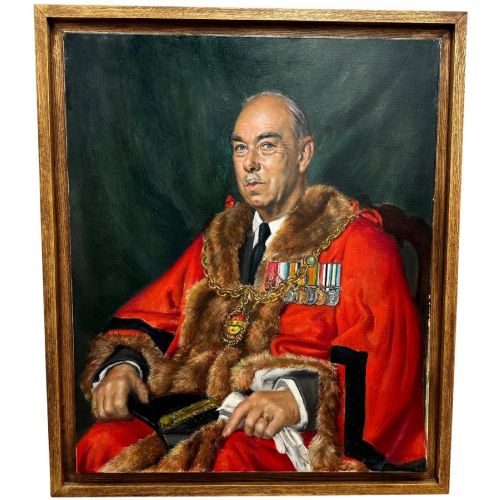
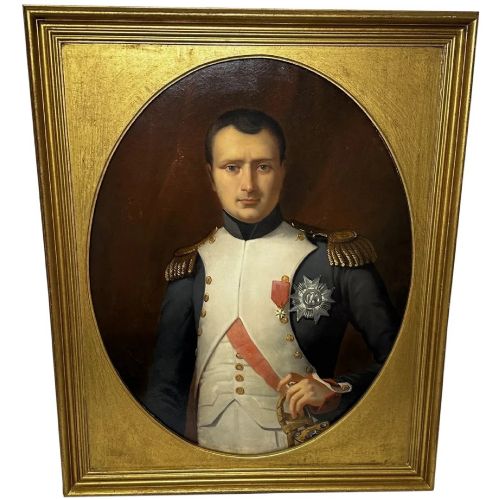
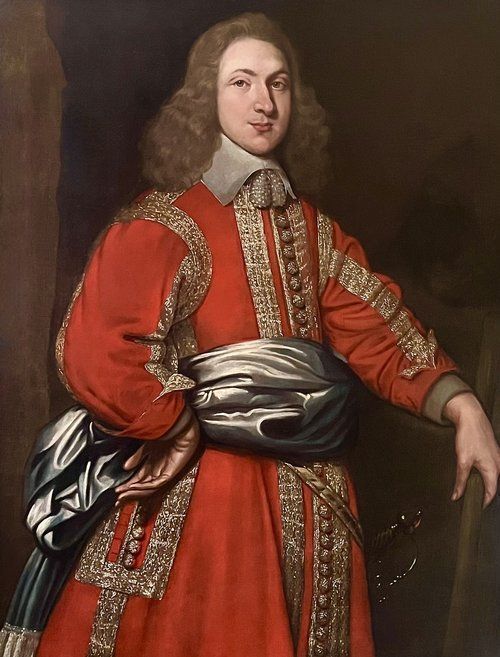
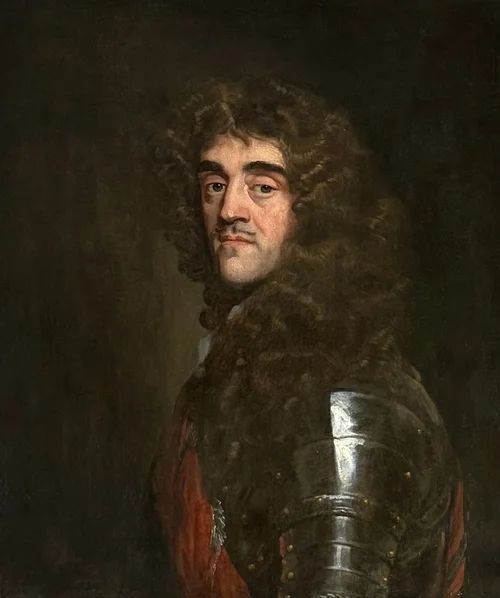
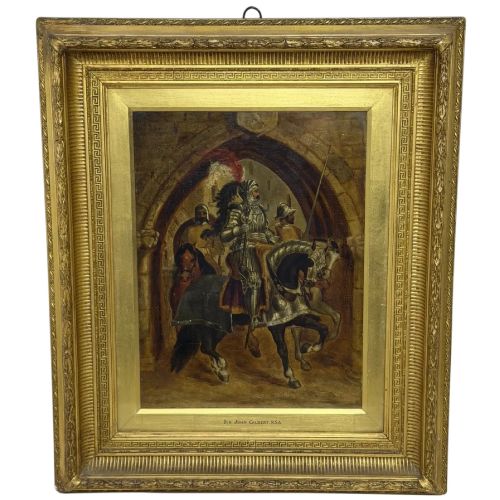
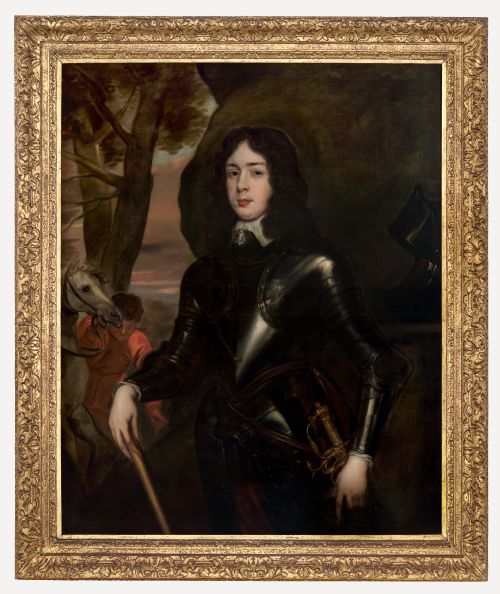
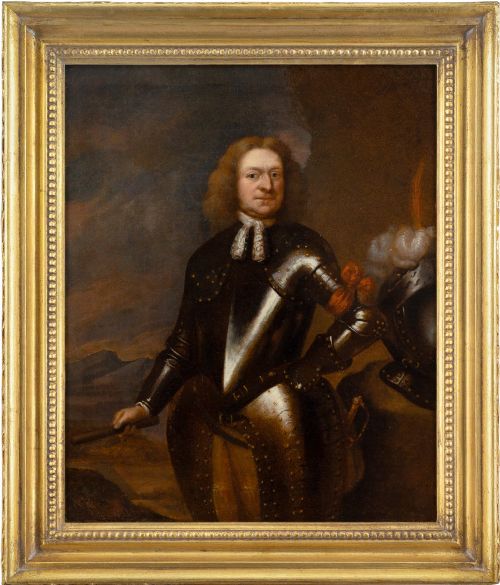
A fine art military painting typically portrays officers, generals, and naval commanders in uniform or armour, alongside battle scenes and historical narratives. The pieces available range from seventeenth-century portraits in oil to nineteenth-century watercolours and twentieth-century depictions of service personnel.
The selections span distinct periods including the seventeenth century, the Georgian and Regency eras, the Victorian epoch, and early twentieth-century commissions. Works appear in various formats, from large oil canvases and panels to delicate miniature portraits on agate or ivory.
Materials and methods
Artists painted primarily using oil on canvas, wood panels, or board, applying pigments that captured the intricate details of red coats, lace cravats, and steel armour. Watercolours on paper also record maritime and campaign subjects.
Many works retain their original surrounds, constructed from giltwood, oak, or gold panels that frame the portraiture and narrative scenes.
Listings include portrait miniatures on agate panels alongside large-scale oil canvases depicting generals and naval officers.
Judging quality in military works
Quality rests upon the skill of the brushwork in rendering facial likeness, textiles, and the precise heraldry or uniform details of the regiment. Masterful handling of light gives depth to breastplates and movement to cavalry horses.
The provenance and attribution to recorded artists, circles, or specific schools elevate certain works above standard workshop productions.
Bernard Hailstone·Sir John Gilbert·Sir Anthony van Dyck·David Scougall·John Simmons·Nicolas De Largilliere·John A Houston·Paul Leon Jazet·Edward Pugh·Donald Wood·George Cattermole·Ramsay Richard Reinagle·Kershaw Schofield·George Frederic Watts·John F H Dutton·George Frederick Clarke·Henry Walton·Henry Hoppner Meyer·John Closterman·Maurice Codner
The Fine Art Military Painting Glossary
- Oil on canvas
- Pigments bound in a drying oil applied to a stretched woven fabric support. This method allowed artists to achieve rich tones and lasting durability.
- Portrait miniature
- A small, highly detailed painting executed on materials such as vellum, card, copper, or agate. These intimate pieces were often worn or carried by family members.
- Armour
- Protective steel garments worn by officers in earlier centuries, frequently included in portraiture to denote high rank and martial readiness.
- School
- A group of artists working in a similar style, region, or period, often following the traditions of a master without being direct pupils.
Fine Art Military Painting: Frequently Asked Questions
What periods do these paintings cover?
The works span from the seventeenth century through the Georgian, Victorian, and Edwardian eras up to the mid-twentieth century.
Each period reflects the distinct military dress, armour styles, and artistic conventions of its time.
How were officers identified in portraits?
Sitters are typically identified through contemporary inscriptions, family provenance, or specific markers like red coats, sashes, medals, and full suits of armour.
Uniform details often point to exact regiments, campaigns, or naval ranks.
Are all the pieces oil paintings?
While oil on canvas and wood panel form the majority of the works, the selection also includes detailed watercolours on paper and miniature portraits painted on agate.
Frames vary from ornate nineteenth-century giltwood to stepped oak.
How do I care for an antique oil painting?
Keep paintings away from direct sunlight, excessive moisture, and rapid temperature fluctuations to protect both the canvas and the painted surface.
Dust the frame and canvas gently with a soft, dry brush without applying liquid cleaners.