

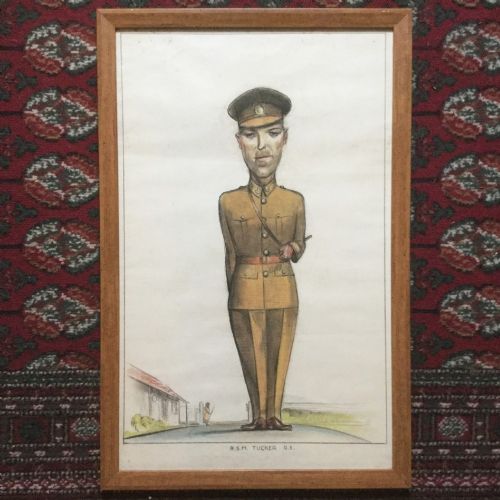


Officer Uniform Artwork
Officer uniform artwork captures military and naval figures through centuries of portraiture, offering buyers a direct connection to historical service and ceremonial dress.
Officer Uniform Artwork
Officer uniform artwork encompasses historical portraits depicting military, naval, and military-associated figures dressed in period uniforms. Buyers seeking officer uniform artwork encounter diverse representations ranging from 18th-century oils to mid-20th-century wartime sketches.
The selections span distinct periods including Georgian, Regency, Victorian, and Edwardian eras alongside 20th-century realizations. Common formats include framed oil paintings on canvas, delicate watercolours, and pastel sketches detailing specific regiments and ranks.
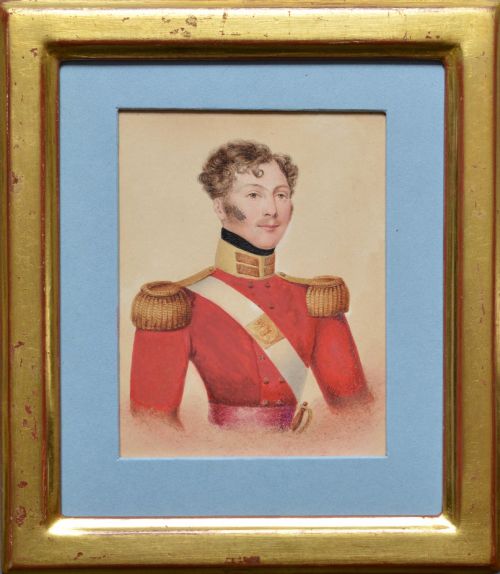
Subjects range from named generals and admirals to anonymous soldiers and commanders, often identified by their distinctive red tunics, naval jackets, or ceremonial regalia. These pieces frequently document specific historical regiments and military commands.
Materials and Techniques
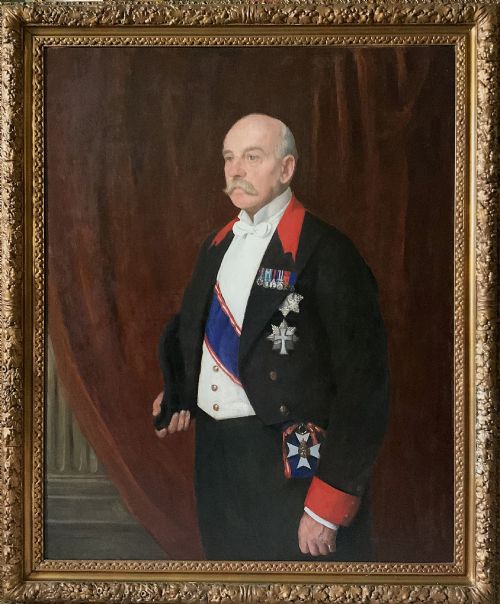
Artists historically employed oil paint on canvas to create monumental and detailed portraits, capturing the rich textures of braided uniforms and medals. Support structures primarily utilise stretched canvas mounted on wood frames, frequently protected behind glass for works on paper.
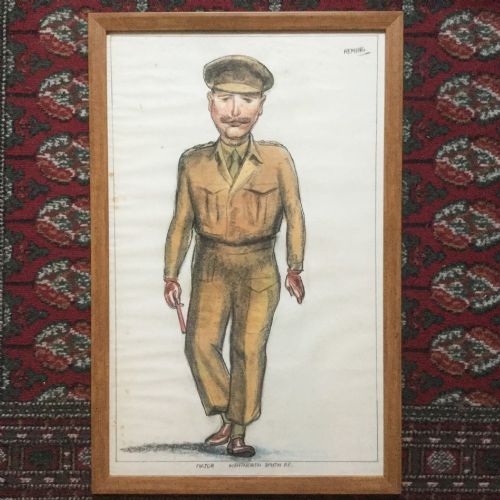
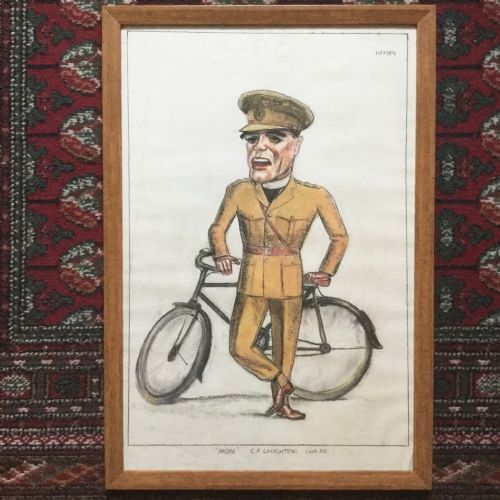
Watercolour and pastel mediums on paper or card appear frequently in field sketches and preparatory drawings, especially during wartime periods. These techniques allowed artists to record rapid, expressive likenesses of officers on active service.
Listings span from the 18th century through the 1960s, documenting changing military dress codes in oil, watercolour, and pastel.
Factors of Distinction
Quality in these portraits rests upon the precision of the facial likeness and the anatomical accuracy with which the uniform details, insignia, and medals are rendered. Master painters captured the subtle textures of wool tweed, brass buttons, and ceremonial sashes with definitive brushwork.
The historical significance of the sitter, ranging from decorated admirals to reigning monarchs, influences the distinction of the piece. Works executed by named Royal Academicians or documented schools display superior compositional balance and handling of light compared to anonymous student outputs.
Sir Thomas Lawrence PRA·John Simmons·Aubrey Sykes RA·Henry Wyatt·Robert Ker Porter
The Officer Uniform Artwork Glossary
- Busby Hat
- A cylindrical fur military headgear often worn with ceremonial dress uniform. It frequently appears in 18th and 19th-century military paintings.
- Ceremonial Red Tunic
- The traditional scarlet military coat worn by British infantry and staff officers for formal duties. This garment is a key visual marker in Victorian and Georgian portraiture.
- Gouache
- An opaque water-based pigment used alongside pastel in wartime sketching. It provides solid blocks of matte colour in rapid portrait studies.
- Naval Jacket
- A dark tailored coat worn by sea officers, distinguished by brass buttons and rank lace. It marks the maritime counterpart to land-based military tunics.
Officer Uniform Artwork: Frequently Asked Questions
How do I identify the regiment in an officer portrait?
Regimental identification relies on visible collar badges, shoulder belt plates, specific button designs, and uniform facings. Artists often documented these insignia with enough precision to trace the sitter's exact military unit.
Secondary clues include campaign medals and ribbon bars painted across the chest. Researching the named sitter's service record frequently confirms the specific regiment depicted.
What is the difference between oil and watercolour military portraits?
Oil portraits on canvas were typically commissioned for formal display in homes or institutions, allowing for rich detail and large scales. Watercolours and pastels were often produced more intimately or on active campaign as rapid sketches.
Oils utilise heavy textures and layered glazes to render fabric and metal, whereas watercolours rely on paper translucency and fine line work.
How should I care for antique canvas paintings?
Antique canvas paintings require stable room temperatures and protection from direct sunlight to prevent the oil paint from cracking or fading. Keeping humidity levels moderate prevents warping in the wooden stretchers.
Dust should be removed gently with a soft, dry brush without applying pressure to the canvas surface. Professional conservation is recommended for any structural canvas repairs.
Can wartime sketches be attributed accurately?
Wartime sketches often carry artist signatures, studio stamps, or detailed inscriptions on the reverse noting the sitter's rank and regiment. Pastel and gouache works from periods like 1940 frequently record the exact date and context of the sitting.
Comparing signatures against known exhibition records helps verify the creator of the drawing.