
Red Mahogany Table
When you search for a red mahogany table, you enter a world of formal dining, writing desks, and centre pieces crafted across the Georgian, Regency, and Victorian eras.
Red Mahogany Table
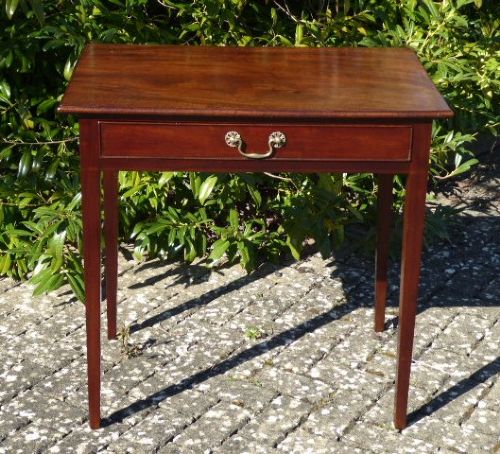
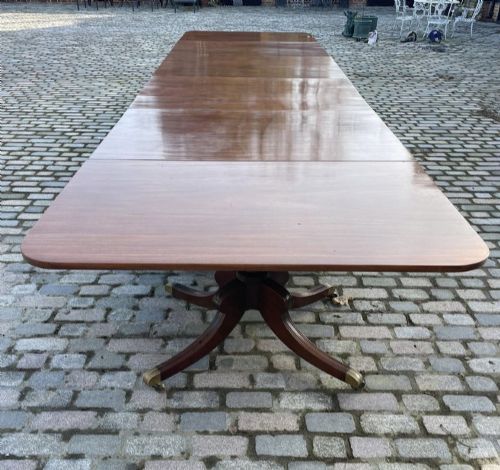
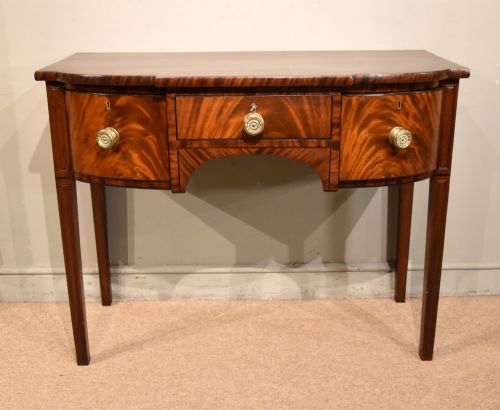
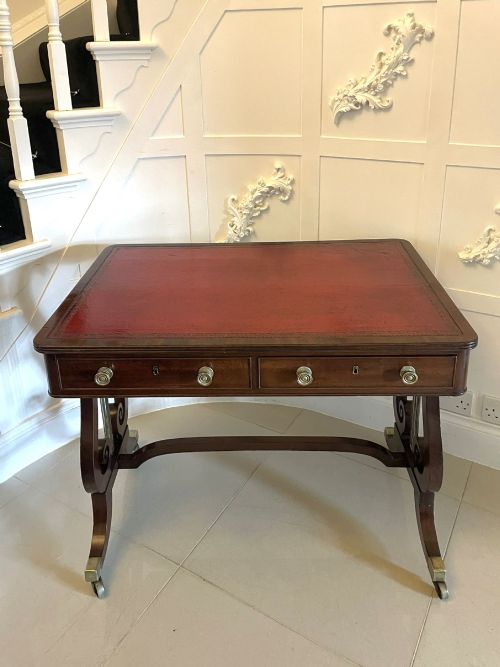
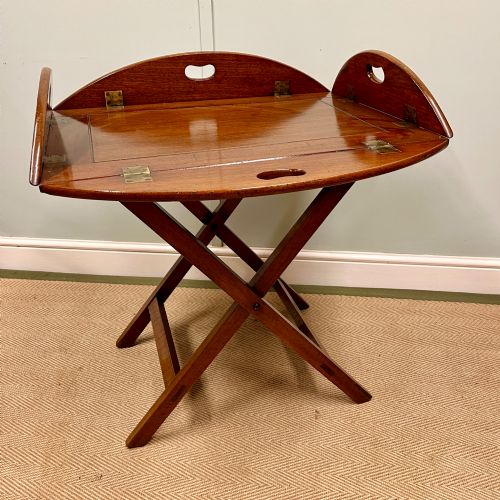
A red mahogany table spans domestic uses ranging from large extending dining tables with multiple pillars down to compact side tables, writing desks, and hall consoles. You are most likely to meet Victorian and Georgian examples, as well as Regency and Edwardian pieces designed for both formal rooms and private studies.
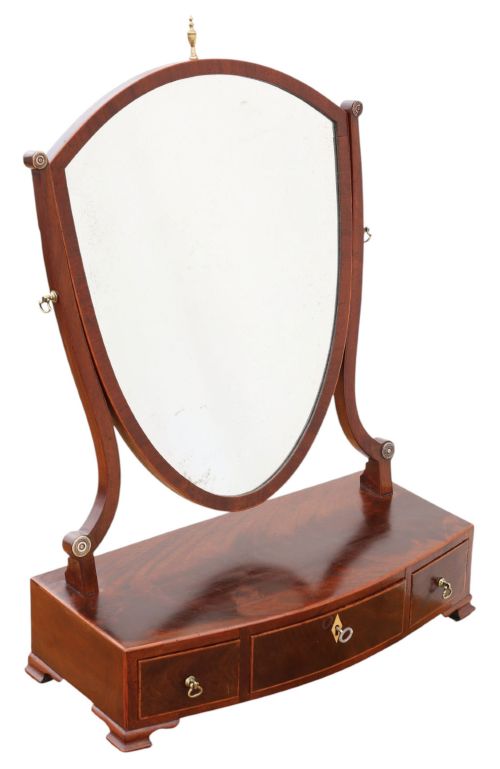
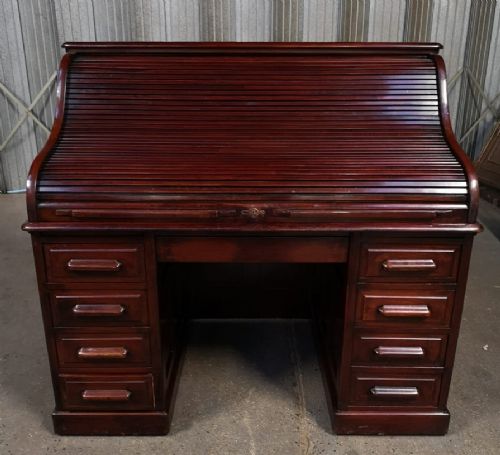
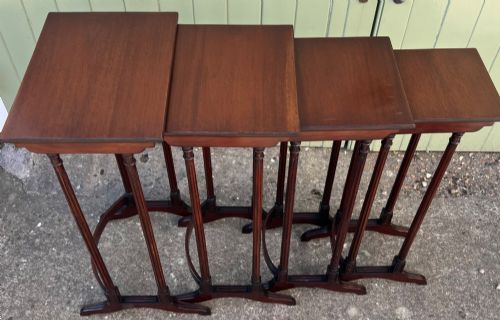
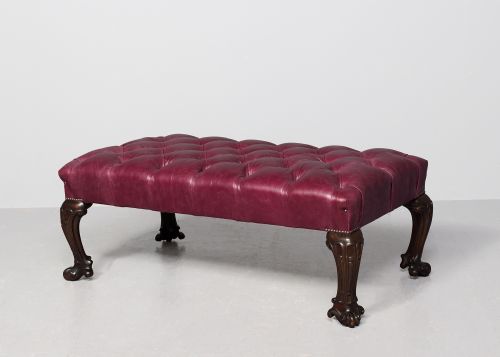
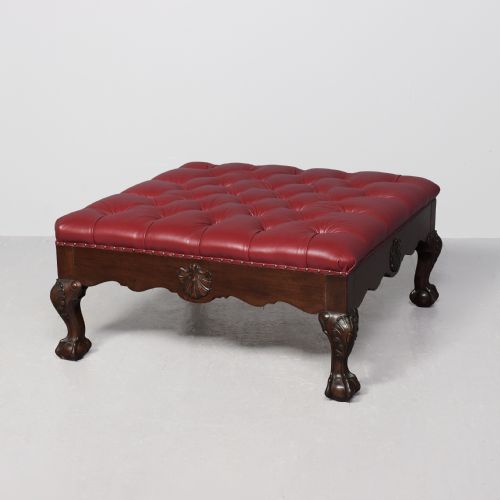
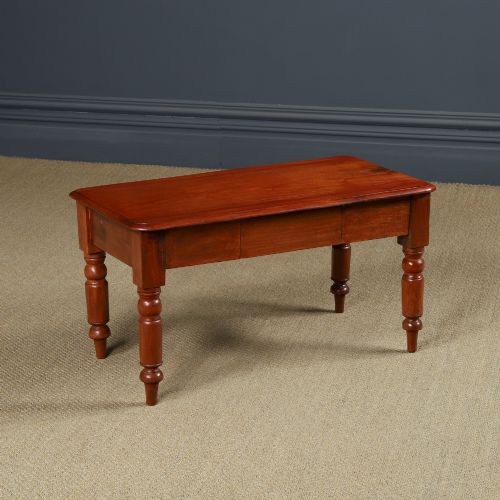
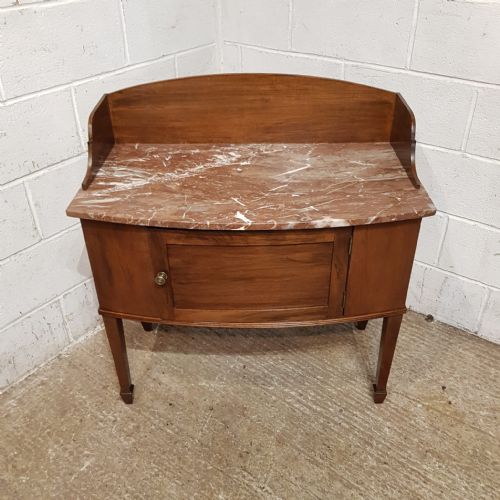
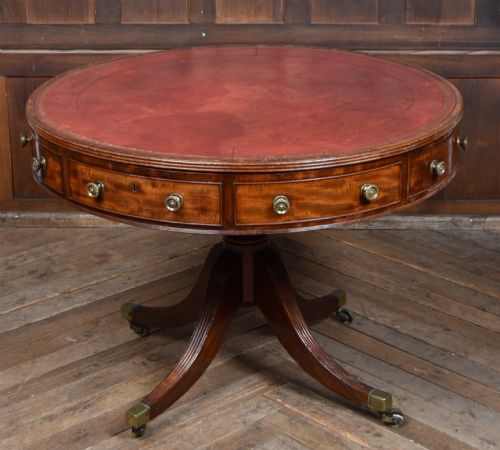
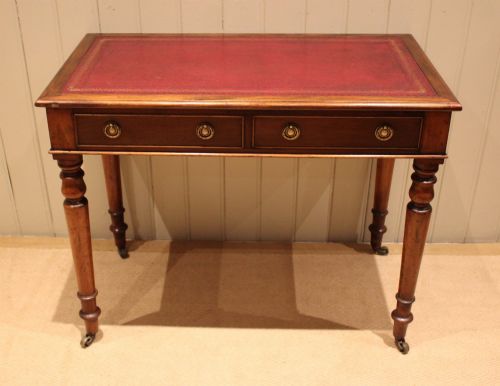
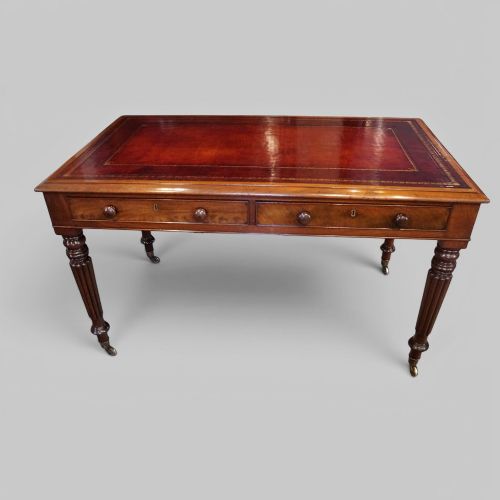
The evidence shows these items appearing in diverse formats, including pedestal desks, drum tables, nests of tables, washstands, and occasional centre tables. Alongside dining pieces, smaller items like dressing table mirrors and footstools framed in mahogany reflect the wide scope of this timber in period interiors.
Materials and Technique
Joinery relies on solid wood and figured mahogany veneers applied over secondary timbers, often selected for rich grain patterns and warm red tones. Cabinet makers combined structural stability with decorative surface effects, occasionally incorporating satinwood inlay to accent borders and panels.
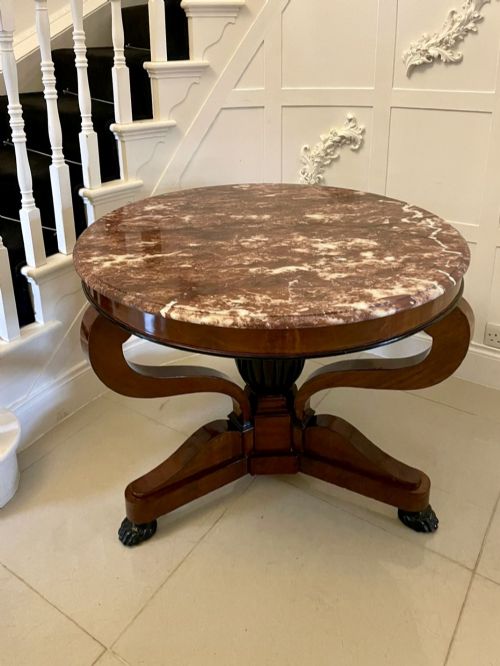
Higher-status pieces frequently integrate secondary materials such as brass fittings, leather writing surfaces, or marble tops. Ormolu mounts and French polishing appear on specialised centre and étagère tables, uniting utilitarian function with decorative elaboration.
Red Mahogany Table Retail Price Guide 2026
Typical asking prices for red mahogany table among the pieces listed under this phrase on Sellingantiques today, from the lower quarter to the upper quarter. They describe what is for sale here now, not the wider market.
Materials appearing alongside mahogany include marble, brass, leather, glass, and ormolu mounts.
Judging Quality
Quality rests in the selection of figured timber, the crispness of carved details, and the integrity of the original construction. Pieces exhibiting well-matched veneer grains, balanced proportions, and robust pillar or pedestal assemblies stand apart from simpler utilitarian furniture.
The refinement of hardware, such as original brass castors and locks, alongside the sophistication of stylistic revivals like Chippendale or Regency design, dictates the standing of an individual piece within its period.
The Red Mahogany Table Glossary
- Tilt-top
- A table mechanism allowing the circular or oval top to pivot vertically for storage when not in use. This clever space-saving design is frequently seen on Regency and Georgian breakfast and dining tables.
- Pedestal
- A central column supporting a table top, often resting on splayed legs with brass castors. Multiple pillars are common on larger extending dining formats.
- Ormolu
- Gilt-bronze mounts applied to furniture for decorative enrichment. This technique is typical of high-status French-influenced tables from the nineteenth century.
- Console table
- A wall-mounted or freestanding table designed to stand against a vertical surface. Demi-lune versions often appear in pairs within formal entrance halls.
- Satinwood
- A light-coloured exotic timber used for contrasting stringing and inlay work on mahogany surfaces. It creates bright geometric borders across tabletops and drawer fronts.
Red Mahogany Table: Frequently Asked Questions
How do I identify a Georgian red mahogany table?
Georgian pieces generally display restrained classical proportions, solid timber construction, and subtle carved details like bracket feet or simple edge moulding. Cabinet makers of this period prioritized structural balance and natural grain figure over heavy ornamentation.
Examining the underside and drawer linings reveals period construction methods such as hand-cut dovetails and oak or deal secondary woods. These interior details help separate genuine eighteenth-century pieces from later revival items.
Were these tables used exclusively for dining?
While large multi-pillar formats served formal dining rooms, the category encompasses a wide variety of functional forms. Smaller pieces functioned as writing desks, library tables, work tables, and hall consoles.
Specialised variants like drum tables, pembroke tables, and bijouterie display tables fulfilled specific domestic tasks in drawing rooms and studies. Each form reflects the compartmentalized social life of the nineteenth-century home.
What distinguishes a Regency table from a Victorian one?
Regency tables, produced in the early nineteenth century, draw heavily on classical Greek and Roman motifs, featuring saber legs, brass paw castors, and bold rosewood or satinwood banding. The lines remain crisp, architectural, and uncluttered.
Victorian pieces often introduce heavier proportions, darker finishes, and eclectic revival styles ranging from Gothic to Louis XIV influences. Extending mechanisms also became more complex during the Victorian era to accommodate larger family gatherings.