


Red Japanese Porcelain Vase
A red japanese porcelain vase brings vibrant iron-red pigment and intricate hand-painted detail to a room, drawing the eye through rich historical artistry.
Red Japanese Porcelain Vase
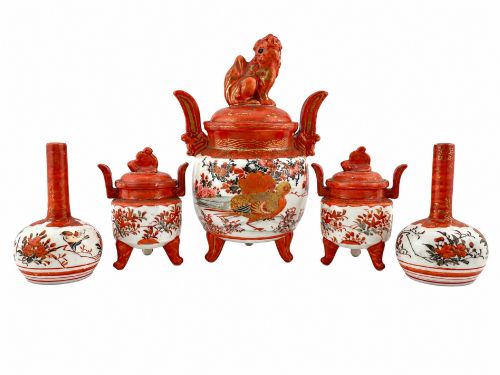
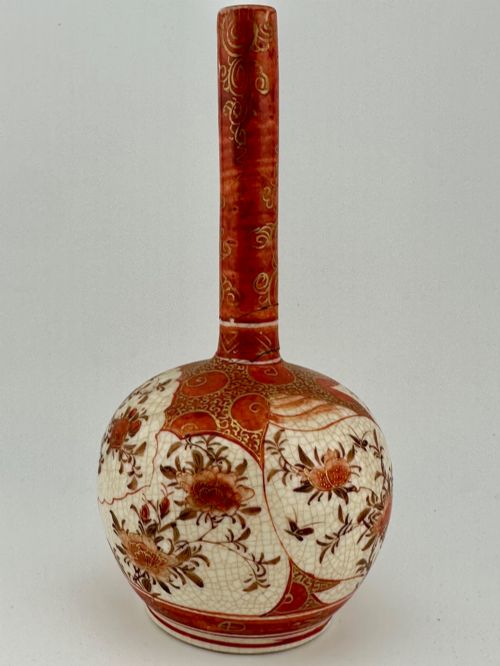
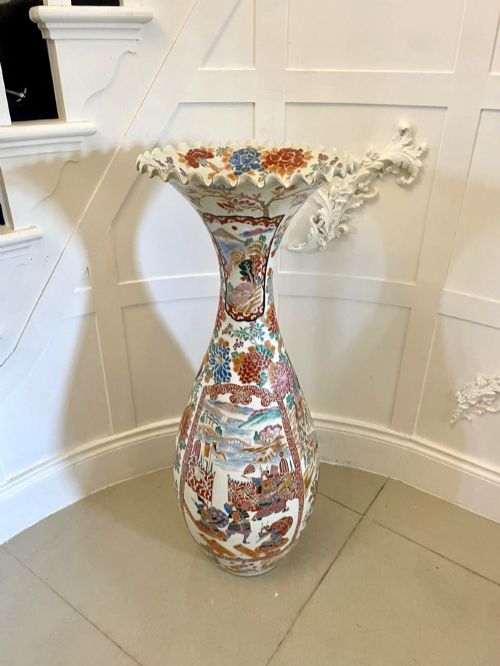
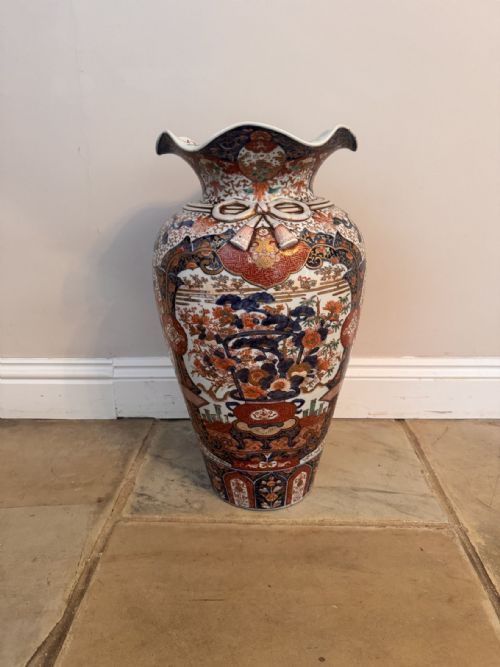
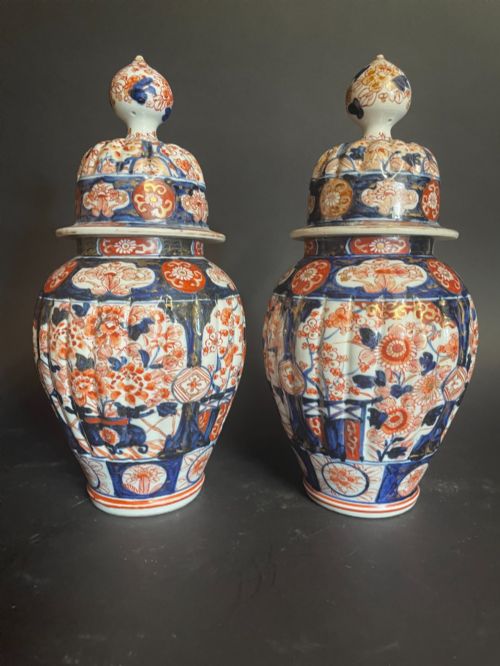
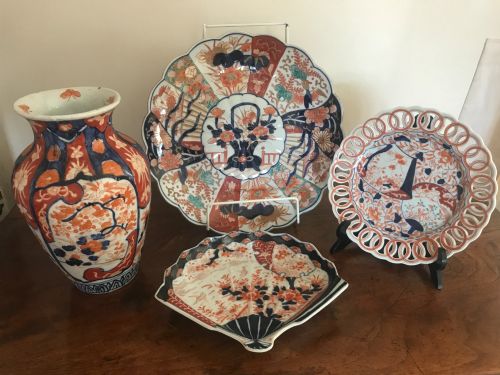
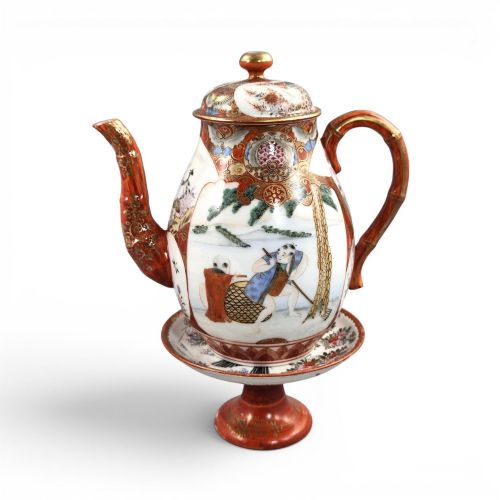
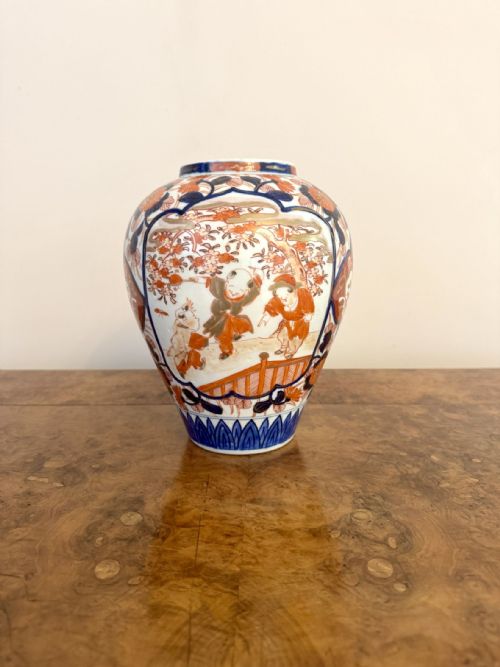
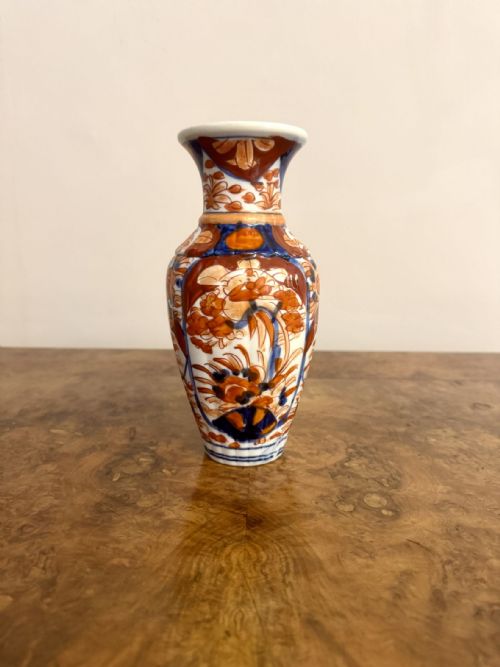
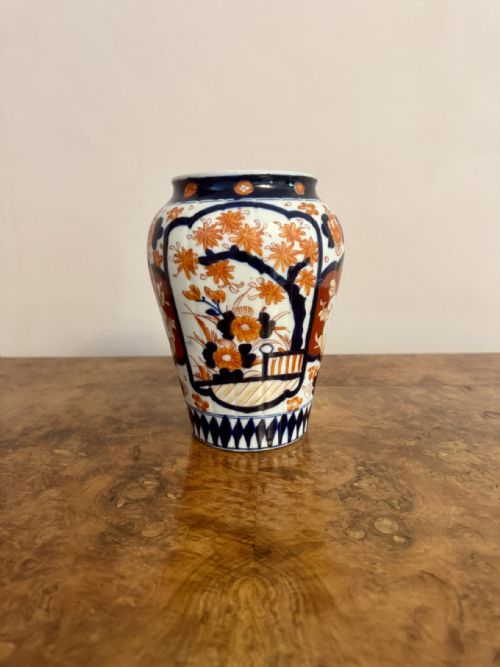
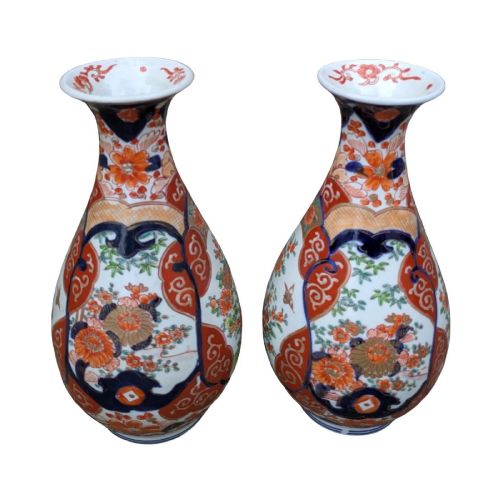
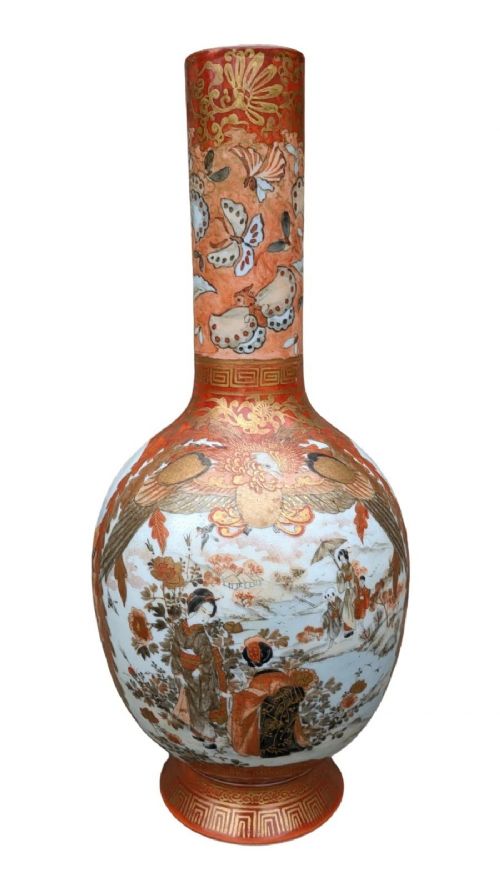
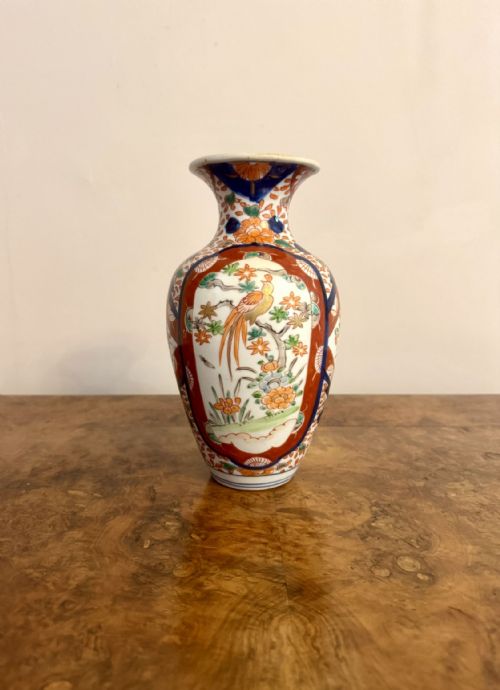
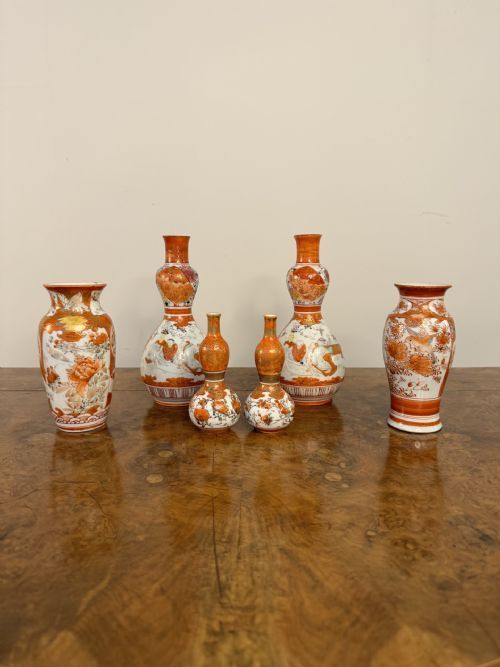
The version most frequently met on this page is the Japanese Imari vessel, often decorated in characteristic iron-red, underglaze blue, and gilt palettes. Alongside these, Kutani ceramics appear frequently, showcasing rich red pictorial designs featuring dragons, phoenixes, and figurative scenes.
Forms extend beyond standard single vessels to include matched pairs, garnitures of three or more, and pieces accompanied by wooden stands or covers. Makers and decorators utilised traditional kilns in Arita and surrounding regions to produce items intended for both domestic use and export.
How they were made
Potters shaped fine porcelain clay on the wheel or pressed it into moulds, creating balanced structures such as baluster, cylindrical, and double-gourd profiles. Once dried and bisque-fired, artisans applied underglaze blue pigments before glazing the surface for the primary kiln firing.
Overglaze decoration followed, incorporating vibrant iron-red enamel, enamel colours, and gold leaf or gilding to build up complex floral, geometric, and narrative motifs. Certain wares received supplementary detailing in lacquer or incorporated carved wood components to complete the presentation.
Listings feature porcelain pieces spanning the Edo period, Meiji period, and Victorian era, incorporating enamel, gold leaf, and glaze materials.
What varies in quality
The distinction between standard commercial output and superior studio work lies in the precision and density of the hand-painted brushwork. Finer examples display crisp, controlled lines in the red enamel and precise application of gold leaf rather than rushed, heavy-handed pigment application.
The weight and refinement of the porcelain body itself separate grades of production, with better vessels possessing a balanced heft and cleanly finished foot rims. Preservation of the overglaze gilding and enamel colours without excessive rubbing also determines the standing of a piece within its period.
Stevenson and Hancock
The Red Japanese Porcelain Vase Glossary
- Imari palette
- A traditional decorative scheme utilising underglaze cobalt blue, iron-red enamel, and gold highlights on a white porcelain ground. This style originated in Arita and became widely exported to Europe during the Edo period.
- Kutani
- A style of Japanese coloured porcelain characterised by bold pictorial designs heavily featuring red, gold, and earthy tones. Wares often depict figures, birds, and natural landscapes.
- Meiji Period
- The era in Japanese history spanning from 1868 to 1912, marked by increased international trade and exceptional decorative arts production. Works from this time often exhibit high technical mastery in porcelain painting.
- Garniture
- A set of matching vases or jars designed to be displayed together on a mantelpiece or cabinet top. These sets typically comprise three or five pieces of graduated or matching sizes.
- Double gourd
- A vase form shaped like a traditional medicine or water container with a constricted waist dividing a smaller upper bulb from a larger lower bulb. This silhouette holds significant auspicious meaning in East Asian traditions.
Red Japanese Porcelain Vase: Frequently Asked Questions
How do I tell Imari and Kutani apart?
Imari pieces rely heavily on a combination of underglaze blue, iron-red, and gilt across dense geometric and floral patterns. Kutani ceramics focus more on pictorial scenes rendered in rich red enamels with gold accents.
Examining the underlying palette helps clarify the origin, as Imari strictly integrates blue underglaze elements beneath the red and gold overglaze layers.
Are these vases safe for fresh flowers?
While these antique vessels were originally created for decorative display, glazed porcelain interiors can hold water safely. Care must be taken with pieces featuring delicate overglaze gilding or enamel work near the rim.
Using a discreet inner liner or handling the vessel with dry hands prevents accidental moisture damage to historical enamel surfaces.
How should I clean my porcelain vase?
Dusting with a soft, dry brush or a microfiber cloth is the safest method for maintaining glazed porcelain surfaces. Avoid harsh chemical cleaners or abrasive sponges that might degrade historical enamels.
If washing is necessary, use lukewarm water with mild soap and dry thoroughly immediately afterward to protect any exposed clay or gilding.
How do I date a Meiji period piece?
Meiji period ceramics date from 1868 to 1912, often identified by specific export marks, registration numbers, or stylistic developments geared towards Western markets. The refinement of the porcelain paste and vibrant red enamel work offer further chronological clues.
Comparing the decorative motifs with documented examples from the same era helps narrow down the decade of production.