






Antique Japanese Lacquerware
These antique japanese lacquerware pieces bring rich Meiji and Taisho period craft into the home, offering functional beauty through centuries-old materials.
Antique Japanese Lacquerware
When you search for antique japanese lacquerware, you encounter a specialised selection of traditional dining items, display furniture, and decorative accessories. The pieces on this page span the Edo, Meiji, and Taisho periods, alongside the early twentieth century.
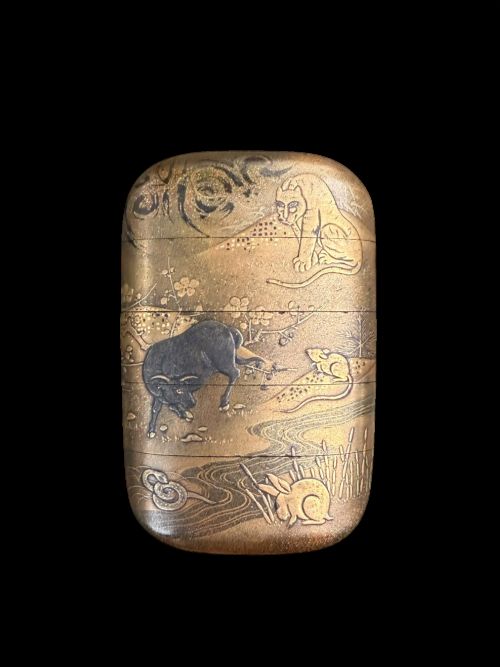
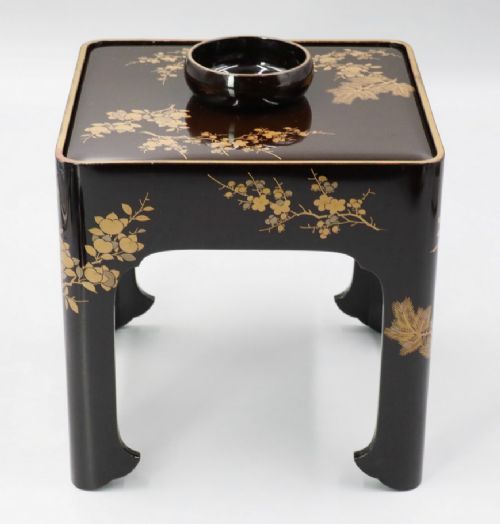
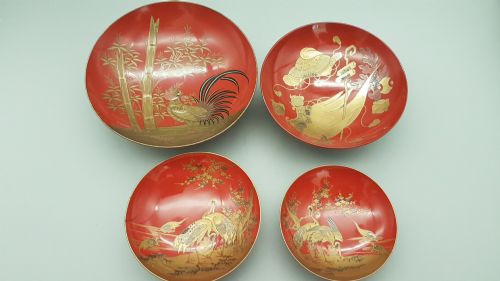
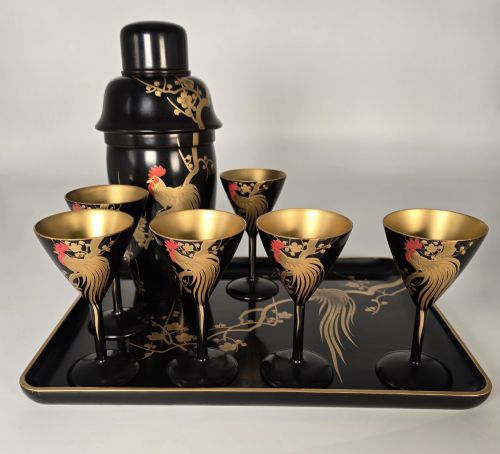
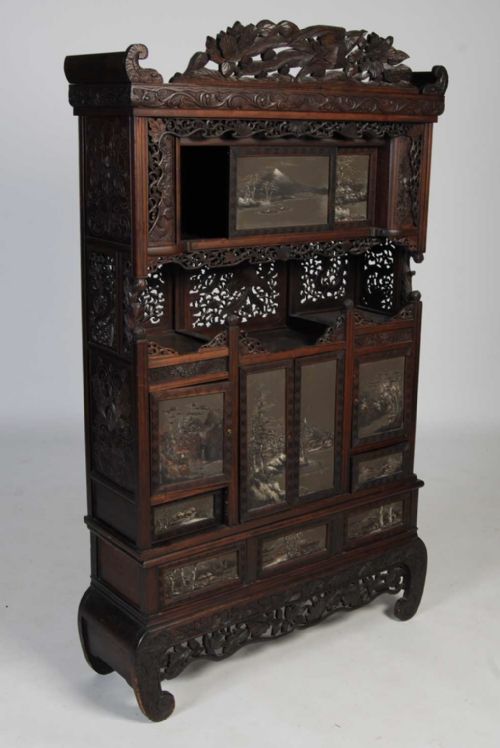
Sets of sake cups with matching stands and small sake tables appear frequently among the listings, alongside larger decorative boxes, plaques, and inro. Cabinets such as the shodona on stand represent the more architectural side of these historic exports.
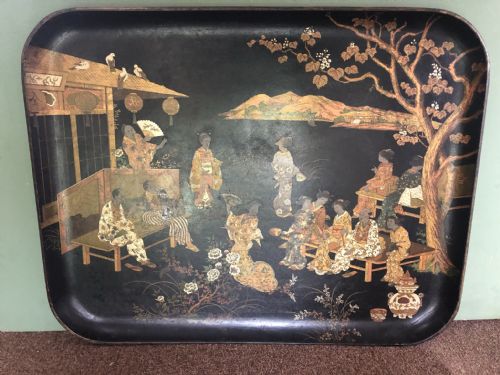
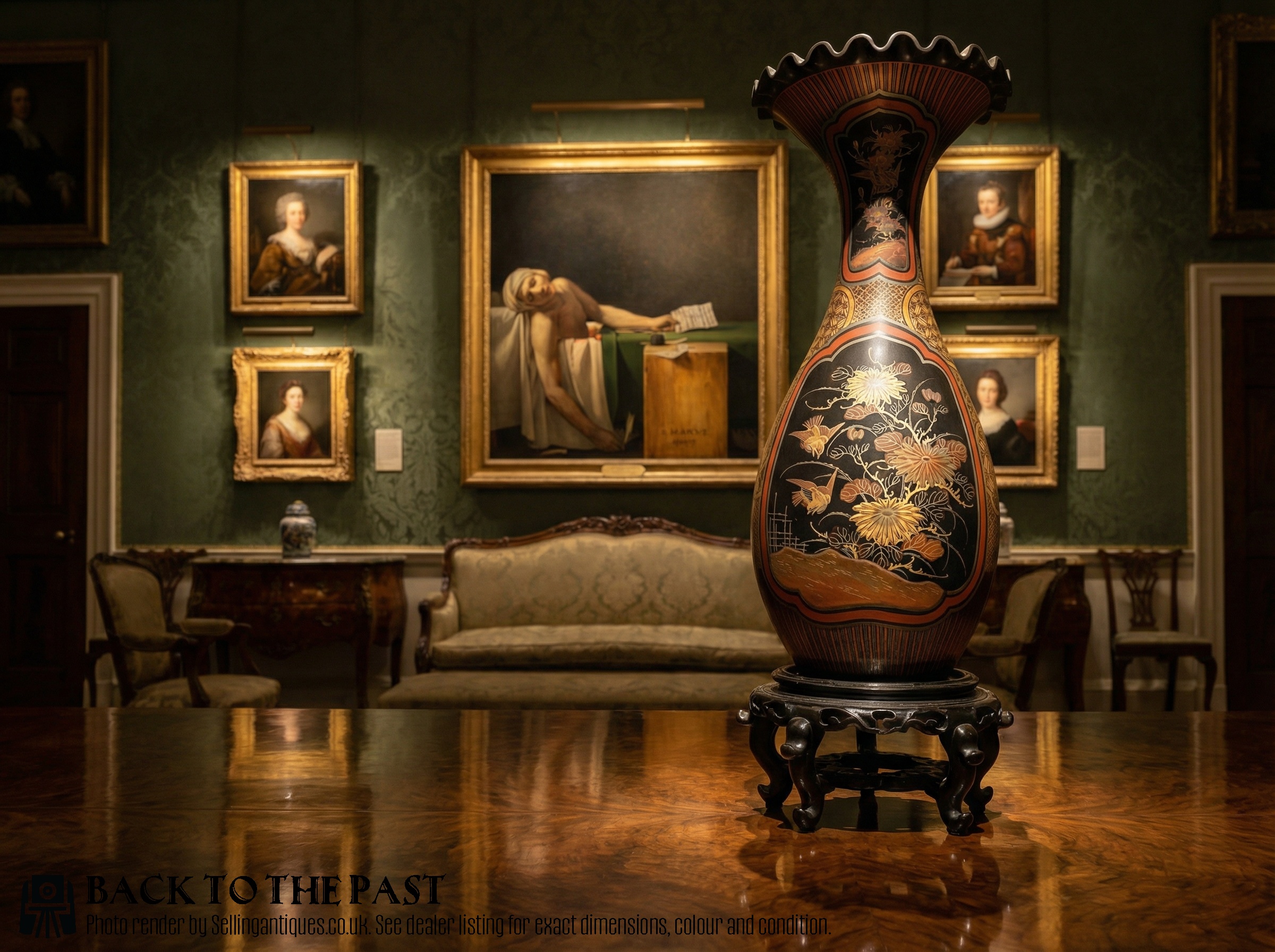
Vases combine porcelain with lacquer over black paint, while export trays demonstrate the transfer of traditional decorative techniques onto papier-mâché. Each object reflects the distinct aesthetic priorities of late nineteenth and early twentieth century Japanese workshop production.
Materials and Technique
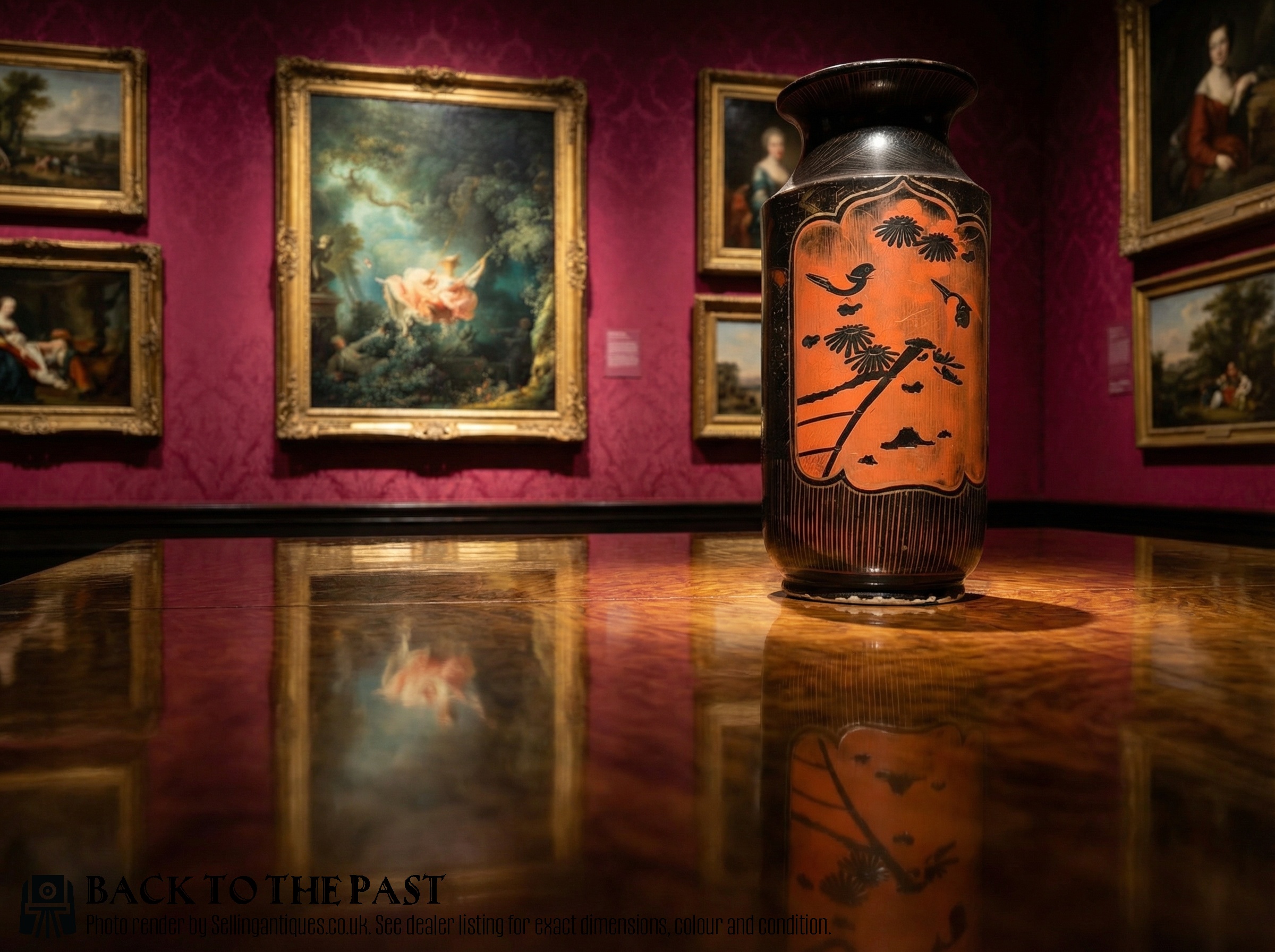
The foundation of these objects typically relies on wood, porcelain, or papier-mâché, providing a stable core for the surface treatments. Artisans applied successive coats of urushi lacquer to create a durable, glossy finish that resists moisture and wear.
Gold leaf and hand-painted details frequently embellish the dark lacquer surface, depicting scenes such as Mount Fuji and coastal vistas. Brass mounts and silk elements appear as supplementary components on cabinets and sets.
Antique Japanese Lacquerware Retail Price Guide 2026
Typical asking prices for japanese lacquerware among the pieces listed under this phrase on Sellingantiques today, from the lower quarter to the upper quarter. They describe what is for sale here now, not the wider market.
Current listings span the nineteenth century through the early twentieth century, incorporating wood, porcelain, and papier-mâché.
Assessing the Standard
The distinction between standard items and superior examples lies in the precision of the hand-painted motifs and the depth of the lacquer layers. Pieces featuring intricate landscape work or complete sets with matching stands demonstrate higher levels of workshop output.
Condition plays a role in differentiation, as intact surfaces without major loss to the gold leaf or urushi retain the intended visual impact. The structural integrity of multi-tier cabinets and the completeness of accompanying sets further define the standing of individual pieces.
The Antique Japanese Lacquerware Glossary
- Urushi
- Natural sap harvested from the lacquer tree, used to create a hard, protective coating on wooden and ceramic objects. This material forms the durable base of traditional finishes.
- Meiji
- The historical period spanning from 1868 to 1912, characterised by opening trade and exceptional decorative arts production. Pieces from this era often display detailed hand painting.
- Inro
- A traditional small portable container divided into compartments, suspended from a sash by a cord and toggle. These tiered cases demonstrate miniature craftsmanship.
- Shodona
- A type of Japanese tabletop or freestanding display cabinet featuring asymmetric shelving and small doors. They were designed to showcase precious objects.
- Taisho
- The historical period following the Meiji era, lasting from 1912 to 1926. Work from these years maintains traditional lacquer techniques while adapting to new export demands.
Antique Japanese Lacquerware: Frequently Asked Questions
How do I clean lacquerware?
Dust these surfaces gently with a soft, dry microfibre cloth to prevent scratching the delicate finish. Avoid using chemical solvents, abrasive cleaners, or water immersion.
Keep pieces away from direct sunlight and extreme temperature fluctuations to protect the urushi and gold leaf from drying out or cracking over time.
Are these sake sets usable?
While the historic sake cups and tables were made for actual dining and entertaining, modern use can accelerate wear on fragile antique surfaces. Displaying them allows you to appreciate the hand-painted details without risking damage to the lacquer.
If you choose to use them for special occasions, wash them by hand immediately with lukewarm water and mild soap, drying them completely with a soft cloth.
How do I date a piece?
Dating relies on stylistic markers associated with specific periods such as the Meiji or Taisho eras, alongside construction methods and materials. Documentation or historical export labels can also provide clues to the approximate decade of manufacture.
Comparing the complexity of the hand-painted motifs to dated examples in museum archives helps narrow down the production window.