




Japanese Bird Floral Vase
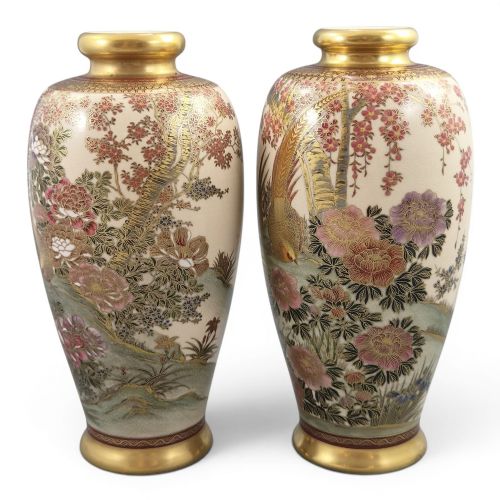
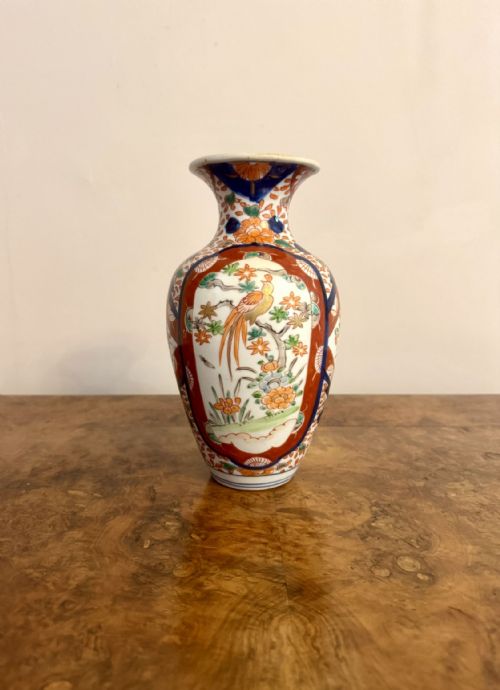
These japanese bird floral vase examples span the Meiji period to the Showa era, bringing traditional craftsmanship and intricate botanical motifs into any room.
Japanese Bird Floral Vase
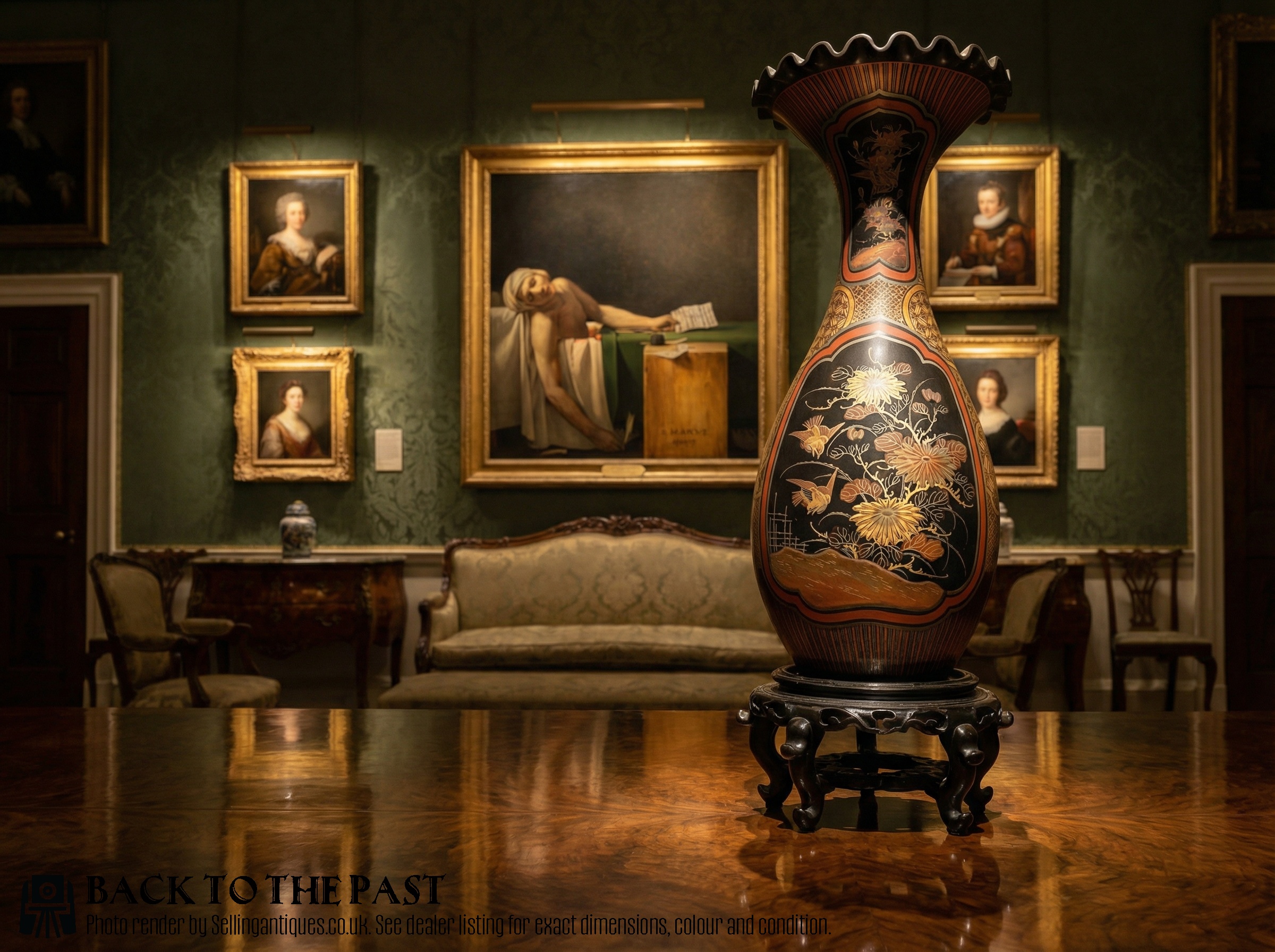
When you search for a japanese bird floral vase, you encounter a variety of forms including bulbous vessels, posy vases, and tall urns. These pieces originate from periods such as the Meiji, Edwardian, and Showa eras, showcasing diverse manufacturing traditions.
The most common examples on this page combine traditional Japanese styles with decorative elements like Satsuma earthenware, Imari patterns, and detailed bronze or copper bodies. Artisans utilised distinct regional and period aesthetics to create striking decorative objects.
Many of these vessels feature classic avian and floral imagery executed in porcelain, cloisonné enamel, and mixed metals. The selection ranges from smaller cabinet pieces to large exhibition quality pairs.
Materials and construction
Makers utilised metals such as bronze, copper, and brass alongside ceramics like porcelain and earthenware to form the foundational bodies. Techniques often involved raised detail work, mixed metal applications, and lacquer over paint.
Cloisonné enamel pieces incorporate silver wire to outline birds and flowers before applying coloured enamels, sometimes utilising translucent ginbari or basse-taille methods. Gilding with gold leaf adds fine accents to select surfaces.
Japanese Bird Floral Vase Retail Price Guide 2026
Typical asking prices for japanese bird floral vase among the pieces listed under this phrase on Sellingantiques today, from the lower quarter to the upper quarter. They describe what is for sale here now, not the wider market.
Materials recorded across the selection include porcelain, bronze, copper, enamel, gold leaf, and silver.
Distinctions in quality
The standard of execution in the metalwork and enamel separation defines the higher tier of these pieces. Fine silver wire work and precise cloisonné cells demonstrate superior craftsmanship compared to simpler production methods.
Exhibition pieces often feature signed maker marks, intricate Shimazu mon, or documented studio origins like Ando Jubei. The clarity of the painted or raised floral and bird details separates standard decorative items from superior works.
Manpei Kobe·Ando Jubei·Hododa
The Japanese Bird Floral Vase Glossary
- Cloisonné
- An enamel technique where metal wire forms raised barriers on a metal body to hold coloured pastes before firing. This method creates detailed pictorial designs of birds and flowers.
- Satsuma
- A type of Japanese earthenware featuring an ivory-coloured, crackled glaze decorated with polychrome enamels and gilding. These wares frequently depict traditional figural, floral, and avian scenes.
- Imari
- A style of Japanese porcelain characterised by underglaze blue and overglaze iron red, gold, and green colours. The palette creates vibrant geometric and natural patterns.
- Ginbari
- A Japanese cloisonné technique employing a textured or foil-backed ground beneath translucent enamel. This method produces a shimmering, patterned depth behind the surface design.
- Mon
- A Japanese emblem or crest used to identify families, clans, or organizations. They frequently appear on fine Satsuma pottery and metalwork.
Japanese Bird Floral Vase: Frequently Asked Questions
How do I identify a Meiji period vase?
Meiji period vessels often display highly intricate craftsmanship, including fine silver wire cloisonné or detailed mixed metalwork. Examining the materials and stylistic conventions helps align a piece with this historical era.
Makers from this time frequently utilised bronze, copper, and refined porcelain alongside traditional avian and botanical motifs.
What is the difference between Satsuma and Imari?
Satsuma refers to an earthenware ceramic with a characteristic creamy, crackled glaze painted with polychrome enamels and gold. Imari designates a porcelain tradition using a distinct palette of cobalt blue, iron red, and gold.
Both styles incorporate floral and bird themes but rely on entirely different ceramic bodies and firing techniques.
How were cloisonne enamel vases made?
Artisans soldered thin metal wires onto a copper or bronze base to map out the outlines of birds and flowers. The resulting compartments were filled with coloured enamel paste and fired multiple times.
After firing, the surface was ground down and polished to reveal the metallic wire design among the smooth enamel.
Where should I display a decorative bronze vase?
Bronze and mixed metal vessels suit surfaces that highlight their patina and raised relief details, such as sideboards or mantelpieces. Placing them away from direct moisture protects the metal and any delicate surface finishes.
Pairing matching vessels can create a balanced display on larger pieces of furniture.