




Red Floral Pottery
Red floral pottery brings together rich iron-red pigments and botanical motifs across centuries of international ceramic tradition.
Red Floral Pottery
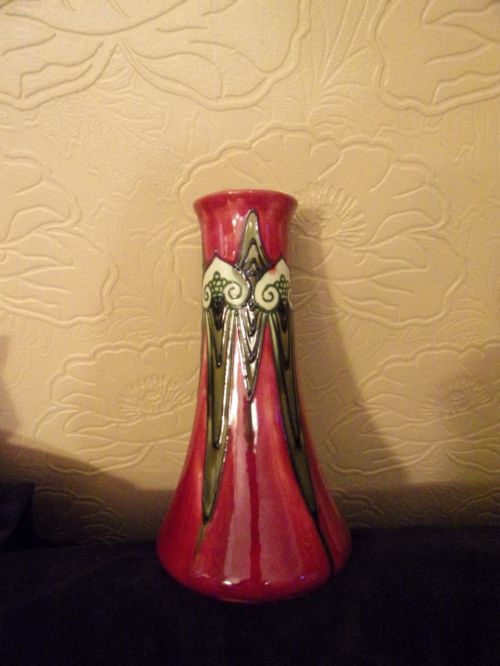
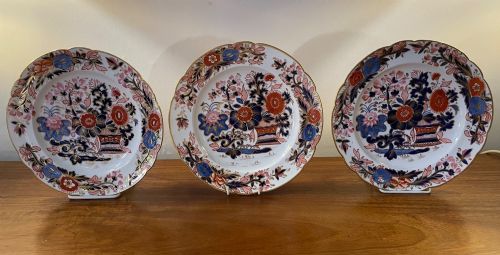
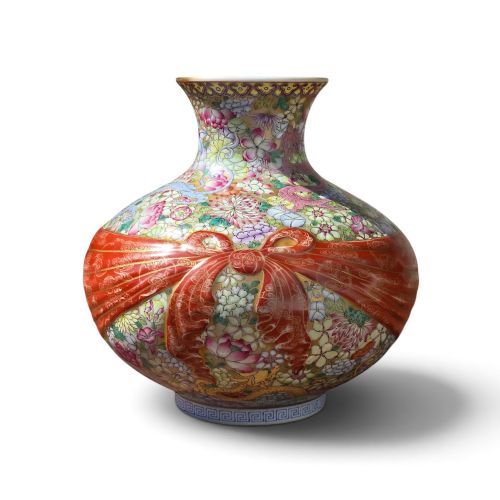
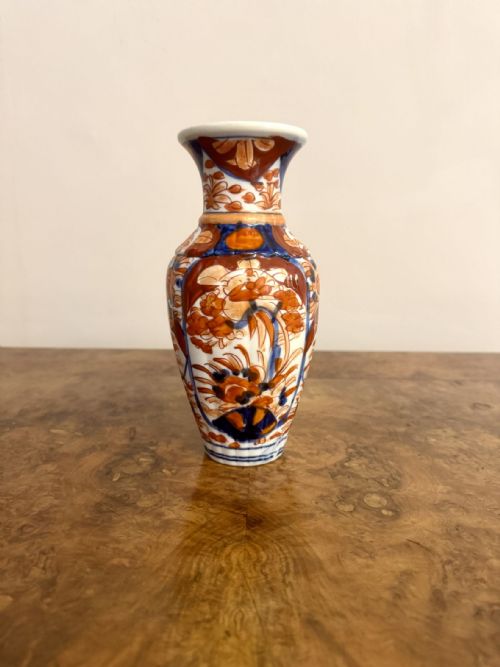
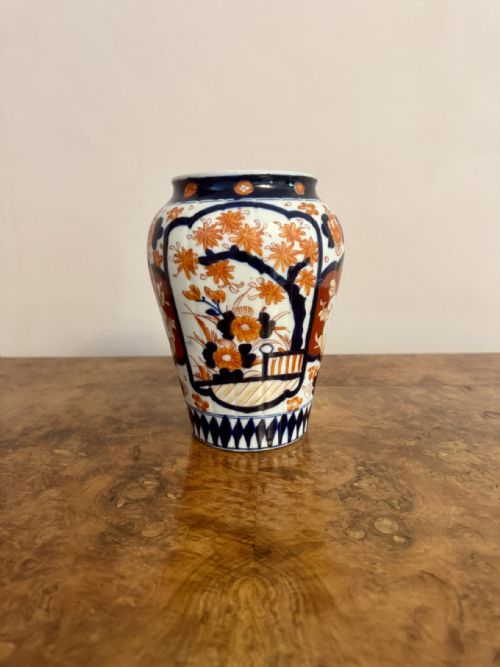
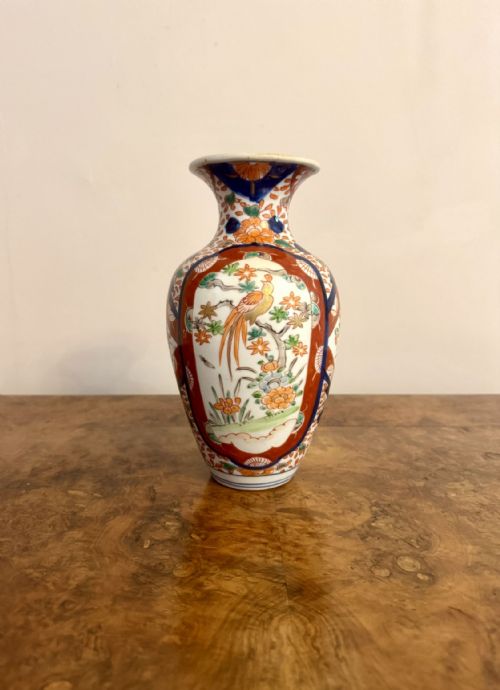
Red floral pottery encompasses a diverse selection of ceramic objects featuring prominent red botanical and floral decorative schemes. When searching for red floral pottery, buyers encounter items ranging from early nineteenth-century Staffordshire wares to Japanese Imari porcelain and Edwardian tube-lined earthenware.
The most common pieces on this page are Japanese Imari vases and plates dating around nineteen hundred, alongside British earthenware jugs and plates. These objects display floral patterns executed in distinct red and iron-red palettes, often combined with gilt, enamel, or cobalt blue highlights.
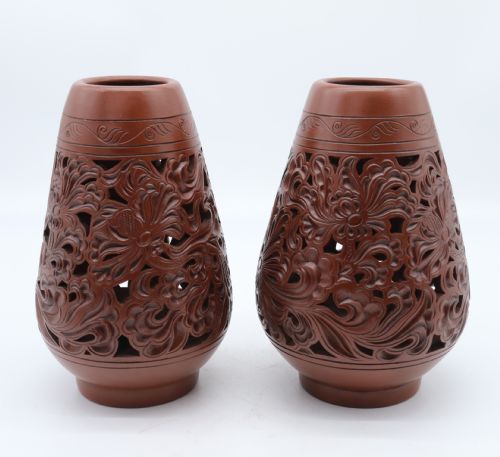
Objects span multiple eras, including eighteenth-century tripod bowls, nineteenth-century cabinet plates, and twentieth-century faience lamps. The forms include vases, decorative plates, bowls, and jugs created in various global traditions.
Materials and Techniques
Potters utilised earthenware, porcelain, and ironstone as base bodies, shaping them into vases, plates, jugs, and bowls. These ceramic bodies provided stable surfaces for complex hand-painted and glazed decorations.
Makers applied enamel, glaze, and gold leaf to achieve rich surface textures and vibrant colour schemes. Techniques such as tube-lining, cloisonné work, and hand-painting defined the distinct visual characteristics of these pieces across different periods.
Gaudy Welsh ceramics earned their robust name from working-class households who loved their unapologetically loud and cheerful colours.
Assessing Quality and Execution
Quality in these ceramics rests upon the precision of the hand-painted decoration and the clarity of the glaze. Finer examples display meticulous brushwork in the iron-red palette and well-defined botanical motifs without blurring or smudging.
The sophistication of the form and the crispness of moulded or tube-lined details distinguish superior pieces from standard production wares. Deft handling of gilding and enamel work elevates the visual presence of the object.
The Red Floral Pottery Glossary
- Imari palette
- A traditional Japanese decorative scheme utilising rich iron-red, cobalt blue, and gold on a white porcelain ground. This palette gained immense popularity in Europe and inspired numerous Western imitations.
- Earthenware
- A porous ceramic body fired at lower temperatures, commonly used for British jugs, plates, and mugs. It requires an impermeable glaze to hold liquids.
- Tube-lined
- A ceramic decoration technique where lines of clay slip are squeezed from a nozzle onto the surface to form raised outlines before glazing. This method creates a distinct tactile barrier between coloured enamel areas.
- Iron-red
- A rust-red metallic oxide pigment used extensively in Asian and European ceramics for floral and geometric detailing. It remains stable at high firing temperatures.
- Faience
- Tin-glazed earthenware decorated with opaque coloured enamels, often featuring vibrant hand-painted floral designs. The technique produces a smooth, glossy surface finish.
Red Floral Pottery: Frequently Asked Questions
What is red floral pottery?
Red floral pottery refers to ceramic objects decorated with plant and flower motifs rendered primarily in red or iron-red pigments. The category includes porcelain, earthenware, and ironstone pieces from various global traditions.
These items range from functional vessels like jugs and mugs to decorative plates, bowls, and vases produced across multiple centuries.
How do I identify Japanese Imari?
Japanese Imari pieces typically feature a distinct colour combination of iron-red, cobalt blue, and gold leaf on porcelain. The motifs frequently incorporate floral and botanical elements arranged in balanced compositions.
Examining the paste, glaze pooling, and the execution of the red pigment helps distinguish period pieces from later reproductions.
Were these pieces used daily?
Many items, such as nineteenth-century Staffordshire plates, Gaudy Welsh mugs, and utility jugs, were made for domestic service and everyday household dining. Their robust earthenware and ironstone bodies handled regular use.
Other items, including large cabinet plates and decorative vases, served primarily as ornamental display pieces in period interiors.
How do I care for antique pottery?
Antique ceramics require gentle handling and should be washed by hand in lukewarm water without harsh detergents. Avoid soaking pieces with vulnerable overglaze enamels or gold leaf.
Keep delicate earthenware and porcelain away from direct sunlight and sudden temperature changes to protect the glaze and body.