






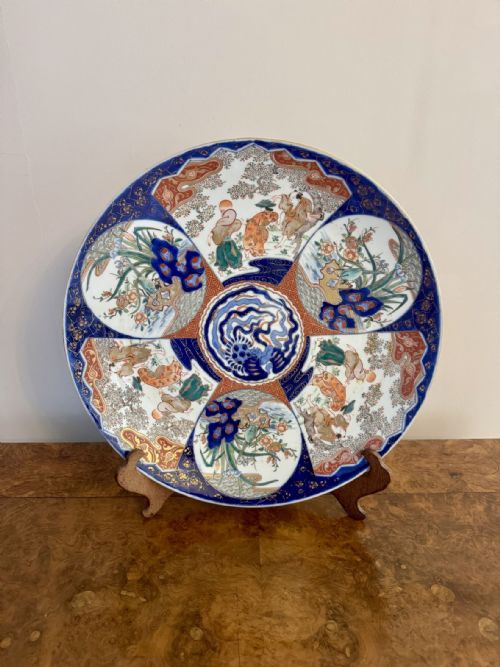

Red Cobalt Porcelain Plates
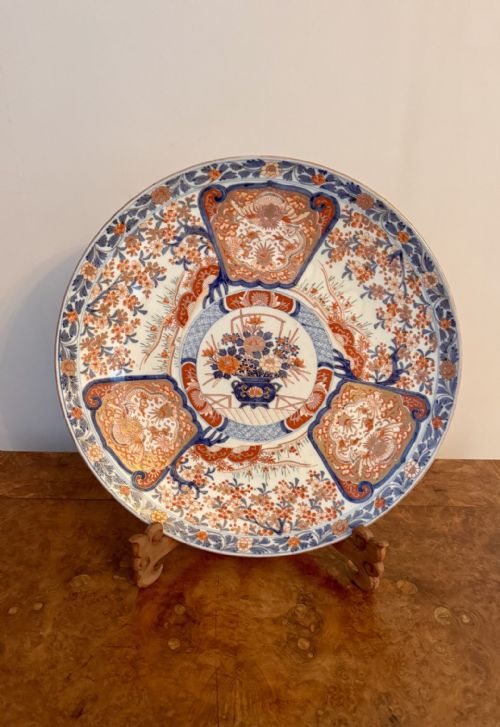
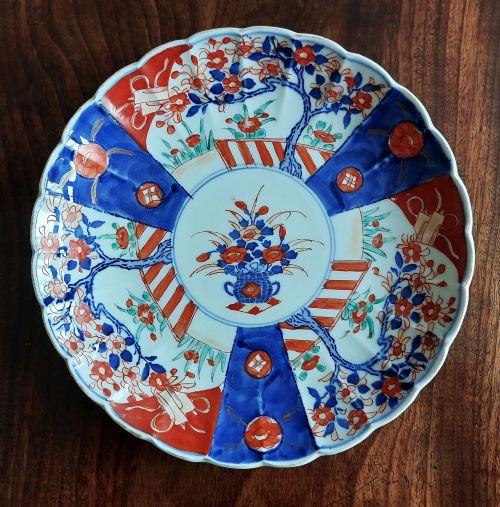
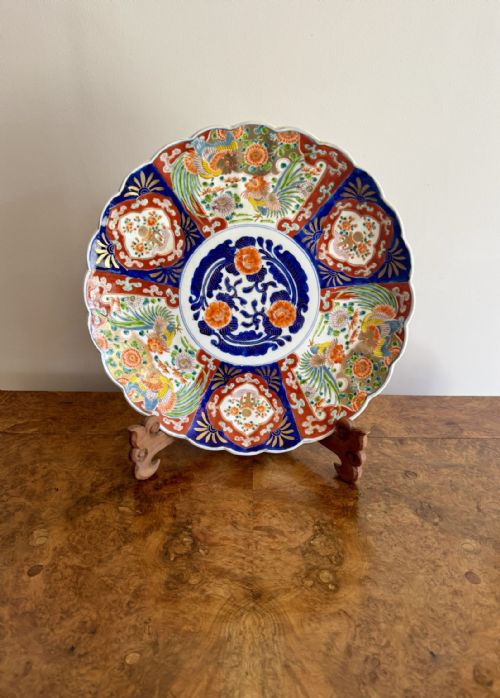
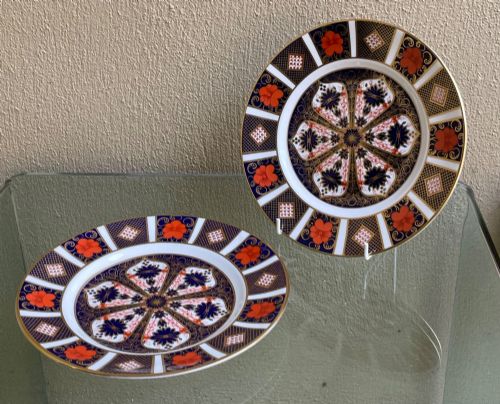
These red cobalt porcelain plates bring together rich iron red tones and deep underglaze blue, creating the striking palette collectors seek for display.
Red Cobalt Porcelain Plates
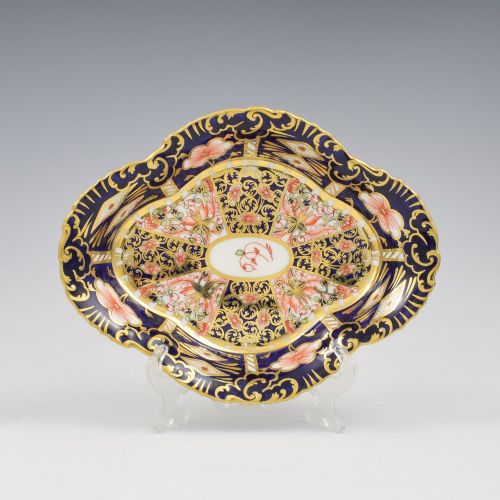
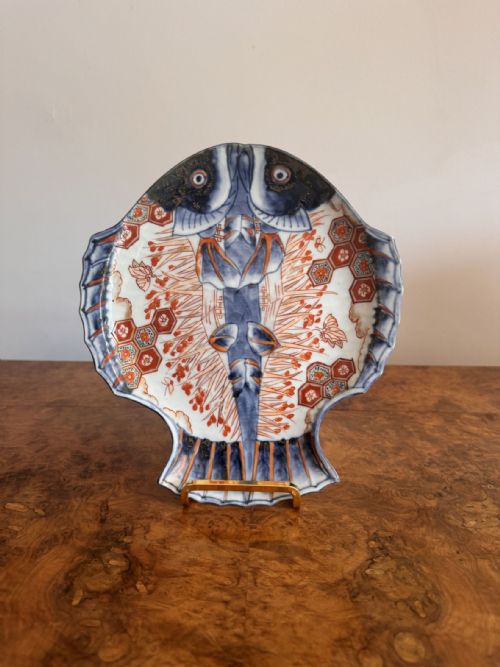
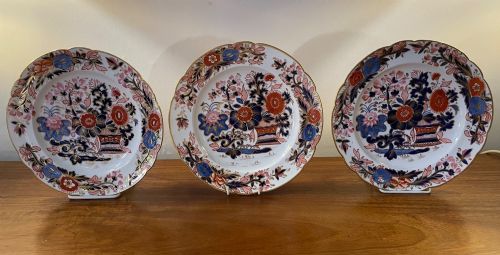
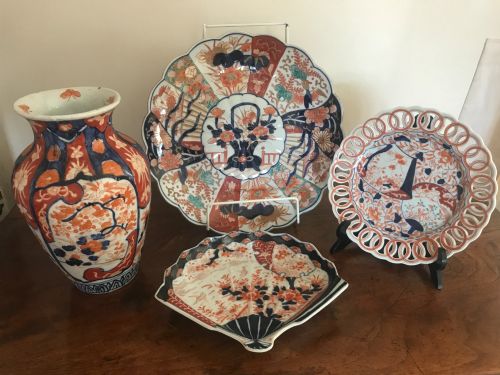
When you search for red cobalt porcelain plates, you encounter items predominantly created in the Japanese Imari style alongside nineteenth century English interpretations. The selection leans heavily toward decorative plates, large chargers, and scalloped display dishes originating from the Meiji period and the broader nineteenth century.
The form varies from standard round plates to unusual square, hexagonal, fish, ribbon, and shell shapes designed for visual impact. Most examples combine robust porcelain or ceramic bodies with elaborate painted surfaces suited for wall hanging or cabinet display.
How they were made
Potters built these pieces using ceramic and porcelain bodies, applying cobalt underglaze for the deep blue sections before firing. Artisans then added iron red enamel and gold leaf or gilt details in subsequent stages to achieve the characteristic multi-layered palette.
Hand painting defines the surface decoration, with skilled brushwork depicting exotic birds, traditional motifs, and figural scenes like the Seven Lucky Gods. Scalloped edges and complex geometric forms required careful shaping of the wet clay prior to initial kiln work.
Materials recorded across the selection include bone china, ceramic, and porcelain enhanced with enamel, glaze, gold leaf, and gilt.
What varies in quality
The distinction between standard examples and superior pieces rests in the precision of the hand painting and the crispness of the cobalt underglaze. Finer items display meticulous brush control in the complex Imari patterns and secure application of the accompanying gold leaf.
Unusual structural forms, such as hexagonal, square, or shell shaped plates, generally demand higher skill in the kiln and command closer attention from collectors. The depth of the glaze and the vibrancy of the enamel colours further separate ordinary tableware from exceptional decorative chargers.
Royal Crown Derby
The Red Cobalt Porcelain Plates Glossary
- Imari style
- A decorative scheme originating in Japan that uses a palette of deep cobalt blue, iron red, and gilt accents on a porcelain body.
- Cobalt underglaze
- A blue pigment applied to ceramic pieces before glazing and firing, which sinks into the body to create a permanent rich tone.
- Charger
- A large decorative plate intended primarily for display on a wall or sideboard rather than for serving food at table.
- Meiji Period
- A Japanese historical era spanning from 1868 to 1912 noted for prolific ceramic production exported to Western markets.
- Enamel
- Opaque vitreous material fused to the surface of fired porcelain during a secondary low temperature firing to add bold red and other colours.
Red Cobalt Porcelain Plates: Frequently Asked Questions
How do I hang a heavy charger plate?
Large decorative chargers require sturdy brass spring hangers that distribute the weight evenly across the rim without putting pressure on the porcelain body.
Ensure the wall fixing is secured directly into a stud or uses a proper wall anchor to support the substantial weight safely.
Can I use these plates for dining?
These historic pieces are intended for decorative display rather than daily culinary use, particularly due to delicate gilt and enamel surface details.
Using them for food risks damaging the antique painted glazes and the underlying ceramic material over time.
How do I date a Japanese Imari plate?
Dating relies on assessing the weight of the porcelain body, the depth of the cobalt underglaze, and the vibrancy of the iron red enamel.
Pieces marked with Meiji period characteristics often display finer brushwork and distinct potting techniques compared to later twentieth century items.
How should I clean antique porcelain?
Dust the surface gently with a soft, dry brush to remove particles without abrading the delicate gold leaf or enamel painted sections.
Avoid soaking the piece in water or using harsh chemical detergents that can degrade the historic glaze and pigments.