






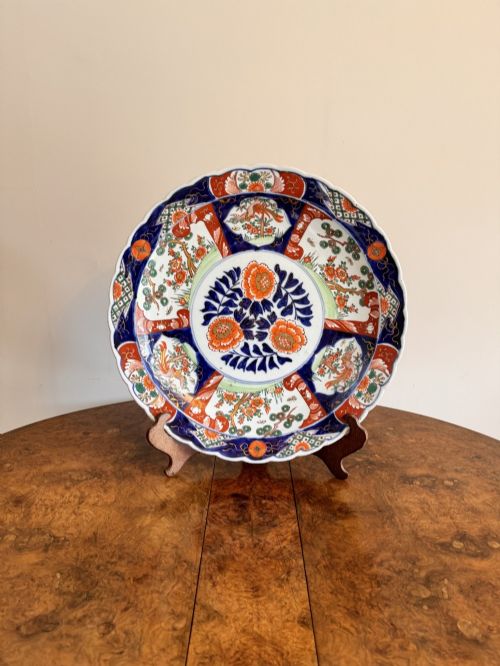
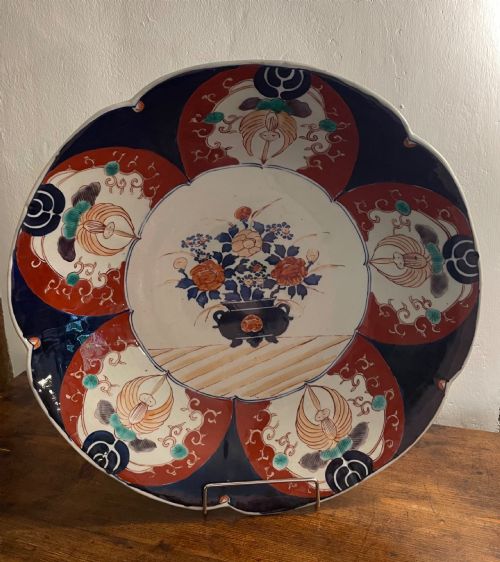
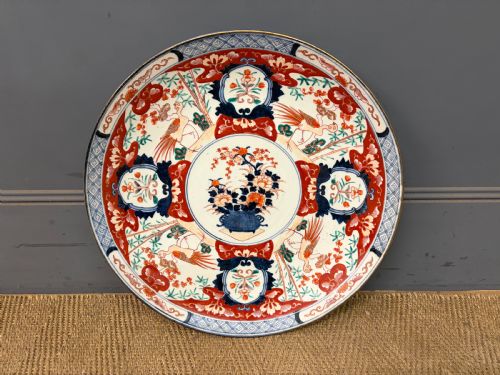
Red Cobalt Porcelain Dish
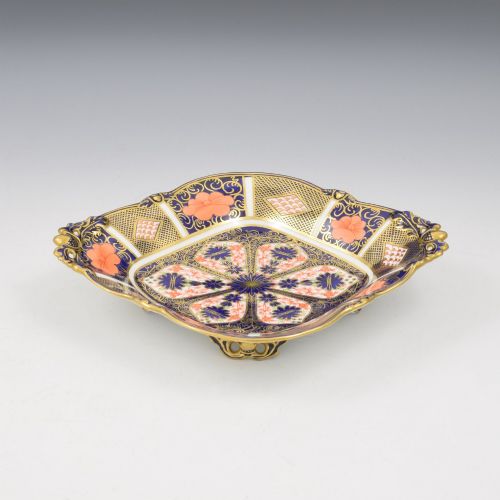
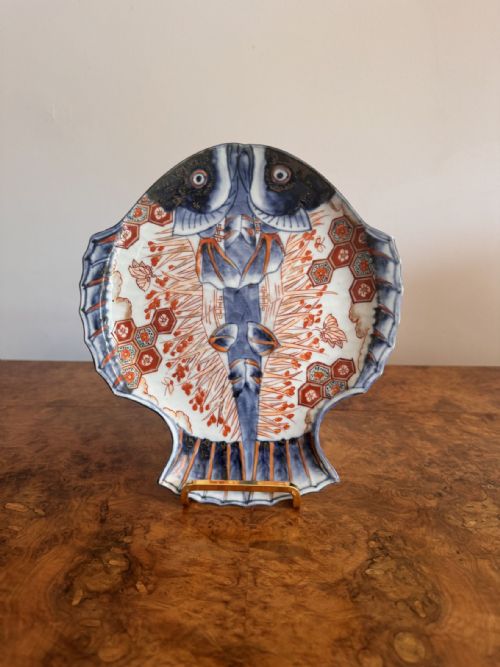
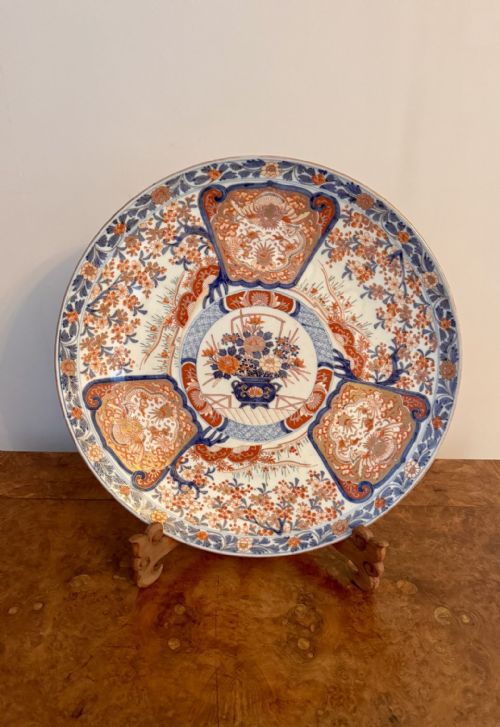
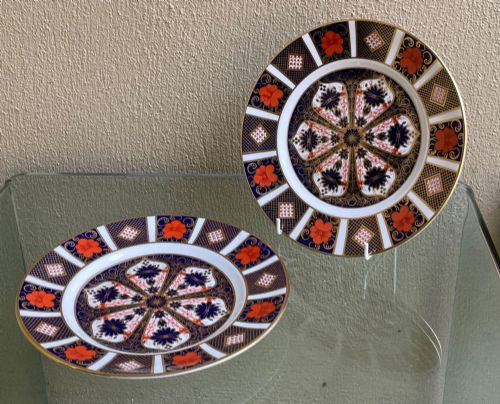
These red cobalt porcelain dish items bring together rich traditional palettes and diverse forms for decorative display.
Red Cobalt Porcelain Dish
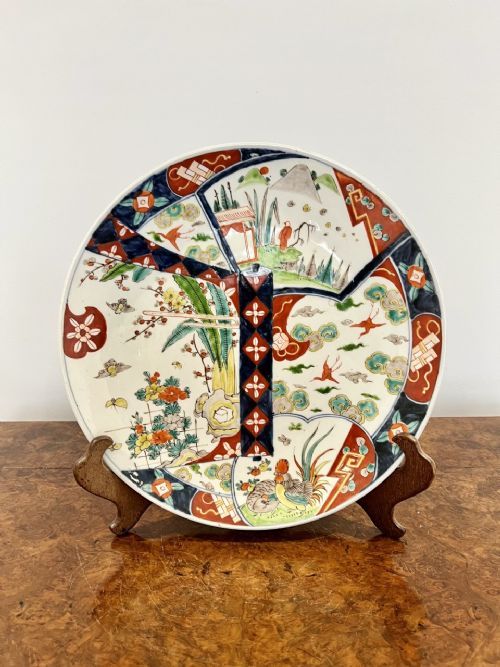
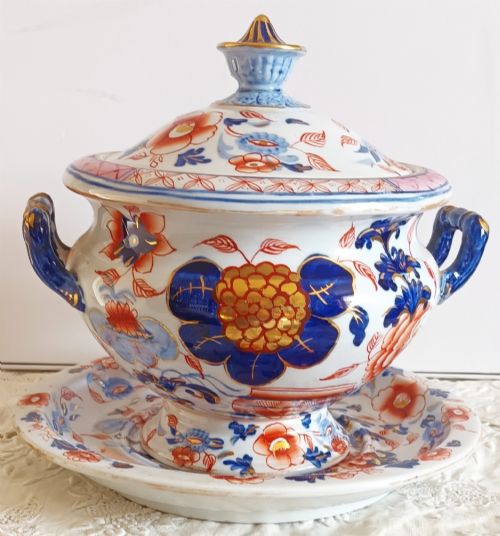
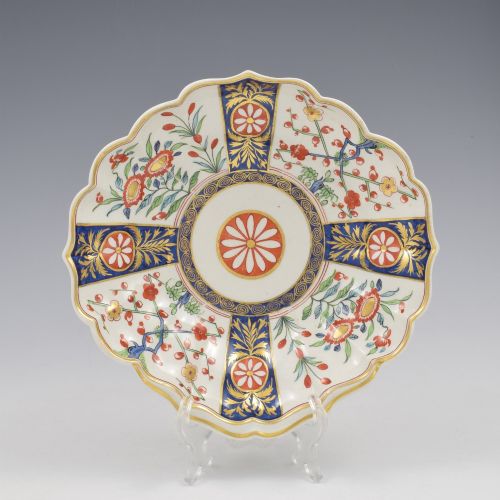
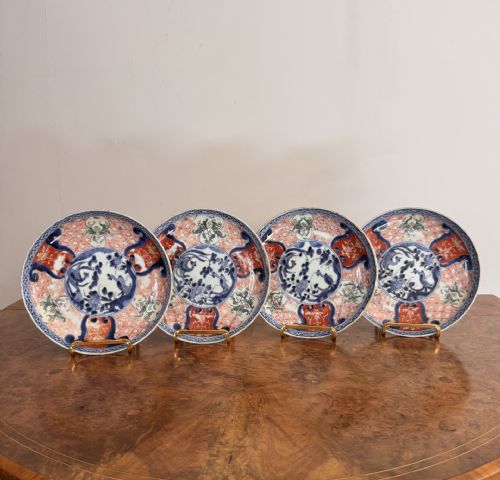
A red cobalt porcelain dish draws the eye through a vibrant palette that bridges deep blues and fiery reds. When exploring this selection, buyers encounter decorative plates, chargers, serving dishes, and bowls produced across multiple centuries.
The majority of items encountered on this page stem from Japanese Imari traditions, particularly the Meiji period and the broader nineteenth century. Alongside these, English makers from the Georgian and later eras contribute comparable designs.
Forms vary considerably, ranging from standard round plates to leaf-shaped dishes, fish-shaped platters, hexagonal plates, and deep lobed serving trays. These items function primarily as decorative display pieces or specialised serving vessels.
Materials and technique
Production relies heavily on porcelain, bone china, and ceramic bodies shaped into plates, bowls, and chargers. Artisans applied underglaze cobalt blue alongside iron red enamel to achieve the characteristic rich coloration.
Many examples incorporate gold leaf, gilding, and intricate glaze work to highlight specific motifs and edges. Pierced elements and scalloped edges required careful manual shaping before firing.
Red Cobalt Porcelain Dish Retail Price Guide 2026
Typical asking prices for red cobalt porcelain dish among the pieces listed under this phrase on Sellingantiques today, from the lower quarter to the upper quarter. They describe what is for sale here now, not the wider market.
Listings feature items spanning the eighteenth, nineteenth, and twentieth centuries, utilising porcelain, bone china, glaze, and gold leaf.
Assessing quality
Quality rests upon the crispness of the painted cobalt and enamel details, the precision of the porcelain body, and the complexity of the form. Pieces featuring specialised shapes like fish or leaves demonstrate superior ceramic mastery.
The preservation of applied gilding and enamel vibrancy over centuries distinguishes finer examples from heavily worn specimens. Standard round plates appear frequently, whereas intricate shaped chargers and pierced serving trays represent higher tier production.
Dr Wall Worcester·Royal Crown Derby
The Red Cobalt Porcelain Dish Glossary
- Imari
- A style of Japanese export porcelain characterised by a distinctive palette of underglaze blue, iron red, and gilt. It originated in Arita and gained immense popularity across Europe.
- Charger
- A large decorative plate or platter utilised mainly for display on walls or tables rather than everyday dining. These substantial pieces often showcase the most elaborate painted compositions.
- Comport
- A raised footed dish or bowl designed for serving fruit or sweets during formal dining. In ironstone and porcelain, these elevate the display surface above the table.
- Meiji Period
- The era of Japanese history spanning from 1868 to 1912, noted for prolific porcelain production aimed at international export markets. Pieces from this era often feature complex avian and floral motifs.
Red Cobalt Porcelain Dish: Frequently Asked Questions
What is a red cobalt porcelain dish used for?
These pieces function primarily as decorative display items, serving dishes, or chargers placed upon walls, tables, and cabinets. Their vibrant coloration makes them focal points in traditional and eclectic interior settings.
While some smaller bowls and plates can handle light serving duties, most owners preserve them as ornamental works of art due to their age and delicate painted surfaces.
How do I care for antique Imari porcelain?
Gentle handling and hand washing in lukewarm water with mild soap ensure the preservation of delicate enamel and gilding. Harsh detergents and modern dishwashers damage the historic surface decorations.
Display these items away from direct sunlight to maintain the vibrancy of the red enamel and gold leaf over time.
How do I distinguish Japanese Imari from English Imari?
Japanese Imari typically dates to the Meiji period or earlier, utilising specific clay bodies and traditional export motifs like exotic birds and floral panels. The blues tend to be deep and the iron reds pronounced.
English interpretations, such as those by Royal Crown Derby or Georgian ironstone makers, adapt the palette onto local porcelain and ceramic bodies with distinct pattern numbers.
What periods do these porcelain dishes come from?
The listings span several centuries, with a heavy concentration of Japanese pieces originating in the late nineteenth century and the Meiji period. Earlier examples stretch back to the eighteenth century through English factories.
Occasional pieces from the mid-twentieth century also appear, demonstrating the enduring legacy of traditional Imari patterns across generations.