




Red Blue Ceramic Plate
These red blue ceramic plate examples bring together centuries of export and domestic traditions, offering bold colour and intricate hand-painted detail for display.
Red Blue Ceramic Plate
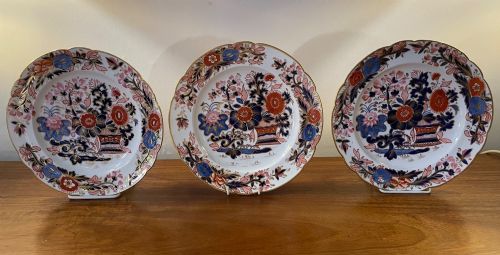
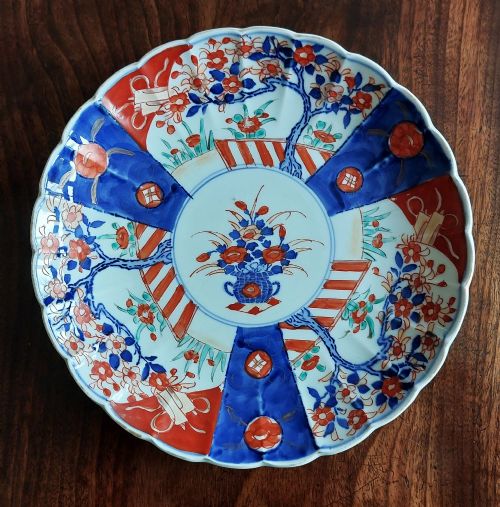
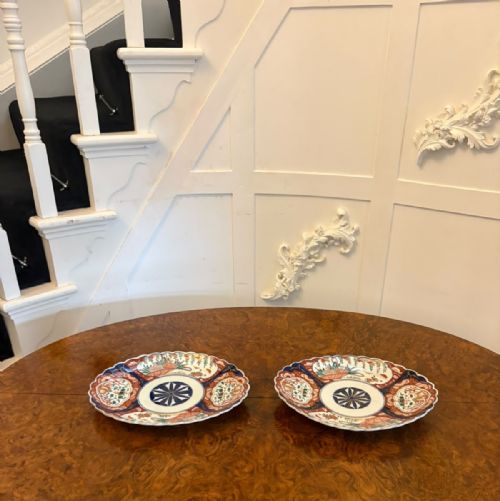
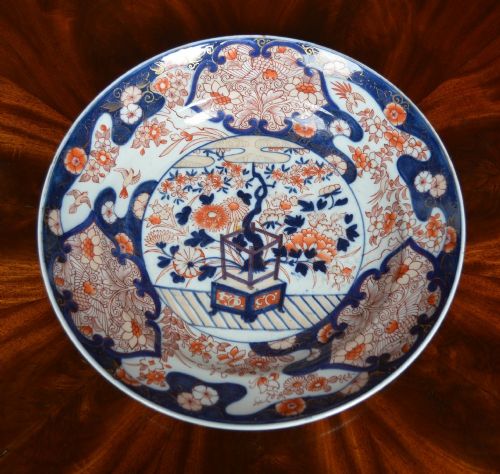
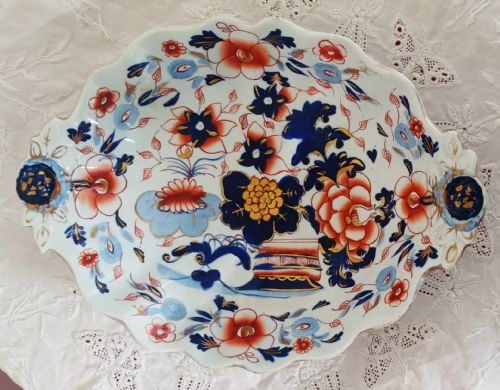
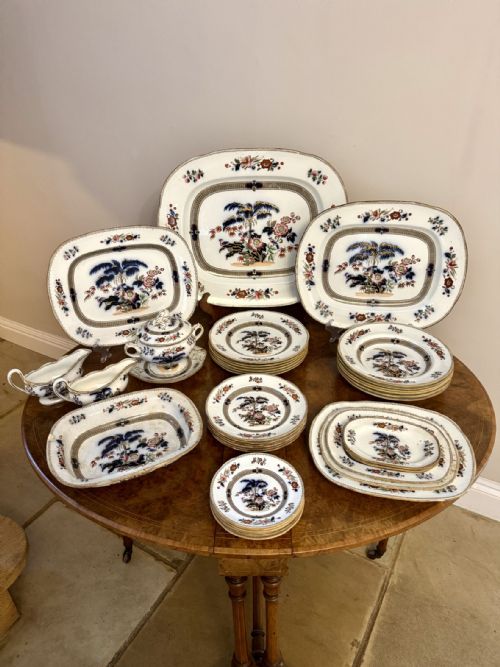
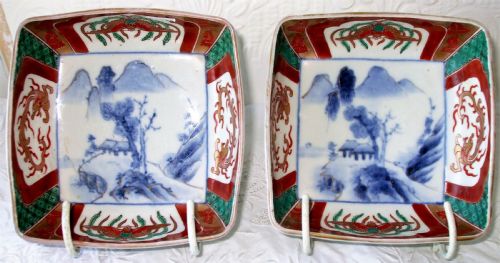
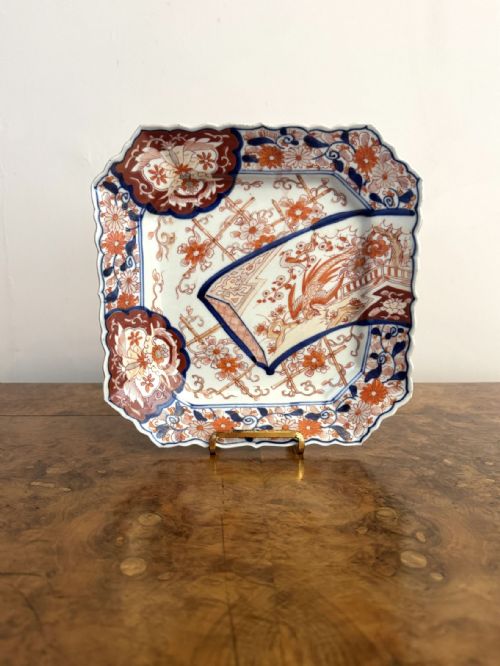
When searching for a red blue ceramic plate, buyers encounter a rich mix of Eastern export wares and domestic British interpretations spanning several centuries. The selection leans heavily towards Japanese Imari porcelain chargers and dishes from the Meiji period, alongside eighteenth-century Chinese export pieces and early English earthenware.
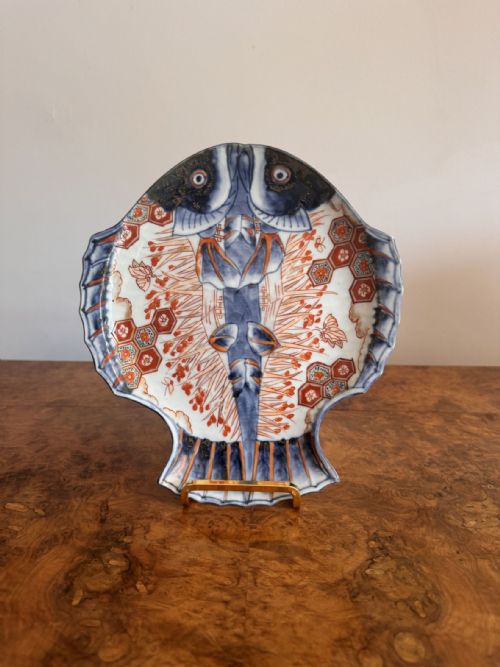
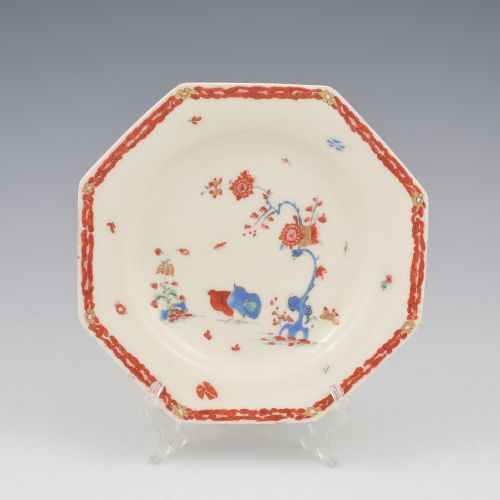
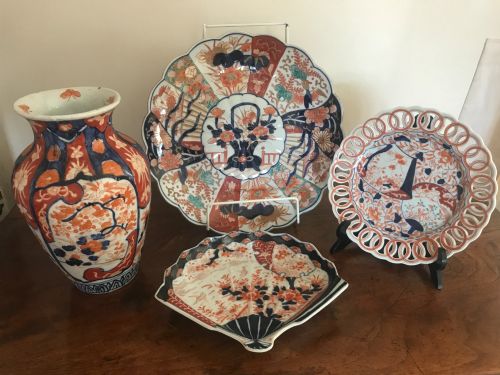
Forms range from standard round plates and scalloped dishes to octagonal shapes, oval platters, and even pieces moulded in the form of a fish. These items served both functional dining purposes and decorative display, often featuring rich ironstone bodies or delicate porcelain.
Origin points vary from Arita kilns in Japan to Staffordshire potteries in England, demonstrating how deeply the distinct palette influenced global ceramics. Buyers find everything from intimate individual dishes to large wall chargers intended to command attention in a room.
How They Were Made
Potters shaped porcelain, earthenware, or ironstone bodies by hand or in moulds before applying underglaze cobalt blue and iron-red enamel pigments. Many examples incorporate supplementary details in gold leaf, gilt, or gilding to highlight the painted motifs.
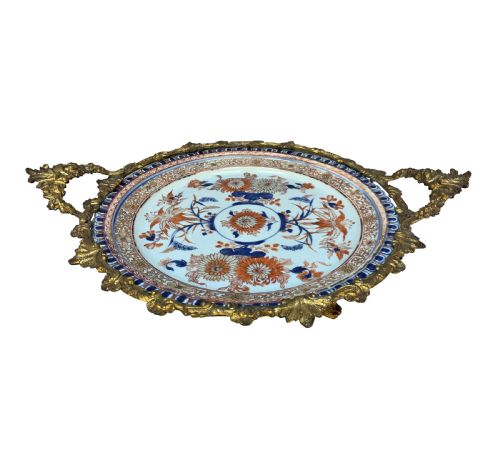
Firing ceramic wares required precise kiln temperatures to fuse the mineral glazes and enamel colours properly onto the surface. Certain decorative plates received additional embellishments such as ormolu mounts to elevate their status for European drawing rooms.
Listings span periods from the eighteenth century through the Meiji era, incorporating porcelain, earthenware, and ironstone.
What Varies in Quality
Quality rests primarily in the crispness and complexity of the hand-painted brushwork across the surface. Superior pieces exhibit precise control in the cobalt blue underglaze and rich, well-preserved iron-red and gilt details that remain vibrant.
The choice of body material and the finesse of the moulding also distinguish standard items from exceptional ones. Weight, translucency in the porcelain, and the uniformity of scalloped or shaped edges indicate the skill of the original workshop.
The Red Blue Ceramic Plate Glossary
- Imari
- A style of Japanese porcelain originating from Arita, traditionally decorated in underglaze blue, iron red, and gold. It became immensely popular across Europe during the export trade.
- Meiji Period
- The era in Japanese history spanning from 1868 to 1912, known for prolific ceramic production aimed at international markets. Pieces from this time often feature elaborate bird and floral motifs.
- Ironstone
- A type of durable heavy earthenware developed in nineteenth-century England as a robust alternative to porcelain. It readily accepted transfer-printed and hand-painted patterns.
- Gilding
- The application of gold leaf or powdered gold onto the ceramic surface, usually added as a final touch over the glaze. It highlights specific borders and motifs.
- Charger
- A large decorative plate or dish intended primarily for display on a wall or sideboard rather than daily dining use. These items often showcase the finest painted designs of their maker.
Red Blue Ceramic Plate: Frequently Asked Questions
How do I hang a heavy charger safely?
Large decorative chargers require specialised spring-loaded brass wall hangers that distribute the weight evenly across the rim. Ensure the fixing enters solid masonry or uses a proper wall anchor rather than relying on standard plaster hooks.
Position the display away from heavy foot traffic or doors where vibrations might cause the piece to shift. Check the tension of the springs periodically to maintain a secure grip on the ceramic edge.
Can I use these antique plates for dining?
Most antique decorative plates and chargers are best reserved for display due to age-related wear on the enamel and gilding. Enamels applied over the glaze can be sensitive to modern detergents and cutlery marks.
Gentle hand washing in lukewarm water with mild soap suits pieces sturdy enough for occasional use. Avoid dishwashers and microwaves entirely to protect the historic glazes and metallic highlights.
What does the Imari palette consist of?
The traditional Imari palette relies on a striking combination of underglaze cobalt blue and iron red, frequently accented with gilding. Secondary colours like green or yellow occasionally appear in smaller quantities to enrich floral designs.
This high-contrast scheme was designed to catch the eye across a room, making it popular for export wares. The balance between the deep blue and the warm red defines the aesthetic of the style.