


Underglaze Blue Red Plate
Underglaze blue red plate selections bring together porcelain decorated with cobalt pigment and iron red enamel, offering striking contrast for collectors.
Underglaze Blue Red Plate
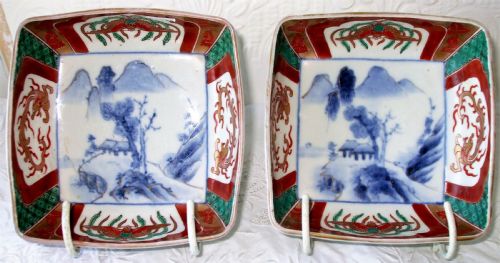
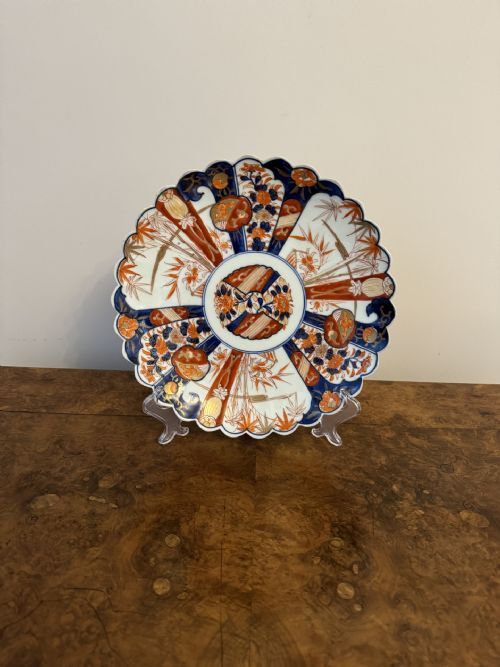
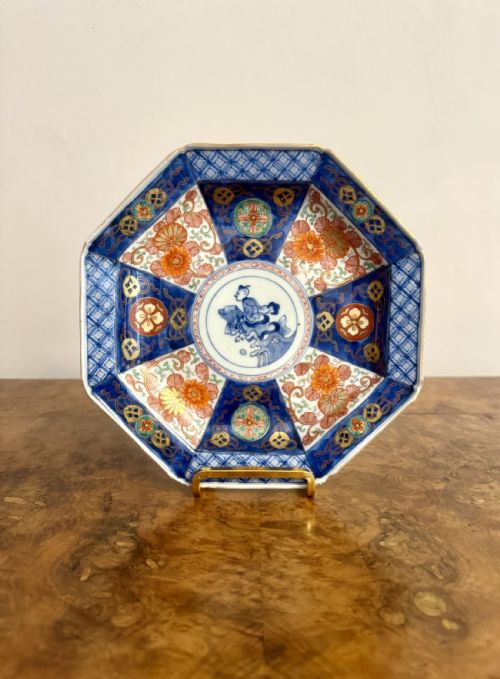
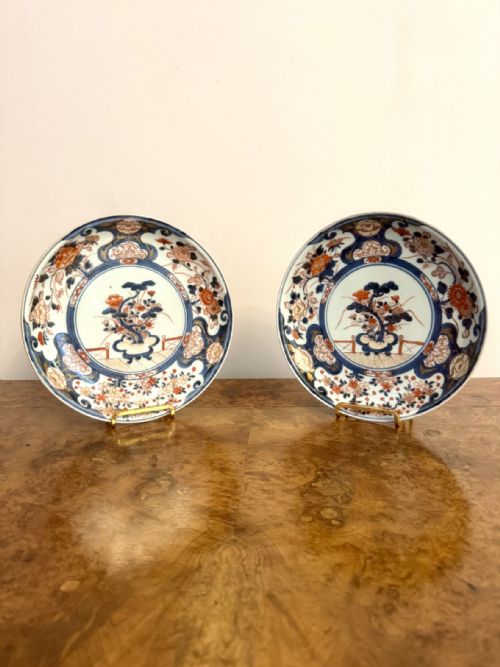
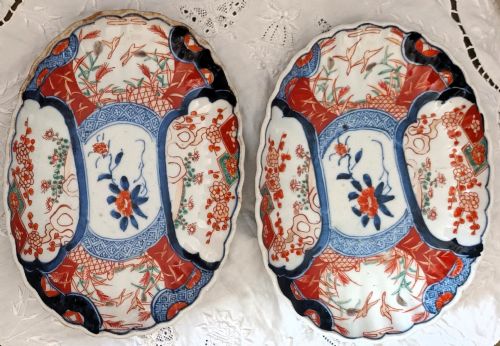
An underglaze blue red plate typically showcases traditional Asian ceramics from the eighteenth, nineteenth, and early twentieth centuries. These pieces display distinct decorative patterns developed across Japanese Imari and Chinese export traditions, taking forms such as circular dishes, chargers, and scalloped edges.
The version most commonly met on this page is the Japanese Imari plate originating from the Meiji period or around nineteen hundred. Buyers also encounter Chinese export pieces dating back to the eighteenth century during the Qing Dynasty.
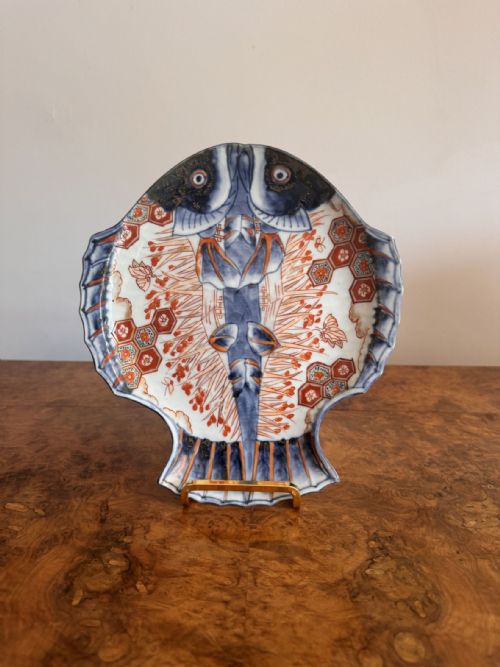
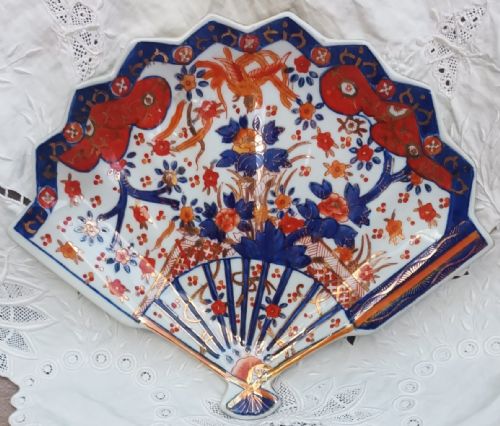
Makers shaped these items into fish forms, hexagons, and large chargers alongside standard round plates. The selection spans single decorative dishes and matched sets of varying scale.
Materials and construction methods
Potters formed each underglaze blue red plate using ceramic and porcelain bodies before applying cobalt blue pigment beneath the clear glaze. Artisans then fired the pieces at high temperatures to set the durable blue underglaze decoration.
Following the initial firing, decorators added iron red enamel and gold leaf or gilt details directly over the glaze for a second, lower temperature fix. This combination of underglaze cobalt and overglaze iron red enamel defines the palette of these historic wares.
Distinctions in quality and execution
The execution of the painted motifs separates standard production from superior examples. Finely painted cobalt lines paired with crisp iron red enamel and intact gold leaf demonstrate superior workshop skill.
Form and moulding also dictate the tier of a piece. Unusual shapes, such as scalloped edges, hexagonal geometries, or fish silhouettes, require greater skill from the potter than simple circular platters.
The Underglaze Blue Red Plate Glossary
- Underglaze
- Decoration applied to ceramic body before the transparent glaze is added and fired. This technique protects the pigment beneath a glassy surface.
- Imari
- Style of Japanese porcelain originating from Arita and exported through the port of Imari. It typically combines cobalt blue, iron red enamel, and gold.
- Meiji Period
- Era in Japanese history lasting from eighteen sixty-eight to nineteen twelve. Pieces from this time demonstrate refined export porcelain techniques.
- Charger
- Large decorative plate designed for display rather than dining use. These substantial pieces provide a wider canvas for complex polychrome designs.
Underglaze Blue Red Plate: Frequently Asked Questions
How do I display a charger safely?
Use sturdy plate hangers designed to support the specific weight of porcelain chargers without placing stress on the rim.
Position wall displays away from direct sunlight and heavy foot traffic to protect the glaze and enamel surface.
Can I use these plates for serving food?
Historic porcelain pieces from the eighteenth and nineteenth centuries are best reserved for display and decorative collections rather than daily dining.
Overglaze iron red enamel and gold leaf can wear down with repeated washing and cutlery contact.
What does underglaze blue mean?
Underglaze blue refers to cobalt pigment painted directly onto the unglazed clay body before the glaze is applied.
The piece is then fired once so the glaze melts over the blue pigment, locking the colour permanently beneath the surface.