



Vintage Asian Export Porcelain
Vintage asian export porcelain comprises decorative plates, vases, bowls, and figures made for overseas markets, offering intricate painted motifs that anchor a traditional interior.
Vintage Asian Export Porcelain
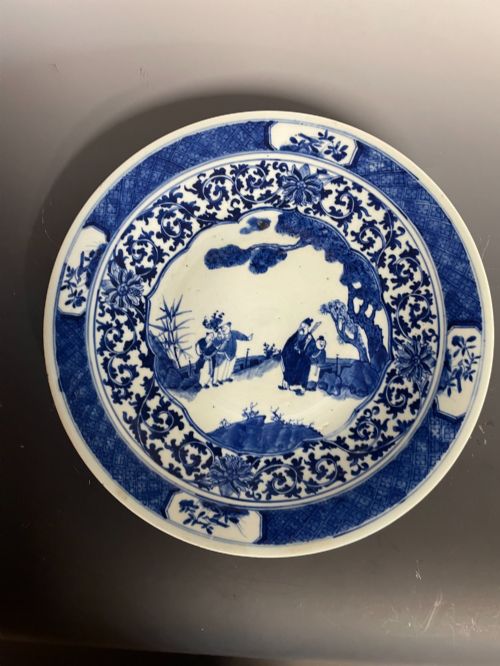
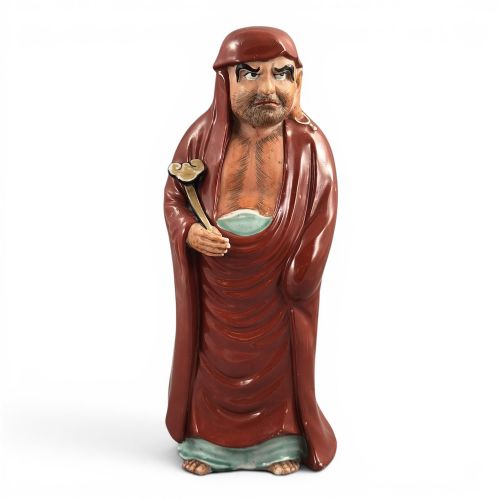
Vintage asian export porcelain encompasses decorative items created in China and Japan for international buyers across the nineteenth and early twentieth centuries. These pieces span utility and display forms, ranging from everyday tableware to large decorative chargers and figural okimono.
Originating from long traditions of ceramic production, these export pieces reveal the stylistic exchange between Eastern kilns and Western tastes. Collectors find examples reflecting specific periods such as the Meiji era and Qing dynasty alongside late nineteenth century items.
How vintage asian export porcelain was made
Potters shaped these objects primarily from porcelain and earthenware, applying cobalt underglaze, enamel, and glaze to seal the body before secondary firing. Many surfaces received additional enrichment through gold leaf and gilding to highlight specific design elements.
Painters executed detailed scenes by hand across surfaces like bowls, plates, and vases, often combining traditional cobalt blue with dense overglaze enamels. Specific forms, such as vases, occasionally incorporated brass mounts for structural or decorative reinforcement.
Listings feature porcelain, earthenware, enamel, gold leaf, and cobalt underglaze across nineteenth and twentieth century periods.
What varies in quality in vintage asian export porcelain
Quality rests in the precision of the hand painting, the complexity of the enamel work, and the crispness of the porcelain body. Finer examples display meticulous brushwork and balanced compositions, while lesser pieces show hurried execution.
The presence of signature marks, careful gilding, and intact brass mounts elevates certain items above standard production ware. Condition also plays a role, as intact glazes and minimal wear preserve the visual integrity of the original design.
Hattori·Taniguchi
The Vintage Asian Export Porcelain Glossary
- Imari
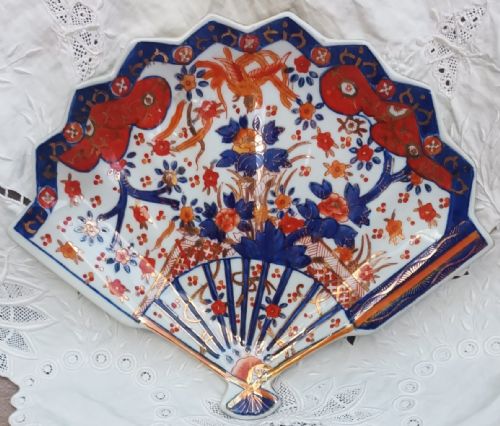
- A style of Japanese porcelain featuring a distinct palette of underglaze blue, iron red, and gilt. It originated in Arita and gained immense popularity in Western export markets during the nineteenth century.
- Satsuma
- A type of earthenware from Japan characterised by a crackled ivory glaze and elaborate polychrome and gilt decoration. These pieces often depict figures and natural scenes.
- Okimono
- A Japanese freestanding decorative figurine designed for display on a shelf or in a tokonoma alcove. They frequently portray historical figures, deities, or subjects from folklore.
- Kutani
- Japanese porcelain known for its bold pictorial designs and rich enamel colours, particularly green, yellow, purple, and red. Production centres around Ishikawa Prefecture.
Vintage Asian Export Porcelain: Frequently Asked Questions
What is Satsuma ware?
Satsuma ware consists of earthenware bodies covered in a characteristic creamy, crackled glaze that provides a pale background for detailed overglaze painting and gilding. These pieces often include elaborate figural scenes and floral motifs.
Collectors encounter vases, tea sets, and decorative items produced across the Meiji period and into the early twentieth century.
Are these pieces suitable for daily use?
While these ceramics were originally functional objects, vintage export porcelain is generally treated as decorative art today. Hand-painted enamels and delicate gilding can wear away with frequent washing and heavy use.
Displaying them on stands or in cabinets protects the fragile glaze and preserves the painted details for the future.
How can I tell the period of a piece?
Dating relies on observing stylistic markers, such as the specific palette of enamel colours, the form of the ceramic body, and any associated signatures or reign marks. Victorian and Edwardian export pieces often reflect the tastes of contemporary British interiors.
Comparing the painting technique and material weight against known examples from the nineteenth century helps narrow down the production era.