



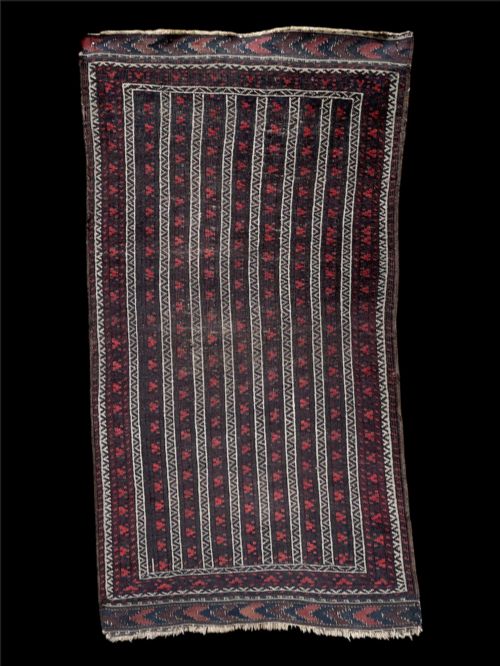


Red Baluch Carpet
A red baluch carpet brings deep tribal character to a room through rich wool work and enduring nomadic designs.
Red Baluch Carpet
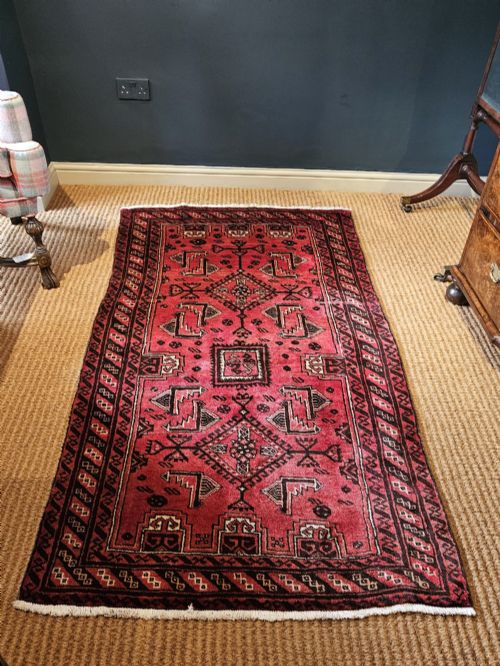
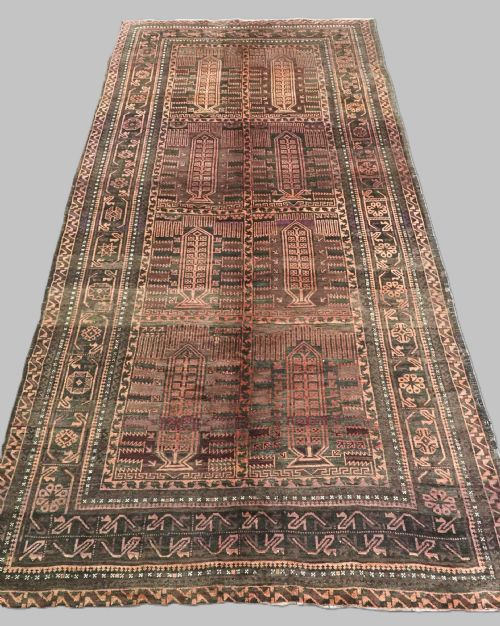
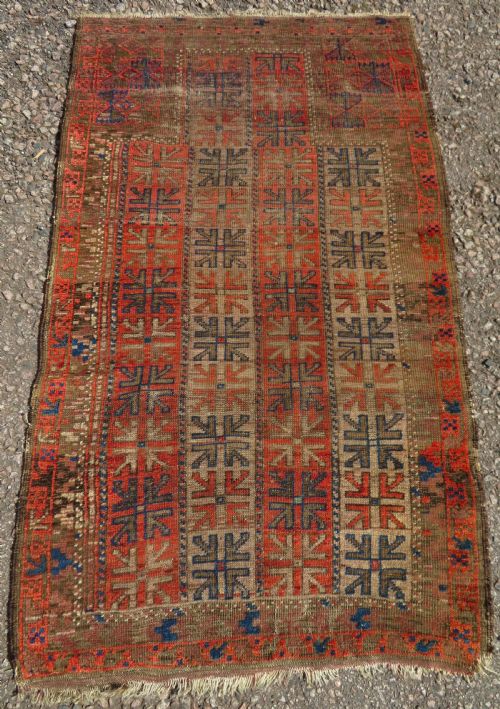
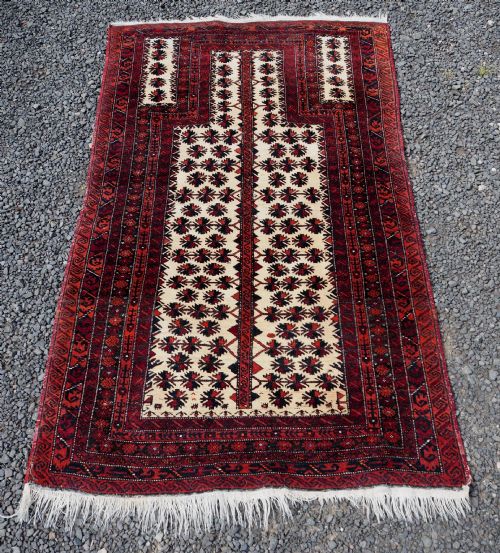
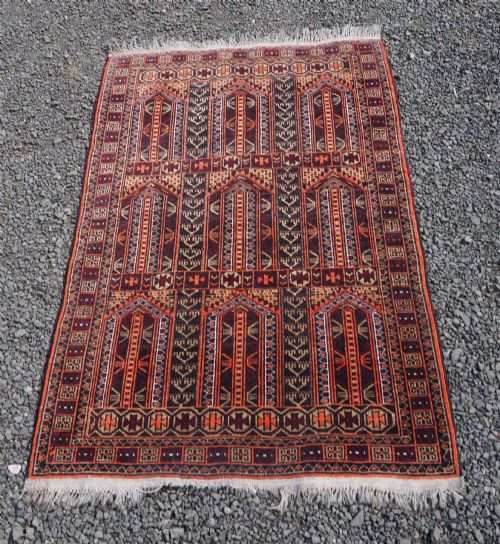
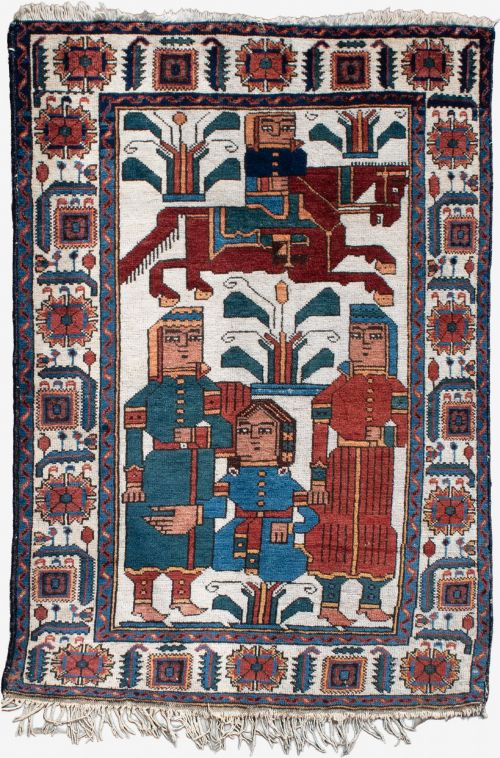
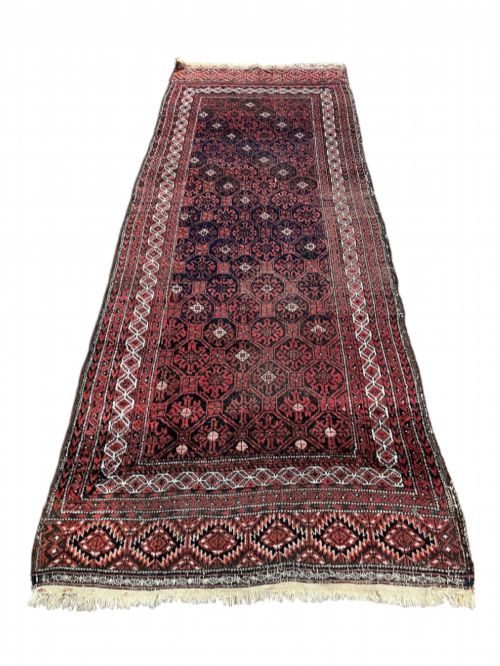
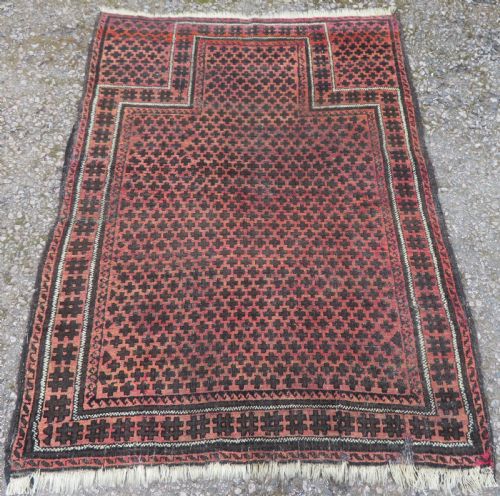
A red baluch carpet represents traditional tribal weaving created across regions like Afghanistan and Persia. These pieces include prayer rugs, runners, main carpets, and flatweaves featuring distinct motifs such as mihrabs and pencil box patterns.
The versions most commonly met on this page date from the late nineteenth century through to the early decades of the twentieth century. They showcase village and nomadic artistry through rich reds, deep browns, and intricate geometric styling.
What varies in quality
The fineness of the weave and the clarity of the tribal motifs dictate the standing of an individual piece. Finer knotting allows intricate patterns like the mina khani or kalam donneh design to appear sharper and more defined.
The vibrancy and condition of the natural dyes significantly affect visual appeal. Examples retaining rich, saturated red grounds alongside intact original selvedges and ends represent the stronger tier of survival.
Current listings span periods from the nineteenth century up to the 1930s, featuring wool, cotton, and camel hair.
The Red Baluch Carpet Glossary
- Mihrab
- A niche design symbolising a prayer doorway, frequently found repeated in tribal prayer rugs.
- Sofreh
- A woven eating cloth or spread utilised for domestic communal dining within nomadic daily life.
- Kilim
- A flatweave textile produced without a pile by tightly interweaving warp and weft strands together.
- Kalam donneh
- A repeating pattern motif often described as a pencil box or shrub design in tribal carpets.
- Selvedge
- The reinforced side edges of a carpet that protect the main structure from fraying over time.
Red Baluch Carpet: Frequently Asked Questions
How are prayer rugs identified?
Prayer rugs feature a distinctive mihrab arch shape at one or both ends of the textile design. This architectural motif points the user toward Mecca during daily devotions.
Nomadic weavers incorporated these arches into compact formats suited for portable use. Double mihrab and multi-mihrab variations appear frequently across regional village outputs.
What is a sofrah?
A sofrah functions as a flatweave eating cloth or spreading textile used during meals by nomadic families. These pieces often lack a pile to ensure easy folding and maintenance.
They display utilitarian geometric bands and field patterns distinct from standard floor coverings. Collectors value them for their direct connection to domestic tribal customs.
Where were these carpets made?
These textiles originate from Baluch tribal groups spread across regions of Afghanistan, Western Afghanistan, and Persia. Nomadic and village communities produced them using locally sourced materials.
Distinct tribal subgroups like the Taimani, Timuri, and Mushwani infused their own local design variations into the weaving tradition.
How should antique rugs be cleaned?
Gentle surface brushing and careful vacuuming without a rotating beater bar help maintain the wool pile. Professional antique textile cleaning is recommended for deeper maintenance.
Avoiding excessive moisture and direct sunlight preserves the natural dyes and structural integrity of older fibres.