


Red and Gold Table
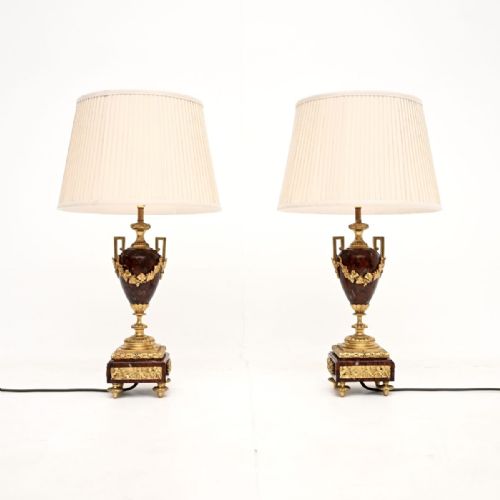
These red and gold table pieces bring striking colour and gilded warmth into a room, spanning console tables, side tables, and occasional forms.
Red and Gold Table
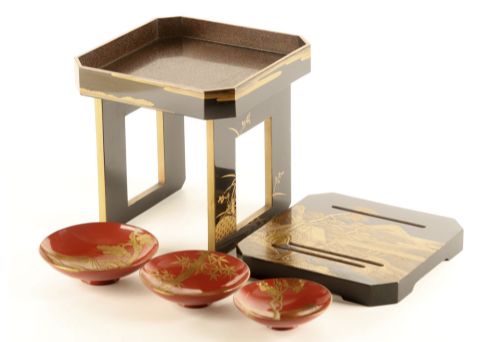
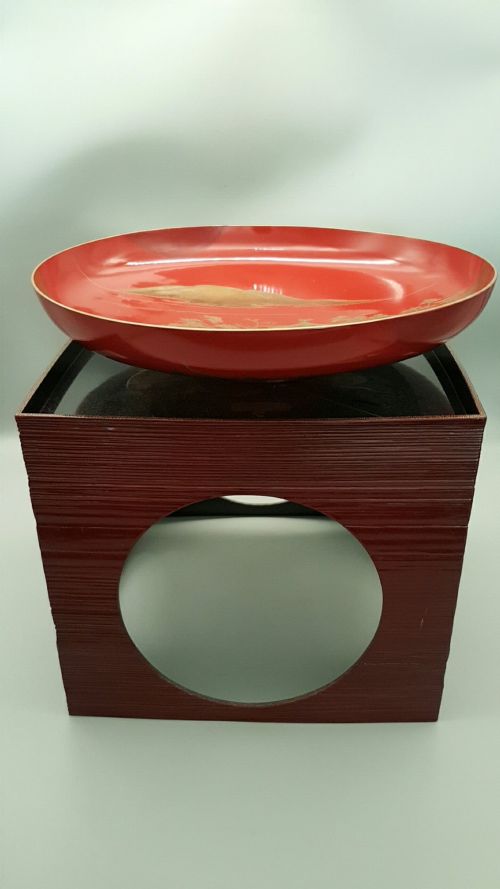
When you search for a red and gold table, you encounter diverse items ranging from Japanese sake tables to French console tables and Victorian occasional tables.
The selections span periods from the eighteenth century through the nineteenth century and into the early twentieth century, incorporating styles such as French Rococo, Regency, and Japanese Meiji.
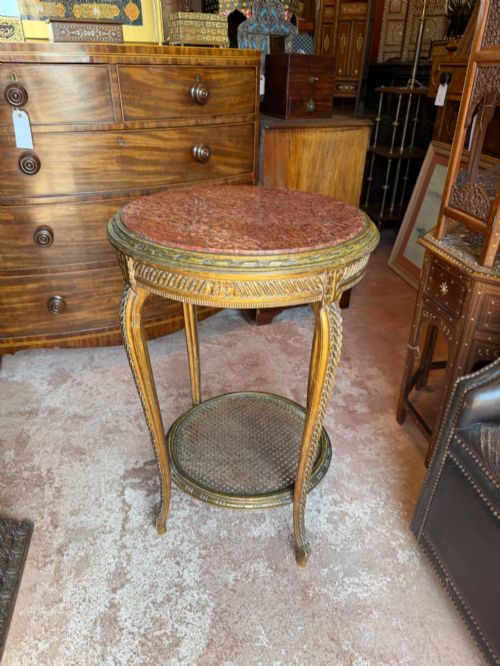
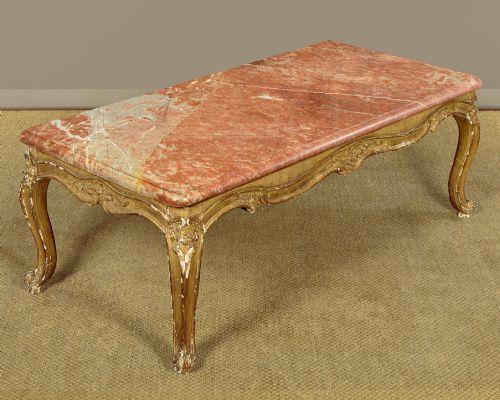
Forms include console tables, pier tables, coffee tables, and small side tables, often paired with marble tops, giltwood, or lacquer finishes.
Materials and construction methods
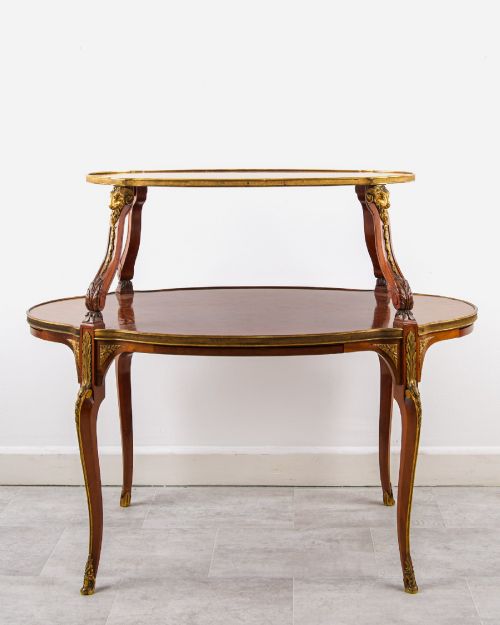
Craftsmen built these pieces using woods such as mahogany, rosewood, walnut, and plain timber, often applying gold leaf or gilding to carved giltwood and ormolu mounts.
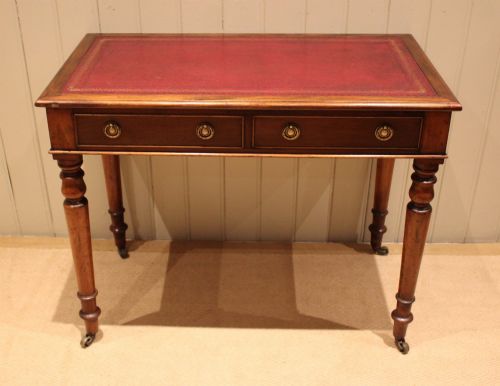
Surfaces feature marble tops, red velvet, leather, and lacquered finishes, while other examples incorporate brass, bronze, and glass elements.
Construction relies on traditional joinery paired with decorative painting, lacquer work, and metal casting for mounts and bases.
Materials appearing across the inventory include marble, giltwood, brass, leather, glass, ormolu, and gold leaf.
Distinctions in craftsmanship and finish
Quality reveals itself in the crispness of carved giltwood details, the weight and finish of ormolu mounts, and the depth of lacquer work on Japanese and Chinoiserie surfaces.
The selection of materials dictates the standard of the piece, particularly the quality of rouge marble tops, solid rosewood or plum pudding mahogany, and hand-applied gold leaf.
Execution of decorative elements, from carved foliage on console tables to fine joinery on writing desks, separates standard production from finer examples.
James Smith
The Red and Gold Table Glossary
- Giltwood
- Timber that has been coated with gold leaf or powder. This finish appears frequently on console tables and frames from the eighteenth and nineteenth centuries.
- Ormolu
- Gilded bronze used for decorative mounts and ornaments. French tables often utilise these cast metal details on legs and aprons.
- Console table
- A table designed to stand against a wall, frequently supported by two front legs and secured with wall brackets. Many feature marble tops and ornate carved frames.
- Meiji
- A period in Japanese history spanning from 1868 to 1912. Pieces from this era often feature lacquer work and gold decoration.
- Gueridon
- A small French table supported by one or more columns or figures. These occasional pieces date across the nineteenth century.
Red and Gold Table: Frequently Asked Questions
What is a console table?
A console table is a narrow table designed to stand flat against a wall, often featuring a decorative marble top. These pieces frequently serve as display surfaces in hallways or reception rooms.
Historically, many required wall fixings for stability due to their front-heavy carved frames. They appear across various nineteenth-century French and English revival styles.
How do I identify a Meiji period table?
Meiji period items originate from Japan between 1868 and 1912. They typically feature distinct lacquer work and gold detailing on small portable forms like sake tables.
Examination of the finish and timber helps distinguish these Asian works from European Chinoiserie pieces of a later date.
Where should I place an occasional table?
Occasional tables suit sitting rooms and studies where surface space is needed for lamps or small decorative objects. Their compact sizes allow for flexible placement beside seating.
Care should be taken to protect sensitive surfaces like gold leaf, lacquer, and marble from excessive moisture and direct heat.
What distinguishes giltwood from other finishes?
Giltwood involves applying fine sheets of gold leaf to a prepared wooden base. This technique produces a bright, reflective surface common on ornate frames and table bases.
Unlike modern metallic paint, genuine gold leaf ages with a soft patina that reveals the underlying gesso and wood over time.