


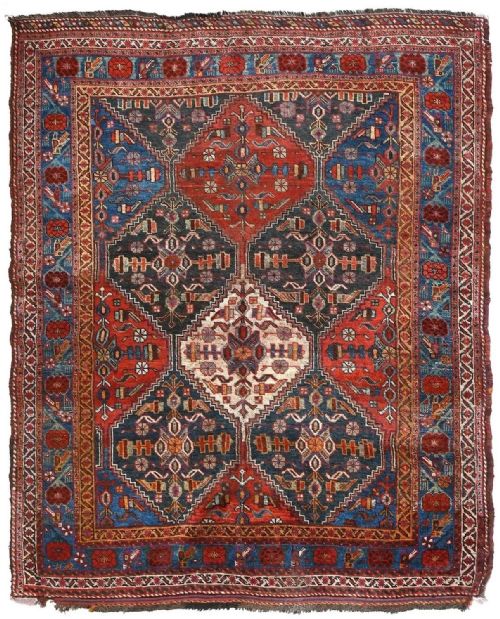


Red Afshar Rug
A red afshar rug delivers rich geometric patterning and deep dyed hues woven by nomadic and village weavers in south Persia.
Red Afshar Rug
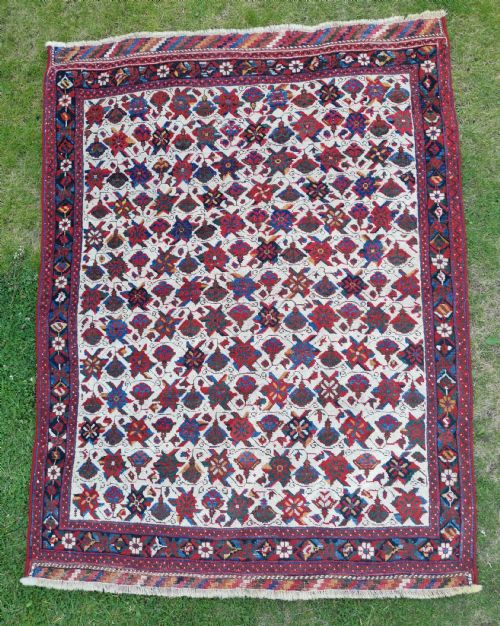
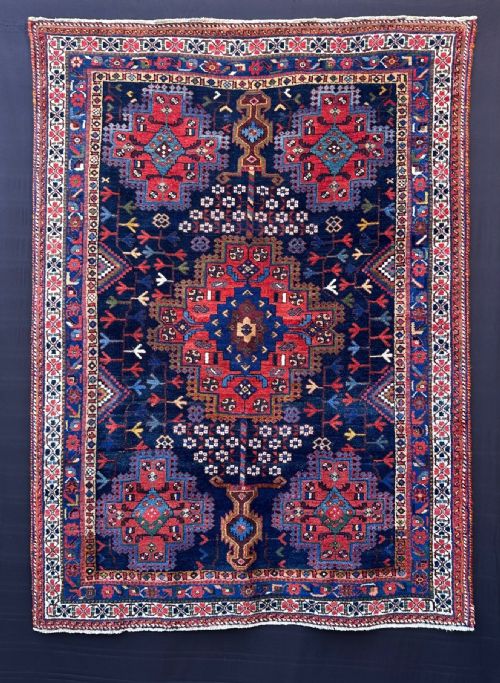
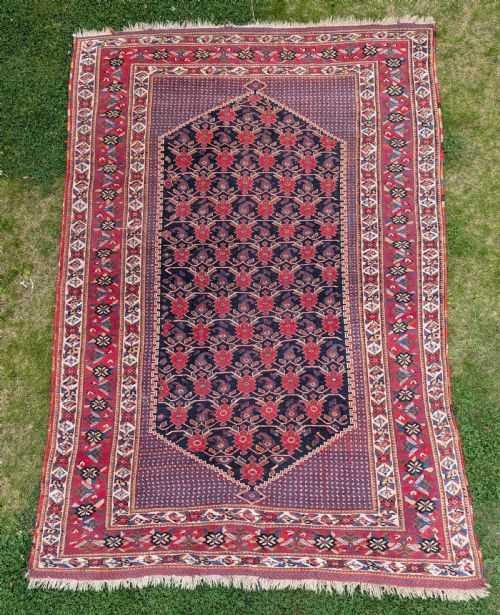
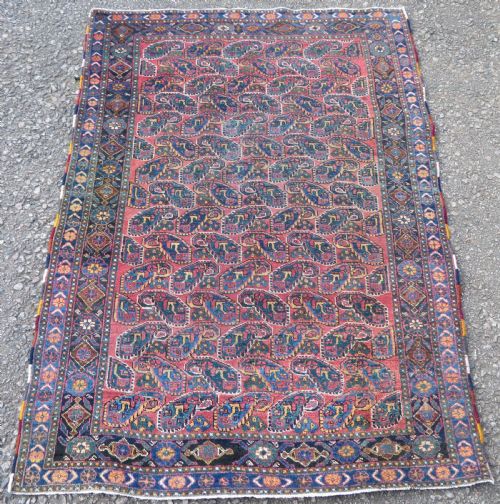
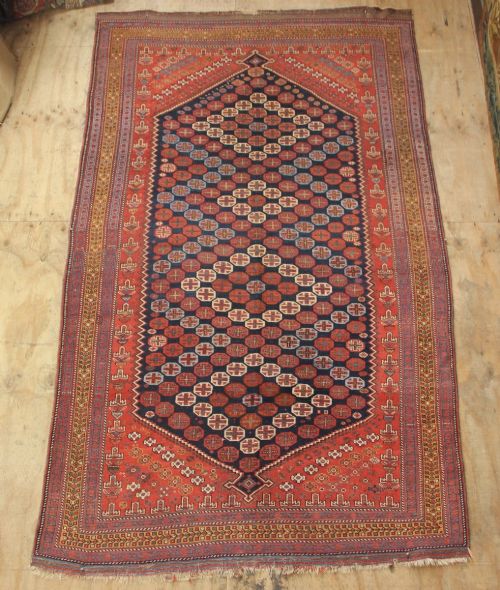
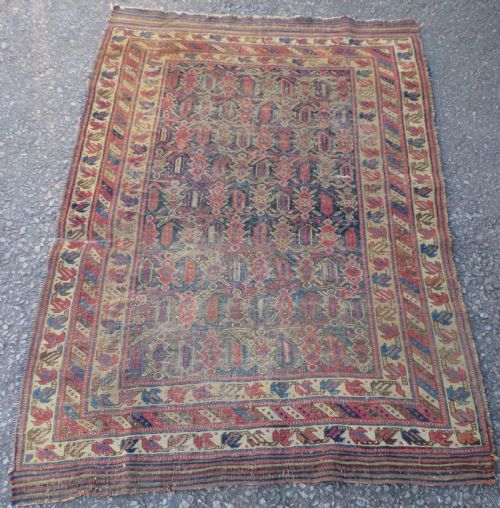
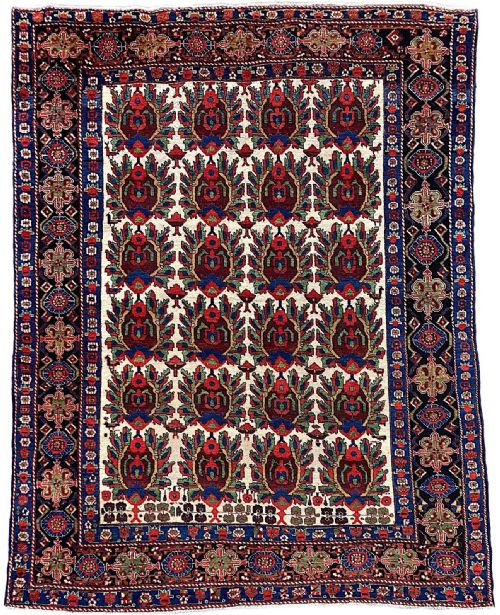
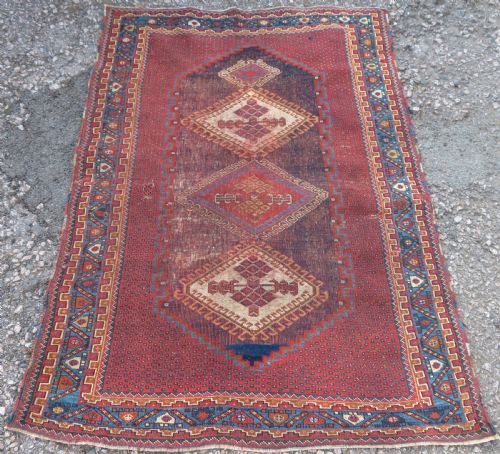
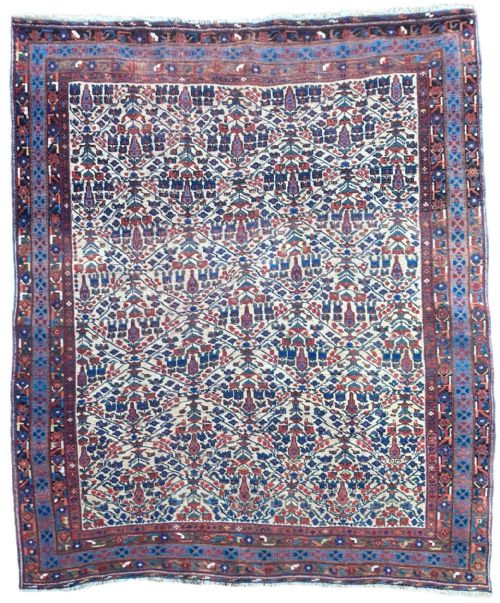
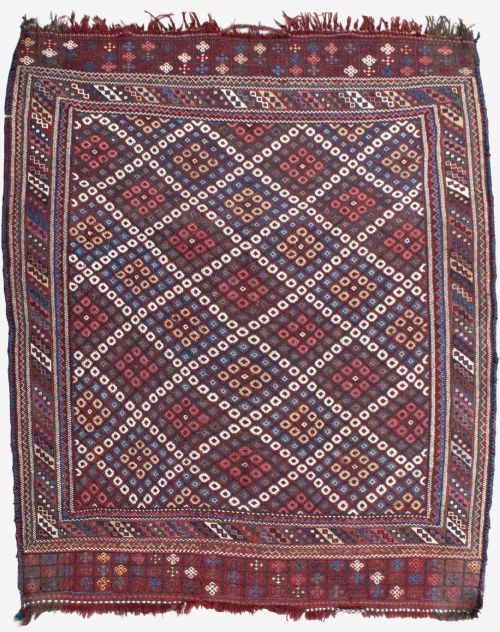
When you examine a red afshar rug, you are looking at tribal and village textile production originating primarily from the Kerman province in southern Persia. The pieces listed here span the nineteenth and twentieth centuries, taking the form of area rugs, carpets, runners, and various utilitarian storage or dining items.
The version you are most likely to meet on this page is an antique tribal rug or village weaving created by the nomadic Afshar tribes. These textiles display distinct regional patterns rooted in south Persian weaving traditions, often reflecting the specific settlement or regional sub-group of their makers.
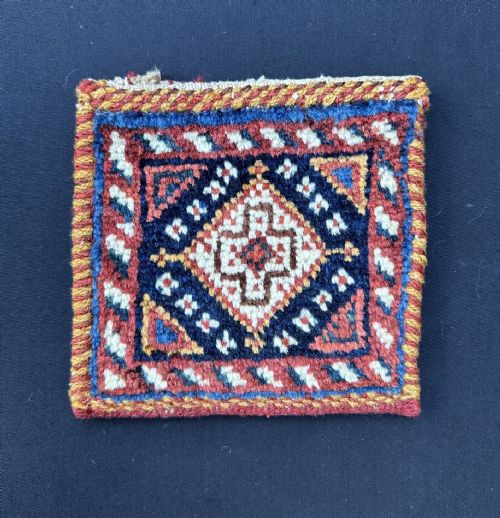
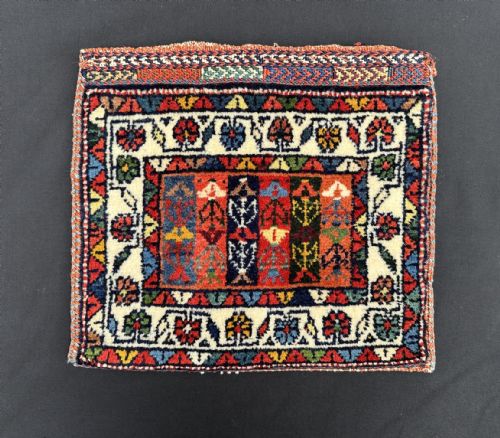
Beyond standard floor coverings, the selection encompasses specialised formats such as bread sofreh cloths, vanity bags, tobacco and pipe bags, and saddle bag faces. Each object carries the functional DNA of nomadic life while presenting the dense visual symmetry characteristic of the genre.
How they were made
The physical structure relies on hand-spun wool for the pile and cotton for the foundational warps and wefts. This natural wool yields the tactile resilience and dense handle expected of traditional village and tribal production from south Persia.
Makers utilised natural dyes to achieve the deep colour palettes characteristic of these textiles. This dyeing process interacts with the hand-spun wool to produce subtle tonal variations across the field of each piece over time.
Red Afshar Rug Retail Price Guide 2026
Typical asking prices for red afshar rug among the pieces listed under this phrase on Sellingantiques today, from the lower quarter to the upper quarter. They describe what is for sale here now, not the wider market.
Nomadic weavers carried their looms on pack animals, occasionally weaving small personal vanity bags during rest stops on long seasonal migrations.
What varies in quality
The distinction between standard examples and finer pieces rests in the handling of the wool and the precision of the knotting. Lustrous, luminous wool combined with tighter knot density elevates the visual depth and structural integrity of the weaving.
Design execution and dye clarity further differentiate the range. Well-resolved geometric layouts, balanced proportions, and sophisticated use of natural dyes set the more accomplished tribal and village pieces apart from simpler utilitarian items.
Afshar Tribes·Qorab'i Tribe
The Red Afshar Rug Glossary
- Sofreh
- A flatwoven or piled cloth used for dining, food preparation, or bread making within nomadic households. These textiles frequently double as decorative wall hangings due to their striking geometric layouts.
- Boteh
- A recurring teardrop or almond-shaped motif with a curved upper end, heavily utilised in Persian and tribal weaving. It symbolizes life, eternity, and fertility within traditional design vocabularies.
- Herati
- A repeating ornamental pattern featuring a central rosette enclosed by a diamond framework and flanked by lancet leaves. This design appears across various Persian village and tribal rugs.
- Soumak
- A flatweaving technique involving wrap-sewing weft threads over the warp to create a durable, textured surface without a pile. It is frequently encountered on utilitarian bags and storage pieces.
- Chanteh
- A small personal bag or vanity container woven by nomadic tribesmen and women. These miniature textile items showcase the same design rigour found in larger floor carpets.
Red Afshar Rug: Frequently Asked Questions
Where were these rugs made?
These textiles originate from the Kerman province in southern Persia, produced by the Afshar nomads and village weavers residing in regions such as Neiriz and Bardsir.
The makers worked within distinct tribal traditions, passing down regional design motifs and knotting techniques through generations of nomadic life.
What is a sofreh used for?
A sofreh functioned primarily as a dining cloth spread on the ground for communal meals or utilised during bread preparation by nomadic families.
These textiles combined practical durability with symbolic geometric patterns, serving a central role in daily domestic routines.
How do I date an antique rug?
Dating relies on assessing structural characteristics, the handling of hand-spun wool, and the specific palette of natural dyes employed by the weaver.
Comparative analysis of regional motifs and historical weaving markers across the nineteenth and early twentieth centuries helps place each piece within a broad chronological window.
Are tribal bags collectable?
Tribal storage items, saddle bag faces, and small vanity containers are actively sought by collectors for their concentrated design work and authentic utilitarian origins.
These smaller formats often preserve unusual structural variations and vibrant natural dye work characteristic of nomadic production.