

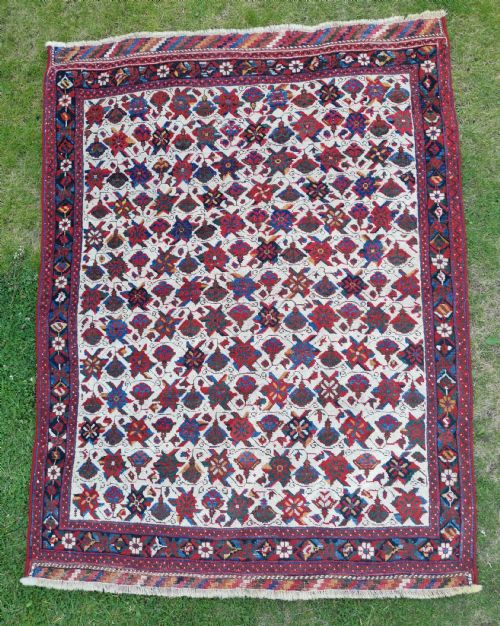
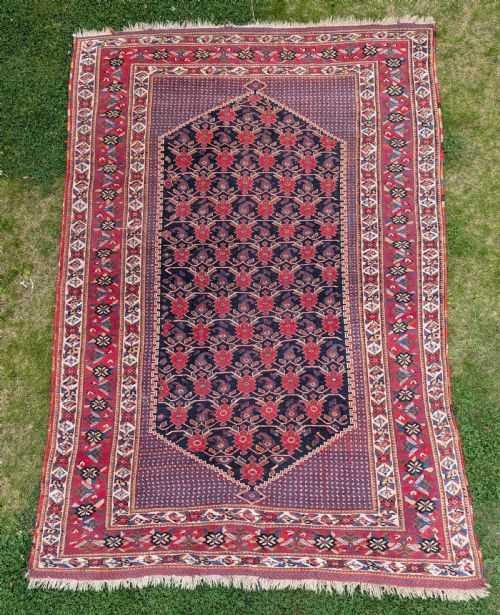
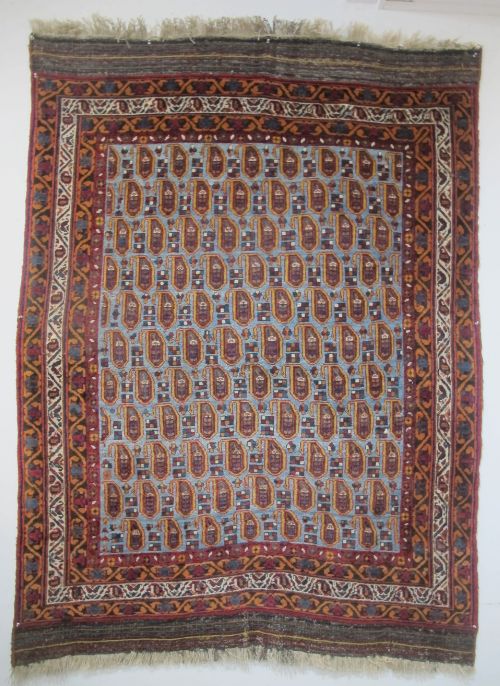
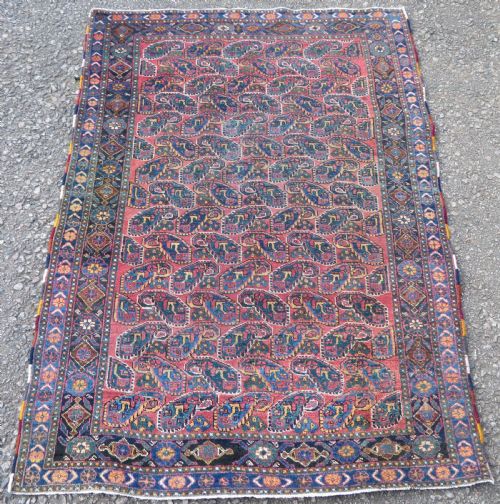






Antique Afshar Boteh Rug
These antique afshar boteh rug pieces bring South Persian tribal weaving into a room through rich wool and expressive boteh motifs.
Antique Afshar Boteh Rug
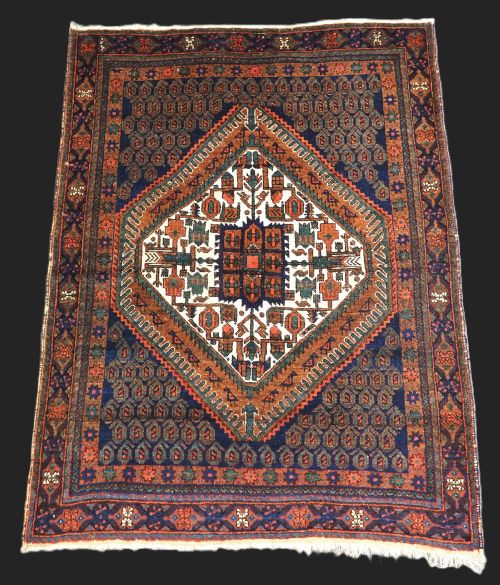
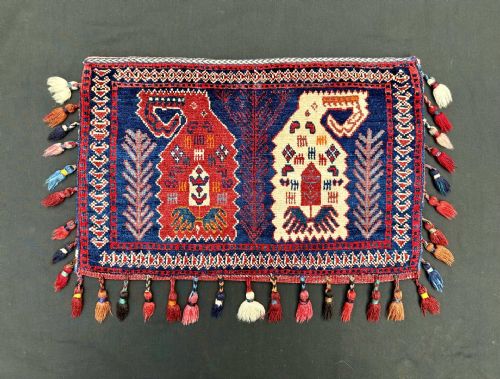
When you search for an antique afshar boteh rug, you are looking at South Persian tribal weaving made by nomadic and village weavers, often centred in the Kerman Province and the Bardsir Region. These textiles range from smaller tribal bags and vanity bags to larger area rugs, long rugs and runners.
The version you are most likely to meet on this page is a wool rug featuring either a repeat all-over pattern of small botehs or a prominent large boteh design. Pieces span the late nineteenth century and the early twentieth century, carrying the visual language of Persian tribal makers.
The formatting of these pieces reflects their origins, appearing as rugs, runners and tribal bag faces. They capture the traditional output of southern weavers working with wool and cotton foundations.
How they were made
The makers of these rugs utilised wool for the pile, combined with natural dyes to create the characteristic palette of South Persian tribal work. Cotton foundations provide structural stability for many of the woven pieces.
Weavers constructed these rugs and trappings by hand, knotting the pile firmly onto the warp and weft threads. The application of natural dyes ensures that the colours mature gracefully over time.
Antique Afshar Boteh Rug Retail Price Guide 2026
Typical asking prices for afshar boteh rug among the pieces listed under this phrase on Sellingantiques today, from the lower quarter to the upper quarter. They describe what is for sale here now, not the wider market.
The listings span from the mid-nineteenth century through the early twentieth century, utilising wool, cotton and natural dyes.
What varies in quality
Quality in these tribal weavings rests in the handling of the wool and the clarity of the natural dyes. Softer wool and well-preserved dye lots distinguish the finer examples from standard tribal output.
The precision and proportion of the boteh design across the field also mark out the better pieces. A balanced composition and careful execution elevate an individual rug within the range.
The Antique Afshar Boteh Rug Glossary
- Afshar
- A South Persian tribe whose weavers produce distinctive rugs and tribal trappings. Their work is known for bold geometry and rich natural colour.
- Boteh
- An ancient motif resembling a stylized almond or sprouting shrub. It appears frequently as a repeat pattern across Persian tribal weaving.
- Vanity-Bag
- A small nomadic bag or storage piece woven for personal use. These items display the same technical skill and design vocabulary as larger floor rugs.
- Runner
- A long, narrow format of rug suited to corridors and hallways. They share the tribal motifs and wool construction of standard area rugs.
- Natural Dyes
- Colourants derived from plant and mineral sources used by traditional dyers. They yield rich hues that develop a pleasing patina with age.
Antique Afshar Boteh Rug: Frequently Asked Questions
What is an afshar boteh rug?
An antique afshar boteh rug is a tribal textile woven in South Persia by Afshar nomads and villagers. These pieces typically feature wool pile decorated with repeat boteh motifs.
They represent the traditional output of southern weaving groups, combining practical utility with expressive geometric and floral design elements.
How were these rugs used?
Nomadic weavers utilised these textiles as floor coverings, sitting rugs and transport bags within tribal camps. Smaller pieces served as vanity bags and saddle bag faces for daily life.
Over time, these functional items transitioned into decorative objects used to bring warmth and texture to interior spaces.
How do I live with an antique rug?
Living with these textiles involves placing them in areas with moderate foot traffic to preserve the wool pile. A quality underlay helps keep the rug stable on hard flooring.
Regular gentle care and keeping the piece away from direct sunlight will maintain the natural dyes and overall condition for years to come.
How do I date an afshar rug?
Dating relies on examining the materials, dye types and structural characteristics visible in the weave. Natural dyes and specific wool textures point towards late nineteenth and early twentieth-century production.
Comparing the format and design details against known tribal examples helps narrow down the period of manufacture.