


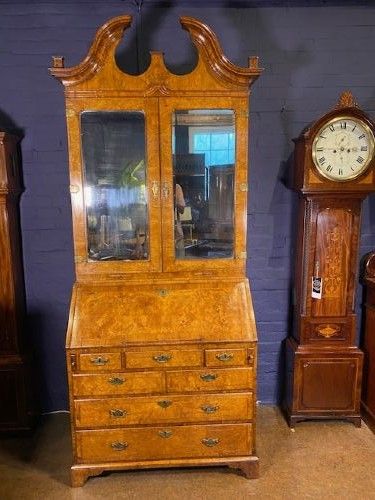
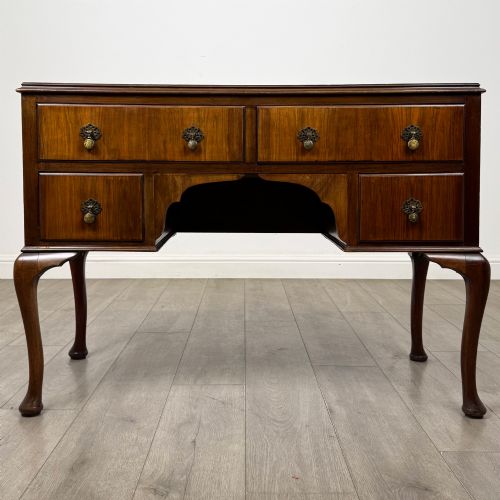
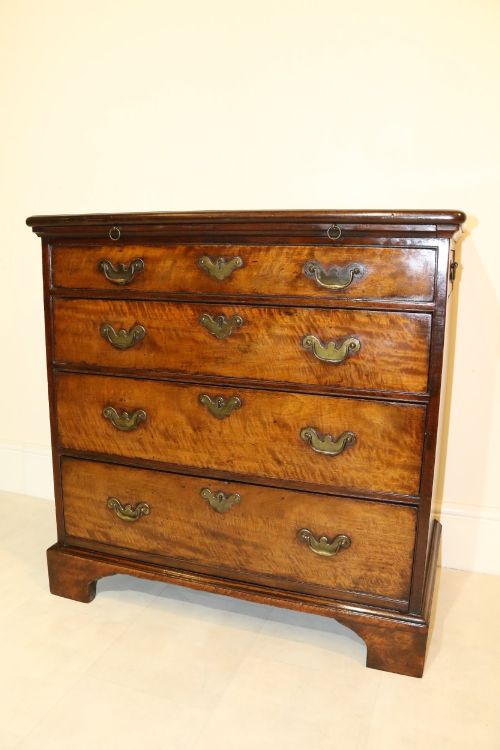
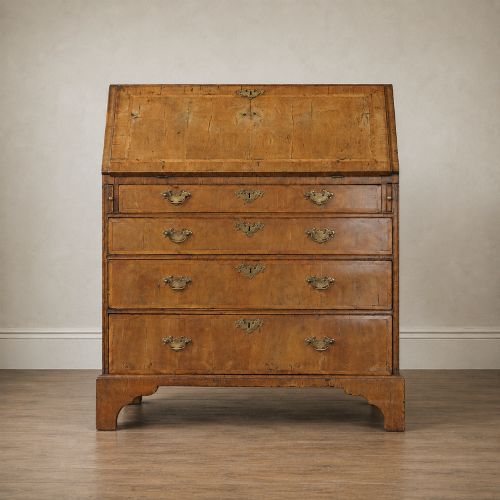
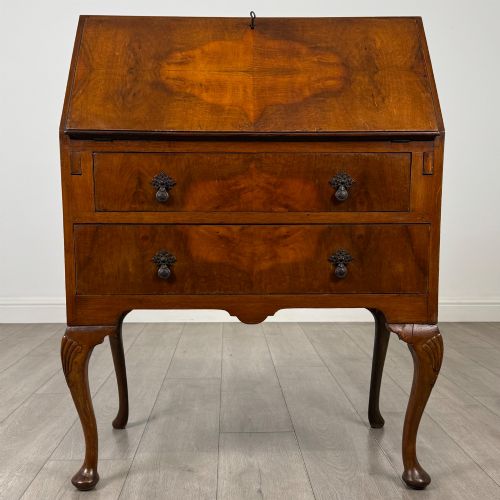
Queen Anne Writing Bureau
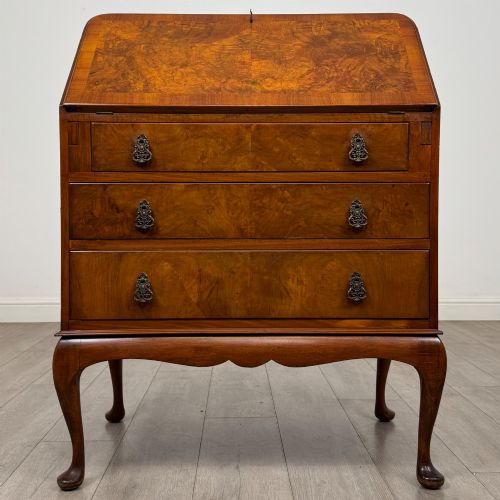
A queen anne writing bureau brings centuries of timber and craftsmanship into daily use, offering a fall front that opens to reveal fitted drawers and pigeonholes.
Queen Anne Writing Bureau
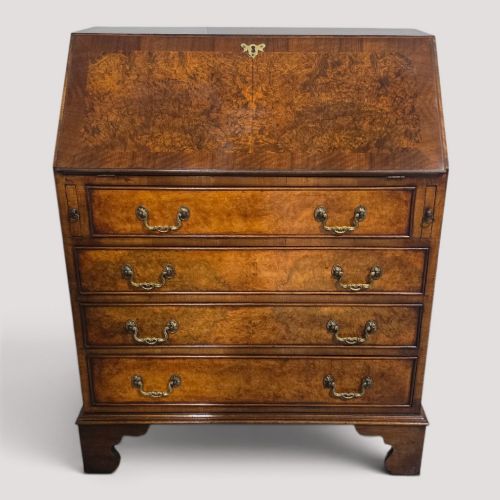
A queen anne writing bureau is a fitted desk designed for correspondence, constructed primarily in walnut, burr walnut, and oak during periods spanning the eighteenth century through to later revivals.
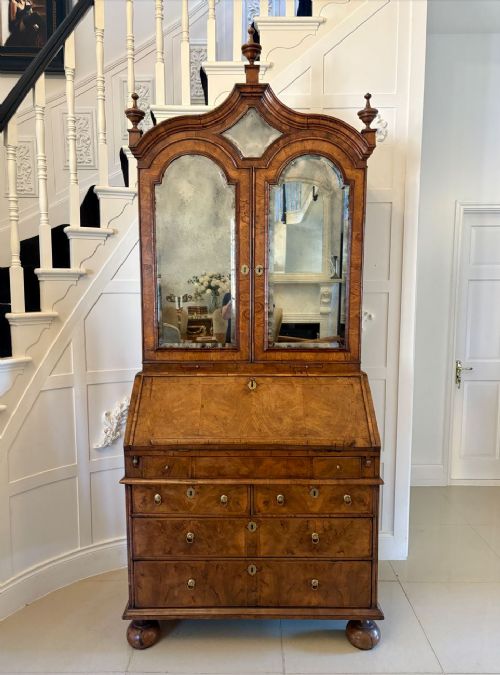
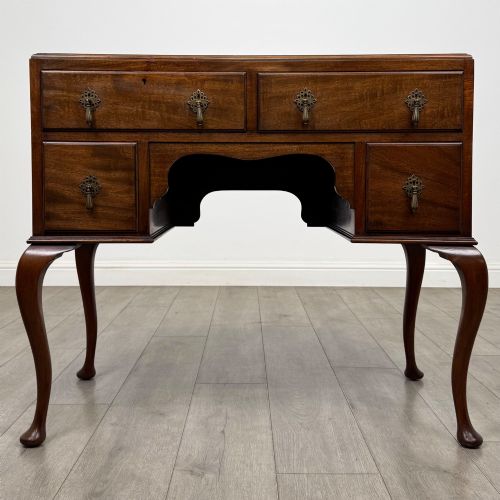
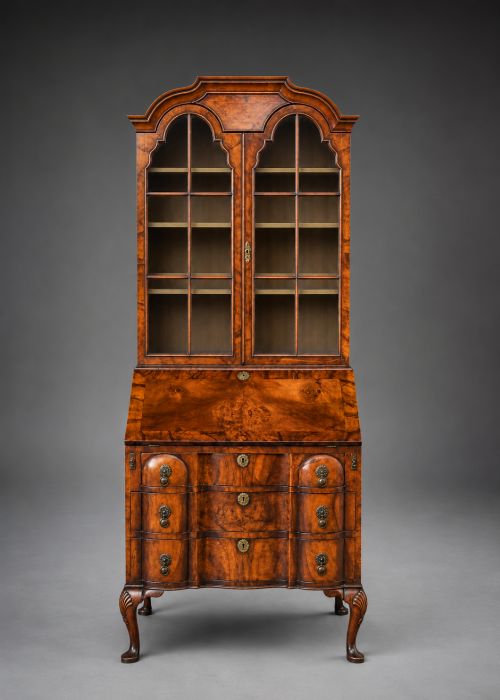
Buyers encountering these pieces on this page will find standard fall-front bureaux alongside taller bureau bookcases, desks on stands, and kneehole variations dating from seventeen-hundred onwards.
The stylistic lineage stretches from authentic eighteenth-century examples to Edwardian and twentieth-century interpretations built in the queen anne style or early georgian manner.
Materials and Construction
Cabinetmakers utilised solid walnut, oak, and yew wood, frequently applying burr walnut veneer and featherbanding to external surfaces for visual depth.
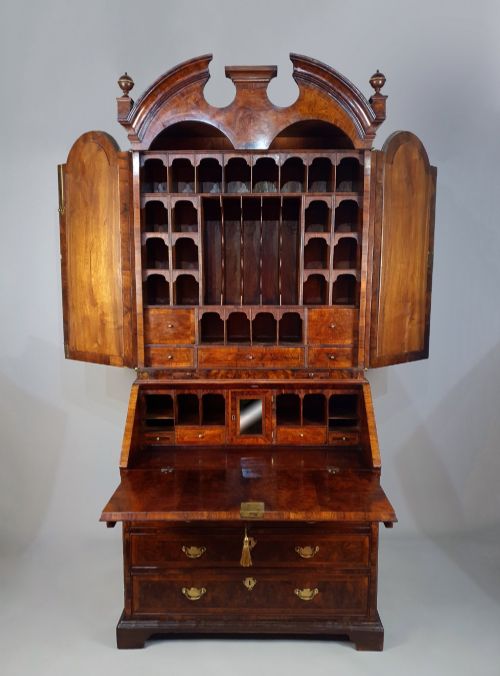
Interior fittings relied on intricate joinery to create small drawers and pigeonholes behind the sloping fall front, supported by ironwork or brass hardware.
Surfaces often incorporated inset leather writing panels alongside traditional timber tops, while stands and legs elevated the main writing compartment.
Several pieces preserve secret compartments hidden behind miniature drawers, designed for stashing private correspondence and hidden coins.
Distinctions in Execution
The standard of timber selection dictates visual success, with highly figured burr walnut and matched veneers setting exceptional examples apart from plain oak or mahogany.
The integrity of internal pigeonholes, small drawers, and original ironwork or brass handles reveals the care applied by the original cabinetmaker.
Proportion and scale separate masterworks from simpler commissions, particularly in bureau bookcases and kneehole desks where balance defines the silhouette.
Wylie & Lochhead Glasgow·maples of London
The Queen Anne Writing Bureau Glossary
- Bureau
- A writing desk featuring a sloping hinged lid that drops down to form a writing surface. This fall front conceals an interior arrangement of small drawers and pigeonholes.
- Burr walnut
- Timber taken from the warted growths on walnut trees, yielding highly decorative swirling grain patterns. Cabinetmakers sliced this wood into thin veneers for decorative surfaces.
- Featherbanding
- A type of inlay consisting of narrow strips of wood laid in a herringbone pattern around the edges of drawer fronts and panels. It frames the burr walnut veneer.
- Escritoire
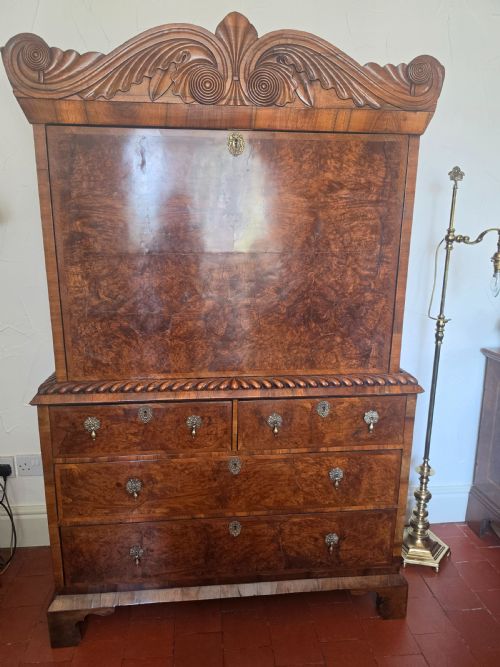
- A tall writing cabinet or desk containing a central drop-front writing flap and internal compartments. These pieces date from the early eighteenth century and often feature upper doors.
- Kneehole desk
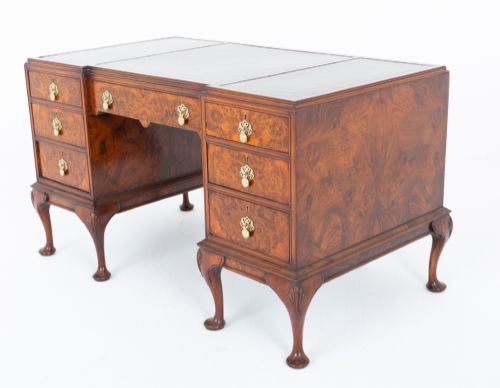
- A compact desk with a central recess for the user's legs, flanked by pedestals of small drawers. Walnut and oak examples appear frequently in eighteenth-century forms.
Queen Anne Writing Bureau: Frequently Asked Questions
What is inside a queen anne writing bureau?
Lifting the sloping fall front reveals a fitted interior composed of small drawers, secret compartments, and pigeonholes designed for storing letters and inkwells.
This compartment arrangement represents the core function of the desk, keeping writing materials organised behind a locked exterior flap.
How do I tell an eighteenth century bureau from a later revival?
Original eighteenth-century pieces display authentic timber shrinkage, hand-cut dovetails, and period ironwork or brass handles that differ significantly from twentieth-century manufacturing methods.
Edwardian and later revival pieces constructed in the queen anne style often utilise machine-sawn timbers and standardised fixings despite employing similar burr walnut veneers.
Where should I place a bureau in my home?
These compact desks suit reception rooms, studies, or hallways where floor space is limited, providing a functional writing surface that closes away when not in use.
Positioning the piece away from direct sunlight protects walnut veneers and leather writing surfaces from fading and drying out over time.
What is the difference between a bureau and a bureau bookcase?
A standard bureau consists of a base cabinet with a sloping writing flap, whereas a bureau bookcase incorporates an upper shelved cabinet enclosed by doors.
Both forms utilise walnut or oak construction, but the bureau bookcase provides vertical display and storage space above the primary desk surface.