


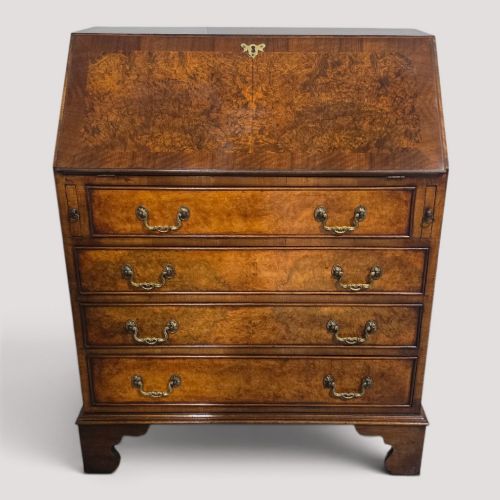
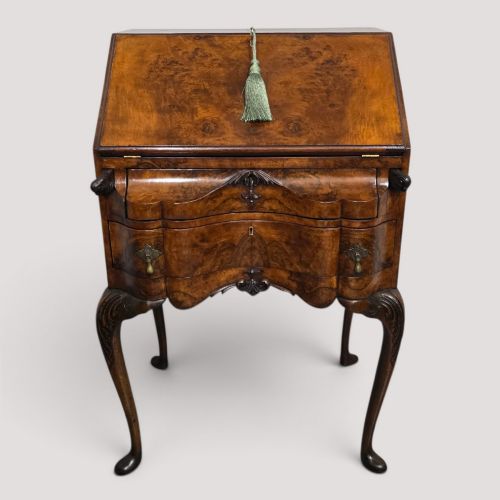
Vintage Walnut Writing Bureau
A vintage walnut writing bureau offers a sloping fall-front desk space combined with useful drawer storage, bringing practical period writing furniture into modern rooms.
Vintage Walnut Writing Bureau
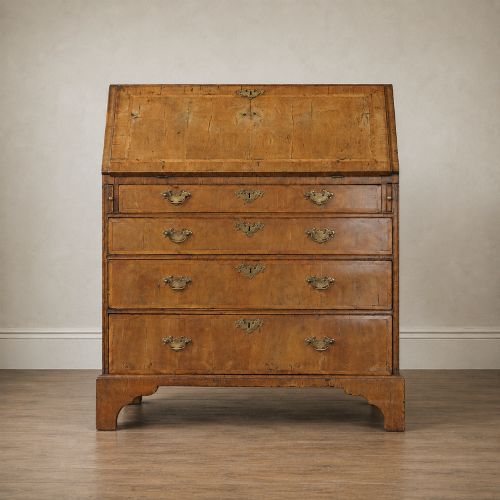
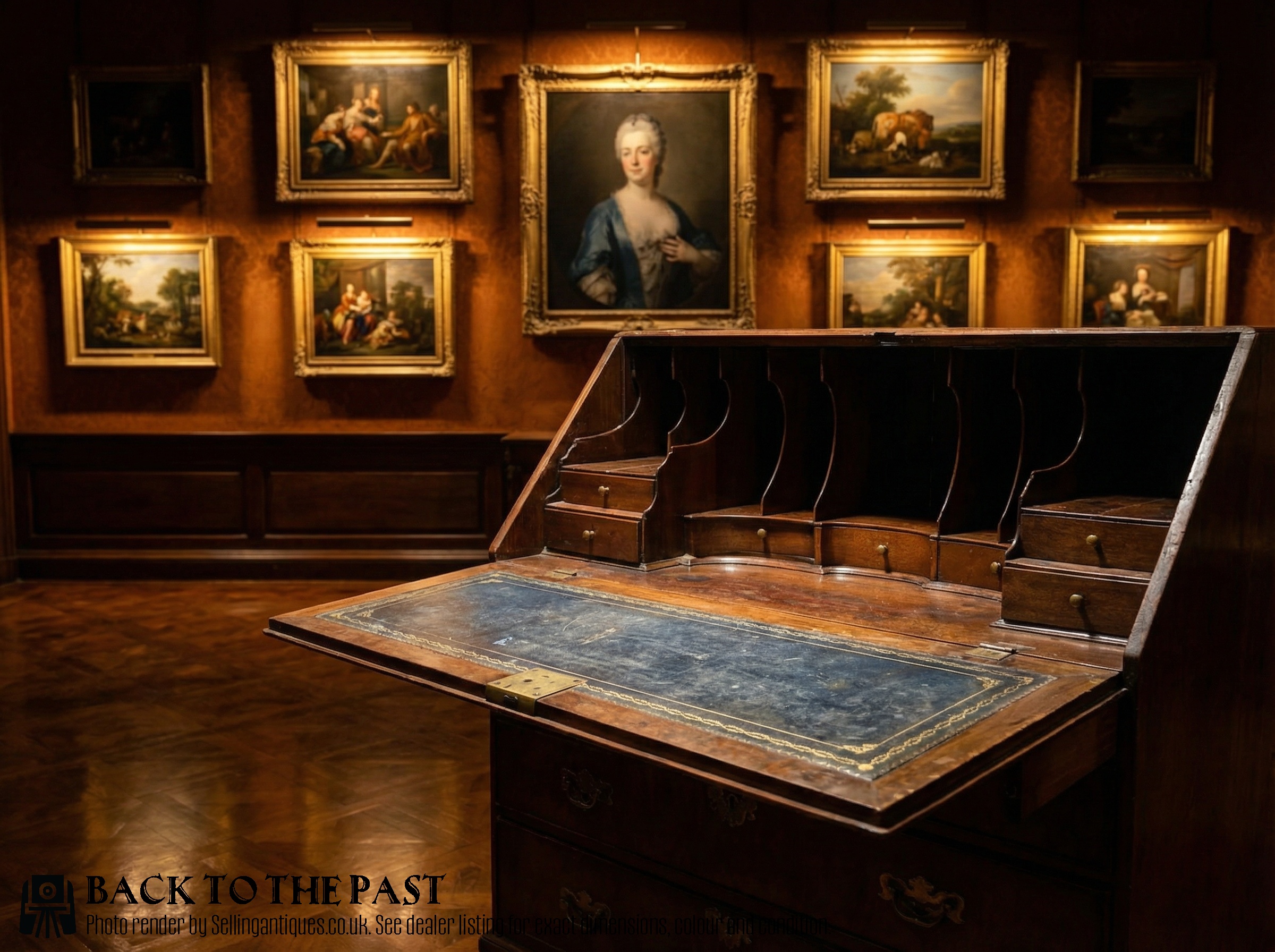
A vintage walnut writing bureau is a dedicated writing piece that conceals internal compartments behind a hinged writing flap. These items appear across multiple periods, ranging from earlier Georgian and Queen Anne styles to Edwardian, Art Deco, and 1930s incarnations.
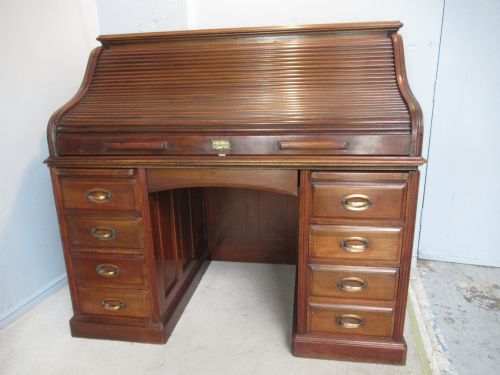
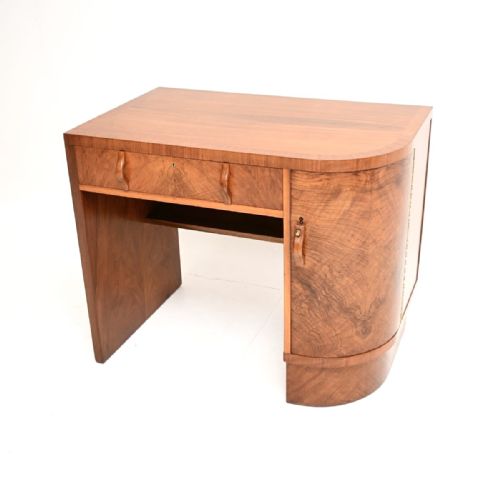
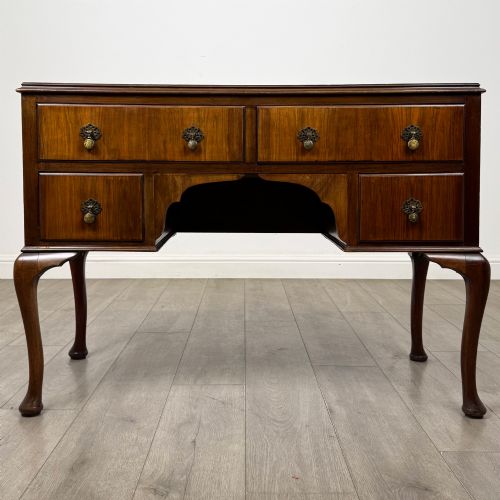
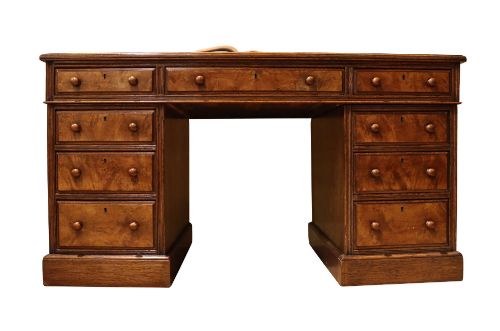
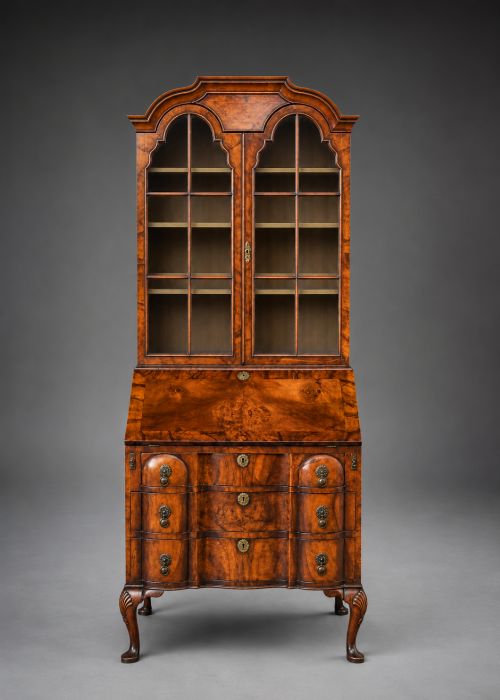
The versions most frequently met on this page span the Edwardian era through to the 1930s, often utilising figured walnut veneers or solid timber. Buyers encounter diverse forms including standard sloping bureaux, bureau bookcases with upper shelving, and compact pedestal desks.
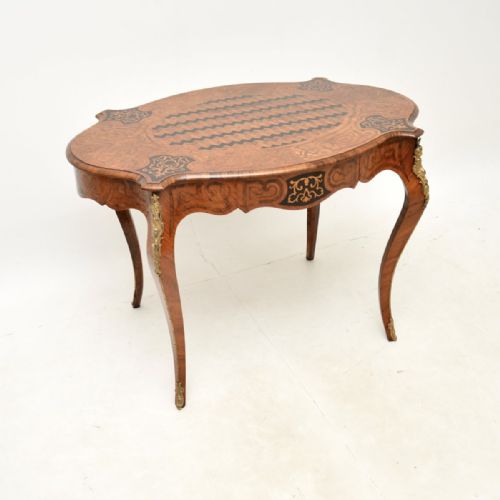
Origin and stylistic influence vary considerably, with English, French, and South German examples represented in the selection. Pieces adopt distinct regional characteristics, drawing upon Queen Anne revival curves or clean-lined Art Deco geometry.
Materials and construction methods
Makers constructed these pieces using primary timbers of walnut and burr walnut, frequently applied as decorative veneers over secondary woods to display rich grain patterns. Accents of brass hardware, leather writing surfaces, and occasional ormolu or glass complete the primary construction.
Cabinetmakers employed traditional joinery techniques suited to each era, from the hand-cut dovetails of earlier centuries to the streamlined veneered carcasses of the 1930s. Bureau interiors incorporate fitted pigeonholes and small drawers assembled with precise miniature joinery.
Vintage Walnut Writing Bureau Retail Price Guide 2026
Typical asking prices for vintage walnut writing bureau among the pieces listed under this phrase on Sellingantiques today, from the lower quarter to the upper quarter. They describe what is for sale here now, not the wider market.
Listings feature walnut, burr walnut, and walnut veneer across multiple eras, dominated by Edwardian, 1930, and 19th Century examples.
Factors influencing quality
Quality rests significantly on the selection and matching of the walnut veneer, where symmetrical burr patterns across the fall-front and drawer faces elevate a piece visually. The depth of figure in the timber and the crispness of any inlaid marquetry or cross-banding distinguish standard production from finer examples.
Construction integrity of the writing flap hinges and the smooth operation of internal small drawers dictate daily utility. Superior pieces maintain original brasses, sound leather inserts, and well-fitted internal compartments that operate without binding.
Maple & Co·Wylie & Lochhead Glasgow·F.H. Marshall & Co Glasgow
The Vintage Walnut Writing Bureau Glossary
- Bureau
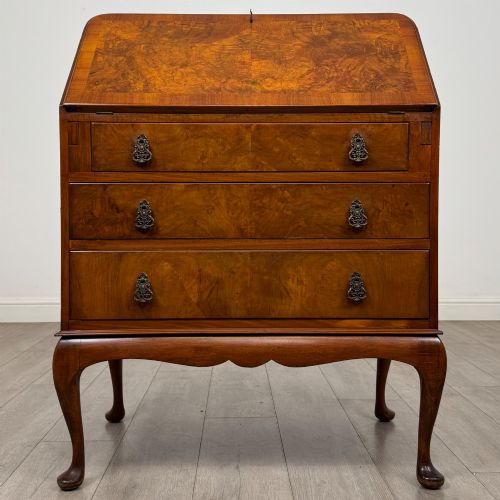
- A desk featuring a sloping lid that folds down to provide a writing surface and encloses small drawers and pigeonholes. It typically sits atop a chest of drawer storage.
- Burr Walnut
- Timber taken from the warted growth on a walnut tree, yielding a swirling, highly decorative grain pattern used extensively for veneering premium furniture.
- Bureau Plat
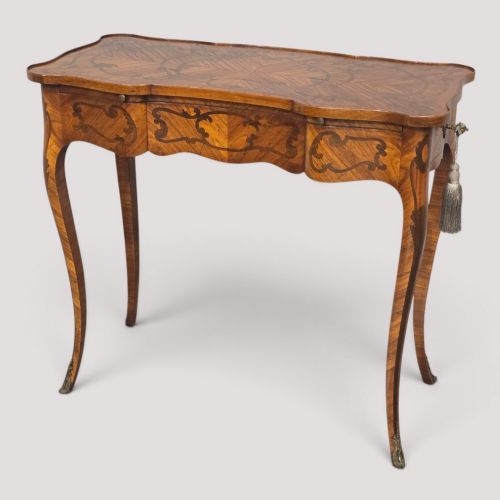
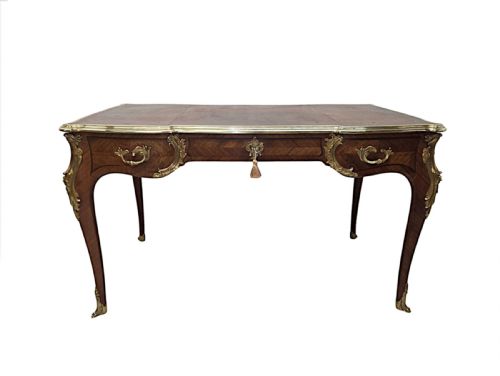
- A freestanding French writing table with a rectangular top and drawers beneath, lacking the sloping fall-front of a traditional bureau.
- Bureau Bookcase
- A two-part tall furniture form combining a lower writing bureau with an upper glazed or paneled bookcase section.
- Pedestal Desk
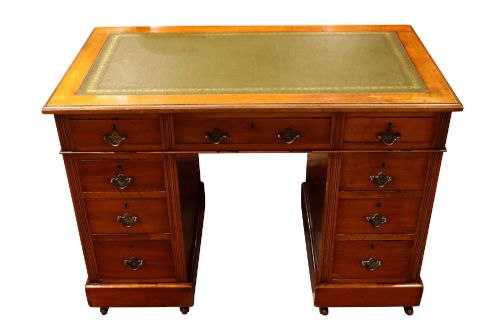
- A heavy executive-style desk featuring two independent stacks of drawers supporting a single flat writing top.
- Kneehole Desk
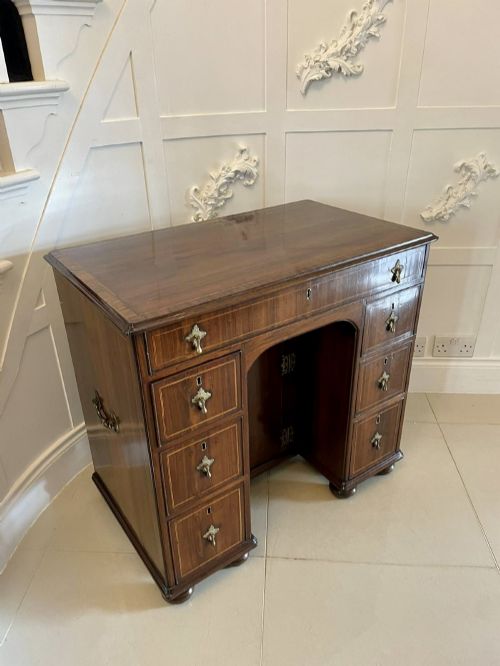
- A compact desk featuring a central recess for the user's legs, flanked by two narrow pedestals of small drawers.
Vintage Walnut Writing Bureau: Frequently Asked Questions
What is a vintage walnut writing bureau?
A vintage walnut writing bureau is a traditional item of furniture featuring a hinged, sloping flap that opens to reveal a fitted interior of small compartments for correspondence. Below the writing surface, multiple drawers provide functional storage for household papers and stationery.
These pieces combine decorative wood grain with practical writing utility, making them suitable for placement in living rooms or studies. The form accommodates various historical aesthetics, ranging from early revival styles to mid-century Art Deco designs.
How do I use a bureau in a modern home?
A bureau serves well as a compact workstation where laptop computers and paperwork can be neatly hidden away behind the closed fall-front at the end of the working day. The internal pigeonholes and small drawers provide natural organisation for stationery, stamps, and small modern accessories.
When closed, the piece occupies minimal floor space while displaying the decorative figured walnut grain against a wall. It functions equally effectively as a living room console or a dedicated bedroom dressing and writing surface.
How do I tell Edwardian pieces from 1930s ones?
Edwardian walnut bureaux typically adhere to revival aesthetics, drawing heavily upon Queen Anne and Georgian design motifs with cabriole legs or bracket feet. They often feature softer decorative carving and traditional brass drop handles.
By contrast, 1930s and Art Deco examples favour geometric simplicity, waterfall edges, and streamlined silhouettes without historical revival ornament. The selection of burr walnut veneer in 1930s items is often sparser and more symmetrical to complement modernist architectural lines.