
Queen Anne Lowboy Table
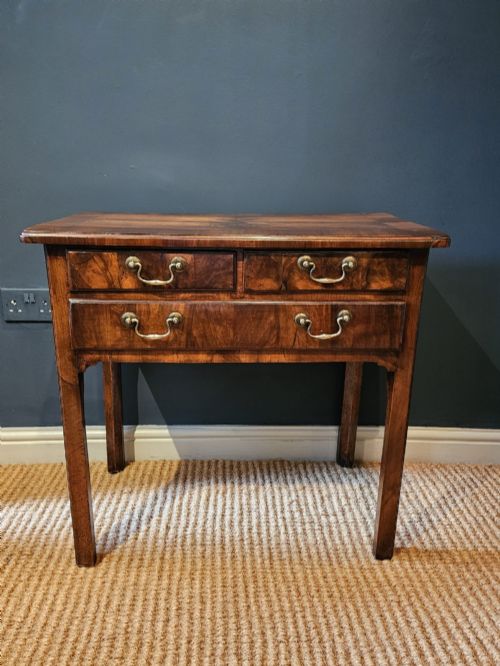
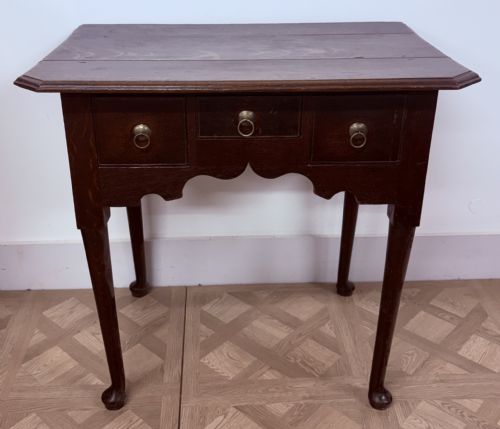
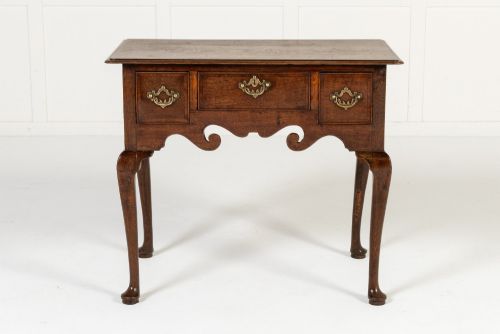
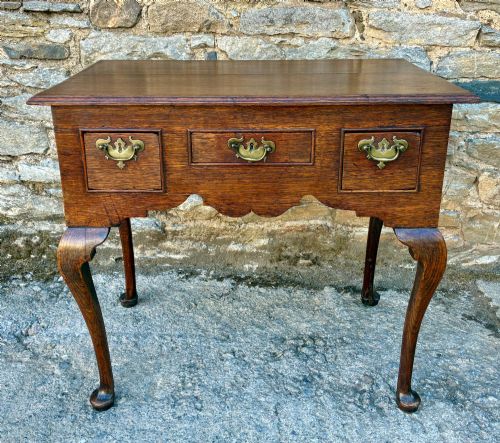
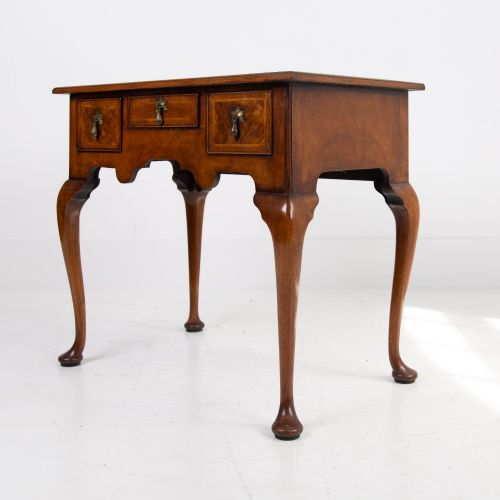
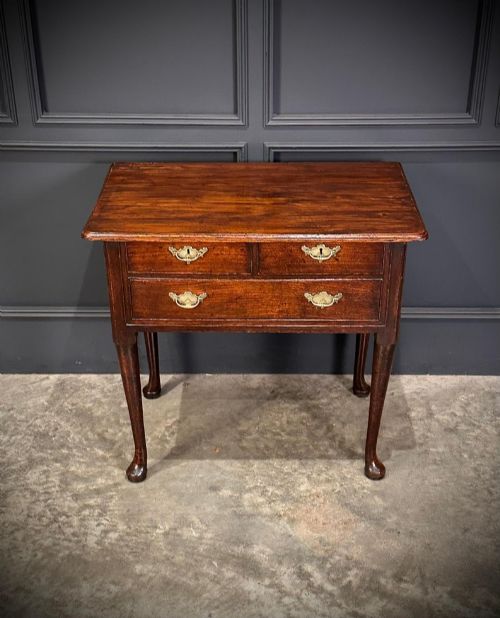
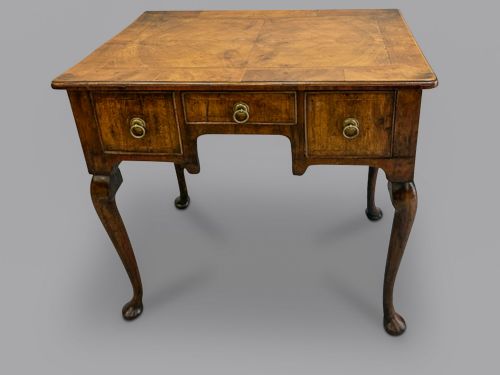
A queen anne lowboy table provides a compact surface with drawers, originating in walnut, oak, and elm during the eighteenth century.
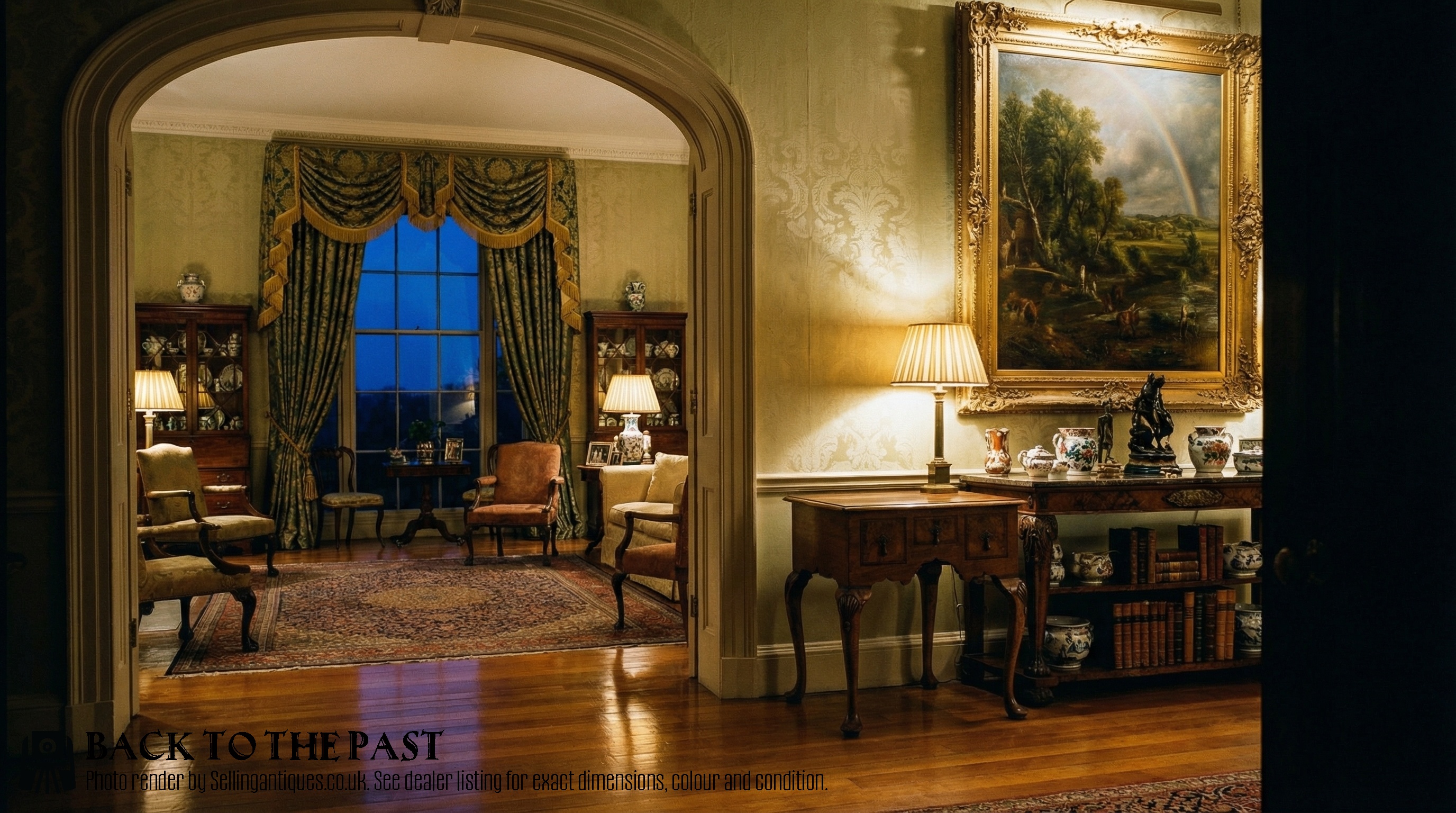
Queen Anne Lowboy Table
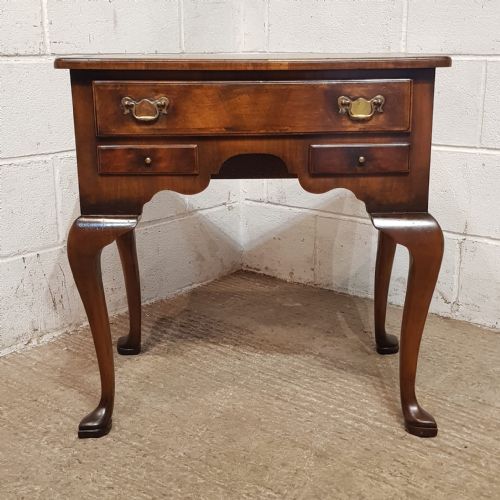
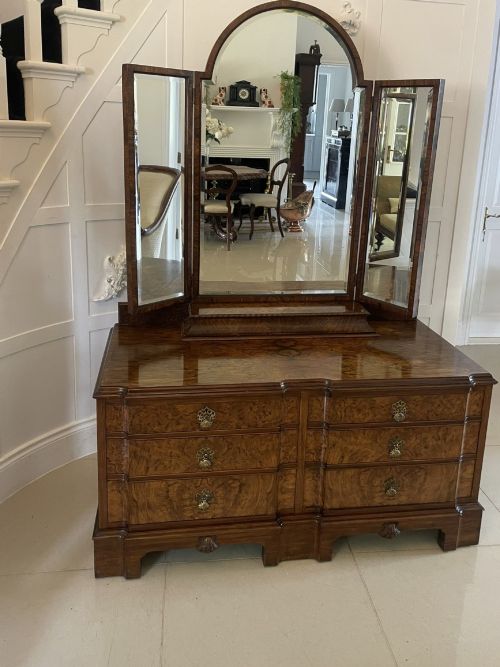
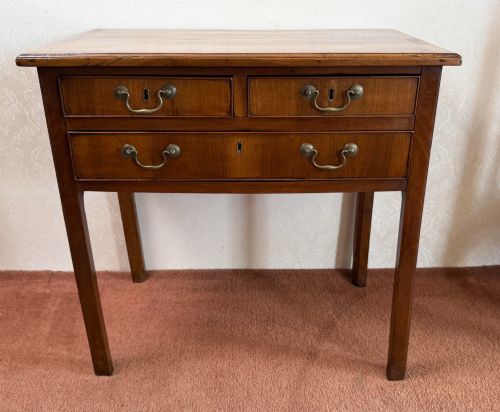
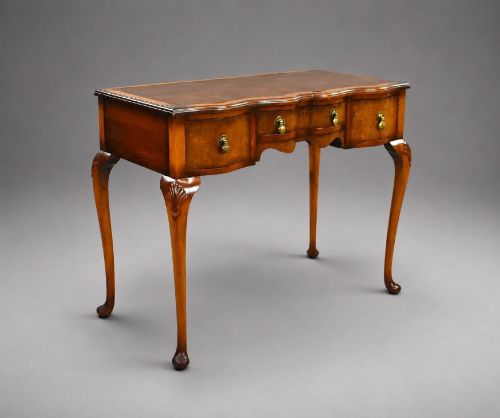
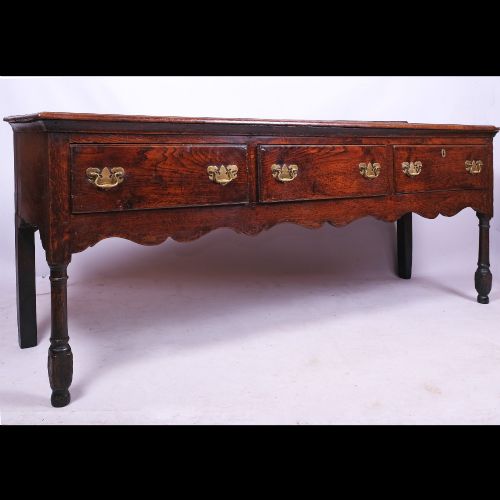
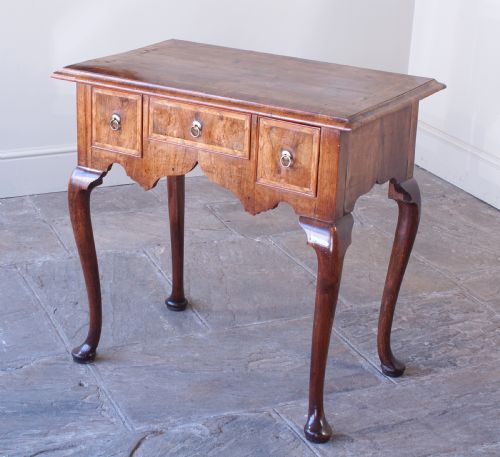
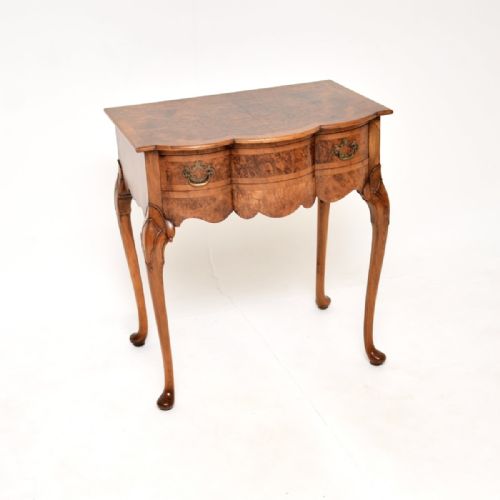
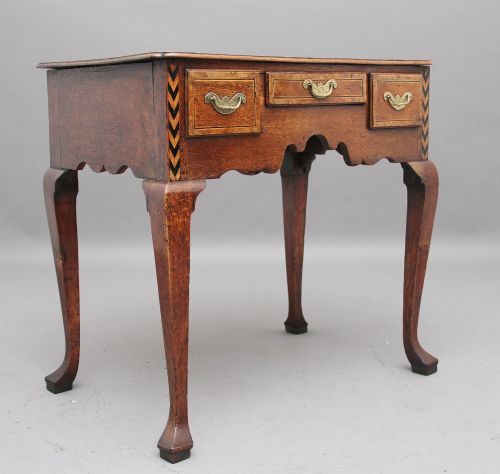
When you search for a queen anne lowboy table, you encounter small, low tables equipped with one to three drawers, traditionally positioned against walls in halls or used as dressing tables. The form spans genuine eighteenth-century examples from the Georgian and George I periods, alongside later twentieth-century revivals produced in the Edwardian era and the decades following.
The pieces on this page appear under various classifications such as side tables, dressing tables, writing desks, and console tables. Oak and walnut dominate the offerings, occasionally accompanied by elm and mahogany.
Period pieces sit alongside revival interpretations from the early twentieth century, showing that the aesthetic endured long after the original eighteenth-century reigns.
What varies in quality
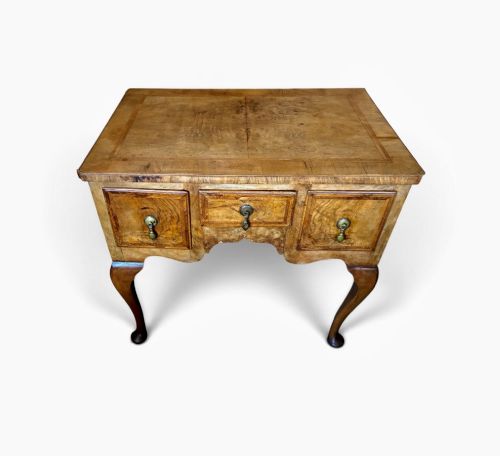
The selection of timber dictates much of the visual impact, separating ordinary planks from richly figured burr walnut veneers or quilted elm panels. Crispness in the carving of cabriole legs and the retention of original brass hardware elevate certain specimens above standard utilitarian pieces.
Proportion and structural integrity also distinguish finer examples, where dovetail joints remain tight and timber movement is minimal across centuries of use.
Cabinetmakers occasionally used quilted elm, giving some tables a rippled surface texture that catches the light.
Shoolbred and Co
The Queen Anne Lowboy Table Glossary
- Lowboy
- A small table with drawers, standing on relatively tall legs, typically used as a dressing table or side table in eighteenth-century interiors.
- Cabriole leg
- A furniture leg that curves out in a convex shape and then bends inward in a concave shape, mimicking an animal limb.
- Burr walnut
- Timber sliced from walnut tree growths that produce intricate, swirling grain patterns highly prized for cabinet veneers.
- Dresser base
- The lower section of a traditional dining room or kitchen storage unit, frequently sharing similar proportions and drawer layouts with lowboys.
- Pad foot
- A simple foot shape at the base of a cabriole leg where the timber rests on a flattened, circular pad.
Queen Anne Lowboy Table: Frequently Asked Questions
What is a lowboy table used for?
These low tables functioned historically as dressing tables for personal grooming or as side tables for holding lamps and writing materials in hallways.
Today they serve similar roles in modern homes as compact hallway consoles or bedroom writing desks.
How do I date a lowboy table?
Dating relies on identifying timber choices like oak, walnut, or mahogany, alongside construction methods such as hand-cut dovetails inside the drawers.
Revival pieces from the early twentieth century often display different secondary woods and modern glues compared to eighteenth-century originals.
Are all lowboys made of walnut?
Walnut is common, but many regional examples utilise sturdy English oak or figured elm.
Mahogany also appears on later eighteenth-century interpretations.
What defines the Queen Anne style?
The style is characterised by graceful curves, prominent cabriole legs, and a general shift away from heavy ornamentation toward refined, sweeping lines.
Drawer fronts often feature book-matched veneer work without excessive carving.