





Qing Style Wooden Stand
A qing style wooden stand brings disciplined Chinese craftsmanship into a room, offering a sturdy yet graceful platform for plants, porcelain or lamps.
Qing Style Wooden Stand
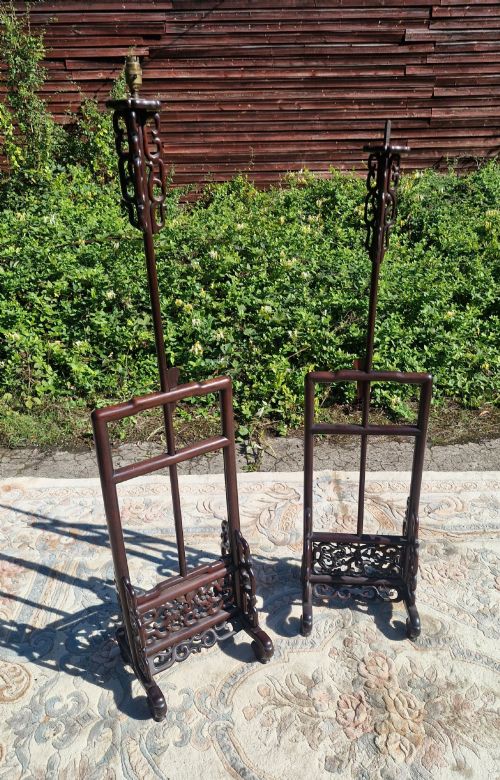
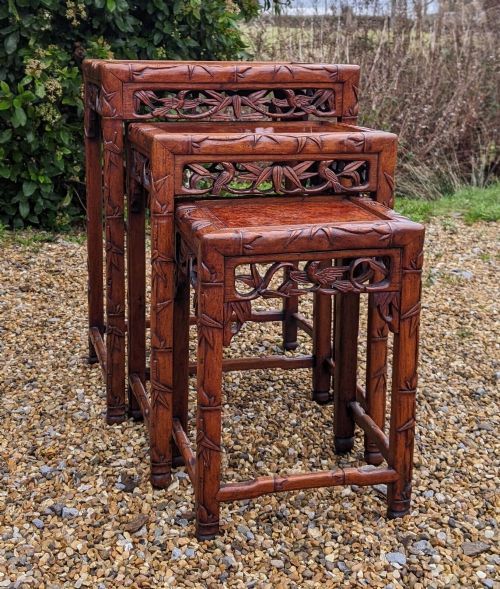
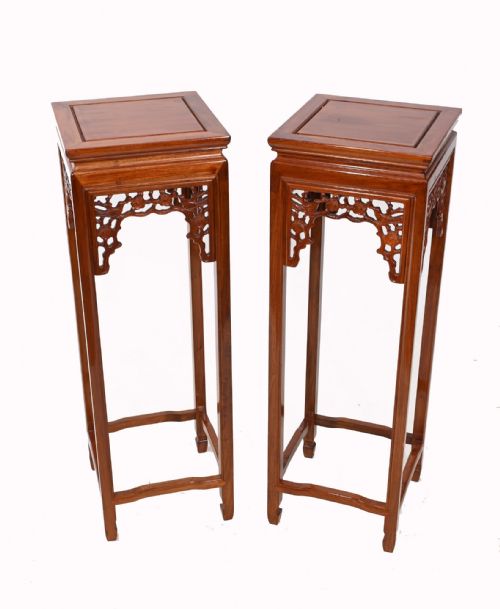
A qing style wooden stand encompasses a varied selection of functional display pieces, including plant stands, torchères, lamp standards and occasional tables. These items reflect the intricate aesthetics associated with Chinese traditional design and the Qing dynasty.
Buyers encounter forms ranging from compact individual plant stands and nest of tables to pedestal stands and floor lamps. The selection draws on periods such as the nineteenth century, the Victorian era and the early twentieth century.
Many of these stands serve specific decorative purposes within interior spaces, supporting jardinieres, temple jars or decorative bowls. Their versatile architecture allows them to integrate into both traditional and modern room schemes.
Materials and construction methods
Makers utilised dense timbers such as rosewood, huanghuali wood, padouk, hongmu and generic hardwoods to construct these durable stands. These woods provide the necessary strength to support heavy porcelain bowls and marble inserts without warping.
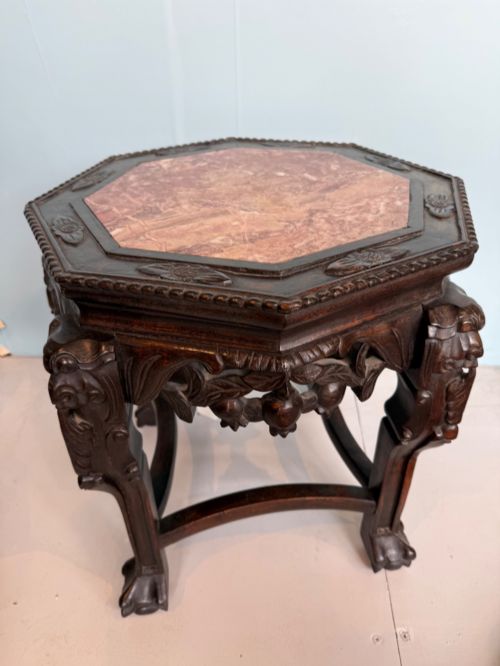
Carving and joinery form the backbone of the construction, allowing artisans to create detailed motifs without relying on modern adhesives. Insets of marble, porcelain and enamel frequently appear within the wooden frames to add contrasting textures and colour.
Qing Style Wooden Stand Retail Price Guide 2026
Typical asking prices for qing style wooden stand among the pieces listed under this phrase on Sellingantiques today, from the lower quarter to the upper quarter. They describe what is for sale here now, not the wider market.
Some nineteenth-century dragon lantern stands doubled as illumination hubs, proving that historic mood lighting involved considerably more carving.
Factors determining quality
The choice of timber significantly separates standard items from finer examples, with heavily figured rosewood and huanghuali commanding attention for their natural grain and depth of colour. Exceptional pieces display tight, precise joinery that remains rigid over centuries of use.
Carved detail differentiates mass production from master craftsmanship, showing crisp edges and deep relief rather than shallow, softened moulding. The integration of inset materials such as marble or porcelain must sit flush within the timber frame to demonstrate superior execution.
The Qing Style Wooden Stand Glossary
- Torchère
- A tall, slender stand designed specifically to hold a candle or lamp. These elevated platforms allow light sources to sit at a convenient height in a room.
- Jardiniere
- A large ornamental pot or bowl for flowers or plants. These vessels often require dedicated stands to display them properly.
- Hongmu
- A category of dense, dark tropical hardwoods used in traditional Chinese furniture making. The term translates literally to red wood.
- Padouk
- A sturdy exotic timber recognised for its reddish hue and stable qualities. It provides a durable foundation for carved tables and stands.
Qing Style Wooden Stand: Frequently Asked Questions
What is a qing style wooden stand used for?
These stands provide a stable elevated surface for displaying ornamental items such as porcelain bowls, lamps, and potted plants. Their traditional design allows them to function as focal points or accent furniture in various rooms.
Historically and today, they protect delicate surfaces while raising decorative objects to a more visible height for appreciation.
How do I identify the wood used?
Examining the weight, grain pattern, and natural colour helps determine the timber species. Dense hardwoods like rosewood and padouk exhibit significant heft and distinct grain variations.
Closer inspection under good light reveals whether the piece utilises a dense tropical hardwood or a more common secondary wood treated with a dark stain.
Are marble inserts original to these stands?
Many nineteenth-century plant and pedestal stands incorporate marble tops designed to hold damp flower pots without damaging the wood. These stone panels are typically fitted directly into a recessed wooden channel.
Inspecting the underside reveals the seating of the stone and confirms whether the insert integrates properly with the surrounding frame construction.
How do I care for antique hardwood furniture?
Maintaining these pieces involves keeping them away from direct heat sources and sudden temperature fluctuations that can cause timber to split. Regular dusting with a soft, dry cloth preserves the finish without requiring heavy polishes.
Applying a minimal amount of appropriate wax periodically helps nourish dense hardwoods like rosewood and hongmu, maintaining their natural lustre.