





Oriental Display Stands
These oriental display stands bring carved hardwood, marble and lacquer into a room to elevate vases, plants and cabinets.
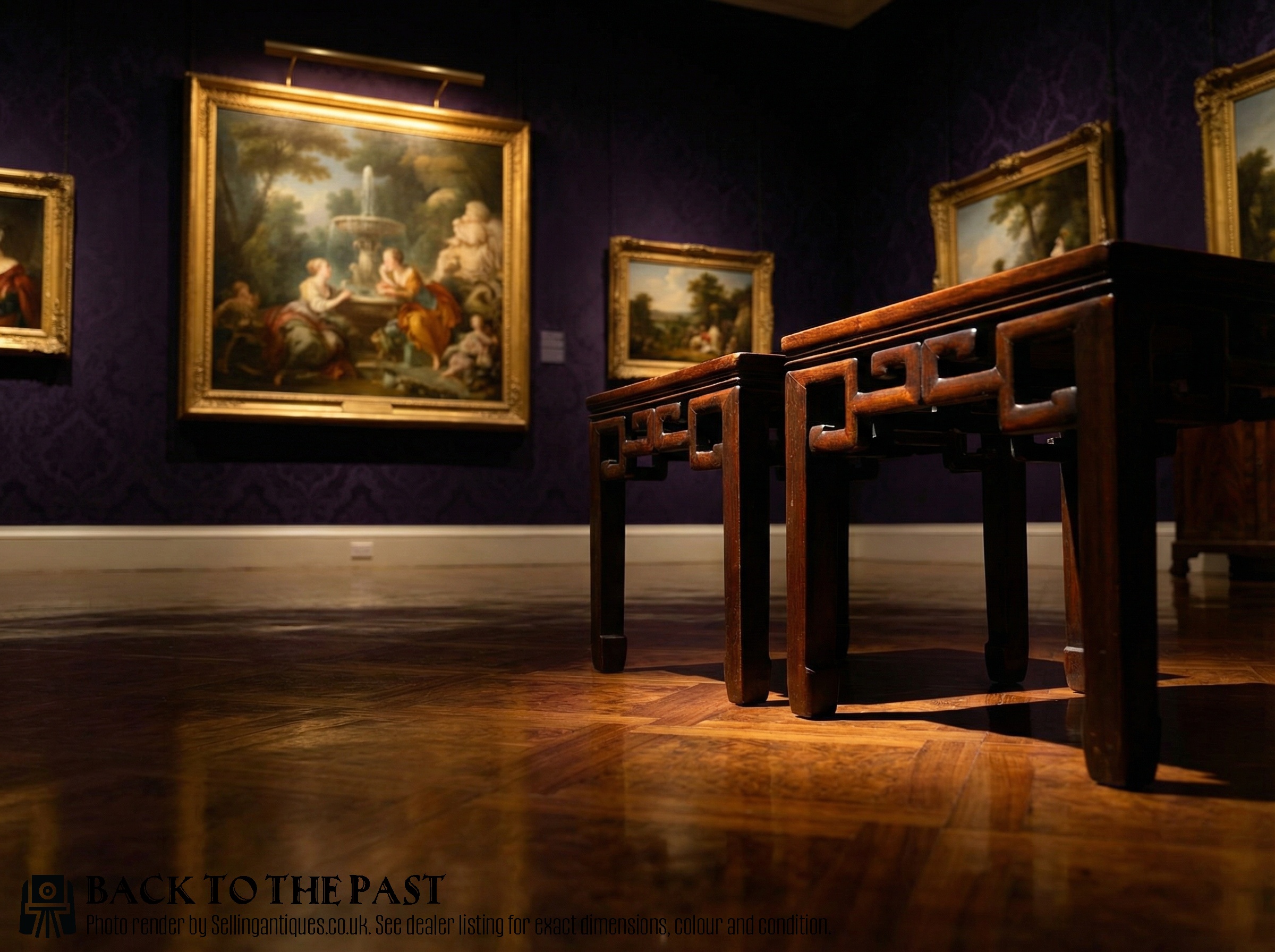
Oriental Display Stands
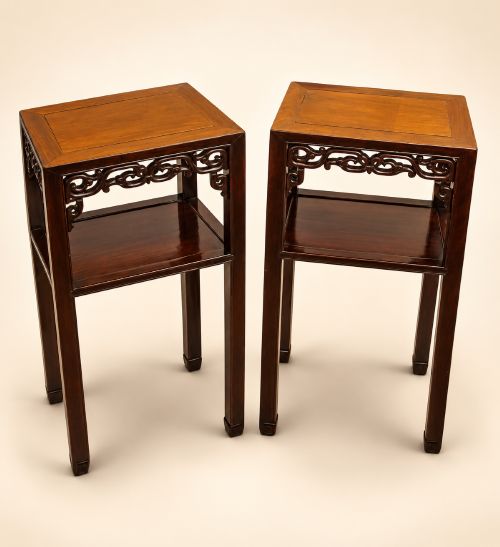
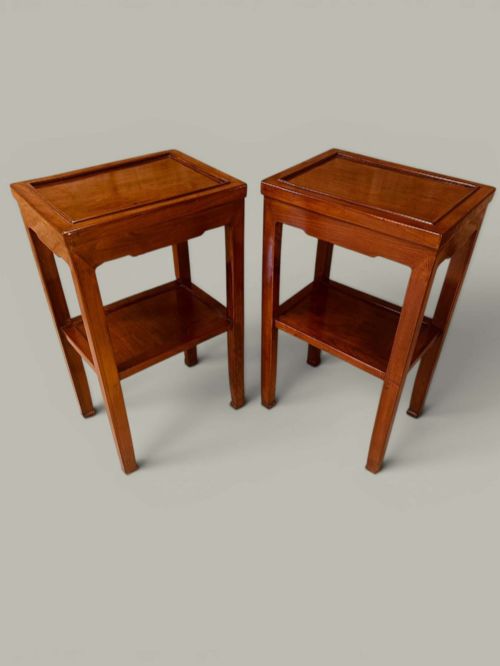
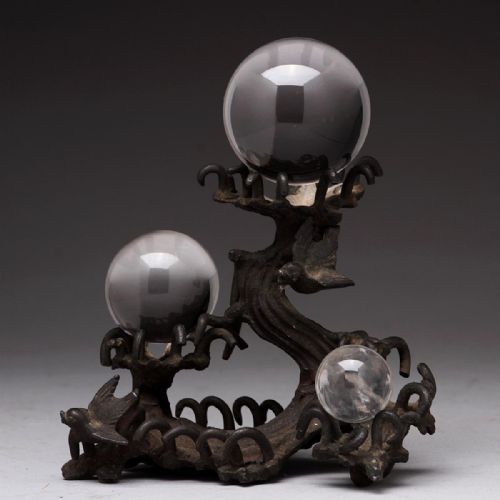
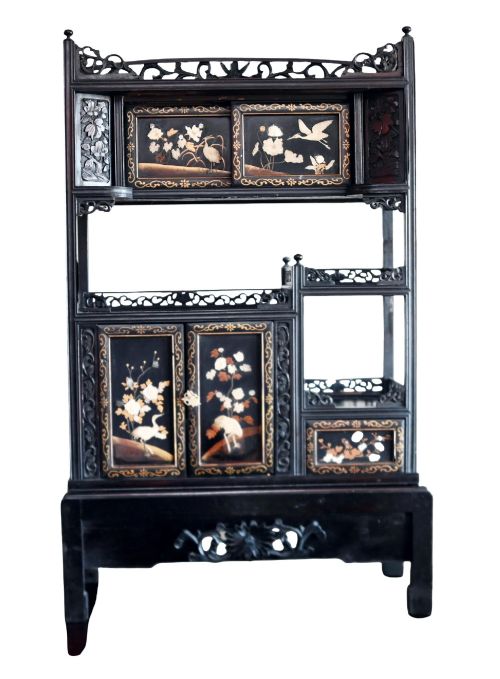
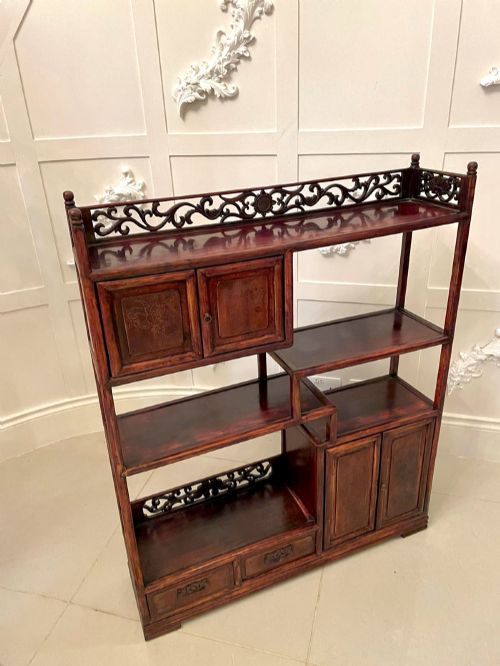
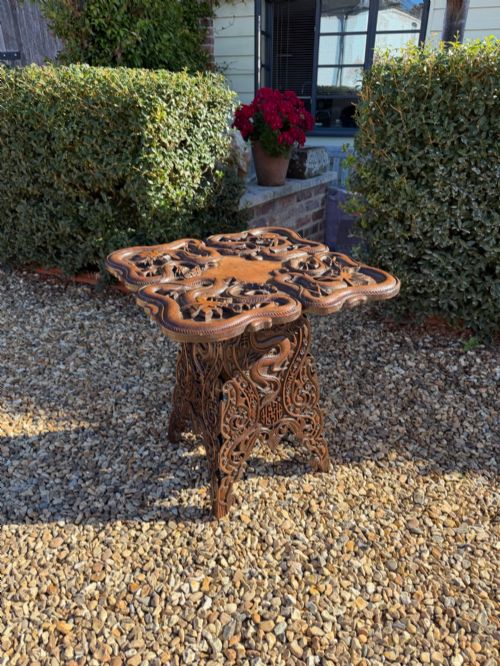
Oriental display stands serve as elevated platforms for pots, vases and small sculptures, drawing primarily on Chinese and Japanese traditions. You will frequently encounter hardwood pot stands and plant stands dating from the nineteenth century, often featuring inset marble tops or intricate carved details.
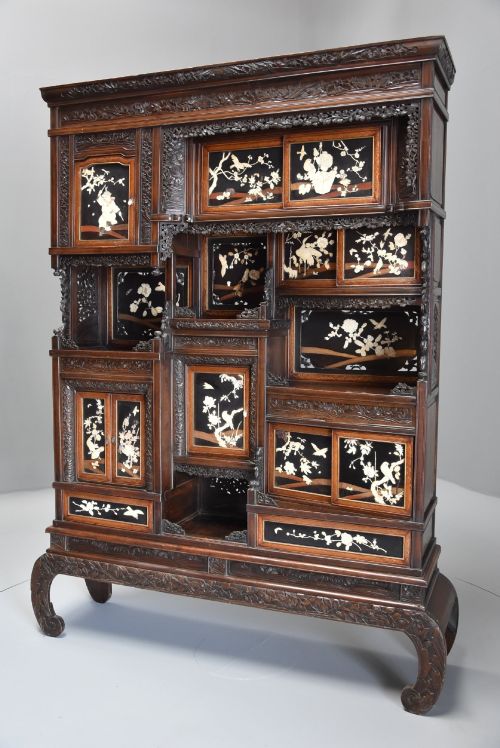
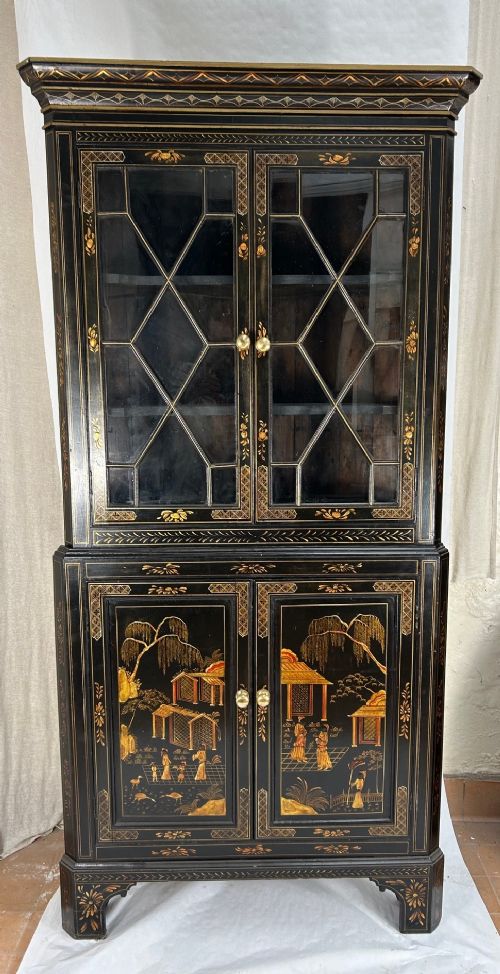
The selection extends to occasional tables, jardiniere stands and display cabinets spanning the Victorian and Edwardian eras. These pieces combine utilitarian support with decorative craftsmanship, reflecting nineteenth-century and early twentieth-century interpretations of Asian design.
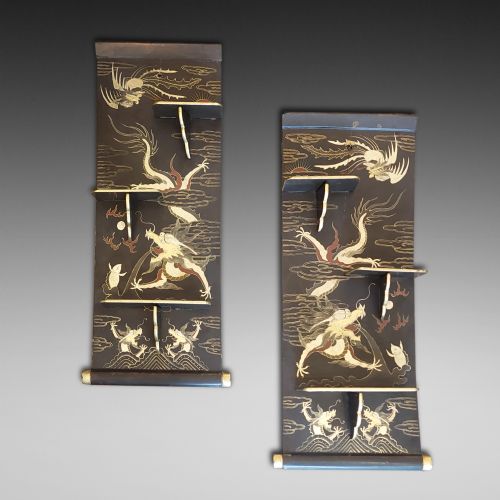
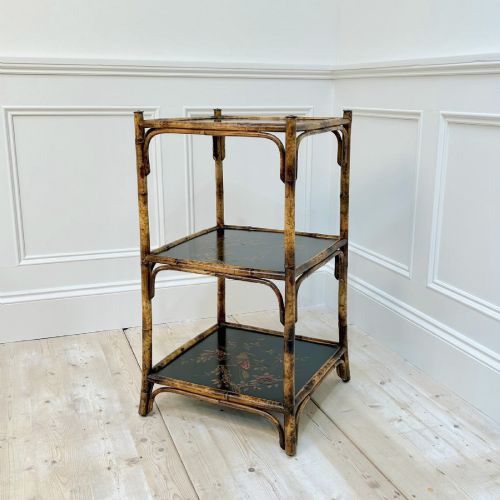
Makers and designers working in European centres also contributed to this category, producing pieces in Japonisme and Chinoiserie styles. These incorporate bamboo, lacquer and mother-of-pearl inlay alongside traditional Asian forms.
Materials and construction
Hardwoods such as rosewood, hongmu and padouk form the structural core of many stands, valued for their dense grain and dark tone. Artisans combined these timbers with polished marble inserts to create durable, heat-resistant surfaces suitable for heavy ceramic pots.
Lacquering and hand-carving techniques define the decorative surfaces, alongside applied mother-of-pearl inlay and bamboo framing. Joinery relied on traditional mortise and tenon methods to support heavy loads without metal fixings.
Oriental Display Stands Retail Price Guide 2026
Typical asking prices for oriental display stands among the pieces listed under this phrase on Sellingantiques today, from the lower quarter to the upper quarter. They describe what is for sale here now, not the wider market.
Listings feature periods spanning the Victorian and Edwardian eras alongside the nineteenth century, incorporating hardwood, marble and lacquer.
Craftsmanship and finish
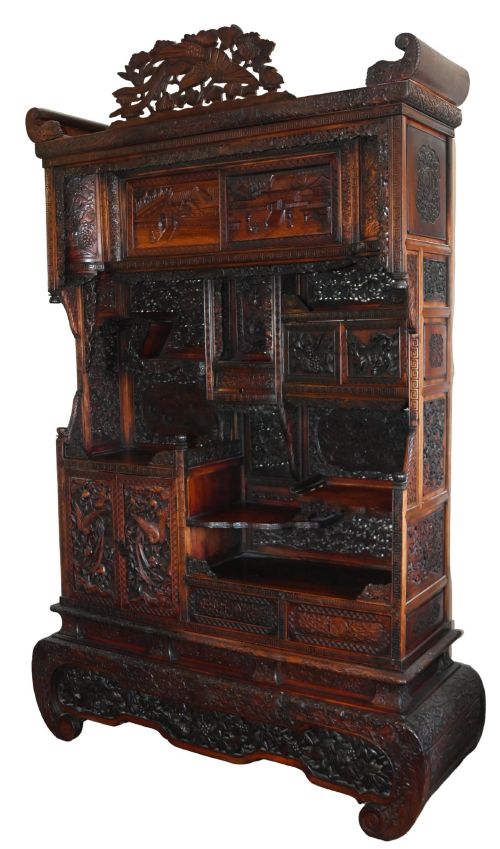
The refinement of the hand-carving separates standard production items from exceptional examples. Crisp relief work on hardwood and tightly fitted marble inserts indicate superior workshop execution.
The selection of timber grain and the depth of the lacquer finish dictate the overall presence of a piece. Uniformity in the wood and secure, stable joints determine longevity.
Gabriel Viardot·Liberty of London
The Oriental Display Stands Glossary
- Jardinerie stand
- A tall pedestal or small table specifically designed to hold a plant container or flower bowl. These items often feature circular tops and elevated legs.
- Hongmu
- A traditional Chinese term for dense, heavy hardwoods prized for their rich colour and durability in furniture making. Artisans used these timbers for stands and tables.
- Shodana
- A traditional Japanese multi-tiered display cabinet featuring staggered shelves and cupboards. These pieces were designed to exhibit small artistic objects.
- Chinoiserie
- A European artistic style reflecting Chinese motifs and techniques, popular in furniture and decorative arts during the nineteenth and early twentieth centuries. It encompasses lacquered finishes and painted scenes.
- Meiji Period
- The era in Japanese history spanning from eighteen sixty-eight to nineteen twelve, marked by opening trade with the West and intricate craftsmanship in wood and metal.
Oriental Display Stands: Frequently Asked Questions
What were oriental display stands used for?
These stands served to elevate decorative objects, pottery, bonsai trees and floral arrangements within domestic interiors. By raising items off the floor, they protected delicate surfaces and drew the eye to prized ceramics or sculptures.
In period settings, they functioned as focal points in reception rooms and parlours. Their varied heights accommodated everything from low table vessels to tall corner displays.
How do I date a nineteenth century stand?
Dating relies on timber selection, construction methods and stylistic markers recorded in the specific piece. Nineteenth-century examples often utilise dense padouk or rosewood combined with hand-carved detailing.
European interpretations from the Victorian and Edwardian eras frequently integrate bamboo, lacquer or mother-of-pearl inlay. Examining the joinery and finish helps distinguish between Qing dynasty production and later European revival pieces.
How do I incorporate these stands at home?
Oriental display stands adapt readily to modern interiors as side tables, lamp bases or plant pedestals. Their compact footprints make them suitable for hallways, corners or beside seating.
Pairing a marble-topped stand with modern ceramics or plants creates a practical surface that highlights the carved woodwork. Mixing hardwood stands with contemporary furniture adds texture and contrast to a room.
What is the difference between a pot stand and a jardiniere stand?
Pot stands generally feature lower, more compact profiles designed to support heavy ceramic vessels directly. They often incorporate inset marble tops to prevent water damage from plants.
Jardiniere stands tend to be taller and more slender, created specifically to display flowering plants or decorative bowls at eye level. Both types utilise sturdy hardwood frames to bear significant weight.