


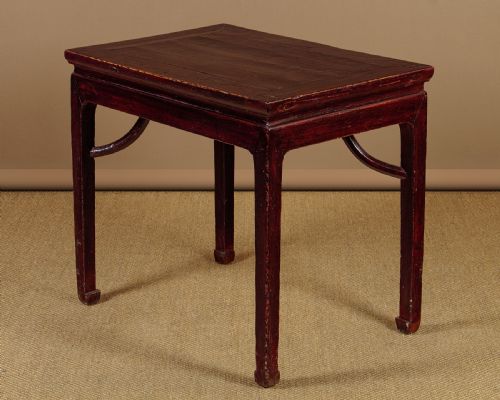


Asian Hardwood Stool Table
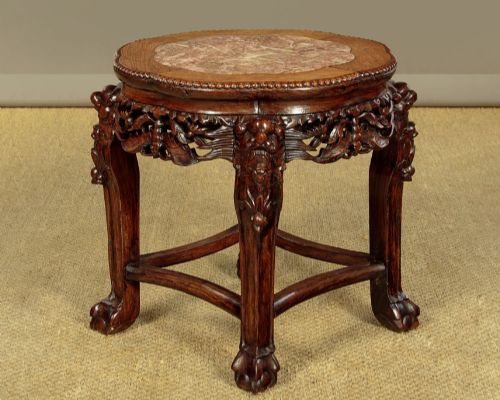
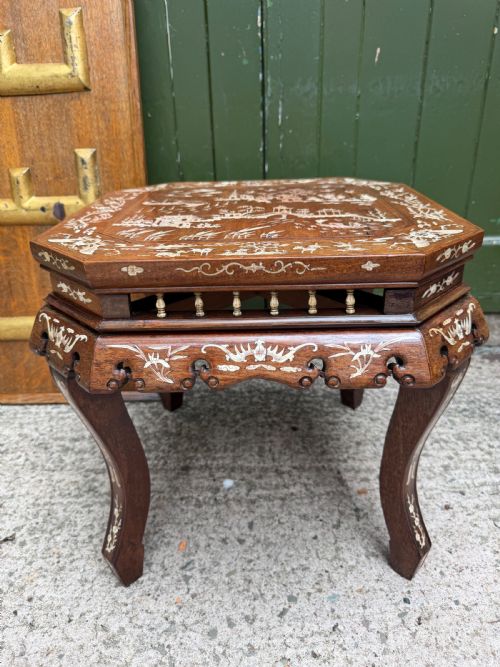
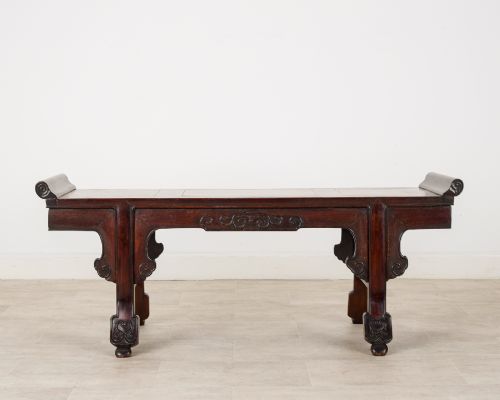
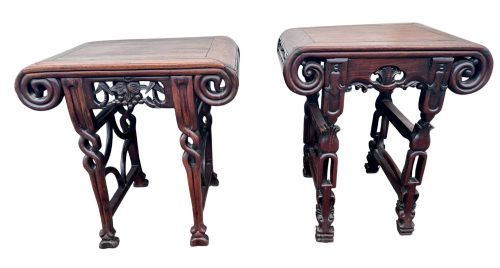
These asian hardwood stool table pieces are versatile low seating and display surfaces brought from nineteenth-century workshops to anchor a room.
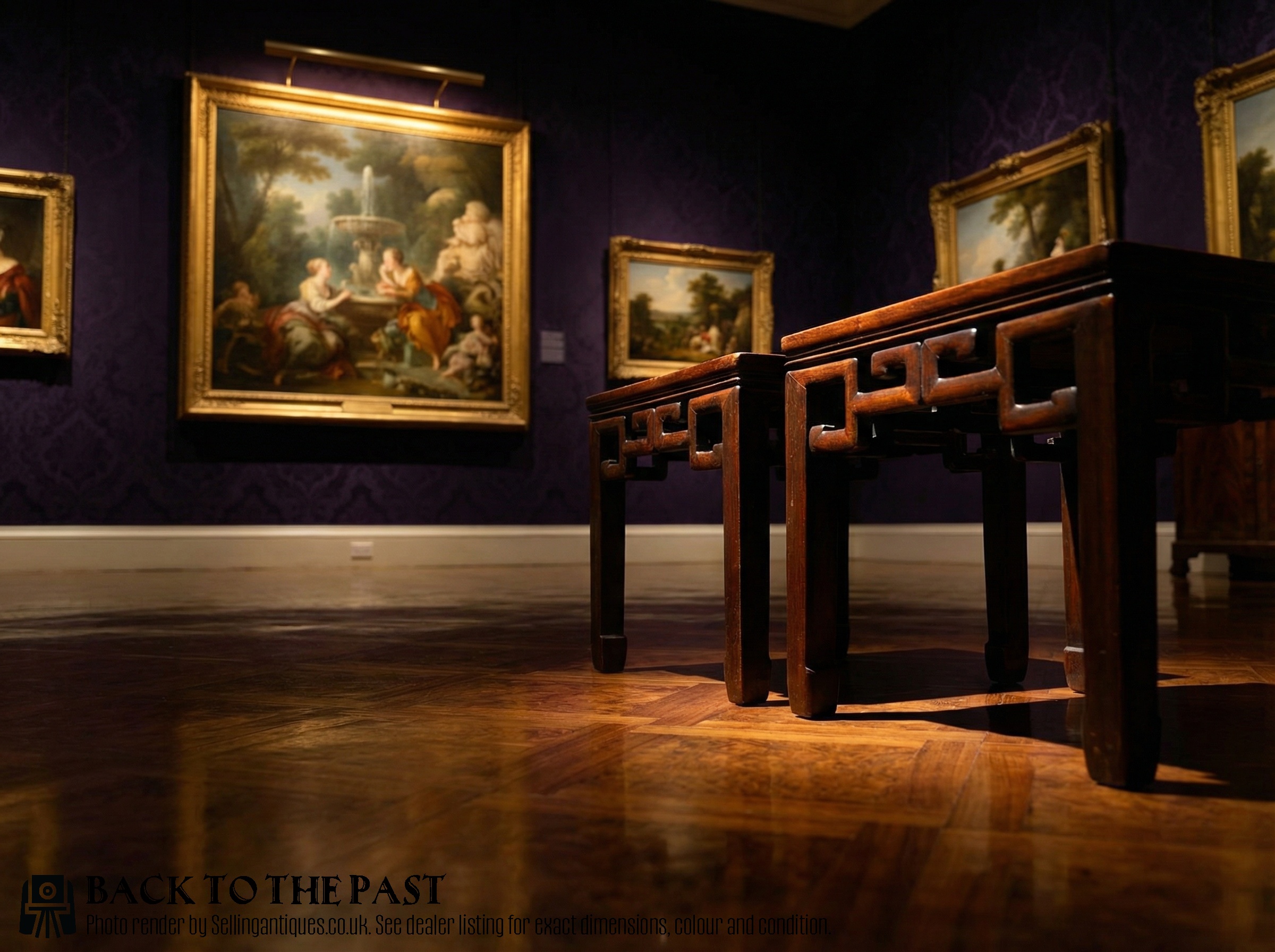
Asian Hardwood Stool Table
An asian hardwood stool table spans a range of domestic forms from the nineteenth century, functioning equally as a stool, bench, plant stand or low occasional table. These pieces emerge from Chinese provincial, traditional and Qing dynasty traditions, alongside Japanese Meiji period examples.
You will most frequently encounter compact stools, side tables and circular or square stands designed to elevate plants, lamps or porcelain. Larger items in the selection include low benches and altar-style window seats suited for narrow spaces.
The diverse vocabulary of these listings embraces rustic elm timbers and highly formal hongmu display furniture. Each object serves a dual domestic purpose, bridging the gap between utilitarian seating and ornamental display.
Assessing quality and finish
Quality rests in the precision of the joinery and the selection of the timber, where dense hongmu and well-figured elm outrank simpler utility woods. Superior pieces display crisp, deep carving that retains its definition across structural elements.
The integration of inset materials such as marble or porcelain panels separates standard utility furniture from finer decorative stands. Clean alignment of timber frames and intact inlay work indicate higher workshop standards.
Some nineteenth-century tables double as drum-shaped seats inlaid with mother-of-pearl for unexpected nighttime sparkle.
The Asian Hardwood Stool Table Glossary
- Hongmu
- A traditional Chinese term denoting dense, heavy hardwoods prized for dark colour and fine grain. These timbers form the structure of many high-status nineteenth-century stands.
- Meiji Period
- The era in Japanese history spanning from eighteen sixty-eight to nineteen twelve, associated here with hardwood stands produced for export and domestic use.
- Qing Dynasty
- The final imperial dynasty of China, lasting from sixteen forty-four to nineteen twelve. Pieces from this period often display formal carved motifs and traditional joinery.
- Jardiniere
- An ornamental pot or stand designed to hold a plant or floral arrangement. These low tables frequently serve this display function in a room.
- Elm
- A resilient native timber utilised in provincial Chinese furniture. It provides strong framing for simpler side tables and benches.
Asian Hardwood Stool Table: Frequently Asked Questions
What is an asian hardwood stool table used for?
These pieces serve multiple functions across the home, acting as compact seating, low side tables, or sturdy stands for lamps and plants. Their modest height makes them particularly adaptable for smaller spaces.
Larger variations such as benches and altar seats offer alternative seating options, while circular stands elevate decorative objects.
How do I identify a nineteenth-century piece?
Nineteenth-century examples show traditional joinery methods without modern metal fasteners, utilising dense Asian hardwoods like hongmu and elm. Wear patterns and patination on the timber reflect extended domestic use.
Stylistic cues link these items to Qing dynasty traditions or the Meiji period, often featuring hand-carved details or inset marble panels.
Can these tables support heavy objects?
The dense hardwoods used in these pieces provide substantial structural strength for everyday items.
Stands with inset marble or porcelain panels are particularly suited to supporting heavy ceramic planters, lamps, or bronze vessels.
Where were these pieces made?
The selection originates primarily from Chinese provincial and traditional workshops, alongside Japanese Meiji period makers.
Production methods varied from regional utilitarian carpentry to formal urban workshops crafting elaborate display furniture.
How do I care for hardwood furniture?
Maintain the timber by keeping the surface away from direct heat sources and sudden humidity changes to prevent wood movement.
Dust regularly with a dry cloth and occasionally apply appropriate natural wax to nourish the dense hardwood grain.