



Pair Chinese End Tables
Pair chinese end tables bring dual balance to a room, offering matched surfaces fashioned from hardwood, lacquer, and marble across Qing Dynasty and Chippendale styles.
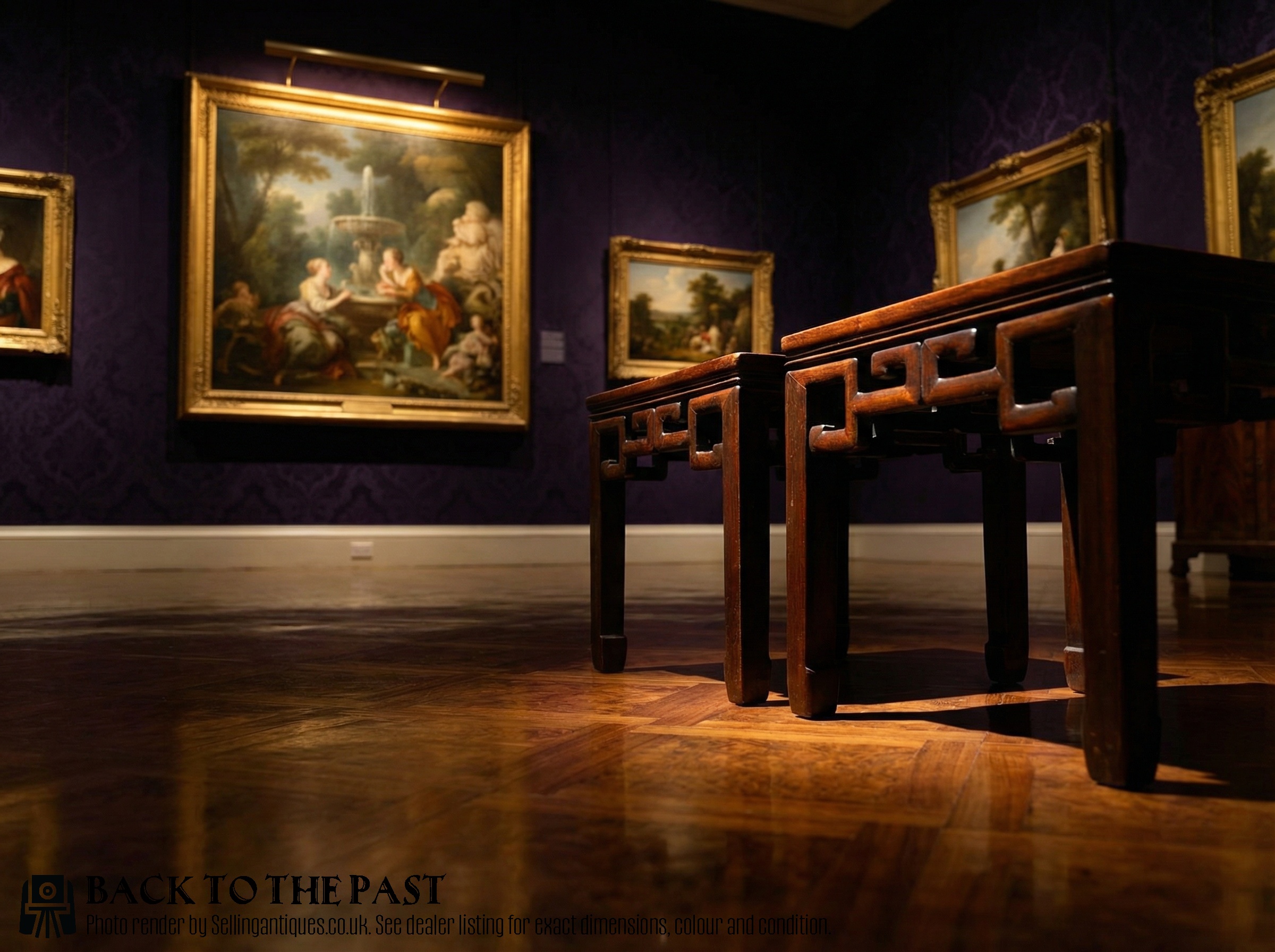
Pair Chinese End Tables
When you search for pair chinese end tables, you encounter matched sets functioning as side tables, lamp tables, plant stands, and bedside cabinets. These pieces bridge traditional eastern forms and western decorative traditions.
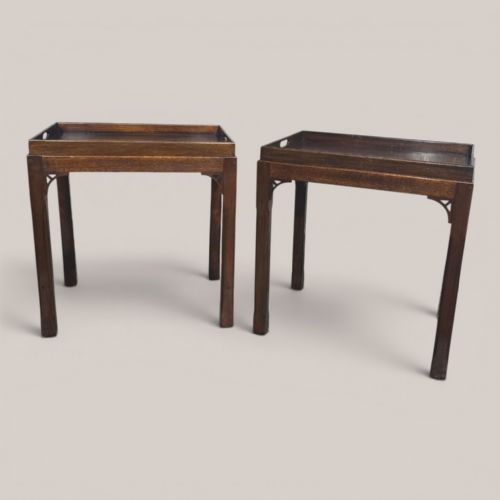
The selections span the late nineteenth century through to the early decades of the twentieth century, encompassing Qing Dynasty origins alongside Chippendale and Chinoiserie interpretations.
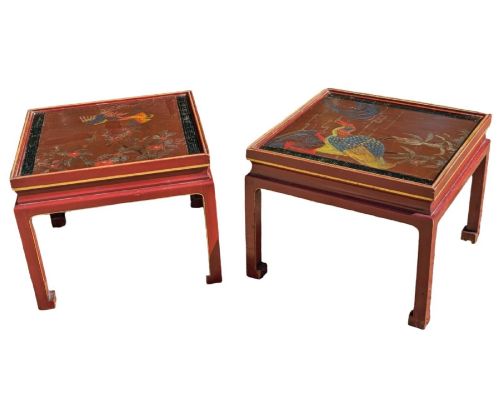
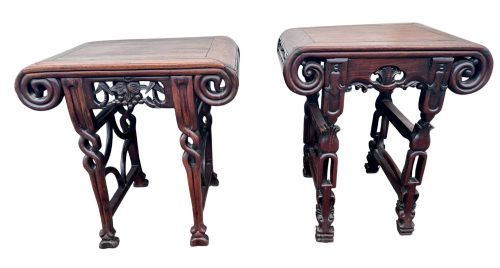
You are most likely to meet hardwood and rosewood examples featuring carved details, as well as occasional lacquer and folding forms designed for versatile placement.
How they were made
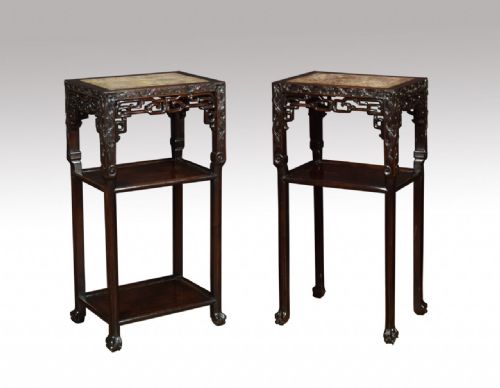
Construction relies heavily on dense woods such as hardwood, rosewood, huali, huanghuali, and hongmu, shaped through traditional joinery and detailed carving. Tables frequently incorporate inset panels of rouge marble or porcelain.
Alternative finishes utilise lacquer and cloisonne enamel, applying colourful decorative layers and metallic detailing to wooden foundations.
Materials recorded across the selection include rosewood, marble, lacquer, porcelain, and cloisonne enamel.
What varies in quality
The depth and crispness of the carved ornamentation separate standard production from superior examples, alongside the weight and selection of the primary wood. Dense huali and hongmu timbers denote high-grade construction.
The choice of inset surface also dictates standing, where solid rouge marble or painted porcelain panels demand greater craftsmanship than plain wooden tops.
The Pair Chinese End Tables Glossary
- Hardwood
- Dense timber species native to Asia, utilised for durable furniture frames. These woods support intricate relief carving without splitting.
- Cloisonne Enamel
- Metalwork technique using enamel-filled compartments on a base. This decorative method introduces vibrant colour to furniture surfaces.
- Qing Dynasty
- The final imperial dynasty of China, spanning the seventeenth to early twentieth centuries. Pieces from this era often display traditional motifs and formal symmetry.
- Chippendale
- An eighteenth-century English furniture style that heavily influenced global cabinetmaking. Makers often combined these western silhouettes with oriental decorative schemes.
- Jardiniere stand
- A tall decorative table originally intended to hold potted plants. These tall stands frequently serve as lamp or end tables today.
Pair Chinese End Tables: Frequently Asked Questions
What rooms suit these tables?
These matched sets fit easily beside seating in a drawing room or as bedside cabinets in a bedroom, providing symmetrical surfaces.
Their compact footprints allow them to function as lamp tables or plant stands without dominating the floor space.
How do I date the wood?
Dating relies on identifying the timber density and carving style, with nineteenth-century pieces showing heavy hardwood construction.
Later items from the early twentieth century often incorporate folding mechanisms or lighter lacquer finishes.
Are marble tops original?
Inset rouge marble tops commonly appear in late nineteenth-century Qing Dynasty stands and low tables.
These stone inserts provide a cool, flat surface that contrasts with the carved wooden frames.
How do I care for lacquer?
Lacquer surfaces require gentle dusting with a dry cloth and protection from direct sunlight and excessive heat.
Avoiding moisture prevents the decorative finish from lifting over time.