






Qing Style Pedestal
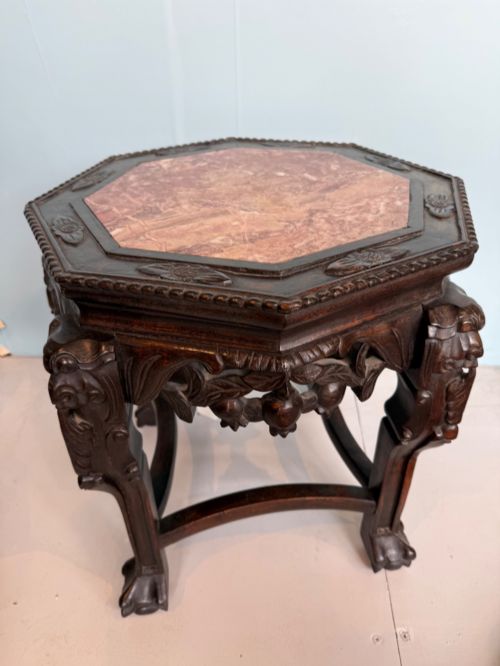
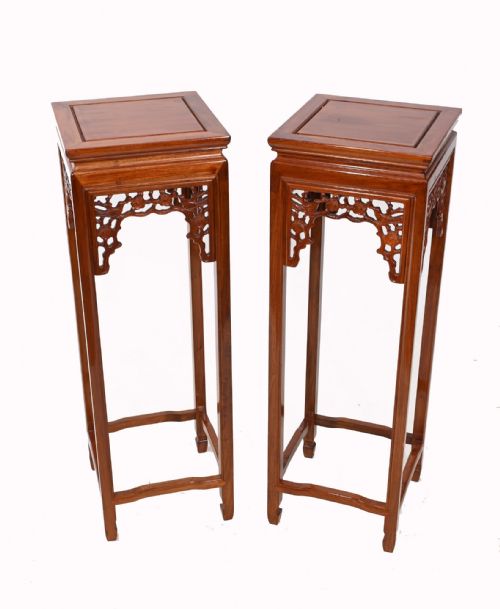
These Qing style pedestal pieces are carved hardwood and marble tables designed to display plants and vases with traditional Chinese elegance.
Qing Style Pedestal
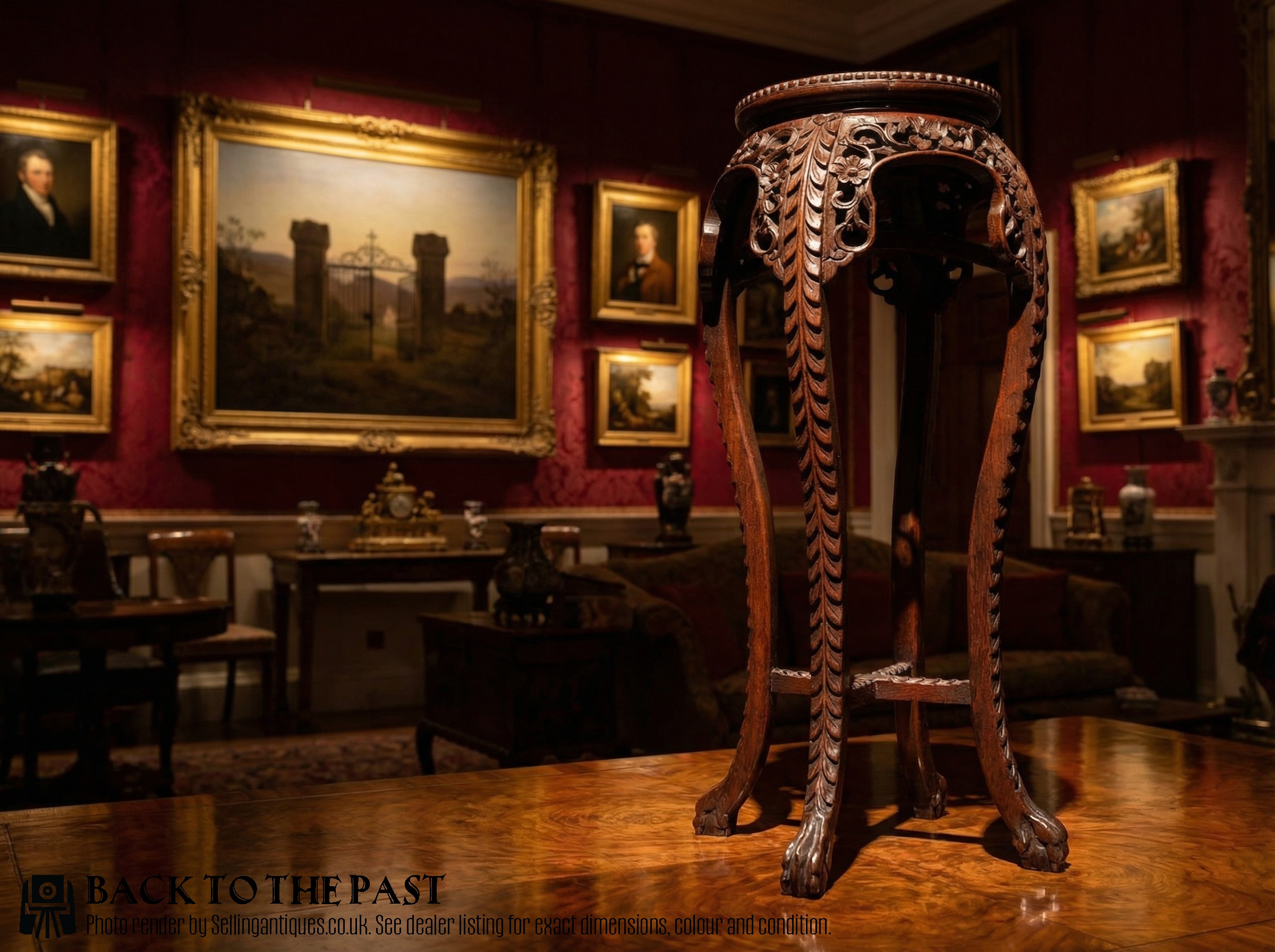
When you search for qing style pedestal examples, you encounter stands and tables created to elevate heavy ceramic vessels, plants, and decorative objects. The selection on this page consists primarily of plant stands, occasional tables, and jardiniere stands dating from the nineteenth and early twentieth centuries.
These items originate from Chinese traditional and export traditions, bringing distinct oriental craftsmanship into western interiors. You will find forms ranging from octagonal occasional tables to tall torchère stands, all built to support display items securely.
How they were made
Maker workshops utilised dense timber and durable hardwood, frequently identifying specific stocks such as rosewood and ebonised wood to build sturdy frames. These structural elements were often intricately carved with traditional motifs.
Masons fitted polished marble into the top surfaces of these stands to provide a cool, stable display area resistant to moisture from plant pots. Certain pieces also incorporate mother of pearl inlay set directly into the wood.
Qing Style Pedestal Retail Price Guide 2026
Typical asking prices for qing style pedestal among the pieces listed under this phrase on Sellingantiques today, from the lower quarter to the upper quarter. They describe what is for sale here now, not the wider market.
Listings feature items from the nineteenth century, the Victorian era, and the early twentieth century, constructed from hardwood, rosewood, and timber.
What varies in quality
The standard of carving dictates the visual appeal, ranging from shallow linear patterns to deeply undercut figures and foliage that show high sculptural depth. The precision of joinery in the hardwood frame further separates standard workshop production from finer examples.
The quality of the inset marble slab, including its grain and polish, influences the overall character of the piece. Additionally, the presence and execution of mother of pearl inlay mark the distinction between simpler timber tables and more elaborate decorative works.
The Qing Style Pedestal Glossary
- Jardiniere stand
- A tall pedestal or small table specifically designed to hold a heavy ceramic flower pot or jardiniere.
- Torchère
- A tall standing pedestal or column originally built to support a lamp or candleholder.
- Hardwood
- Dense and durable timber selected by makers for intricate carving and load-bearing strength.
- Marble top
- A polished stone slab fitted flush into the wooden frame of a table or stand.
- Mother of pearl inlay
- Iridescent shell fragments embedded into wooden surfaces to create decorative patterns.
Qing Style Pedestal: Frequently Asked Questions
What is a qing style pedestal used for?
These pieces were traditionally built to elevate heavy items such as ceramic planters, bronze vases, and lamps above floor level. They served practical functions in domestic spaces while displaying decorative objects.
Today, buyers use them as plant stands, lamp tables, or independent accent pieces in various rooms. Their sturdy construction makes them suitable for supporting objects safely.
How do I identify a nineteenth century piece?
Nineteenth century examples typically display dense hardwood construction, traditional hand carving, and fitted marble tops. Examining the joinery and the ageing of the timber helps determine the era of production.
Many pieces from this period reflect Chinese export styles intended for western markets. The presence of period materials like rosewood and hand-cut mother of pearl inlay provides further guidance.
Are these tables sturdy enough for plants?
These stands were specifically engineered to hold heavy ceramic planters and jardiniere vessels securely. The combination of dense hardwood and inset marble provides a solid platform.
When placed on a level surface, they easily support potted plants and decorative items. The heavy timber frames maintain balance under standard loads.
What materials are common in these stands?
The primary material is dense hardwood, with specific items noting rosewood, ebonised timber, and general wood stock. These woods were chosen for their strength and suitability for deep carving.
Marble is frequently integrated as an inset top surface, offering a smooth and resilient display area. Some examples also feature mother of pearl inlay details.