



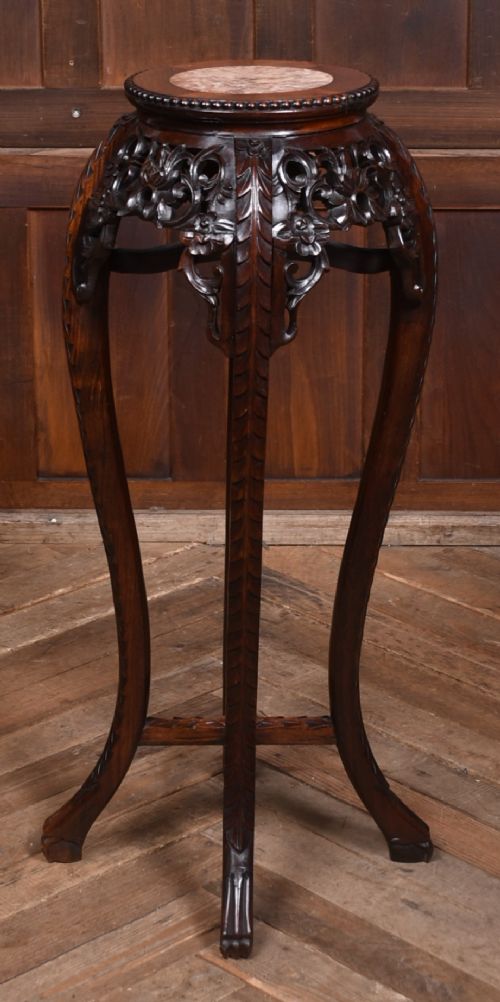


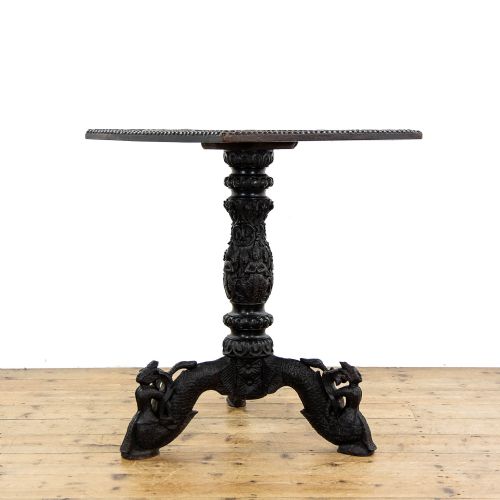


Vintage Asian Plant Pedestal
These vintage asian plant pedestal pieces bring sculptural form and rich timber to interiors, offering a sturdy stage for greenery and ceramics.
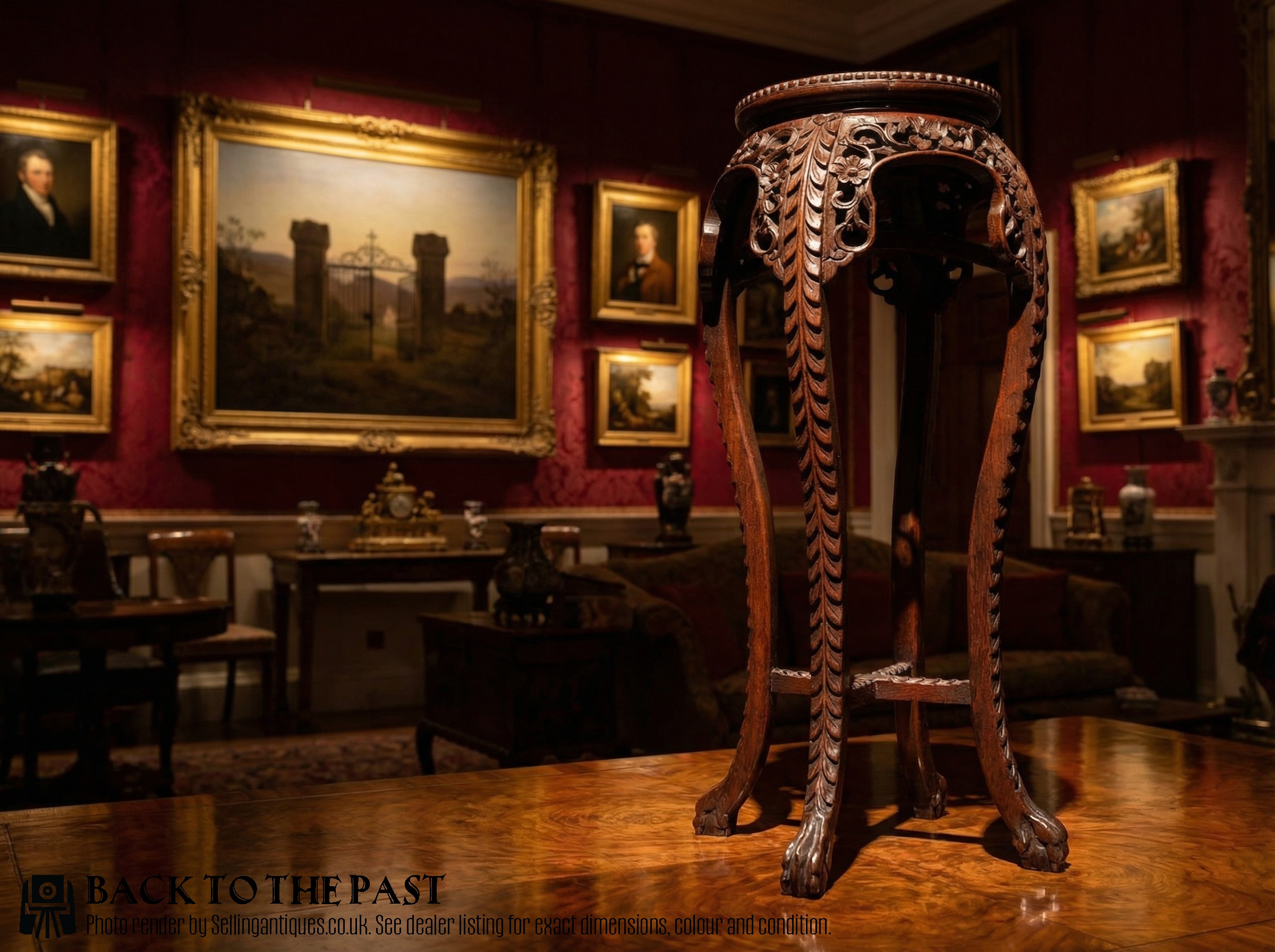
Vintage Asian Plant Pedestal
When you search for a vintage asian plant pedestal, you are looking at sturdy wooden stands designed to elevate vessels, jardinieres, and decorative objects. These functional items range from simple low stools to intricately carved display tables intended to showcase flora within domestic spaces.
The versions most commonly met on this page date from the late nineteenth century through to the early decades of the twentieth century. They draw on diverse regional aesthetics, encompassing Chinese export workshops and Japanese Meiji period design traditions.
Makers shaped these objects primarily as plant stands, occasional tables, and side tables. Their forms vary from circular marble-topped pedestals to sculptural animal figures supporting flat display surfaces.
How they were made
Artisans relied heavily on dense hardwoods such as rosewood and ebonised timber to construct these pedestals. These durable woods provided the necessary structural integrity to support heavy stone insets and frequent use.
Many surfaces feature intricate carved decoration, mother-of-pearl inlay, or painted lacquer finishes. Workshops occasionally applied gold leaf to highlight specific relief details against the dark timber ground.
Inset marble tops served both a decorative and a practical purpose, providing a cool, water-resistant surface for potted plants. Craftsmen fitted these stone panels precisely into wooden frames to accommodate natural timber movement.
Vintage Asian Plant Pedestal Retail Price Guide 2026
Typical asking prices for vintage asian plant pedestal among the pieces listed under this phrase on Sellingantiques today, from the lower quarter to the upper quarter. They describe what is for sale here now, not the wider market.
Some wooden elephants double as plant stands, offering their sculpted tusks and curved backs entirely for botanical display.
What varies in quality
The standard of carving defines the distinction between standard production and exceptional work. Crisp, deep relief work with well-defined motifs indicates a more skilled hand than shallow, machine-like surface scoring.
The selection and preparation of the timber also determine overall quality. Heavier, dense hardwoods and well-figured marble inserts elevate the piece, ensuring stability and visual richness.
The Vintage Asian Plant Pedestal Glossary
- Hardwood
- Dense, durable timber slow to grow, highly prized for structural stability and fine carving detail. Examples include rosewood and ebonised varieties.
- Jardiniere
- An ornamental pot or stand designed specifically to hold plants and flowers indoors. They form the primary functional counterpart to these pedestals.
- Meiji Period
- The era in Japanese history spanning from eighteen sixty-eight to nineteen twelve, known for refined craftsmanship and export arts. Pieces from this time often display distinct sculptural traits.
- Mother of Pearl
- Iridescent inner shell material used by artisans to create contrasting inlay patterns on dark wooden surfaces. It catches the light with subtle tonal shifts.
- Qing Dynasty Style
- Aesthetic traditions originating from the final imperial dynasty of China, influencing later export pieces with characteristic motifs and formal balance.
Vintage Asian Plant Pedestal: Frequently Asked Questions
What were plant pedestals used for?
These pieces served primarily to elevate potted plants, jardinieres, and heavy ceramic vases off the floor. By raising the greenery, households protected their timber flooring from moisture and displayed botanical specimens more prominently within reception rooms.
Beyond holding plants, the flat tops frequently functioned as occasional tables or side tables for lamps and decorative objects. Their sturdy frames allowed them to double as low stools in certain domestic arrangements.
How do I date an antique pedestal?
Dating relies heavily on observing construction methods, timber choice, and stylistic markers recorded in pieces from periods like the nineteenth century or early twentieth century. Examine the joinery and the wear patterns on the feet to understand the age of the item.
Stylistic influences, such as specific Meiji period motifs or Qing dynasty design elements, provide further clues. Compare the carving depth and finish against documented examples from similar eras.
Are marble tops original?
Most marble inserts found in these stands are original to the piece, fitted tightly into a recessed wooden channel. The stone was selected to withstand moisture from watering plants while offering a contrasting textural element.
Inspect the fit of the marble within the wooden frame to gauge authenticity. A secure, flush fit that accommodates natural timber movement typically indicates original construction.