

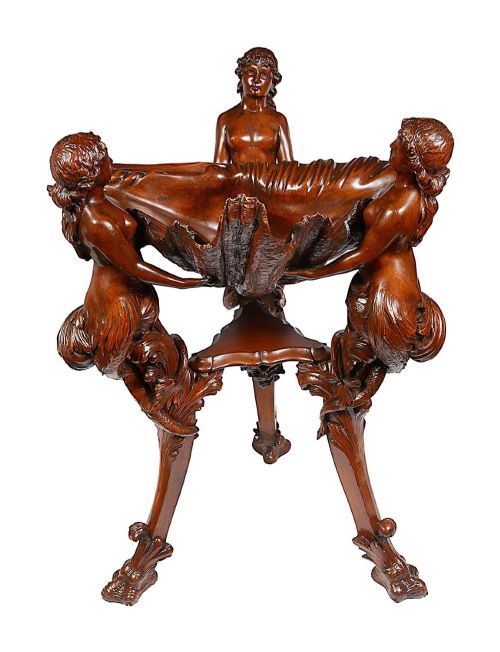
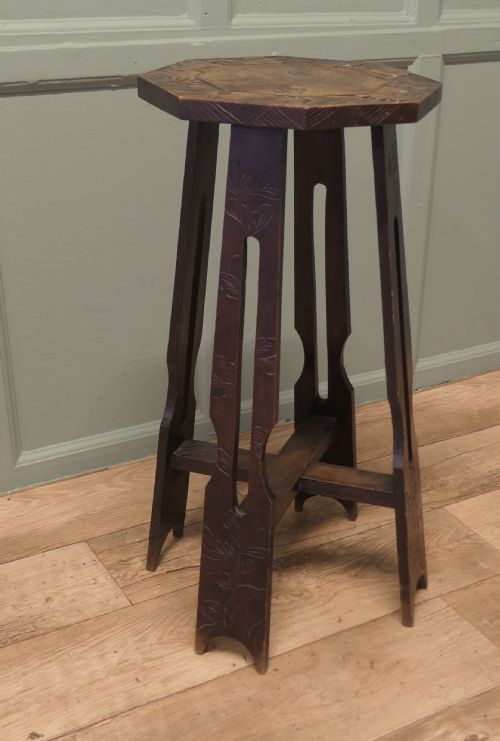
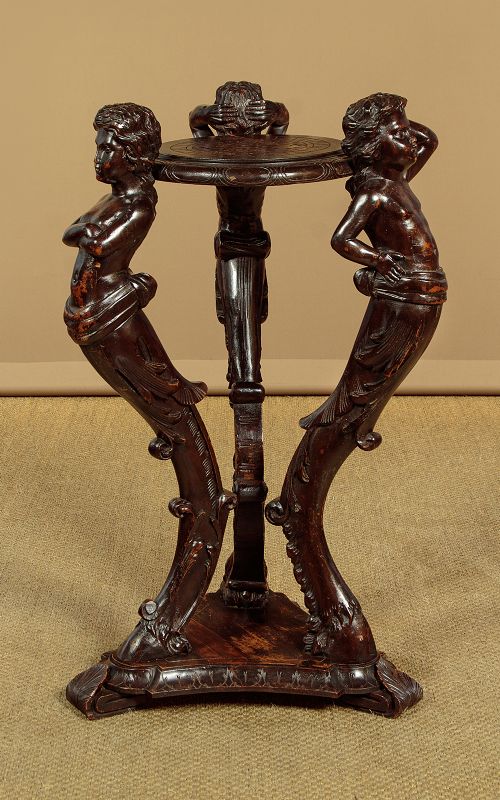
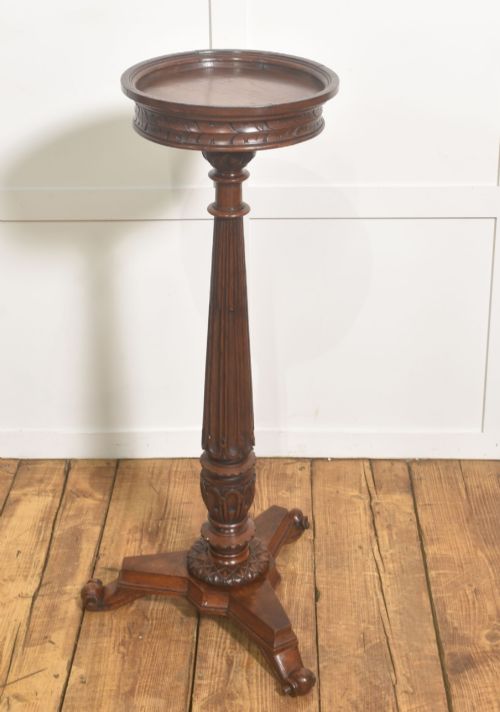

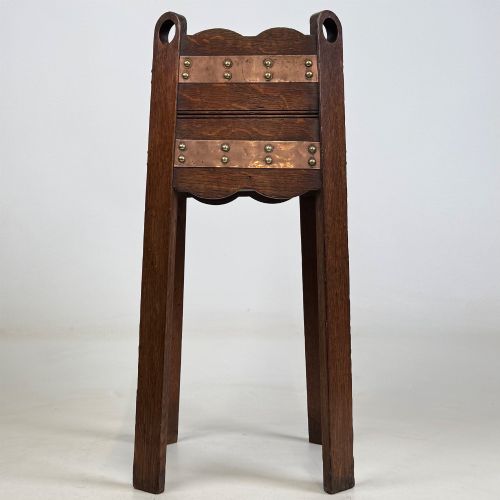
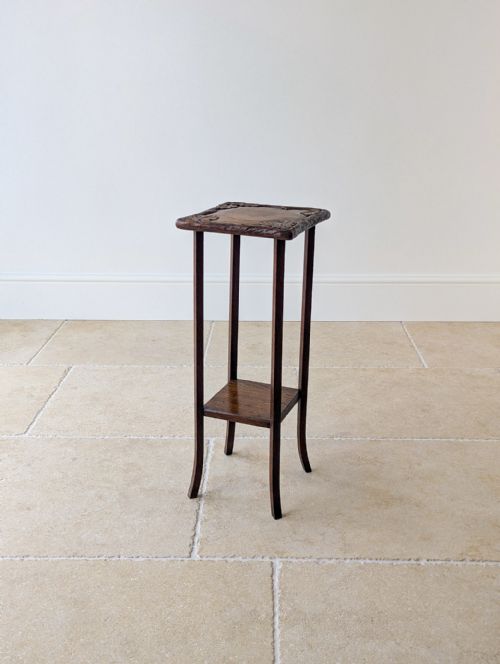
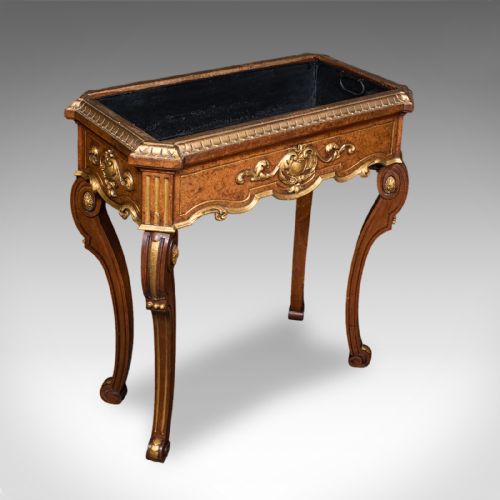
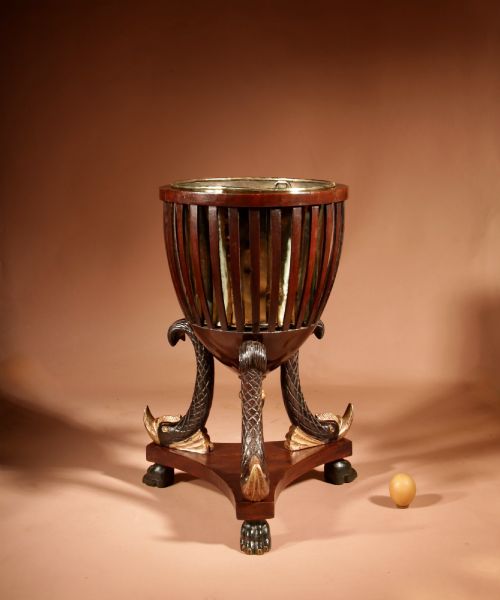
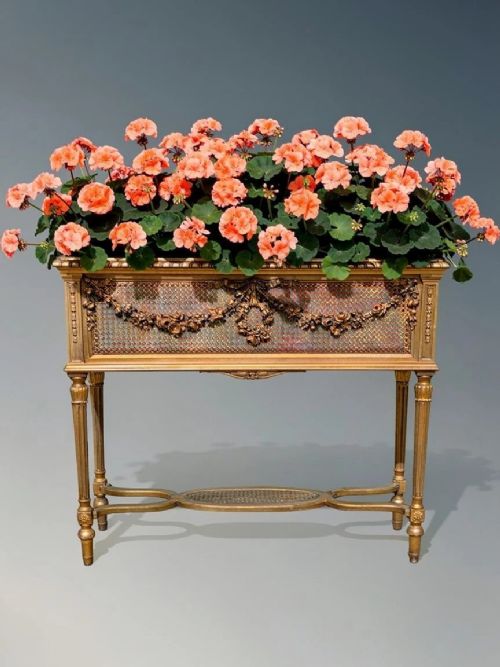
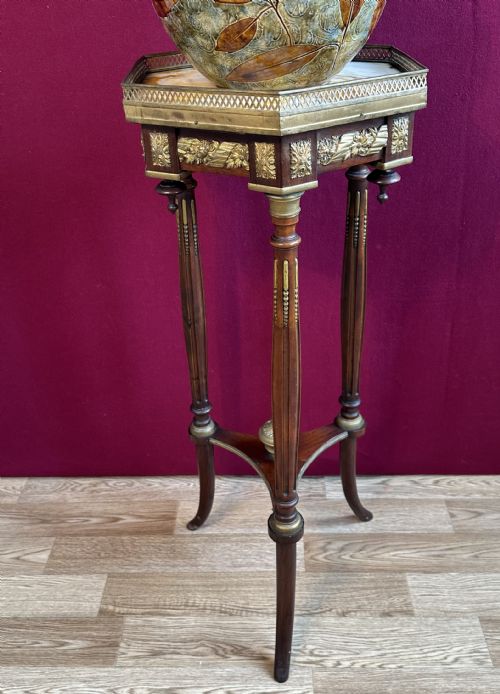
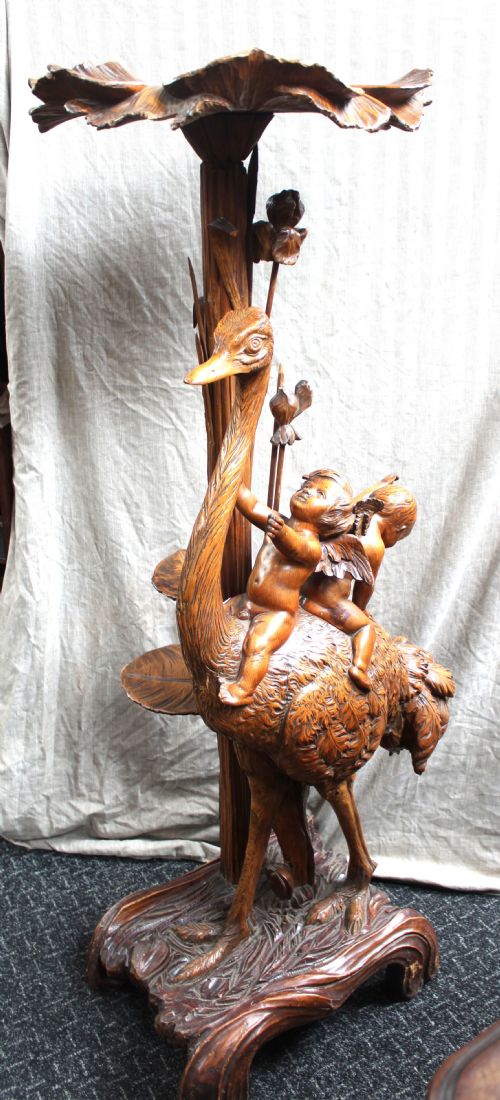
Carved Jardiniere Stand
A carved jardiniere stand holds heavy plants, trailing greenery, or decorative vessels above the floor.
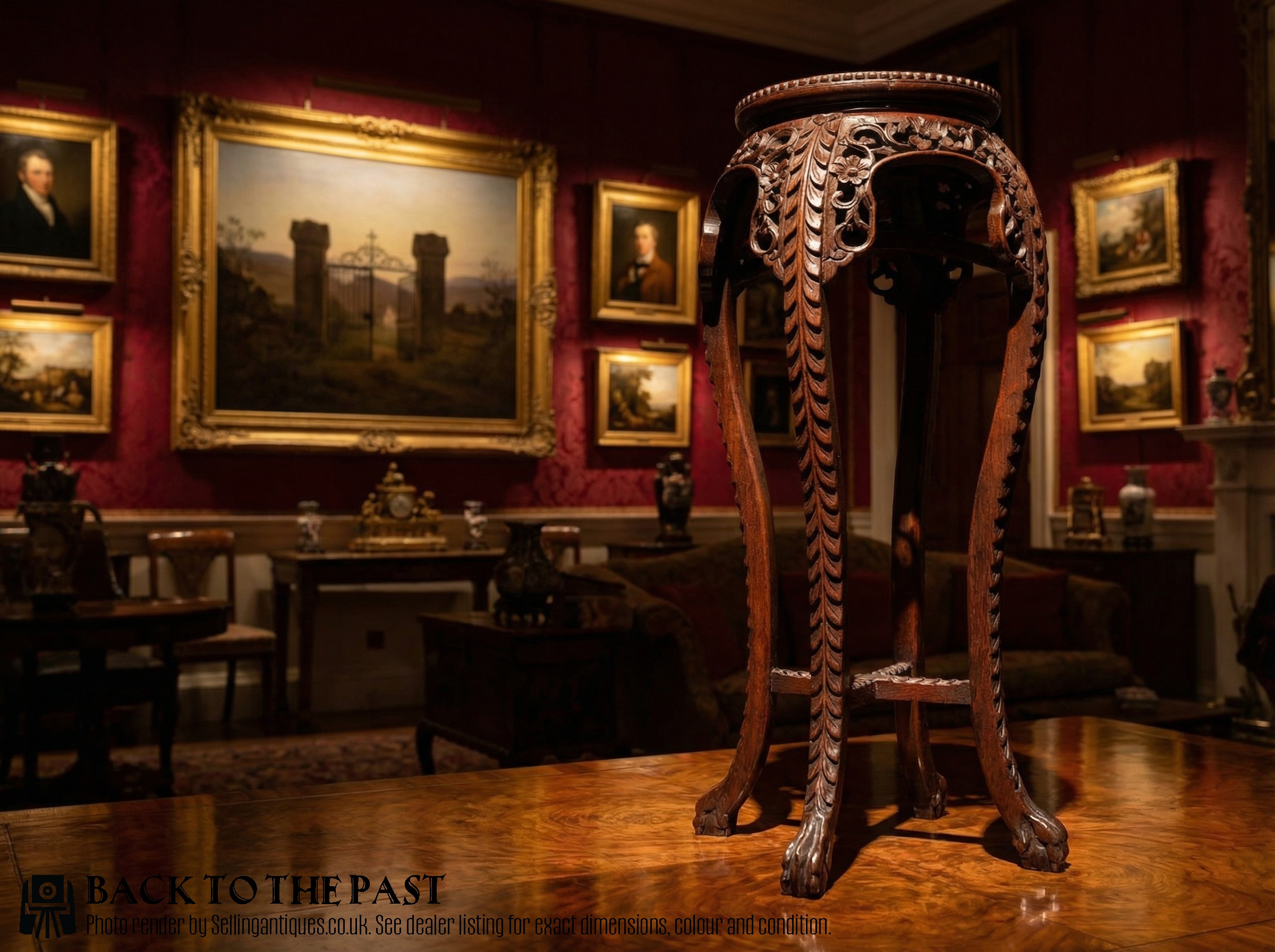
Carved Jardiniere Stand
A carved jardiniere stand provides an elevated platform for indoor plants, ornamental pots, and flower bowls within domestic interiors. When exploring this marketplace for a carved jardiniere stand, buyers encounter a diverse range of forms originating from various regional traditions and stylistic periods.
How They Were Made
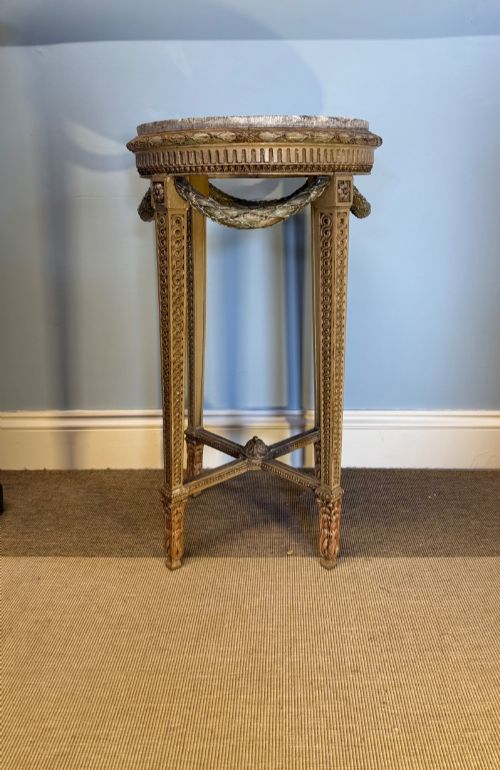
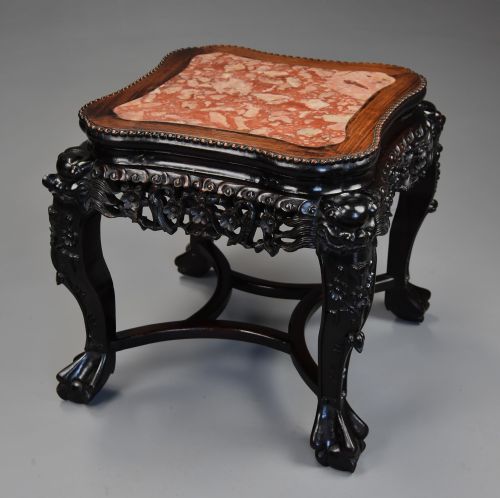
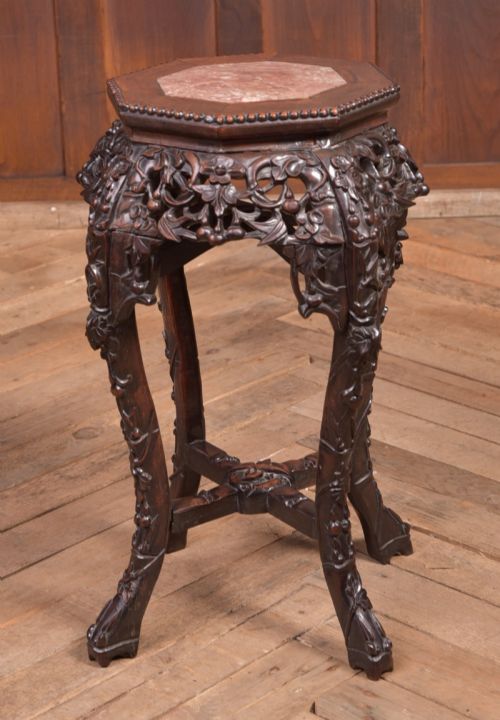
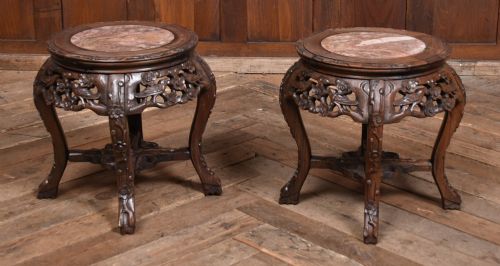
Maker workshops utilised dense timbers such as rosewood, padouk, oak, and walnut to support heavy ceramic and stone vessels without warping. Carved ornamentation ranges from classical foliage and twist turning to intricate oriental motifs cut directly into the solid wood.
Many examples incorporate inset panels of variegated rouge or white marble to create a water-resistant surface for damp pots. Giltwood, ebonised finishes, and brass accents further define the structural appearance of European and colonial pieces.
Carved Jardiniere Stand Retail Price Guide 2026
Typical asking prices for carved jardiniere stand among the pieces listed under this phrase on Sellingantiques today, from the lower quarter to the upper quarter. They describe what is for sale here now, not the wider market.
Some nineteenth-century makers doubled their stands as wine coolers and decanter caddies for thirsty botanists.
What Varies in Quality
The standard of carving distinguishes standard production from exceptional examples, with deeper relief work and crisper detailing marking out superior execution. The selection of timber grain, particularly in Chinese hardwoods and figured European walnut, dictates the visual weight of the stand.
Structural integrity relies on the tightness of joints and the stability of the base, especially in tall tripod or multi-tiered formats designed to bear significant top-heavy weight.
Liberty of London·Thomas King
The Carved Jardiniere Stand Glossary
- Jardiniere
- An ornamental pot or stand for holding plants and flowers. These vessels often sit atop dedicated pedestals or tables.
- Hongmu
- A traditional Chinese term for dense, dark hardwood used in fine furniture making. Pieces in this material frequently display intricate floral carvings.
- Torchere
- A tall ornamental stand or candlestick originally designed to hold a light source. In later periods, these forms were adapted to display plants and vases.
- Padouk
- A heavy tropical hardwood valued for its strength and rich colouration. It appears frequently in nineteenth-century oriental stands.
- Caned
- Woven plant material utilised for shelf inserts or decorative panels. This technique adds textural contrast to wooden frames.
Carved Jardiniere Stand: Frequently Asked Questions
What is a carved jardiniere stand?
A carved jardiniere stand is a raised piece of furniture designed to display potted plants and floral arrangements off the ground. These stands combine decorative carving with a sturdy platform.
They appear in various heights, from low table forms to tall pedestals intended to highlight specific botanical specimens in a room.
How were these stands used originally?
In period interiors, these stands held heavy ceramic planters filled with ferns, palms, and cut flowers. The elevated placement protected delicate flooring from moisture.
They also served as display surfaces for porcelain vessels, lamps, and decorative objects in principal reception rooms.
Why do many stands have marble tops?
Marble inset tops provided a durable, water-resistant surface that protected the underlying wood from dampness leaking through drainage holes. This practical feature was widely adopted in both European and Chinese designs.
Over time, the stone surface also added considerable weight, improving the overall stability of the stand when supporting large plants.