





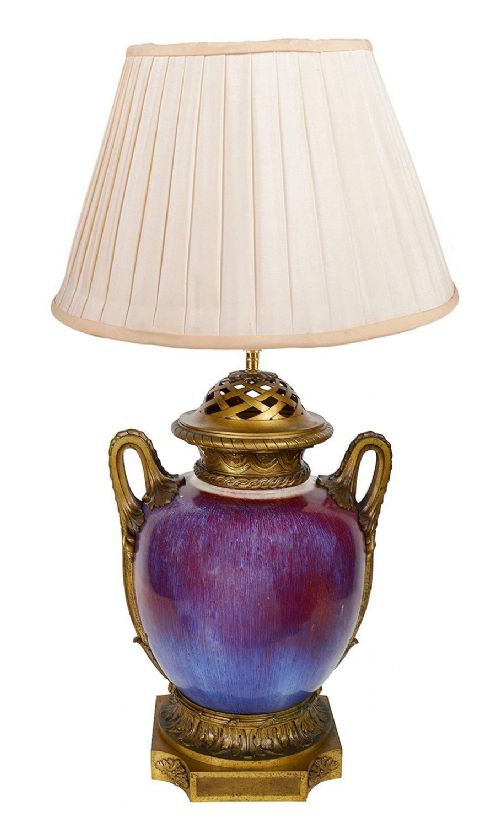


Qing Dynasty Style Table
A qing dynasty style table brings carved hardwood, marble inserts and lacquered surfaces into a room, offering practical display space with distinct historical character.

Qing Dynasty Style Table
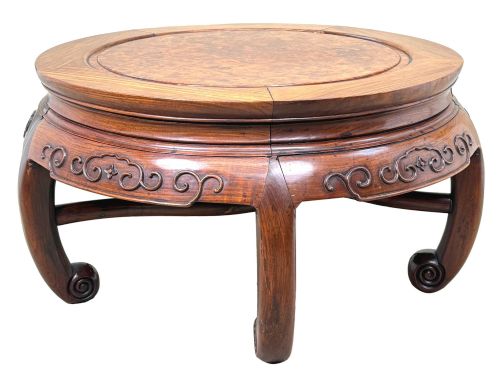
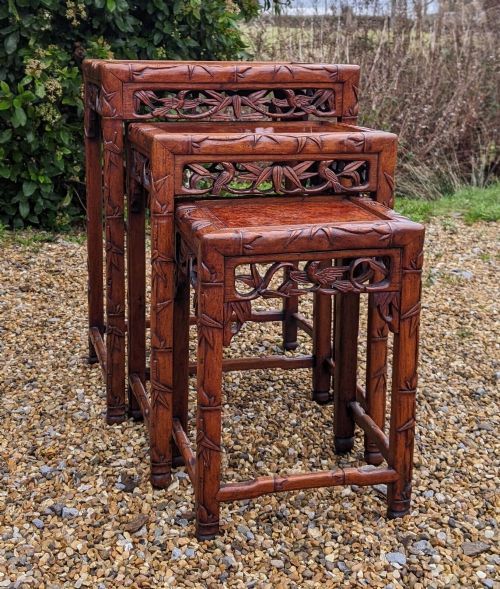
When you search for a qing dynasty style table, you encounter a variety of forms designed for display and utility, spanning occasional tables, plant stands, console tables and nests of tables. The selection ranges from low coffee tables and corner leg tables to altar tables and pedestals, often originating from the nineteenth century or the early twentieth century.
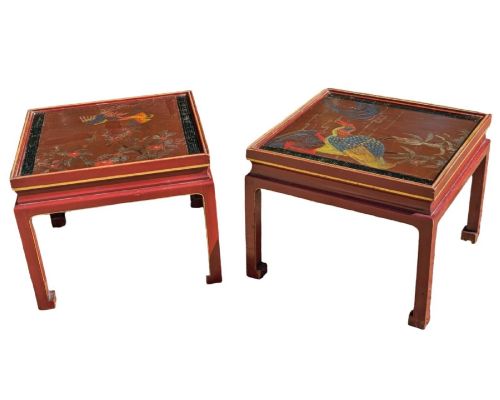
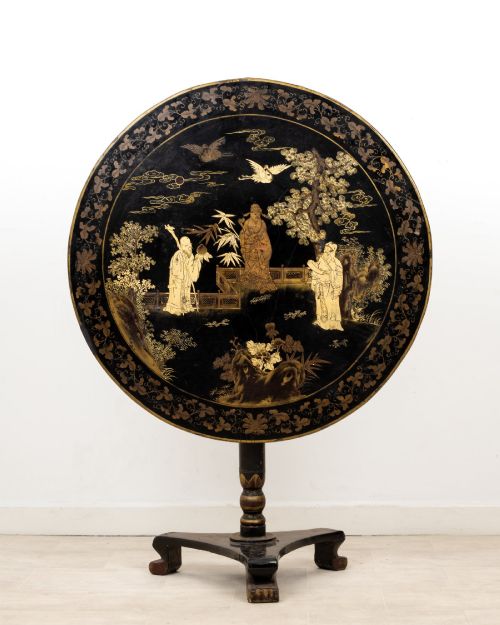
You are most likely to meet hardwood occasional tables and stands featuring marble tops, mother of pearl inlay, or lacquer finishes. Many items reflect Chinese export and Chinoiserie traditions, alongside pieces styled as vase tables and jardiniere stands.
The material palette includes dense hardwoods, porcelain, brass, wood, marble, fabric, silk and lacquer. Pieces frequently bridge traditional forms and domestic lamp conversions, bringing varied heights and surfaces to an interior.
How they were made
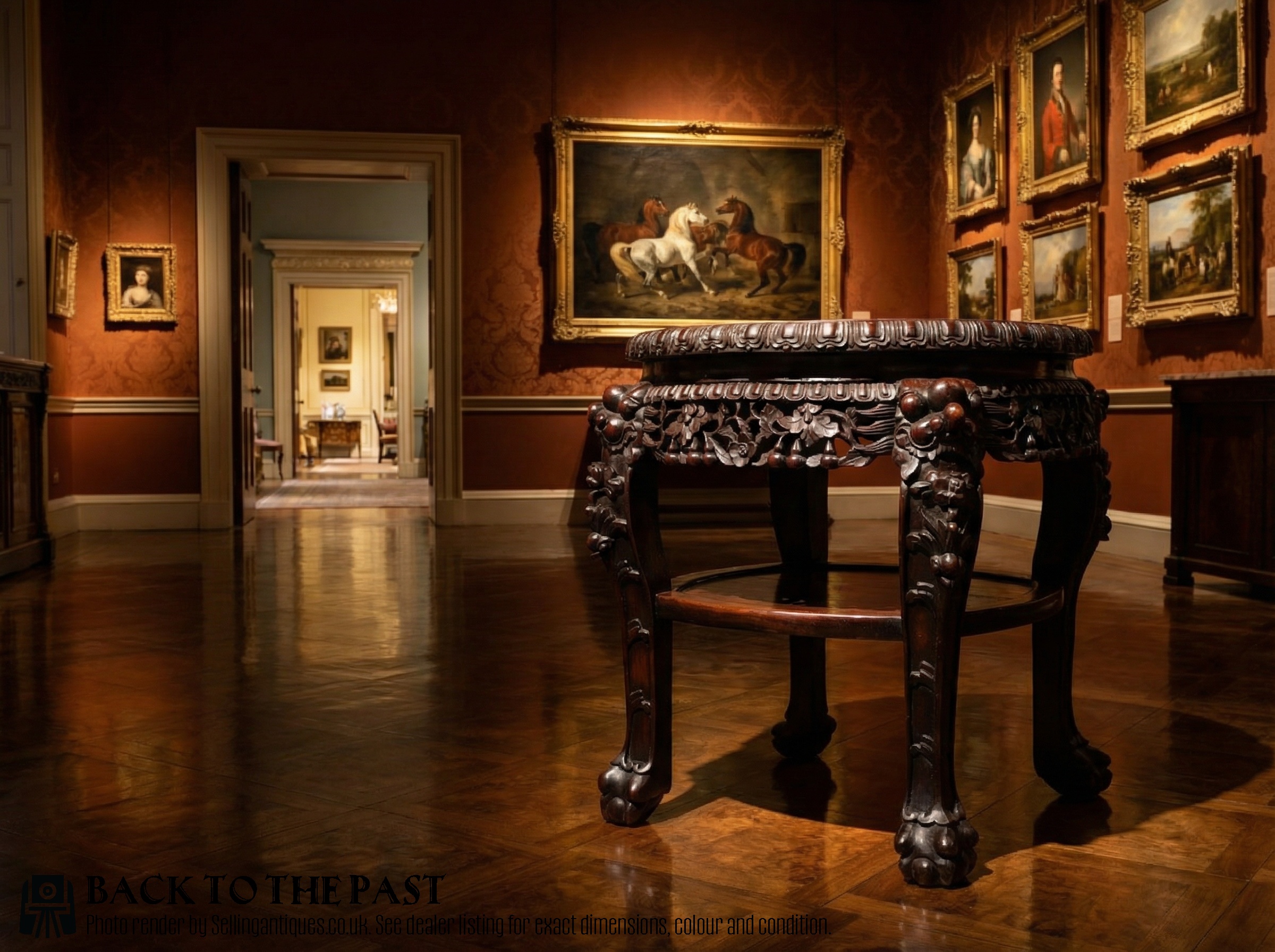
Construction relies heavily on dense hardwoods, sometimes paired with marble inset tops, brass mounts, or carved wooden frames that demonstrate traditional joinery methods without metal fasteners. Surfaces receive meticulous treatment through layers of red or black lacquer, mother of pearl inlay, and delicate cloisonne or carved detailing.
Many occasional tables, stands and consoles incorporate natural materials like silk and fabric panels within screens or frames, while ceramic components such as blue and white, Famille Verte, or Sang de Boeuf porcelain are frequently integrated into lamp bases.
Qing Dynasty Style Table Retail Price Guide 2026
Typical asking prices for qing dynasty style table among the pieces listed under this phrase on Sellingantiques today, from the lower quarter to the upper quarter. They describe what is for sale here now, not the wider market.
The inventory records numerous conversions where antique porcelain vases, including Famille Verte and blue and white examples, now serve as functional lamp bases.
What varies in quality
The distinction between standard examples and the finest pieces lies in the crispness of the carving, the depth and grain of the hardwood, and the integrity of the lacquer or inlay work. Superior items exhibit substantial weight, tight joinery, and well-figured timber with exceptional colour.
Secondary elements such as inset marble slabs, cloisonne panels, and ormolu mounts reveal the maker's hand through precise fitting and harmonious proportions. Lesser pieces may display simpler timber selection, coarser surface decoration, or structural alterations over time.

The Qing Dynasty Style Table Glossary
- Hardwood
- Dense timber such as huanghuali or hongmu used for durable structural frames and intricate carving. It resists warping and takes a fine polish.
- Lacquer
- A durable resin finish applied in multiple layers to wood surfaces, often pigmented in red or black and sometimes carved or inlaid. It provides a smooth, lustrous protection.
- Jardiniere Stand
- A tall or low table specifically built to support heavy ceramic plant pots or flower bowls. These pieces often feature inset marble tops to prevent water damage.
- Chinoiserie
- European decorative style reflecting Chinese artistic motifs and techniques. It appeared frequently on furniture and decorative objects exported during earlier periods.
Qing Dynasty Style Table: Frequently Asked Questions
How do I identify a Qing dynasty style table?
Look for characteristic dense hardwoods, corner leg construction, carved aprons, and traditional surface treatments like lacquer or marble inserts. Forms often include low coffee tables, altar tables, and compact stands.
Examine the joinery and weight of the piece, as genuine period items and faithful stylistic interpretations utilise heavy timber and traditional assembly methods rather than modern fasteners.
Where should I place an occasional table?
These tables suit hallways, living rooms, and studies where a compact surface is needed for lamps, plants, or decorative objects. Their varied heights allow them to function as side tables or plant stands.
Keep them away from direct heat sources and strong sunlight to protect delicate lacquer finishes, silk panels, and polished hardwood surfaces from drying out.
Are these tables suitable for everyday use?
Sturdy hardwood and marble-topped variants handle daily domestic use well, offering durable surfaces for lamps and everyday items. Lacquered or inlaid pieces require slightly more care to avoid scratching the decorative finish.
Using coasters and placemats helps preserve vulnerable wooden and lacquered surfaces while allowing you to enjoy the furniture in active living spaces.
What is the difference between a console and an altar table?
Altar tables typically feature longer, narrower proportions with upturned ends or carved spandrels, originally designed for ritual display against a wall. Consoles share similar wall-placing utility but often display a broader range of domestic Victorian or export styles.
Both types serve well as focal points in entryways or living areas, providing elevated display space without dominating the room's floor plan.