



Qing Dynasty Style Painting
These pieces represent qing dynasty style painting and related decorative arts, offering traditional motifs and scholarly forms for the interior.
Qing Dynasty Style Painting
A qing dynasty style painting or decorative object brings traditional Asian motifs and scholarly aesthetics into the interior. Buyers search this phrase to find porcelain, lacquer, and works on paper that echo historic imperial forms.
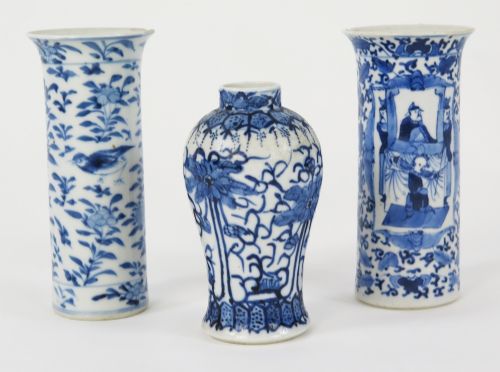
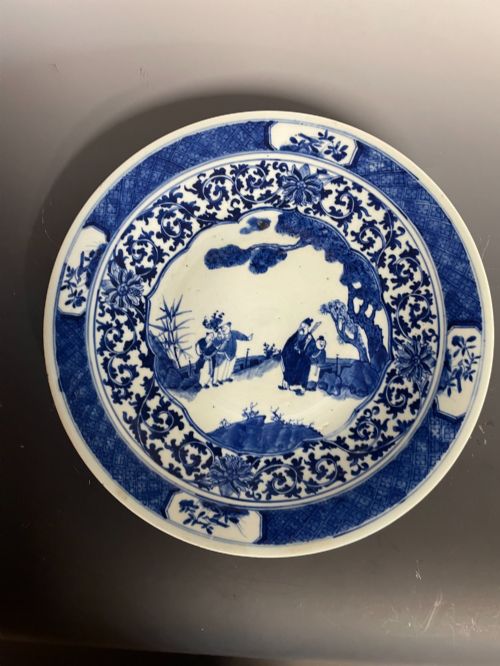
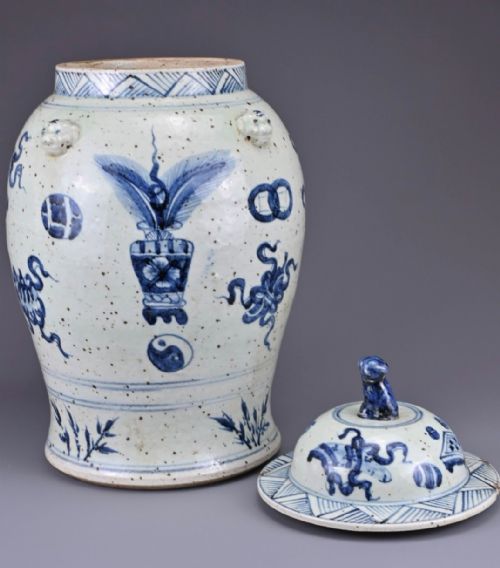
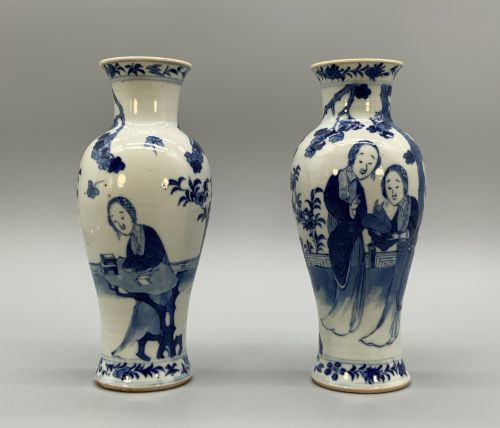
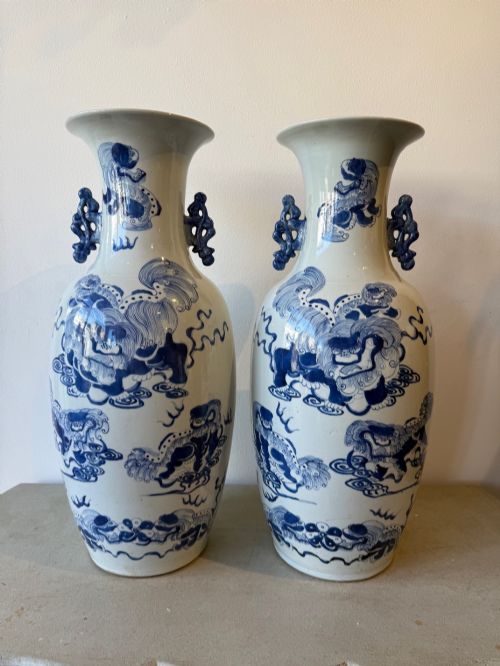
The selection on this page relies heavily on blue and white porcelain vases, dishes, and jars alongside framed watercolours. Many items incorporate Kangxi or Qianlong style design elements rendered across the nineteenth and early twentieth centuries.
Vessels and wall art dominate the available forms, ranging from garden seats and ginger jars to large wall hangings. These objects combine utilitarian origins with detailed hand-painted decoration.
How They Were Made
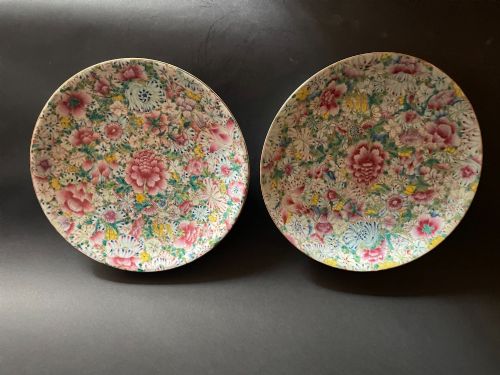
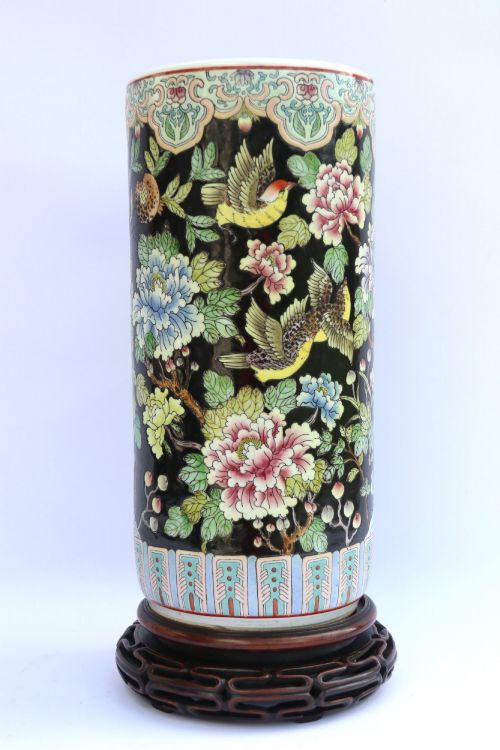
Makers utilised high-fired ceramic bodies decorated with cobalt underglaze or polychrome enamels such as famille verte and famille rose. Pigments were applied by hand before glazing and firing to create durable, lustrous surfaces.
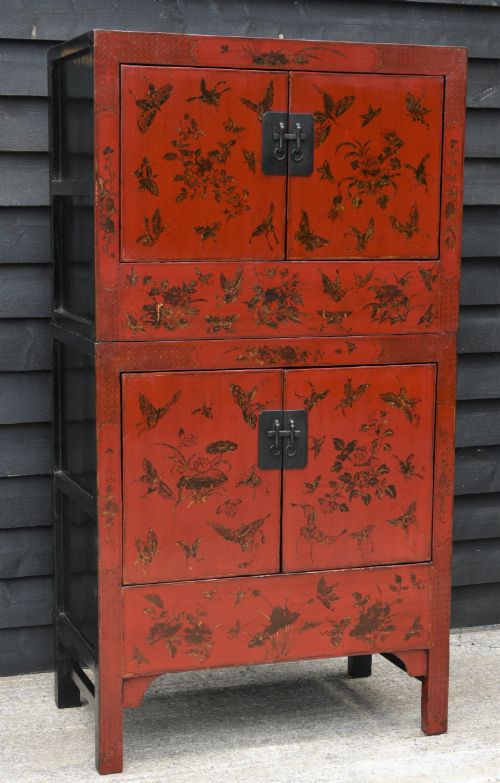
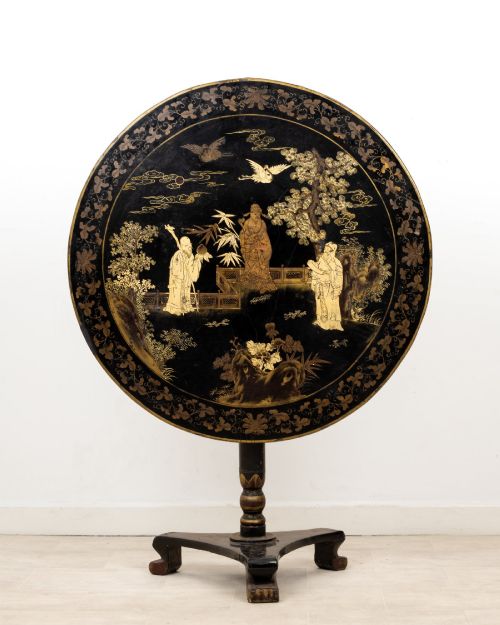
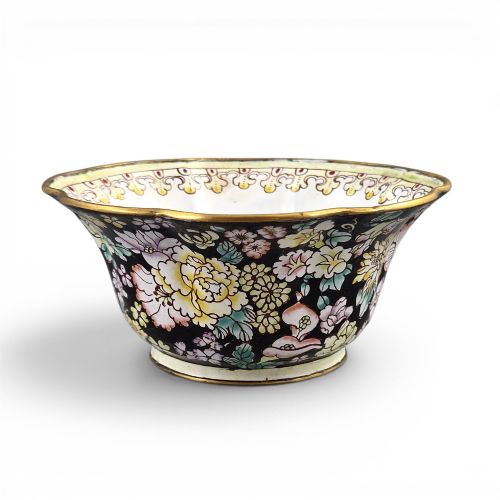
Woodwork relied on traditional joinery paired with red lacquer finishes, often applied to furniture like marriage cabinets and occasional tables. Enamel-on-copper and cloisonne techniques also appear across vessels and small tables.
Works on paper employ watercolours on silk or paper supports, capturing traditional figural and landscape subjects. Hardwood stands were frequently carved specifically to accompany porcelain vases and bowls.
Listings feature ceramics spanning blue and white porcelain, famille rose, and doucai alongside lacquer furniture and watercolours.
What Varies in Quality
The refinement of the hand-painted brushwork sets the finer examples apart from standard decorative wares. Precise cobalt lines and nuanced enamel shading reflect greater skill by the decorator.
Material selection and mounting integrity influence the overall stature of a piece. Original hardwood stands, well-preserved lacquer surfaces, and balanced potting distinguish the upper tier of the inventory.
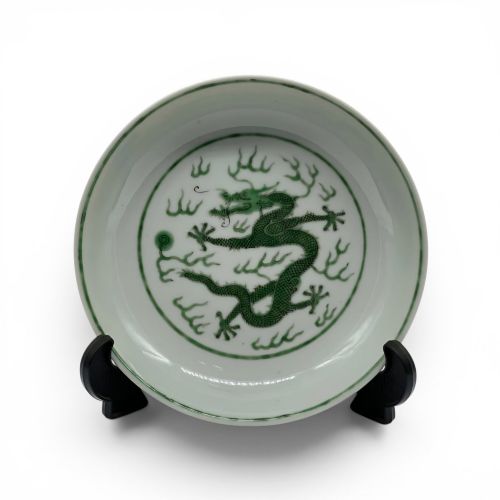
Fidelity to historical design standards, such as imperial dragon motifs and period-appropriate marks, indicates the ambition of the original workshop.
The Qing Dynasty Style Painting Glossary
- Cobalt Underglaze
- Pigment applied to the ceramic body beneath the clear glaze before firing. This technique produces deep blue designs that withstand high temperatures.
- Famille Verte
- A porcelain palette dominated by green enamels supplemented by other colours. It gained prominence during the Kangxi period.
- Famille Rose
- A palette characterised by opaque pink enamel introduced during the eighteenth century. This style allowed for softer tonal gradations in floral and figural scenes.
- Doucai
- A technique combining underglaze blue outlines with overglaze polychrome enamels. The painted areas are filled in and fired a second time at a lower temperature.
Qing Dynasty Style Painting: Frequently Asked Questions
How do I date these pieces?
Dating relies on stylistic markers, potting characteristics, and any reign marks applied to the base. Many items replicate earlier imperial designs while dating from the nineteenth century.
Examining the wear on the foot rim and the composition of the glaze helps distinguish period production from later revivals.
Are these items waterproof?
Ceramic jars, vases, and bowls are generally glazed internally, making them suitable for holding water. However, antique pieces require careful handling during use.
Lacquered items and works on paper should be kept away from moisture and direct sunlight to preserve the materials.
How should I clean lacquer furniture?
Dust lacquered surfaces gently with a soft, dry cloth without chemical polishes. Moisture can damage aged lacquer finishes over time.
Keeping pieces away from radiators prevents the wood underneath from shrinking and cracking the lacquer.
What is a brush washer?
A brush washer is a vessel traditionally used by scholars to clean calligraphy brushes. These items often feature wide, shallow basins.
On this page, similar forms appear in porcelain decorated with cobalt blue or imperial dragon motifs.