


Ink Wash Painting
Ink wash painting brings monochromatic depth to paper, capturing subjects from delicate Chinese scrolls to detailed British landscapes through masterly tonal control.
Ink Wash Painting
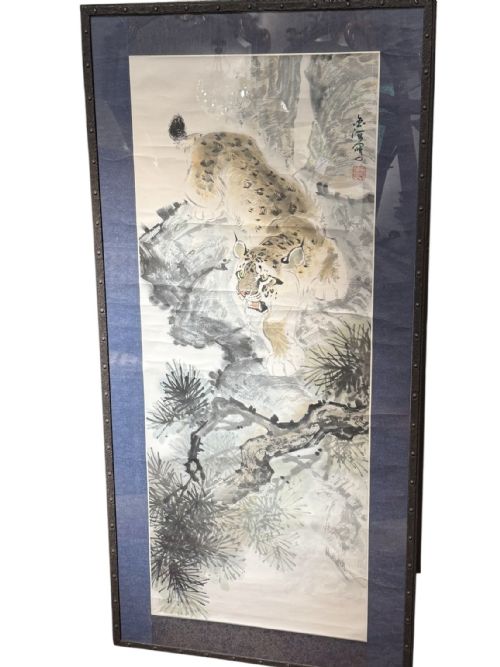
When you search for ink wash painting, you encounter works spanning the eighteenth century to later than nineteen sixty, including traditional Chinese scrolls and British watercolours. These original paintings and drawings on paper range from classical landscape views to precise architectural sketches and musical portraits.
The selections on this page feature notable British works by artists such as Fred Lawson alongside European landscape and portrait compositions. Many pieces arrive housed in wood frames, retaining their original paper and silk supports.
Materials and construction
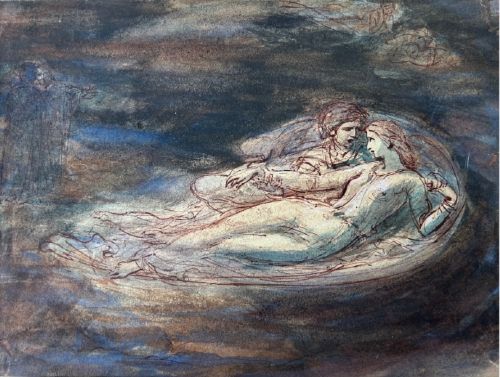
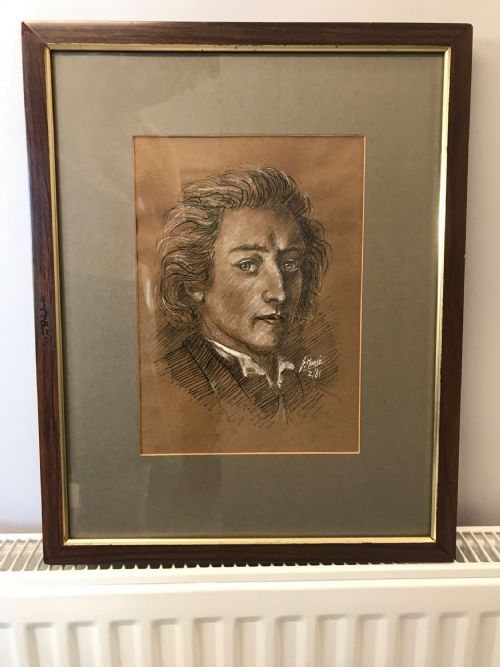
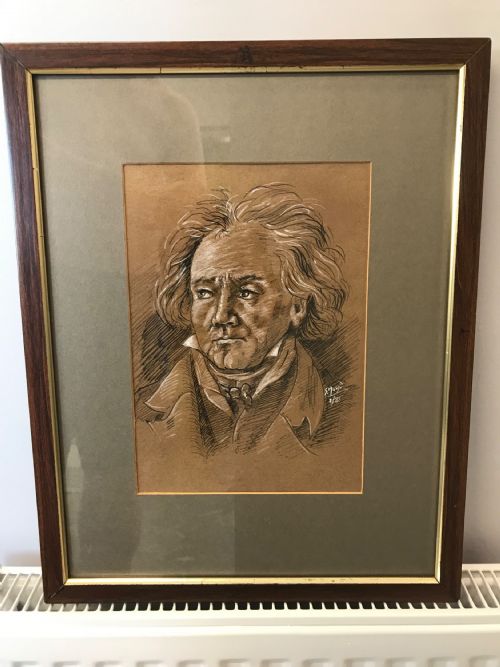
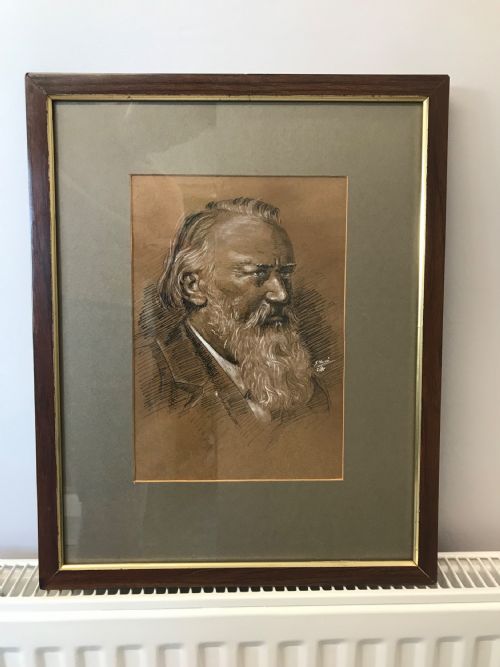
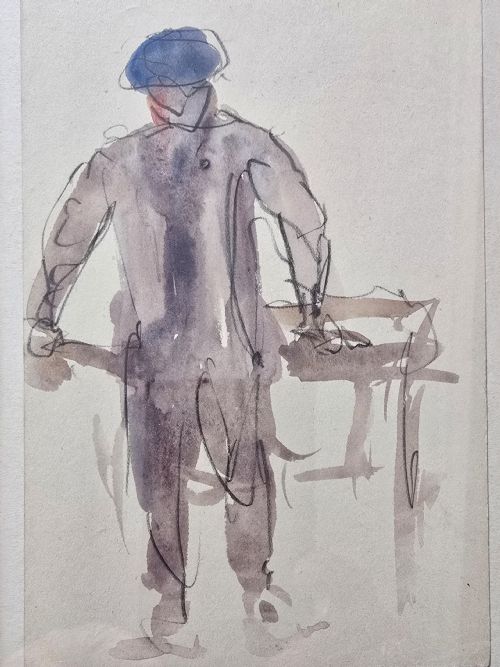
Artists utilise ink combined with watercolour and gouache applied directly to paper and silk surfaces. Monochrome wash techniques create subtle gradations of tone, often supported by initial pencil or pen line drawings.
Finished works are typically protected behind glass within wooden frames, preserving the delicate water-soluble pigments from atmospheric damage.
Fred Lawson painted the town of Lincoln and the old mill at Aysgarth with such dedication that local weather patterns practically lived on his paper.
Evaluating the standard of execution
Quality rests upon the expressive control of the wash and the precision of the underlying linework. Stronger examples display confident brushwork and tonal balance that define the subject without overworking the paper surface.
The preservation of the paper and the integrity of early framing also influence the overall character of the piece. Works retaining clear provenance and stable pigments demonstrate superior historic craftsmanship.
Michael Healy·Stanley Orchart·Edward Dayes·Pio Panfili·YA MING·Fred Lawson·Thomas Rowlandson·Thomas Lound·Jean-Georges Simon·CLAUDE LORRAIN
The Ink Wash Painting Glossary
- Wash
- A thin, semi-transparent layer of diluted ink or watercolour applied to paper. This technique creates uniform background tones and deep shadows.
- Gouache
- An opaque water-based paint used alongside ink to add highlights and solid colour. It provides denser coverage than traditional transparent watercolour.
- Scroll
- A length of paper or silk rolled on wooden rollers, traditionally used in Asian art. These works are designed for unrolling and viewing sections at a time.
- Capriccio
- An architectural fantasy placing together classical ruins and other buildings in a fictional setting. Artists use ink wash to build atmospheric depth within these imaginary scenes.
Ink Wash Painting: Frequently Asked Questions
What is an ink wash painting?
An ink wash painting is a work on paper where the artist uses diluted black or coloured ink to create tones ranging from deep black to pale grey. These pieces often combine pen line work with watercolour or gouache.
Such artworks include Chinese scrolls, British townscapes, and classical landscape capriccios dating from the eighteenth century onwards.
How should I frame and display works on paper?
Works on paper require mounting behind glass with conservation-grade materials to prevent direct contact with the glazing. This protects the delicate ink and watercolour pigments from moisture and pressure.
Keep these framed pieces away from direct sunlight to avoid fading the paper supports and fugitive washes over time.
How do I identify a Chinese scroll?
Chinese scrolls are painted on paper or silk and mounted within traditional fabric borders designed for rolling. They often depict subjects like snow leopards or natural landscapes using expressive brushstrokes.
Unlike Western framed works, scrolls are constructed for horizontal or vertical hanging and careful storage.
What periods do these paintings cover?
The available selection spans multiple centuries, including Georgian sketches from the seventeen and eighteenth centuries alongside nineteenth-century realism and Pre-Raphaelite works. You also find twentieth-century British watercolours and pieces created later than nineteen sixty.
Each period employs distinct paper types and framing styles characteristic of its era.