

Antique Rural Painting
An antique rural painting brings the quiet charm of country paths, farmsteads, and village life directly into a room.
Antique Rural Painting
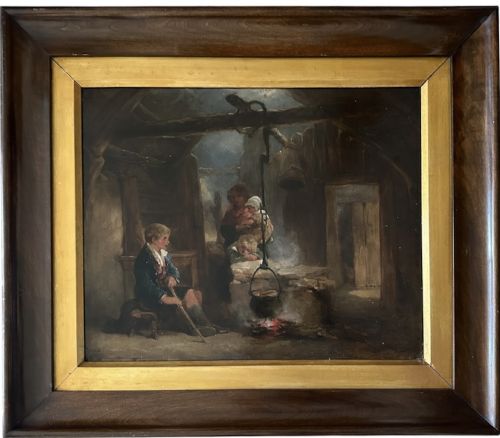
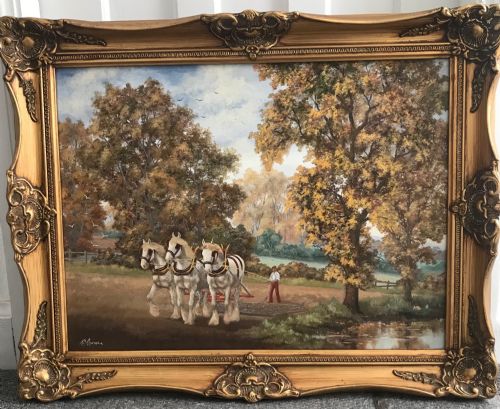
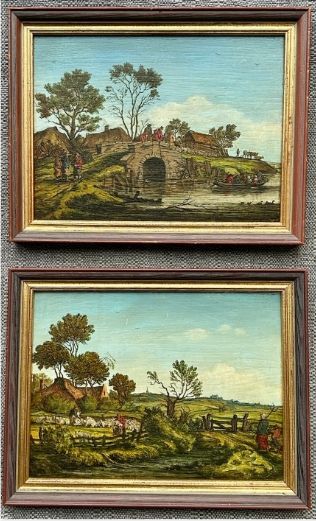
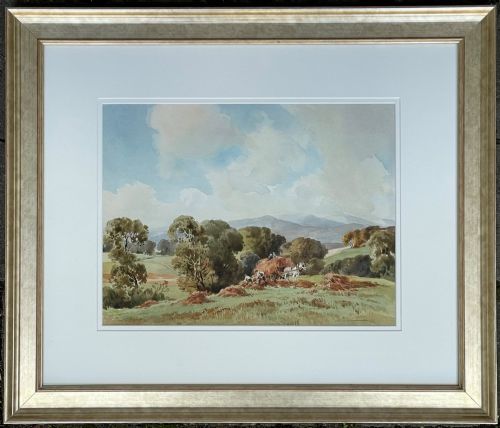
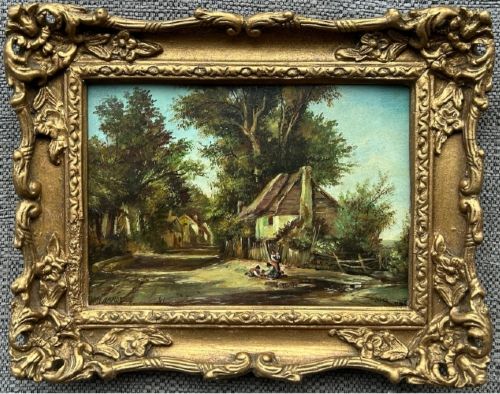
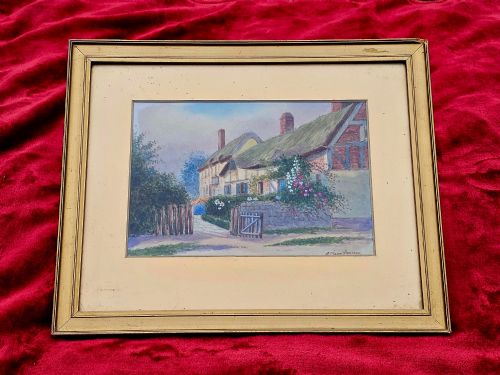
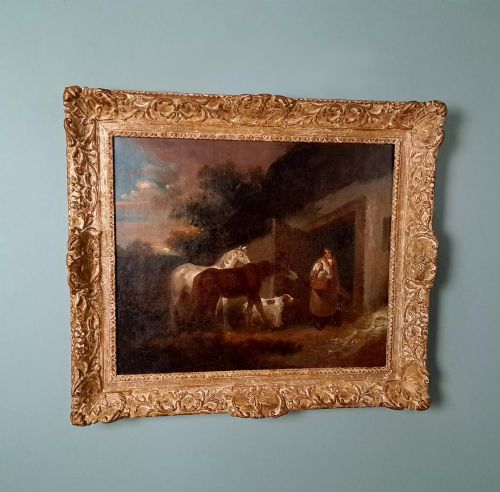
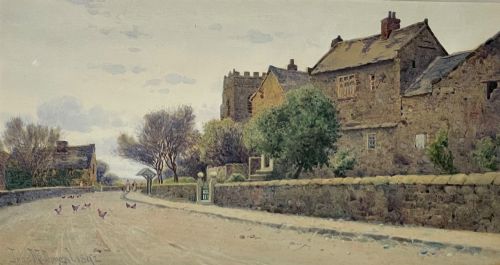
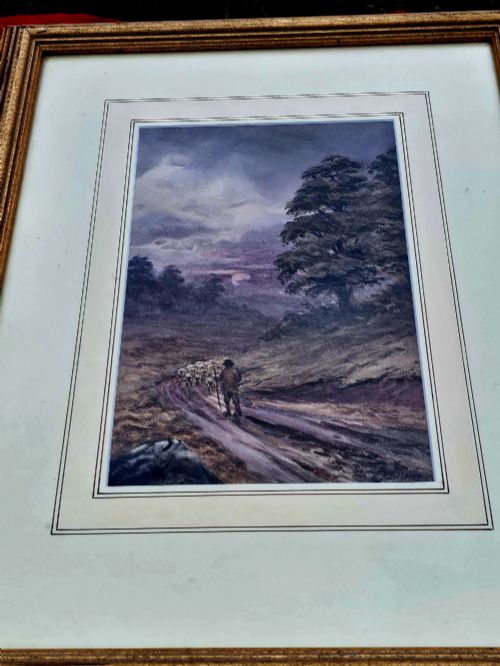
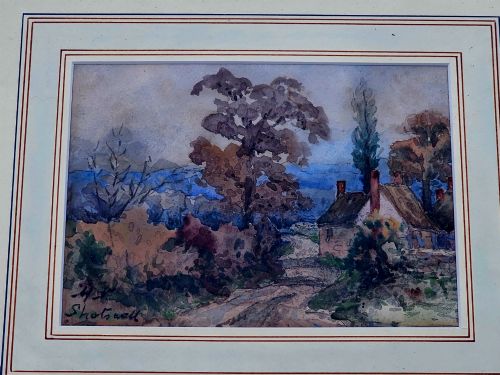
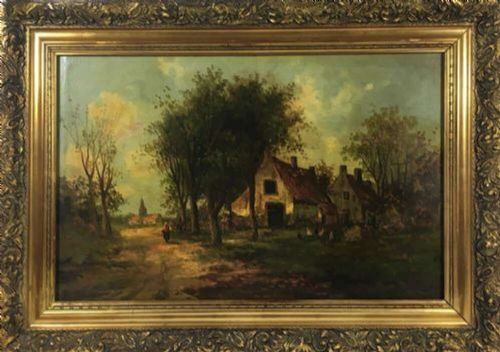
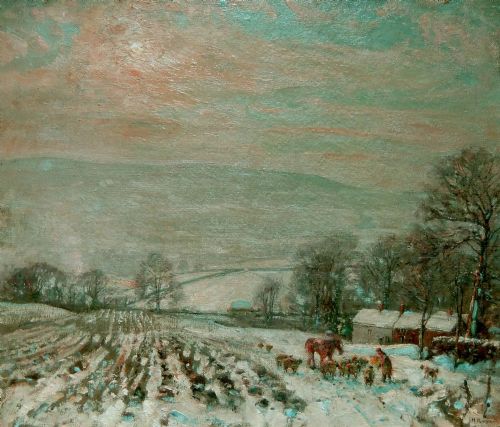
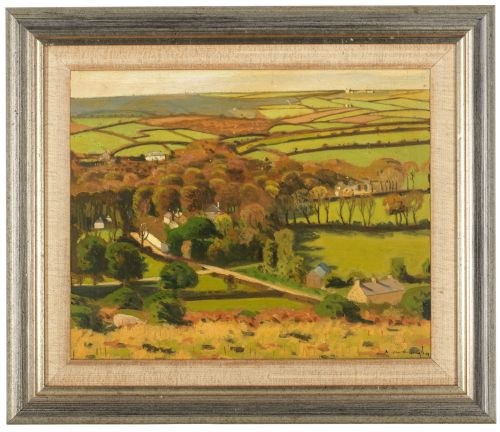
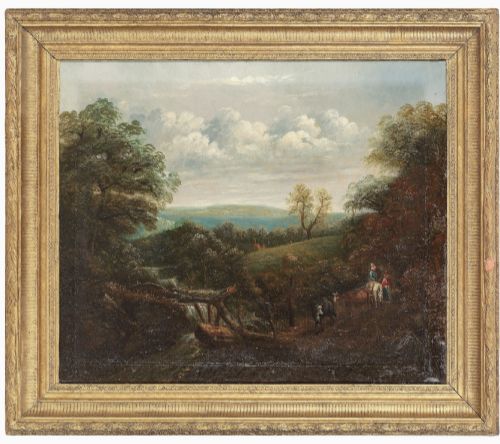
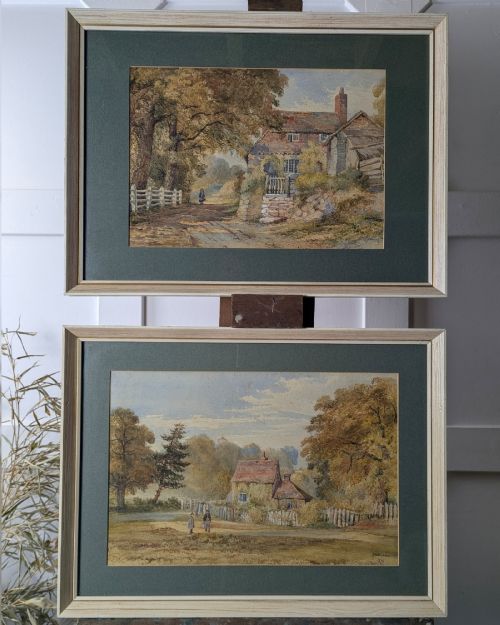
An antique rural painting depicts traditional country life, encompassing farmyards, harvested fields, thatched cottages, and local figures tending to livestock or daily labour.
The selections span the nineteenth century through the early decades of the twentieth century, capturing pastoral scenes through both detailed realism and softer impressionistic strokes.
Makers ranged from named regional artists to broader British and European schools, preserving rural topography that has largely disappeared from modern view.
How They Were Made
Painters applied oil paint or watercolour onto prepared surfaces of canvas, wood panels, card, or heavy paper, often housed within original gilt wood or moulded frames.
Artists worked both outdoors directly from the landscape and within studios to refine preliminary sketches into finished compositions.
Listings feature works from the Victorian and Edwardian periods executed in oil and watercolour on canvas, wood panel, and paper.
What Varies in Quality
The skill of the brushwork and the precision in capturing natural light and shadow distinguish accomplished works from standard decorative pieces.
Compositional balance and the convincing rendering of figures and animals anchor the best examples firmly within their period style.
George Graham·Percy Lancaster·William Joseph Shayer·John McDougal·Herbert Royle·Mark William Langlois·David Bates·Robert John Hammond·Walter Heath Williams·George Augustus Holmes·Ernest Higgins Rigg·George Oyston·Edgar Hunt·William Greaves·James Edward Meadows·Joseph Thors
The Antique Rural Painting Glossary
- Oil on Canvas
- Pigment mixed with drying oil applied to a stretched woven fabric support. This combination allowed artists to build rich textures and deep tones.
- Watercolour
- Pigment suspended in a water-soluble vehicle applied to paper. It provides a translucent quality well suited to atmospheric skies and open landscapes.
- Wood Panel
- A rigid wooden support used prior to widespread canvas adoption or chosen for stability. Many nineteenth-century works utilised panels for a smooth painting surface.
- Impressionism
- A style focused on accurate depiction of light in its changing qualities and ordinary subject matter. It emerged strongly in late nineteenth-century European and British art.
- Pastoral
- A genre of art idealising rural life and the countryside. These works typically feature shepherds, farm animals, and quiet rustic dwellings.
Antique Rural Painting: Frequently Asked Questions
How do I date an antique rural painting?
Dating relies on costume, agricultural methods shown, stretcher construction, and artist signatures or exhibition labels.
Examining the canvas backing and frame style often provides additional chronological markers.
Where should I hang these paintings?
These works suit traditional living spaces, studies, or hallways where natural light complements the earthy tones of the countryside.
Keep them away from direct sunlight and excessive moisture to protect the pigments and canvas.
What is the difference between oil and watercolour rural paintings?
Oils offer rich textures, deep layering, and robust surfaces that capture dramatic evening or winter lighting.
Watercolours provide a lighter, more transparent feel that suits bright summer days and delicate village scenes.
Are these paintings usually framed originally?
Many retain their period frames, which often feature ornate gesso and gilt wood details characteristic of the era.
Original framing complements the aesthetic and helps confirm the historical context of the artwork.