


Qing Dynasty Ginger Jar
A qing dynasty ginger jar brings crisp cobalt glaze and robust porcelain history directly into modern rooms.
Identifying a qing dynasty ginger jar
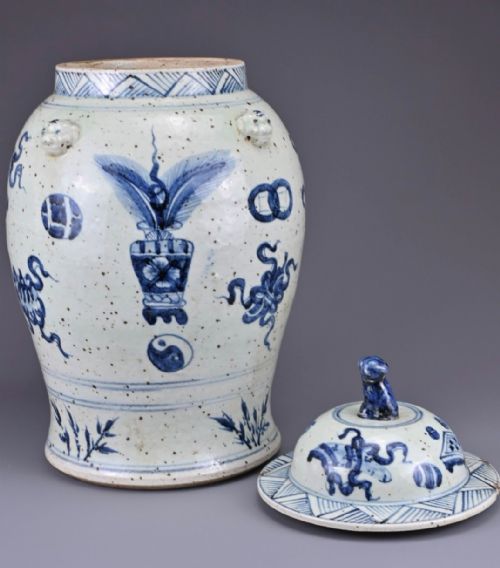
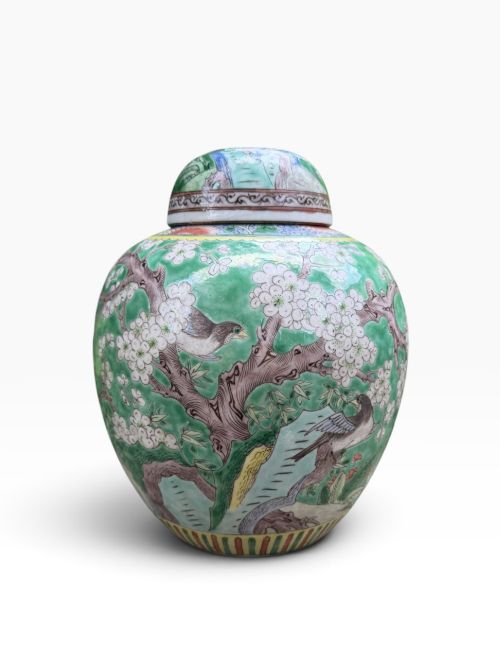
When you search for a qing dynasty ginger jar, you encounter nineteenth century ceramic vessels defined by bold shoulders and domestic utility. These pieces include covers alongside larger open vases from the same period.
The versions most commonly met on this page date from the nineteenth century, reflecting Chinese provincial production methods. They range from small covered jars to large early vessels displaying characteristic blue and white motifs.
Prunus patterns appear alongside classic blue and white painting on porcelain bodies. Each object demonstrates the enduring form of nineteenth century ginger jars and vases.
Materials and construction
Potters shaped these vessels from ceramic and porcelain materials, applying cobalt glaze to create deep blue decoration. Enamel also appears across the recorded surfaces.
Covered pieces required precise fitting between the lid and the jar body. Artisans painted traditional motifs directly onto the porcelain before firing.
Every recorded piece originates from the nineteenth century, utilising porcelain, ceramic, cobalt glaze, and enamel.
Assessing quality
Quality separates through the crispness of the cobalt glaze and the balance of the porcelain form. Superior examples display confident brushwork and well-proportioned scale.
The presence of an original matching cover distinguishes better examples from jars that survived without lids. Clean potting and stable ceramic bodies elevate certain pieces above standard provincial output.
The Qing Dynasty Ginger Jar Glossary
- Cobalt glaze
- A metallic pigment used under the glaze to produce deep blue decoration on porcelain. It creates the characteristic colour seen on blue and white wares.
- Porcelain
- A hard, fine-grained ceramic material fired at high temperatures. It forms the impermeable white body typical of these Chinese vessels.
- Provincial
- A term describing wares made outside imperial kilns for domestic or regional markets. These pieces often display vigorous, direct painting styles.
Frequently Asked Questions
What were ginger jars used for originally?
These ceramic vessels originally stored spices, salt, or oil in households and markets.
Over time, their sturdy forms and decorative covers made them popular display items in Western interiors.
How do I date a nineteenth century jar?
Dating relies on examining the characteristics of the porcelain body, glaze consistency, and painting style.
Nineteenth century pieces often show specific cobalt tones and provincial manufacturing traits distinct from earlier dynasties.
Do these jars usually include covers?
Many surviving examples retain their original matching porcelain covers, though some appear as jars alone.
Finding a piece complete with its lid significantly affects the overall integrity of the object.
How should I display a ginger jar at home?
Their bold proportions make them suitable as standalone decorative objects on mantelpieces, tables, or shelves.
Keep them away from high-traffic edges to protect the glazed porcelain surface from accidental knocks.