
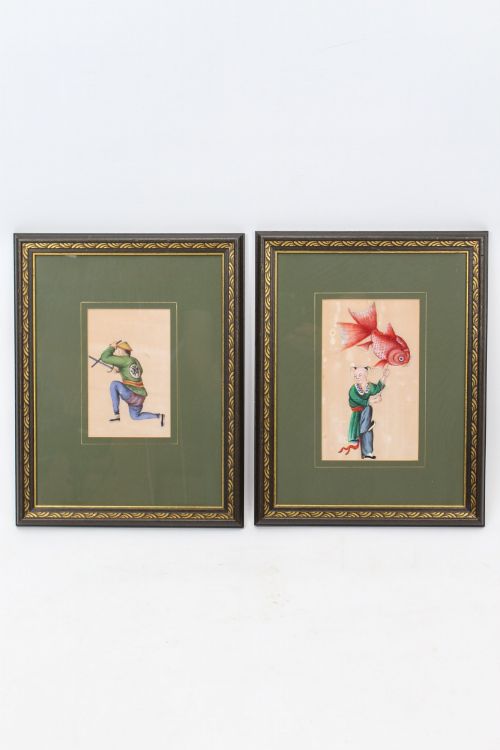


Qing Dynasty Export Art
These Qing dynasty export art pieces bring vibrant maritime scenes and mandarin interiors straight to your walls with striking historical depth.

What Qing Dynasty Export Art Is
Qing dynasty export art encompasses works created in China specifically for Western markets during the nineteenth century and the Edwardian period. Buyers examining this category encounter framed paintings and wall art capturing traditional subjects tailored for international trade.
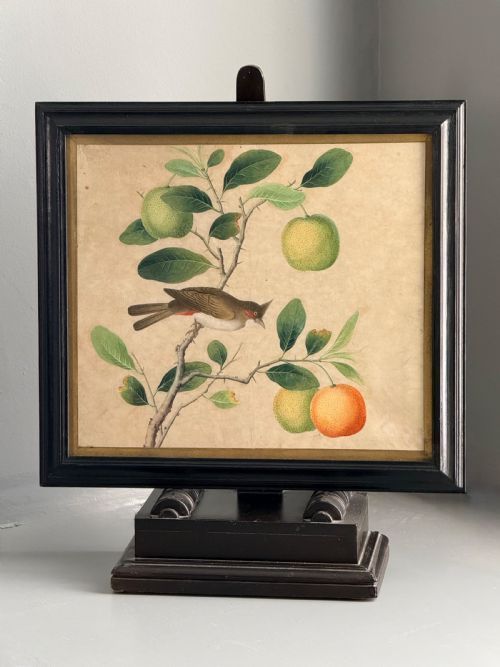
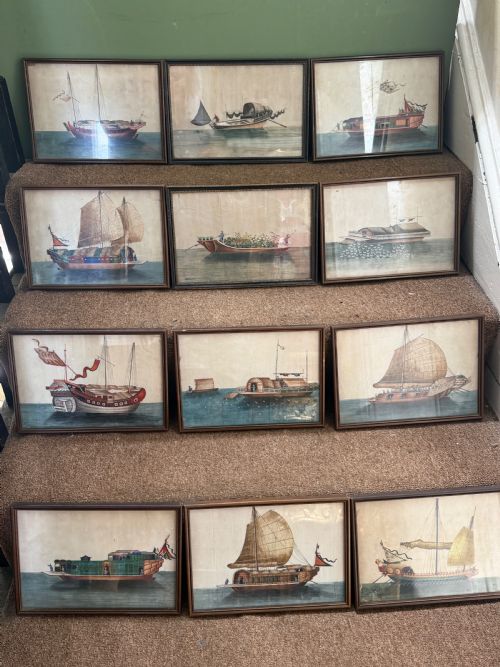
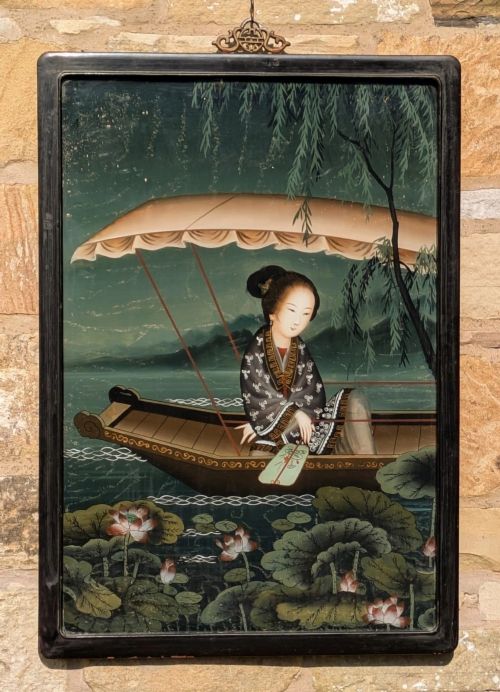
Framed artwork in this group also includes pith paper paintings and reverse painted mirror-glass pictures. Such items range from individual watercolours to decorative sets of twelve, offering a varied glimpse into historical trade aesthetics.
Materials and Construction
Maker materials recorded in these listings comprise delicate pith paper, watercolour, gouache, and pigment applied to delicate surfaces. Artists also utilised glass, paper, and wood to construct framed artworks and reverse painted mirror-glass pictures.
Framing typically involves hardwood to house and protect the works on paper and glass. The combination of pigment, gouache, and watercolour on pith paper requires precise brushwork, resulting in detailed depictions of ships and interiors.
Retail Price Guide 2026
Typical UK retail prices for qing dynasty export art, calculated from the Sellingantiques database of over a million retail prices indexed since 2003. This retail price guide relies exclusively on Sellingantiques data; no external sources or auction records are used, so the figures do not describe the wider market.
Pith paper feels remarkably soft and sponge-like to the touch, giving nineteenth-century watercolours a velvet-like depth.
Assessing Quality
Quality in these artworks rests upon the intricacy of the painted figures and the preservation of the delicate pith paper or watercolour surfaces. Sets that remain complete, such as groups of twelve paintings depicting junks, demonstrate greater visual coherence.
The sophistication of the mandarin interior scenes and the clarity of the pigment application distinguish finer examples. Superior framing utilising seasoned hardwood further elevates the presentation of these historical export pieces.
The Qing Dynasty Export Art Glossary
- Pith paper
- A delicate natural material derived from the pith of the Tetrapanax papyrifer plant, frequently used in the nineteenth century for watercolour paintings. It possesses a velvety texture that absorbs pigments brightly.
- Gouache
- An opaque watercolour medium composed of ground pigments and a binding agent, used to achieve rich, solid blocks of colour in export paintings. It allows for fine detail in costume and architectural elements.
- Reverse painted mirror-glass
- A technique where artists paint directly onto the rear surface of a glass plate, creating a reflective, luminous image when viewed from the front.
- Chinese Export
- Art objects produced in China during the Qing dynasty explicitly for export to European and American markets, blending traditional Chinese techniques with Western compositional preferences.
- Junk
- A traditional Chinese sailing vessel with battened sails, commonly depicted in nineteenth-century maritime export watercolours and gouache paintings.
Frequently Asked Questions
What is pith paper painting?
Pith paper paintings are delicate nineteenth-century artworks created using watercolours and pigments on a natural cellular plant material. This medium yields a luminous quality that captures vibrant hues in export scenes.
Makers frequently utilised this material for portable souvenir art depicting figures, interiors, and maritime subjects for Western travellers.
How should I hang these artworks?
These framed paintings require placement away from direct sunlight to protect the fragile watercolours, pigments, and pith paper from fading. Stable indoor humidity helps preserve both the paper supports and the hardwood frames.
Grouping sets of paintings together, such as series depicting ships, maintains their historical visual impact on the wall.
How are mirror-glass pictures made?
Reverse painted mirror-glass pictures involve applying pigments directly to the back of a glass panel so the image appears through the reflective front surface. This technique produces a distinct glossy sheen unique to trade pieces.
Craftsmen combined mirror glass with hardwood frames to create decorative wall art for European interiors.