

Antique Chinese Wall Art
These antique chinese wall art pieces bring centuries of hand-painted silk, carved wood, and delicate pith paper into modern interiors.
Antique Chinese Wall Art
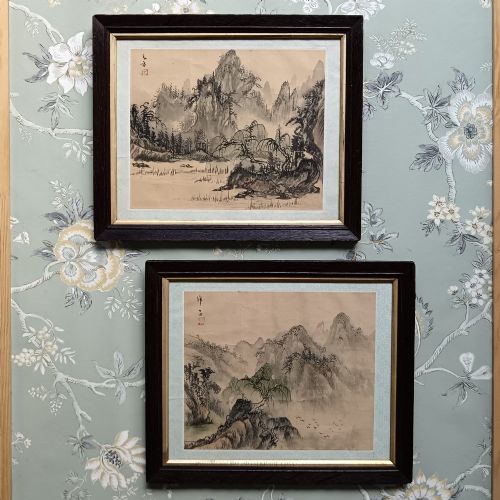
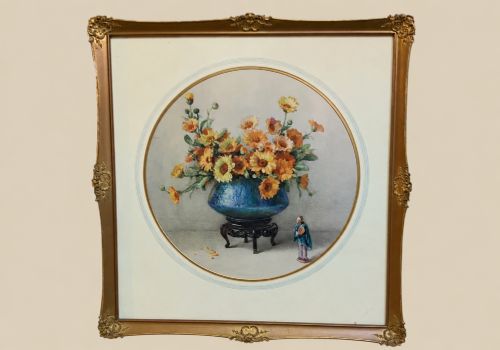
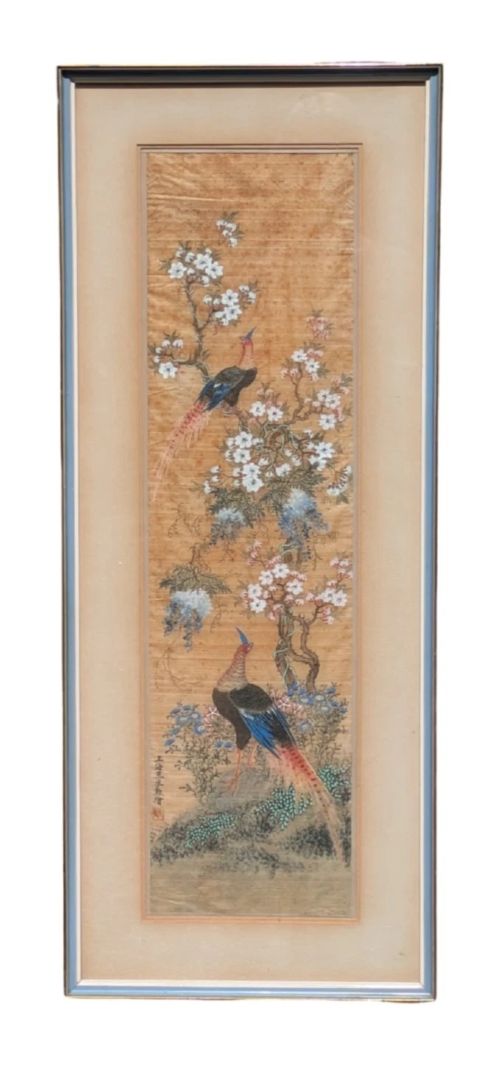
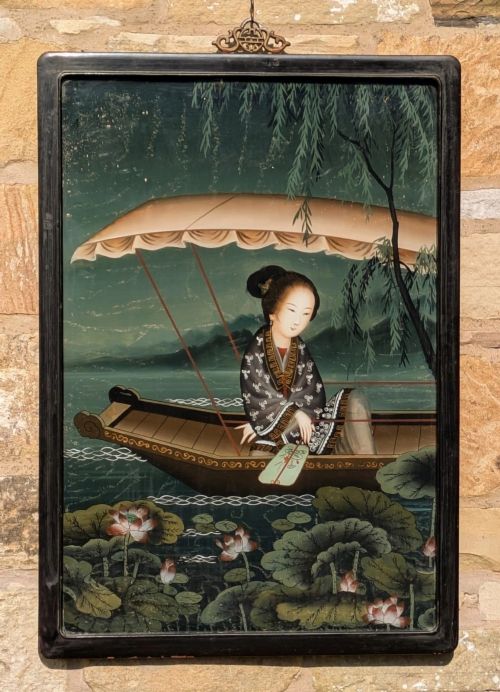
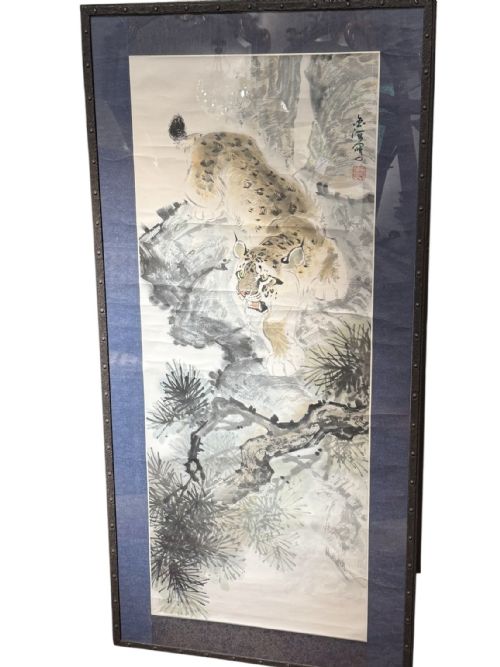
When you search for antique chinese wall art, you encounter a diverse selection of traditional paintings, carved temple panels, and textile pieces created across the nineteenth and twentieth centuries. The selection encompasses framed silk scrolls, reverse glass paintings, and detailed watercolours executed on pith paper.
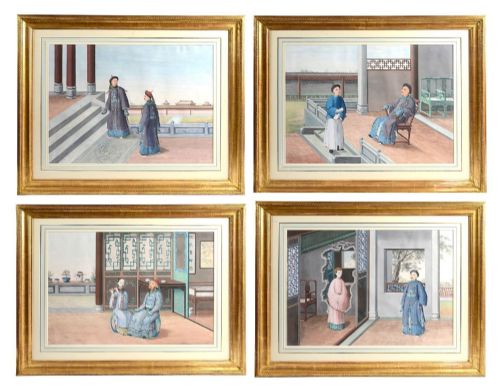
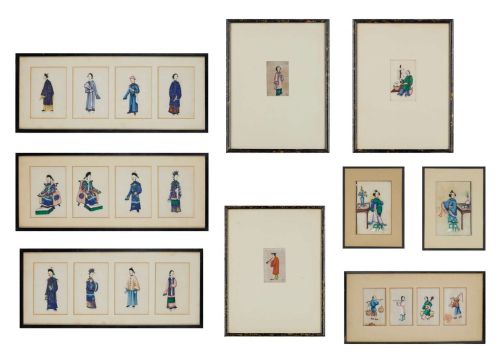
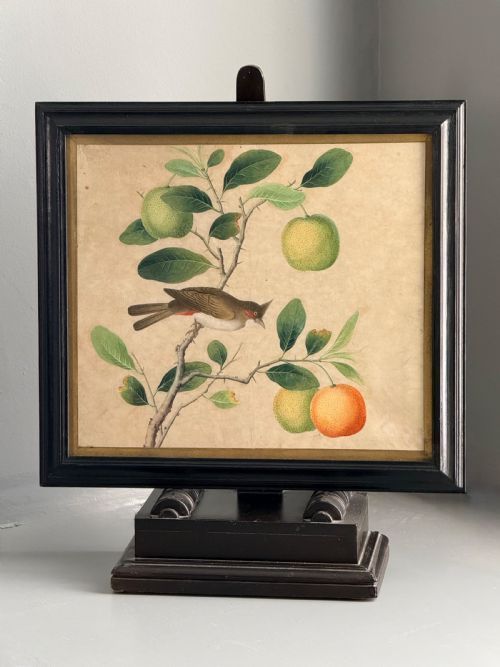
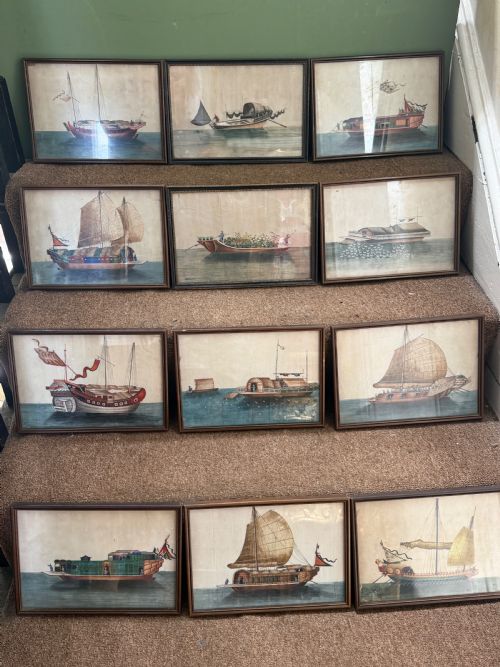
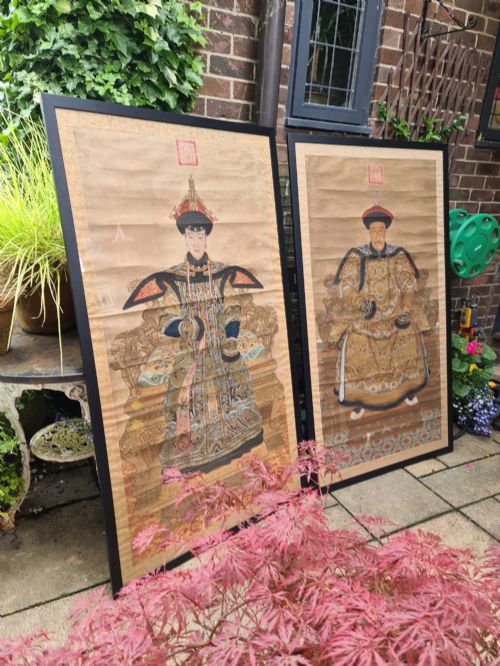
You are most likely to meet nineteenth-century works on this page, including framed gouache paintings of junks, ancestral portraits, and hand-sewn silk embroideries. These items reflect traditional Chinese subject matter such as dignitary figures, garden birds, and scenic landscapes.
Materials and techniques
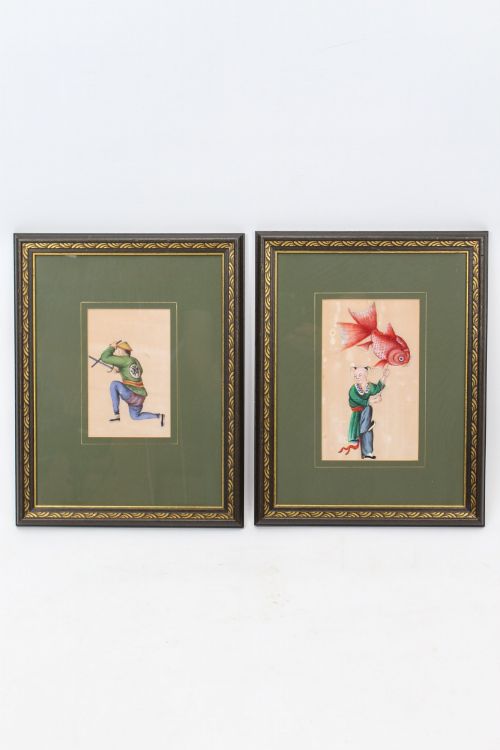
Artisans employed natural pigments, ink, and gouache applied to delicate surfaces like silk, paper, and pith. Many of these delicate paintings were preserved under glass within original wooden frames or mounted as scrolls.
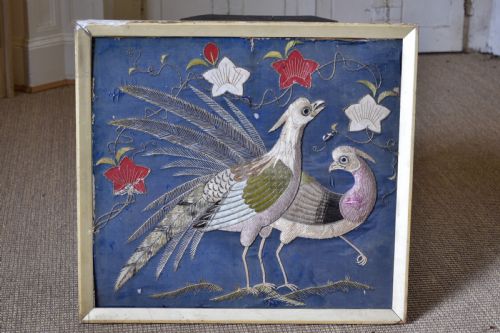
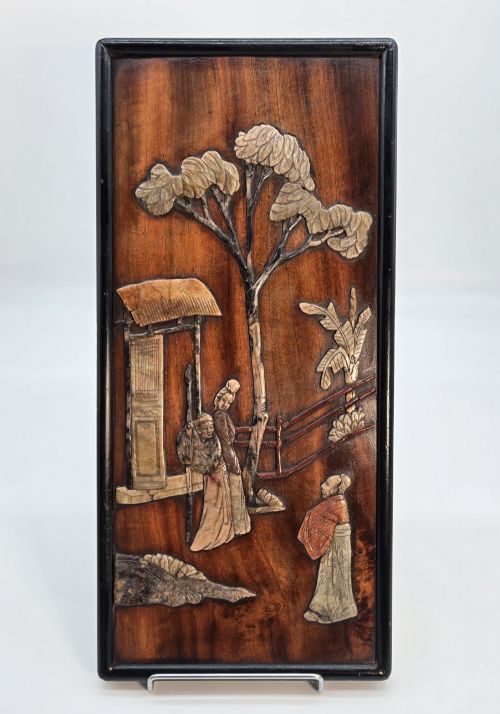
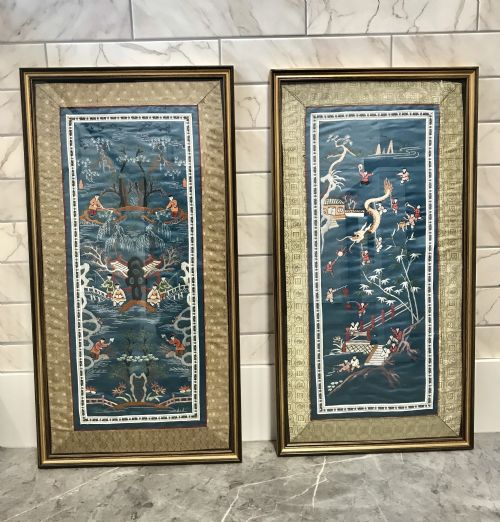
Carved wooden panels utilise gilt wood and intricate relief work to depict traditional motifs, often originating from temples or domestic architectural elements. Textiles display fine hand-sewn embroidery techniques utilising silk threads to render figures, dragons, and floral patterns.
The listings include nineteenth-century ancestral portraits, pith paper watercolours, and carved Qing dynasty wood panels.
Separating top examples
The integrity of the mounting and framing further distinguishes the pieces, with original frames and intact silk borders commanding greater appreciation. Carved panels show distinction in the depth of the relief and the crispness of the gilt wood finish.
The Antique Chinese Wall Art Glossary
- Pith paper
- A delicate material formed from the pith of the Tetrapanax papyrifer plant, commonly used in nineteenth-century watercolour painting. It has a slightly velvety texture that absorbs vibrant pigments well.
- Reverse painting on glass
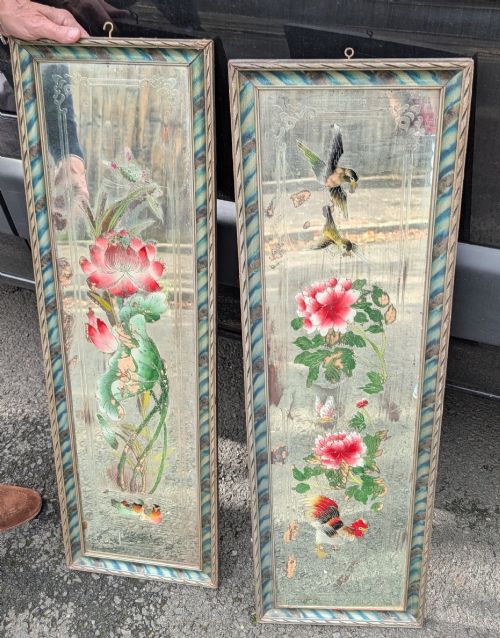
- An artwork applied directly to the back of a glass panel and viewed from the front. This technique produces a luminous finish with preserved colour depth.
- Rank badge
- A square textile patch sewn onto official robes during the Qing dynasty to denote civil or military status. They frequently feature embroidered birds or animals.
- Ancestor painting
- A formal portrait commissioned to honour family forebears for ritual veneration. These works typically depict dignitaries seated centrally in formal attire.
- Shan Shui
- Traditional Chinese landscape painting style featuring natural scenery such as mountains and rivers. The term translates directly to mountain water.
Antique Chinese Wall Art: Frequently Asked Questions
How do I hang antique silk scrolls safely?
Silk scrolls require careful handling away from direct sunlight to prevent the fading of natural pigments and delicate fabrics. Utilising professional mounting methods protects the textile structure over time.
Maintaining stable room humidity prevents the silk and paper components from becoming brittle or warping within their original frames.
How do I date carved wooden wall panels?
Carving styles, tool marks, and the condition of the underlying timber help indicate the age of wooden wall panels. Pieces attributed to the Qing dynasty often display deep relief work and remnants of gilt wood finishes.
Comparing the joinery and wood density with documented examples from the eighteenth and nineteenth centuries provides further historical context.
Where were reverse glass paintings made for export?
Many reverse glass paintings were produced in centres such as Canton for the international trade market during the eighteenth and nineteenth centuries. These works combined traditional Chinese subjects with techniques popular among European buyers.
The bright pigments and reflective glass surface made them durable and visually striking decorative items for Western interiors.