
Provincial Storage Chest
When you search for a provincial storage chest, you are looking at substantial wooden containers designed to hold household goods in regional homes.
Provincial Storage Chest
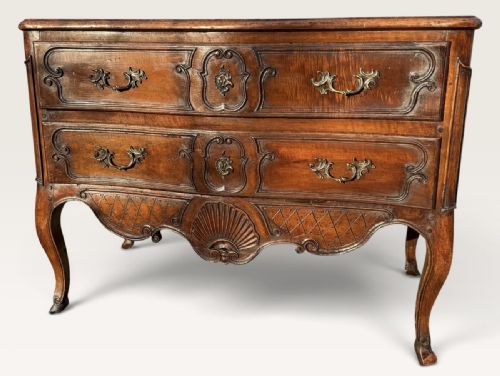
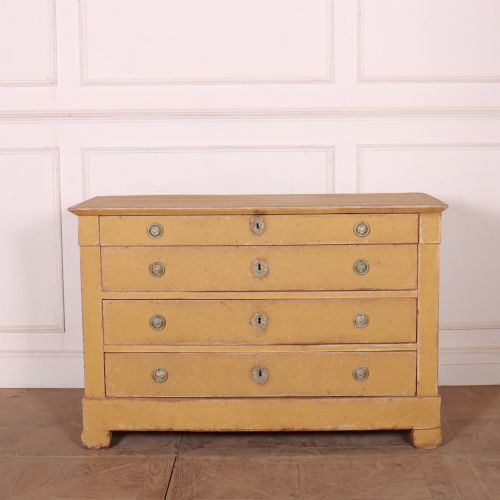
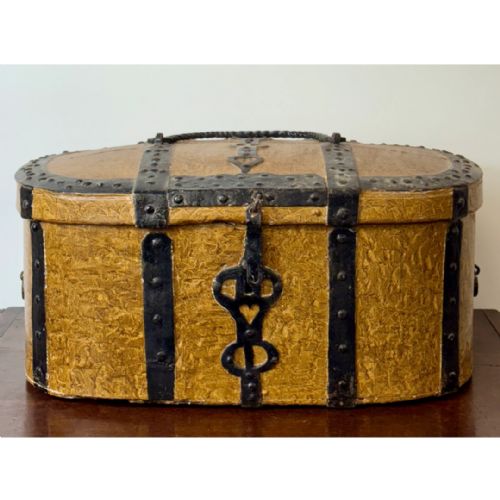
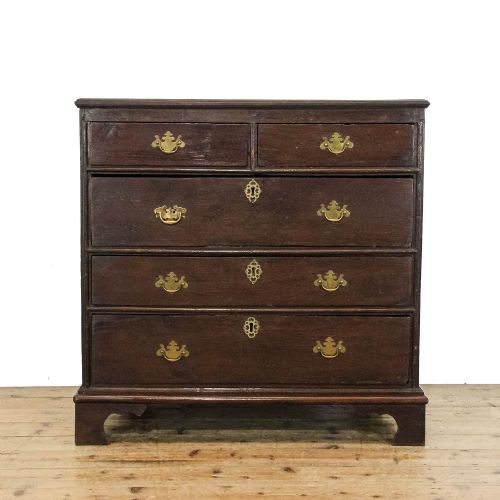
A provincial storage chest serves as a practical container originating from regional workshops rather than metropolitan centres. Buyers seeking a provincial storage chest often encounter forms such as coffers, trunks, and commodes spanning the eighteenth and nineteenth centuries. These pieces reflect the local tastes and domestic requirements of areas across France, Sweden, and Britain.
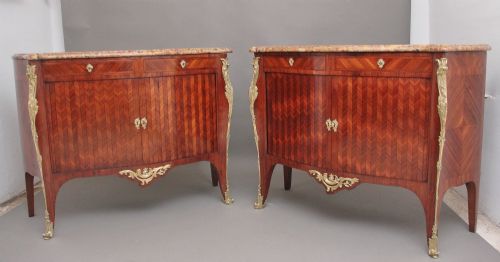
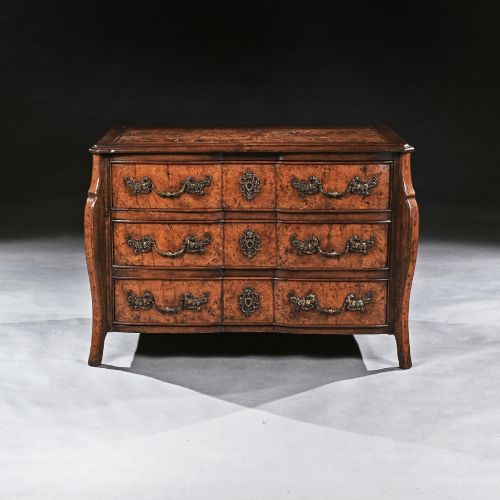
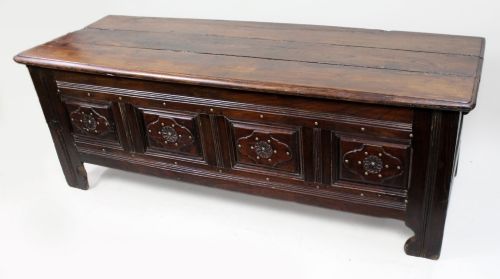
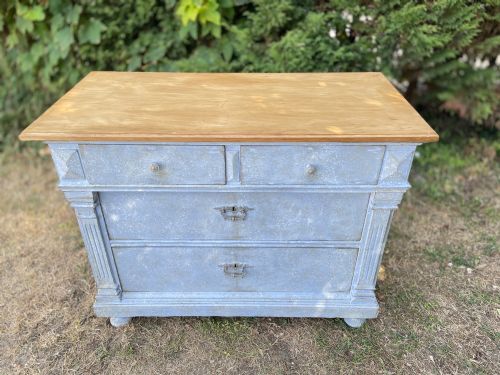
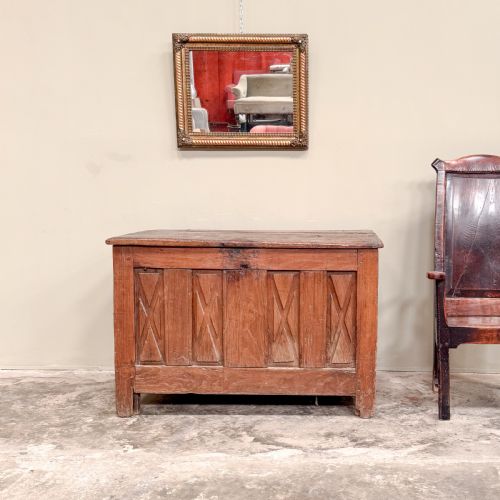
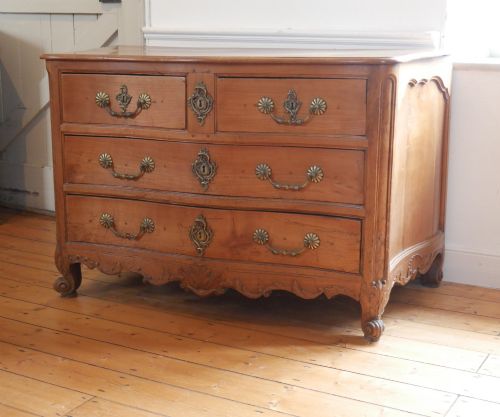
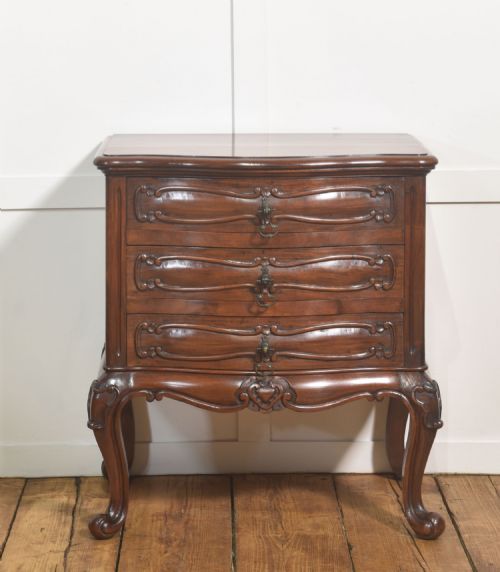
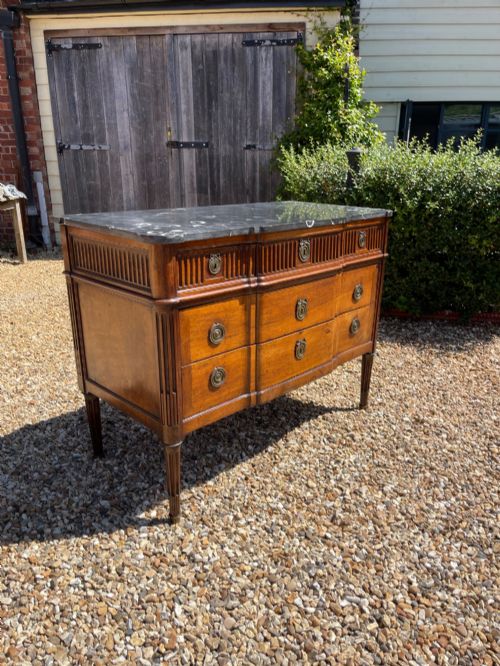
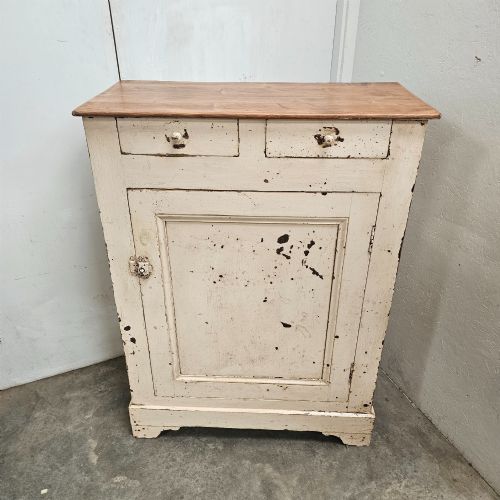
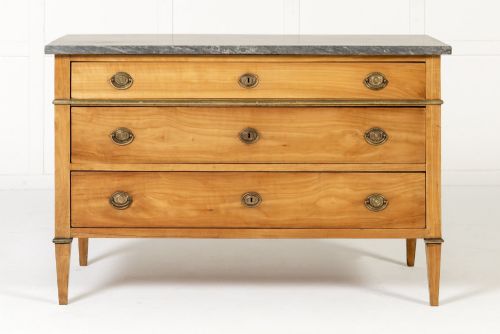
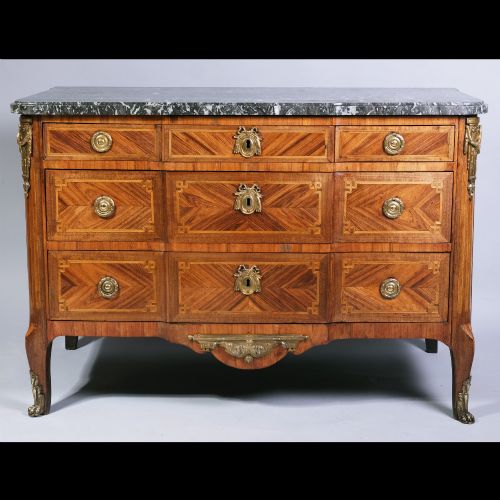
The selection on this page demonstrates various regional interpretations, from seventeenth-century oak coffers to eighteenth-century walnut commodes and painted pine blanket boxes. Forms range from simple hinged trunks to sophisticated chests of drawers with serpentine fronts. Oak, walnut, and cherrywood dominate the construction, often paired with marble tops in later regional iterations.
Regional makers utilised local timber stocks, meaning an eighteenth-century piece from a specific French department uses native cherrywood or chestnut rather than imported mahogany. These items functioned primarily for linen, grain, or general domestic storage before entering the antique market as decorative furniture. Their varied proportions suit hallways, bedrooms, and living spaces alike.
Construction and Materials
Makers built these pieces predominantly from solid regional timbers including oak, walnut, cherrywood, and pine. Planks were joined using traditional methods suited to domestic workshops, often incorporating hand-cut dovetails for drawer construction and sturdy pegged joints for heavier coffers. Timber selection depended on regional availability, resulting in distinct local characteristics.
Surface treatments vary from polished wood finishes showing natural grain to painted and ebonised decoration. Ormolu and brass mounts appear on specific commodes, providing functional pulls and key escutcheons. Later nineteenth-century examples occasionally incorporate marble slabs fitted to the upper surface.
The inventory records regional forms including French Provincial, Louis XV style, Gustavian, and Georgian storage chests.
Assessing Quality and Execution
Quality in these pieces rests upon timber selection and the precision of the joinery. Superior examples display well-figured walnut, quarter-sawn oak, or carefully matched cherrywood veneers that have aged evenly over centuries. Lesser pieces rely on utilitarian pine carcasses with simpler, heavier construction methods.
The execution of carved details, serpentine curves, and bombe shaping distinguishes finer regional workshops from standard country production. Crisp lines on drawer fronts and original brass or ormolu hardware indicate higher workshop standards. Alterations to hardware or later painted surfaces change the original character of the piece.
The Provincial Storage Chest Glossary
- Coffer
- A heavy wooden chest traditionally used for storing valuables or dry goods. These sturdy boxes often feature hinged lids and boarded construction.
- Commode
- A low chest of drawers, originating in France during the seventeenth century. These pieces typically sit on short legs and serve domestic storage functions.
- Bombe
- A swollen or bulging contour found on the sides and fronts of specific eighteenth-century commodes. This curved profile requires skilled shaping of the timber.
- Serpentine
- A front profile characterised by a convex central section flanked by concave curves. This line appears frequently on regional commodes and drawer fronts.
- Semainier
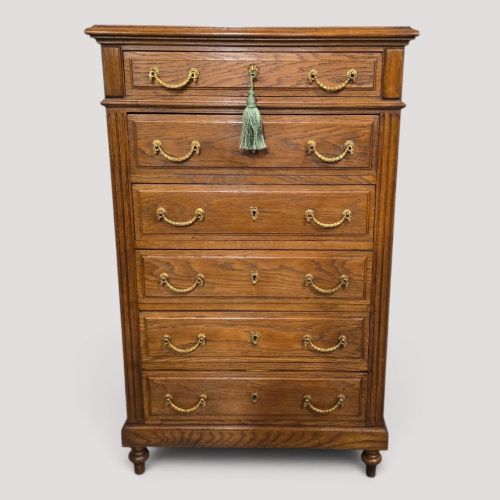
- A tall, narrow chest of drawers traditionally designed with seven drawers, one for each day of the week. These cabinets often feature marble tops.
Provincial Storage Chest: Frequently Asked Questions
Where were provincial chests made?
Makers constructed these pieces in regional workshops outside capital cities, utilising native timbers available in specific districts.
French provincial pieces often originated in areas like Provence, Normandy, or Gustavian Sweden, reflecting local domestic traditions.
How do I clean a wooden chest?
Dust surfaces regularly with a soft, dry cloth to prevent dirt accumulation on the timber. Avoid commercial silicones or harsh sprays that can damage antique polishes.
Apply a traditional beeswax occasionally to nourish dry wood and maintain the natural patina of the surface.
What is the difference between a coffer and a commode?
A coffer is a deep box with a lid opening from the top, primarily designed for bulk storage of textiles or household items.
A commode functions as a set of drawers accessed from the front, designed for bedroom or parlour use.
Can I use a chest as a coffee table?
Lower coffers and blanket boxes adapt well as alternative coffee tables in living spaces. Their flat lids provide adequate surface area while offering internal storage for blankets.
Ensure the antique lid remains protected from liquid rings by using trays or coasters.
How do I identify eighteenth-century walnut?
Eighteenth-century walnut displays a rich, warm brown tone with varied grain patterns that darken naturally over time. Closer inspection reveals hand-cut joinery and signs of age within the drawer linings.
Later revival pieces often use lighter or more uniform walnut veneers applied to secondary woods.