



Provincial Pine Cupboard
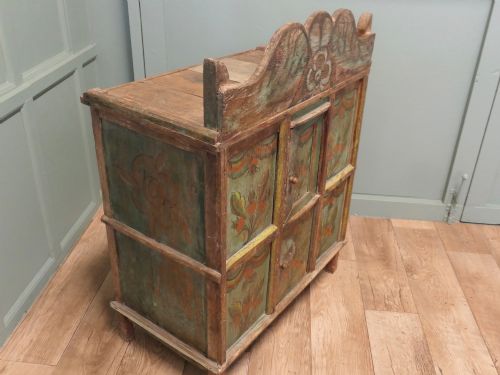
A provincial pine cupboard brings functional rural utility and painted charm into a modern interior.
Provincial Pine Cupboard
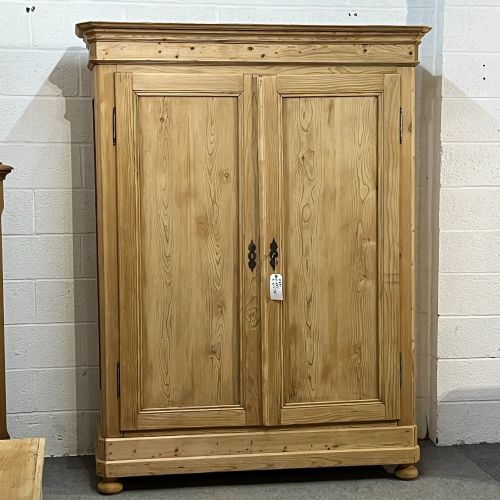
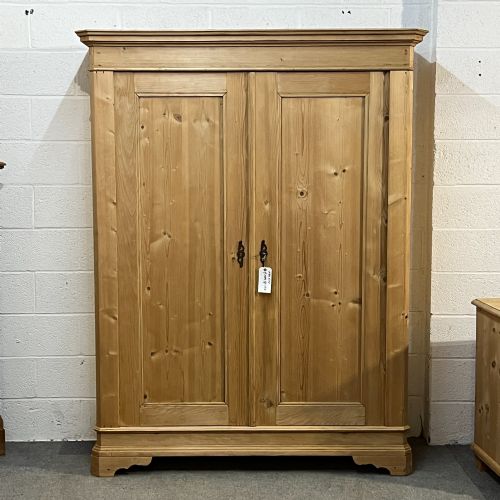
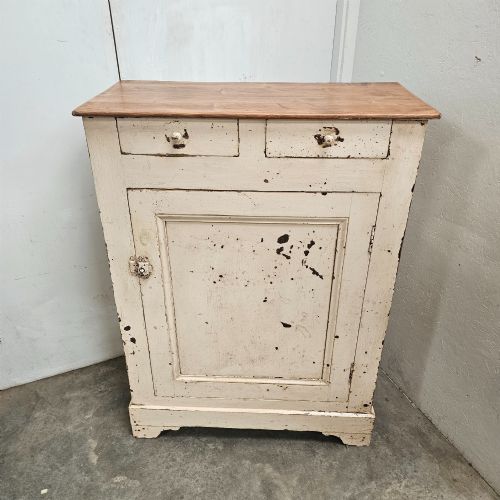
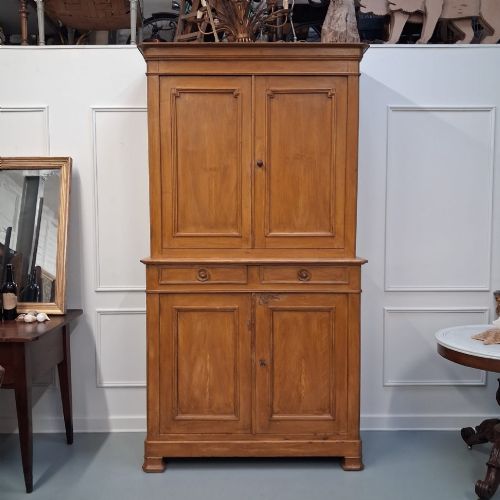
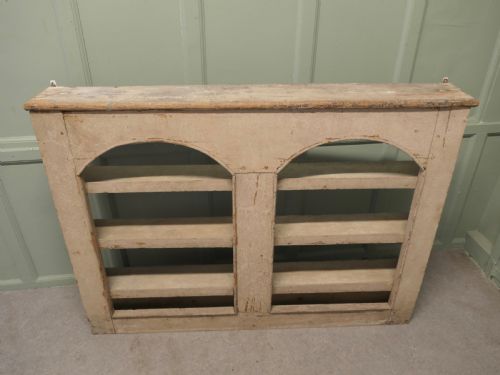
A provincial pine cupboard serves as a practical storage piece rooted in regional traditions across Europe, spanning formats from simple jam cupboards to large double wardrobes. Buyers searching for a provincial pine cupboard encounter substantial storage furniture built for everyday domestic life in rural regions.
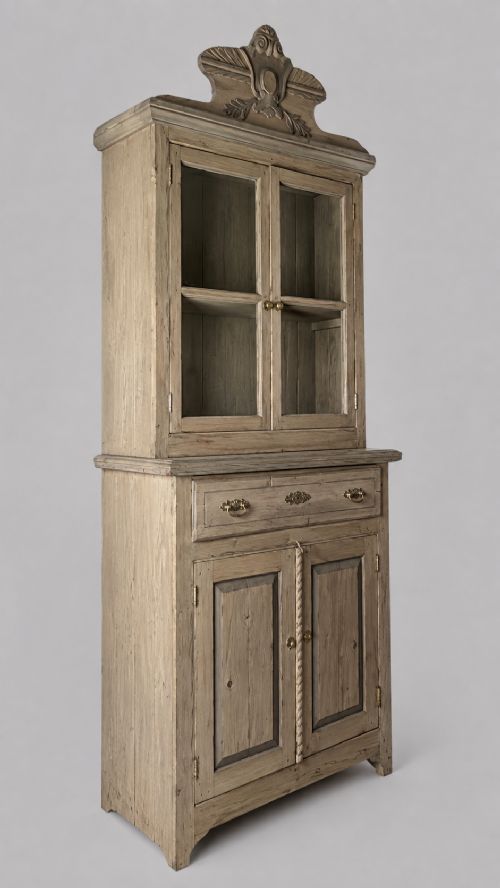
The pieces listed here lean heavily towards French, English, German, and Scandinavian origins, often featuring regional characteristics like painted finishes or glazed doors. Wardrobes, housekeepers cupboards, and kitchen dressers dominate the selection, showing how these utility items were adapted for different rooms in the house.
Most examples date from the nineteenth century, with earlier eighteenth-century items appearing in forms such as mountain cupboards and Baroque armoires. This concentration gives buyers a reliable range of nineteenth-century formats while retaining access to earlier regional styles.
Materials and construction
Pine forms the structural core of these pieces, sometimes complemented by pitch pine or augmented with metal, iron, and brass hardware for hinges and locks. Glass appears in glazed cupboard doors, allowing storage contents to remain visible.
Surfaces frequently carry paint, distemper paint, or original painted finishes, reflecting the decorative traditions of regions like the West Country or France. Construction relies on traditional joinery methods suited to softwood timber, ensuring stability across large wardrobes and dressers.
Provincial Pine Cupboard Retail Price Guide 2026
Typical asking prices for provincial pine cupboard among the pieces listed under this phrase on Sellingantiques today, from the lower quarter to the upper quarter. They describe what is for sale here now, not the wider market.
French jam cupboards originally kept sweet treats locked away from the household staff.
Distinguishing quality in country furniture
Quality in these pieces rests on the integrity of the original surfaces and the proportion of the timber, where untouched painted finishes command attention. A piece retains more character when the paint or distemper shows natural wear rather than later interference.
Construction scale and regional detailing also set examples apart, distinguishing simple utility boxes from ambitious architectural armoires and buffet deux corps. The sophistication of provincial carving, panel layout, and original ironwork elevates the standing of an individual piece.
The Provincial Pine Cupboard Glossary
- Confiturier
- A small French cupboard originally designed for storing confits or preserves. These compact pieces are often referred to as jam cupboards.
- Distemper paint
- A water-based paint medium utilising glue or size as a binder. It produces a matte finish common on antique painted furniture.
- Housekeepers cupboard
- A large storage piece traditionally used in country houses for linen, dry goods, and domestic supplies. They typically combine shelving with lower drawers or cupboards.
- Baroque
- An ornate design style from the seventeenth and eighteenth centuries characterised by dynamic movement and dramatic proportions. In Scandinavian pine, it manifests in robust architectural mouldings.
Provincial Pine Cupboard: Frequently Asked Questions
What is a confiturier cupboard?
A confiturier is a small French cupboard originally built to store jars of preserves and confits. They function well today as bedside tables or compact hallway storage.
These pieces typically feature a single door above a small drawer, offering practical storage within a minimal footprint.
How do I clean painted pine?
Painted pine surfaces require gentle cleaning with a dry cloth or a slightly damp sponge to preserve the historic finish. Avoid harsh chemical cleaners that can strip distemper or original paint layers.
Regular dusting keeps the softwood and paint stable without introducing moisture that might damage the timber substrate.
Where were these cupboards made?
These cupboards originate from rural workshops across France, England, Germany, and Scandinavia. Each region developed distinct proportions and decorative paint treatments.
French and West Country pieces appear frequently, alongside rarer examples from Scandinavian and East German traditions.
How do I date an old pine cupboard?
Dating relies on examining construction techniques, hardware, and timber characteristics alongside stylistic markers. Nineteenth-century pieces often display machine-sawn elements or standard iron hinges.
Earlier eighteenth-century examples show hand-Hewn boards, pegged joinery, and distinct regional Baroque or mountain cupboard proportions.
Can large armoires be disassembled?
Many large nineteenth-century wardrobes and armoires were constructed using knock-down construction with pegged frames to allow transport. This design makes it possible to move bulky pieces through domestic doorways.
Checking the joinery reveals whether a cabinet separates into manageable sections for installation.