



Nineteenth Century Kitchen Dresser
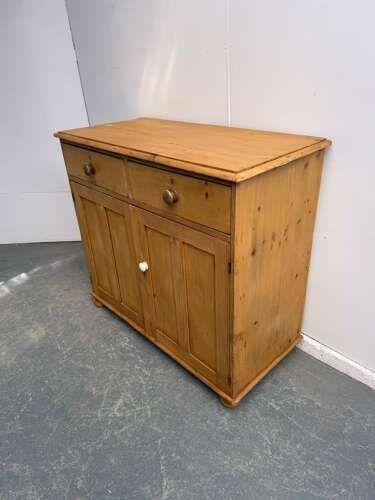
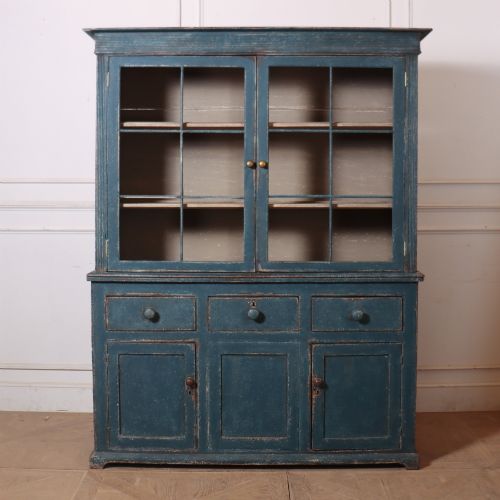
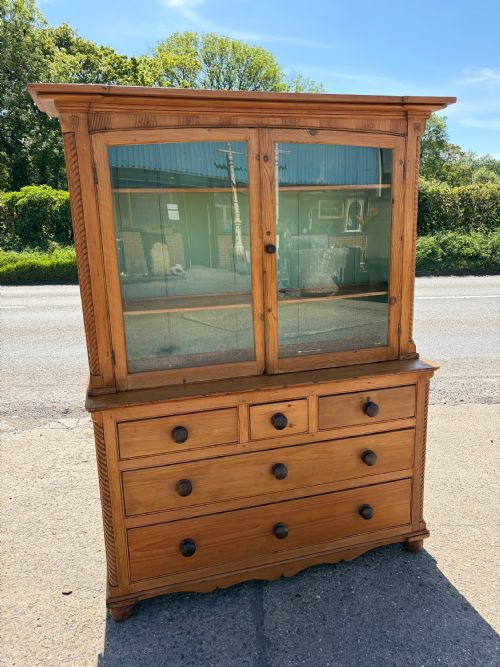
A nineteenth century kitchen dresser anchors a room with practical utility and regional character, built to hold domestic ware.
Nineteenth Century Kitchen Dresser
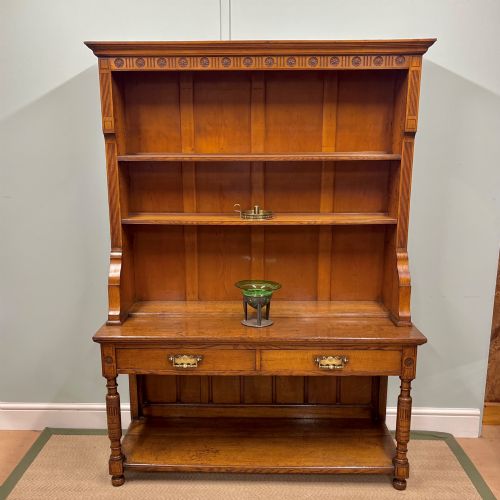
A nineteenth century kitchen dresser brings substantial storage and display to a domestic interior through fitted open racks and lower cupboards. These domestic pieces serve both utilitarian and display purposes, housing everyday crockery alongside valued ceramics in traditional settings.
The versions met most frequently on this page combine upper plate racks with lower dresser bases, often featuring rows of drawers and cupboards. Regional variations emerge from places such as Wales, Cornwall, and the West Country, alongside French Provincial examples.
Makers utilised local timbers to construct forms ranging from simple pine dresser bases to monumental country house dressers with integrated clocks. Each regional style reflects the domestic habits of its origin, from Welsh vernacular pieces to West Country forms.
Materials and construction methods
Makers constructed these pieces predominantly from solid timber, utilising pine and oak alongside fruit wood and elm. Surfaces frequently show historical layers of hand paint, wax finishes, or natural patination developed through generations of domestic use.
Hardware details incorporate brass and iron handles, hinges, and key escutcheons that secure cupboards and drawers. Joinery methods rely on traditional pegged and dovetailed construction to withstand heavy daily use in busy domestic kitchens.
Nineteenth Century Kitchen Dresser Retail Price Guide 2026
Typical asking prices for nineteenth century kitchen dresser among the pieces listed under this phrase on Sellingantiques today, from the lower quarter to the upper quarter. They describe what is for sale here now, not the wider market.
Listings feature regional pieces from Wales, Cornwall, and the West Country alongside French Provincial examples.
Assessing quality and proportion
Quality rests in the integrity of the timber selection and the retention of original fixtures, such as brass pulls and glass panels. Pieces retaining their original paint layers or deep waxed patination demonstrate superior historical preservation compared to later stripped surfaces.
Proportion and scale distinguish finer regional examples, particularly where upper plate racks integrate harmoniously with deep dresser bases. Structural honesty, such as untouched dovetailed drawers and solid backboards, marks the distinction between standard utility items and masterworks.
Augustus Pugin
The Nineteenth Century Kitchen Dresser Glossary
- Dresser base
- The lower section of a kitchen dresser, featuring drawers and cupboards without the upper plate rack. These standalone units functioned as sideboards or preparation tables in country kitchens.
- Plate rack
- The upper open shelving unit designed to display ceramic plates and platters upright against a wall. These racks often include smaller spice cupboards or hooks for hanging utility items.
- Housekeepers cupboard
- A large storage cabinet utilised in country houses for linen, provisions, and domestic goods. These pieces feature multiple doors enclosing internal shelving and storage compartments.
- Vernacular furniture
- Domestic pieces made by local craftspeople using regional traditions and readily available materials. These items prioritise everyday utility over high-style academic design.
- Clock dresser
- A regional form incorporating a tall clock face directly into the central section of the dresser frame. This combination united two essential kitchen timepieces and storage units into one elevation.
Nineteenth Century Kitchen Dresser: Frequently Asked Questions
How do I clean a waxed pine dresser?
Maintain waxed pine surfaces by dusting regularly with a soft, dry cloth to prevent dirt accumulation.
Apply a traditional beeswax polish sparingly when the wood appears dry, buffing gently to restore the natural sheen without building up heavy residue.
Can I separate the rack from the base?
Many nineteenth century kitchen dressers were constructed in two separate sections, consisting of an upper rack resting upon a lower dresser base. This two-part construction facilitated transport through narrow cottage doorways and stairwells.
Inspect the meeting points where the rack sits on the base to determine if the pieces are designed to lift apart safely without damaging the timber.
What is a Welsh dresser?
A Welsh dresser refers to a traditional form originating from Wales, typically characterised by a substantial lower base of drawers and cupboards surmounted by an open plate rack. These regional pieces often served as the central focal point of farmhouse kitchens.
Collectors prize authentic examples for their specific vernacular proportions and local timber choices, such as native oak.
Where should I place a large country house dresser?
Position a large country house dresser against a sturdy dining room or kitchen wall where its full height and depth can be accommodated safely. Ensure the floor is level so the heavy timber frame settles evenly without straining the joints.
Keep the piece away from direct heat sources such as radiators to prevent the pine or oak timber from drying out and splitting over time.