
Portrait Bust Sculpture
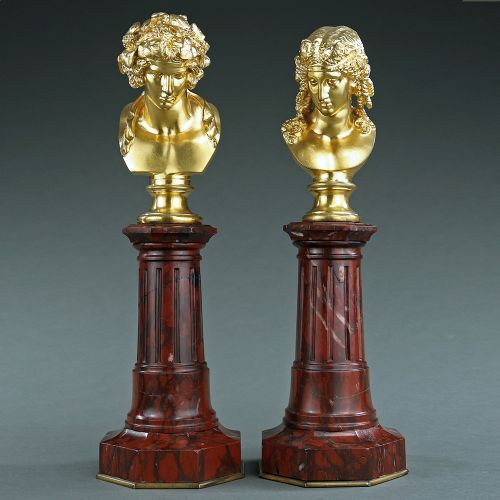
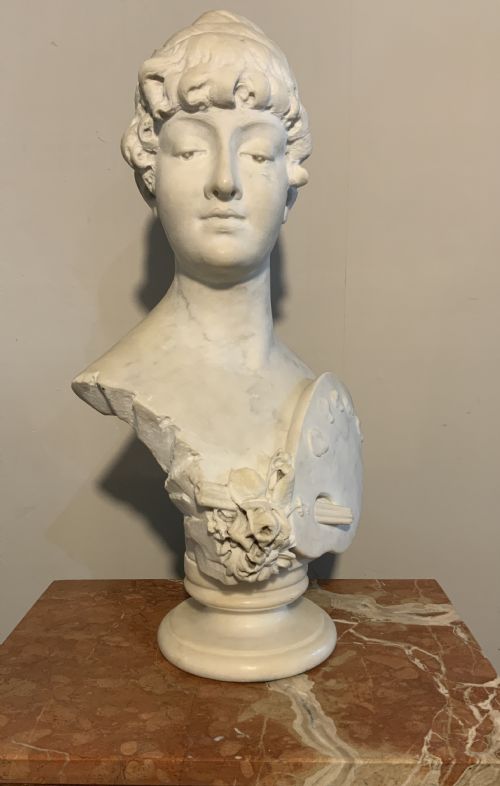
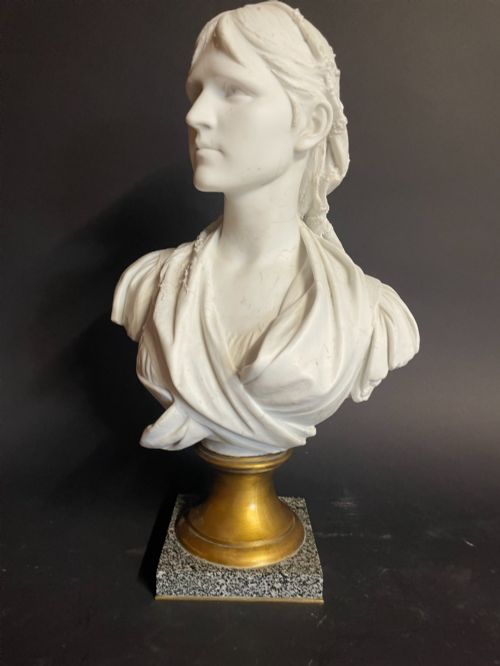
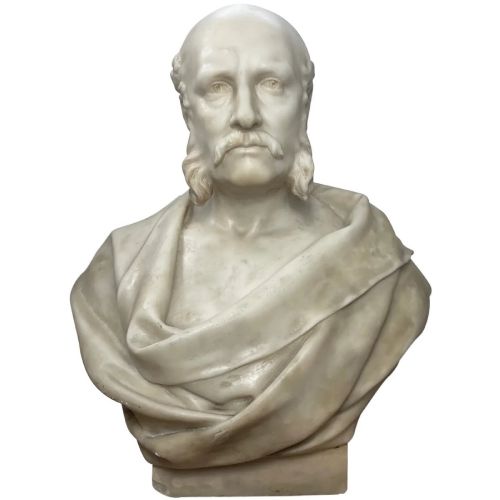
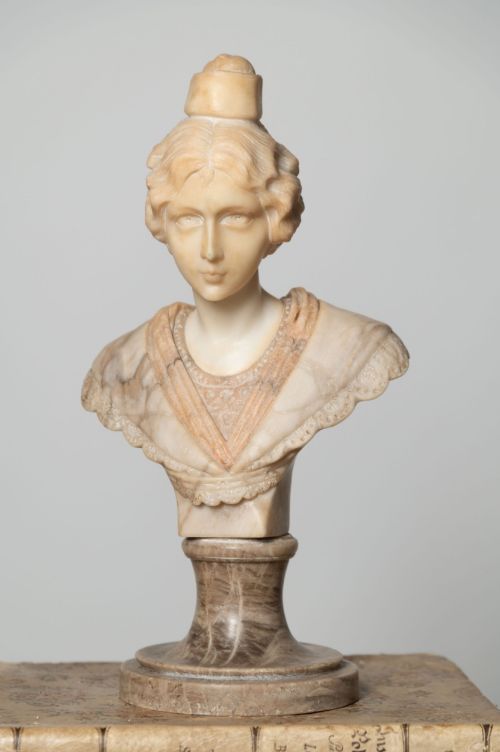
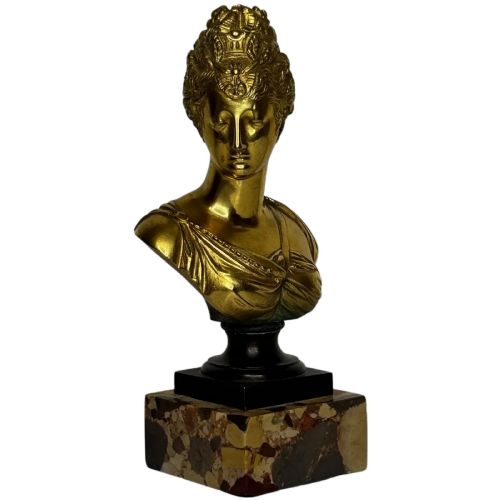
These portrait bust sculpture pieces capture historical figures, mythological subjects and anonymous sitters in enduring materials, offering immediate presence to any room.
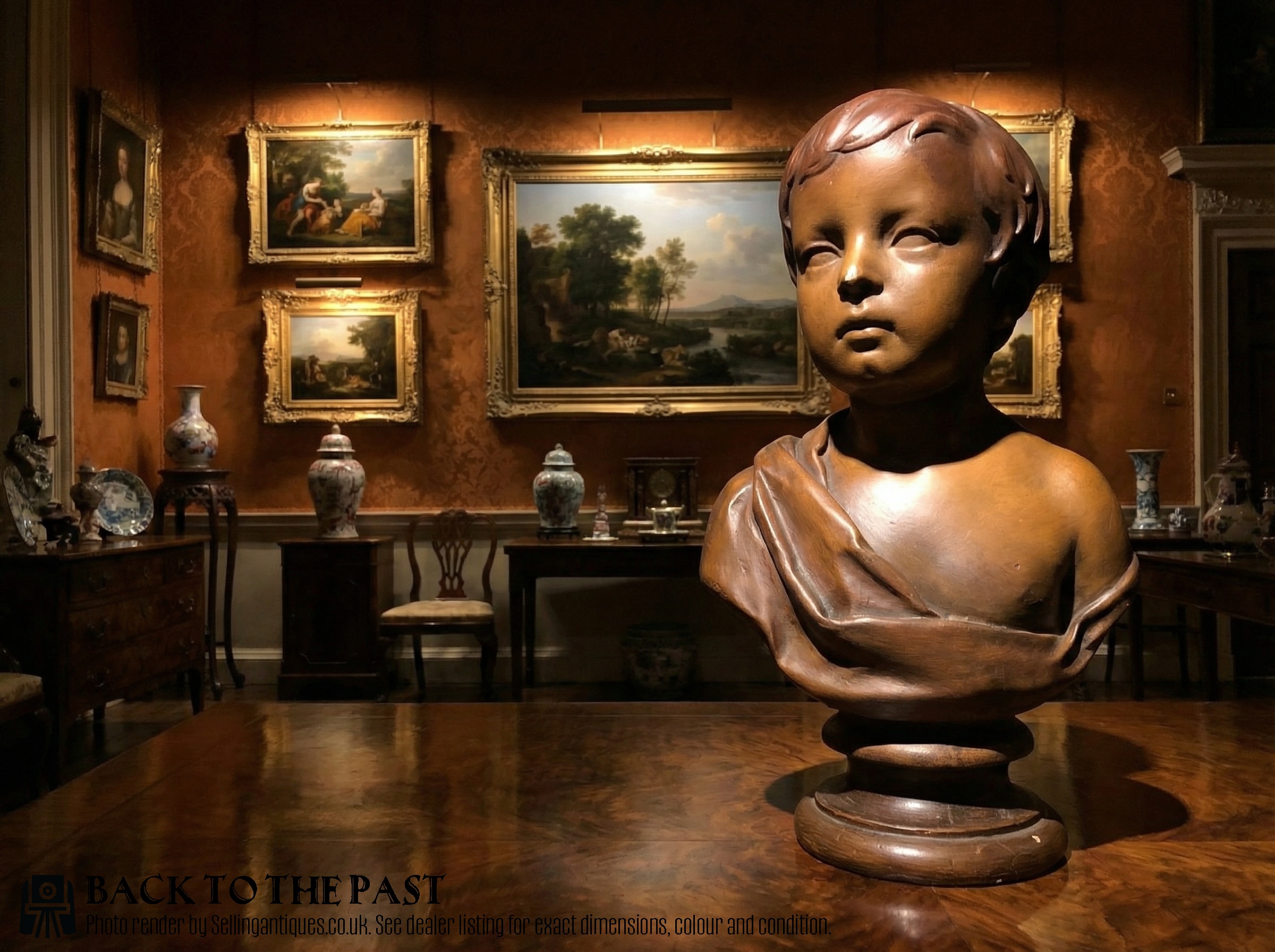
Portrait Bust Sculpture
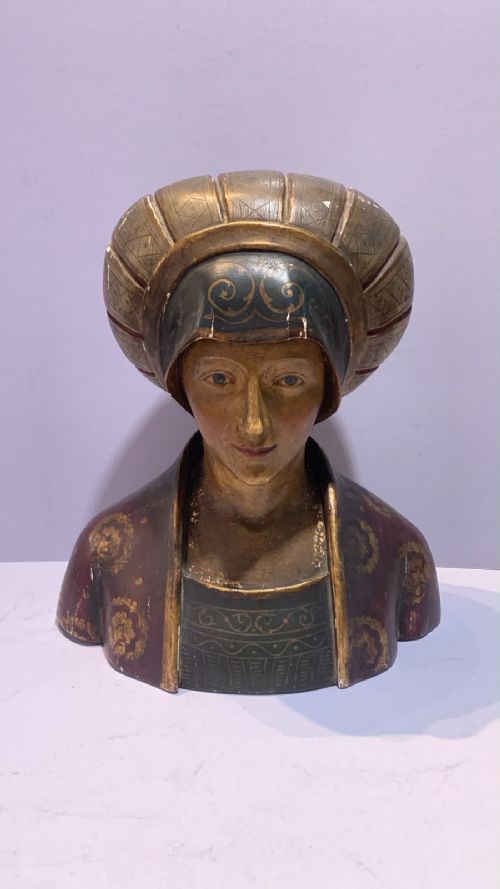
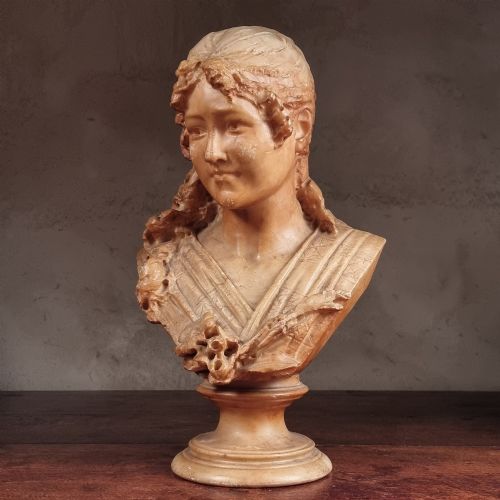
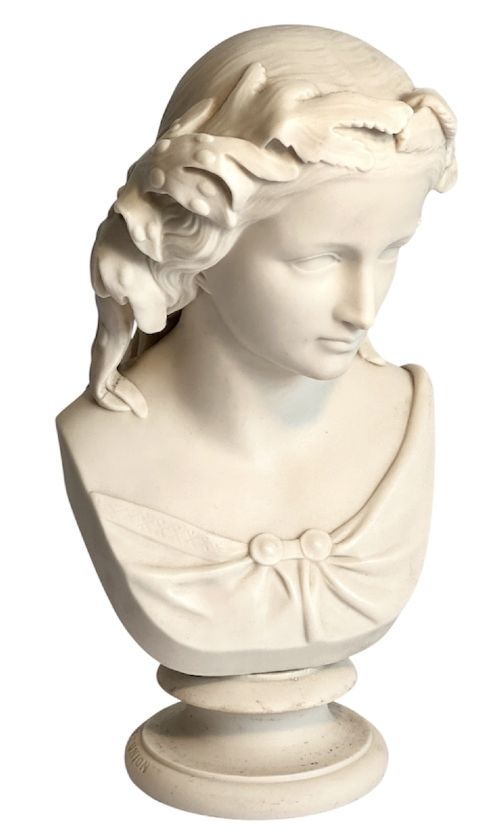
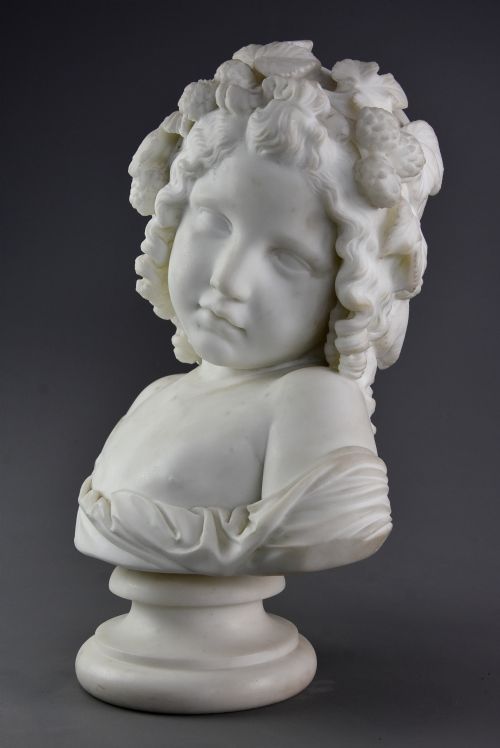
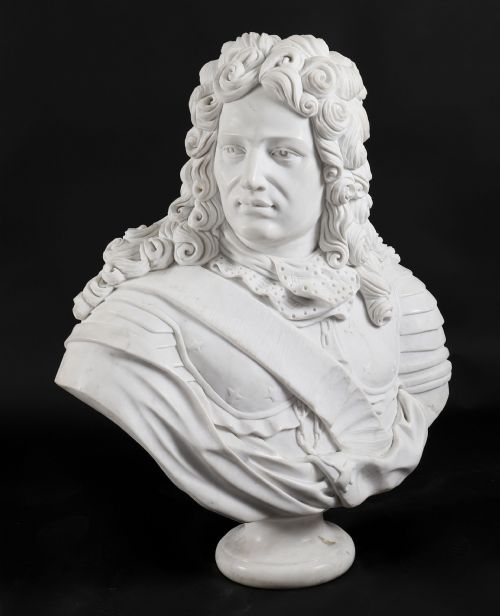
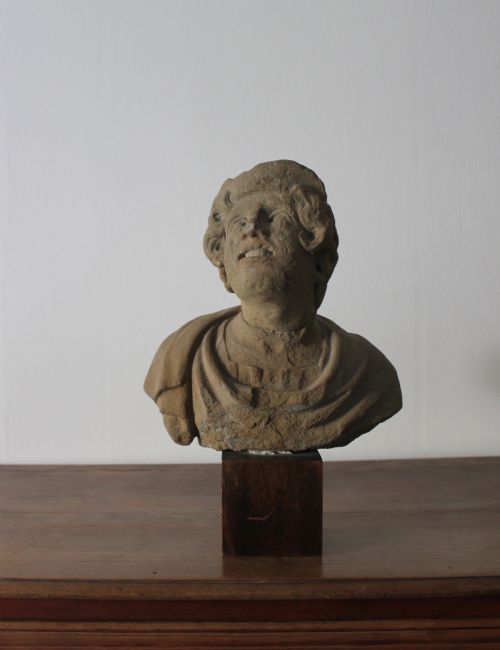
When you search for portrait bust sculpture, you encounter three-dimensional likenesses carved, cast or modelled from life, history and classical mythology. The selection spans the nineteenth century up to the art deco period, drawing heavily on Italian workshops, French foundries and British studios.
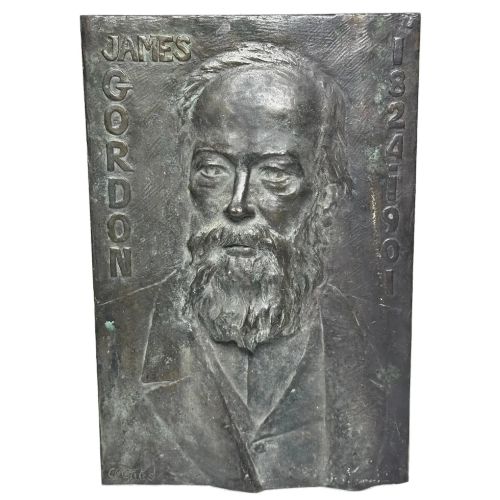
You meet grand civic monuments of politicians alongside small Grand Tour bronzes of classical deities and literary figures like Dante. Plaster casts, alabaster carvings and terracotta reliefs also appear frequently, representing sitters ranging from Roman emperors to nineteenth-century gentlemen.
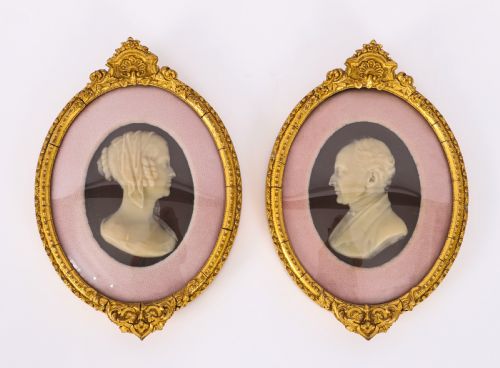
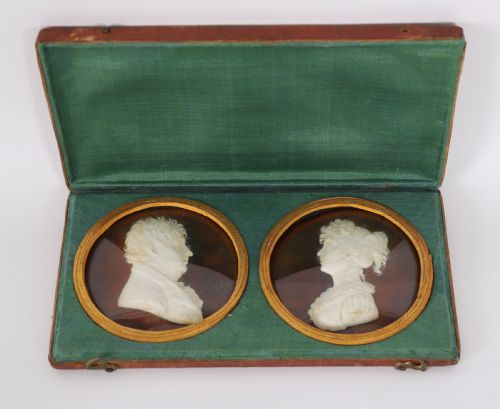
Domestic library busts sit alongside life-sized exhibition pieces, showing how portraiture shifted from public commemoration to private contemplation. The forms include full three-dimensional heads on socles, wall-mounted plaques and framed wax profile reliefs.
How they were made
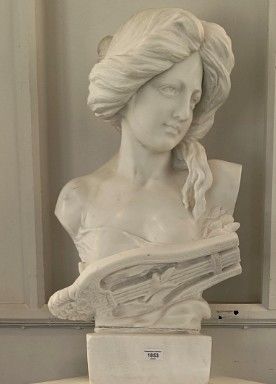
Carved pieces rely on the direct manipulation of stone, using Carrara marble, alabaster, stone and walnut to reveal form through chiselling and polishing. Sculptors worked from life or classical models, leaving tool marks that indicate hand-carving or smooth surfaces achieved through abrasive rubbing.
Cast sculptures utilise metal and plaster, employing the lost-wax technique for bronze and gilt bronze editions or pouring liquid plaster into moulds for accessible interior ornaments. Parian ware pieces involve specialised porcelain casting developed to emulate carved marble.
Surface treatments complete the fabrication, from the cold painting of plaster and terracotta to the patination of bronze and the detailed mounting of wax reliefs behind glass. These methods dictate the weight, texture and light-reflecting qualities of each object.
Listings feature marble, bronze, alabaster and plaster portrait busts spanning the nineteenth century alongside classical revival pieces.
What varies in quality
Anatomical conviction and psychological depth separate ambitious studio pieces from mass-produced souvenir items. The handling of bone structure, musculature and expression determines whether a face possesses individual life or remains generic.
The crispness of the chase in bronze work and the subtlety of undercutting in marble carving distinguish superior execution. Master sculptors defined hair, drapery and eyelids with sharp precision, whereas lesser works rely on soft, generalised contours.
Materials themselves introduce hierarchy, where translucent alabaster and flawless white marble command greater artistry than painted plaster or composite metal. The presence of a signature or a workshop stamp connects the object directly to a recognised hand.
Affortunato Gory·Emmanuel Villanis·Raffaelo Monti·George Henry Paulin·J Francis
The Portrait Bust Sculpture Glossary
- Socle
- A short plinth or pedestal supporting a bust. It provides structural stability and visually elevates the carved or cast portrait.
- Grand Tour
- A cultural journey undertaken by wealthy Europeans in the eighteenth and nineteenth centuries. It generated a demand for small-scale bronze and marble copies of classical sculptures.
- Parian ware
- A type of fine biscuit porcelain developed in the nineteenth century. It resembles carved marble and was frequently used for literary and historical busts.
- Patina
- The surface sheen and colour acquired by bronze through age or chemical treatment. It protects the metal and enhances the definition of sculptural details.
- Terracotta
- Fired unglazed clay used for preparatory models or finished sculptures. Its warm reddish-brown tone reveals direct hand-modelling by the artist.
Portrait Bust Sculpture: Frequently Asked Questions
How do I date a marble bust?
Examine the tooling marks, the style of the base and the clothing or hairstyle of the sitter. Nineteenth-century pieces often feature machine aids combined with hand-finishing, while earlier examples show distinct chisel techniques.
Compare the surface weathering and the composition of the marble to known examples from specific periods. Signature fonts and foundry stamps also provide reliable chronological anchors.
Were these pieces meant for display?
Most portrait busts served as decorative and educational objects in nineteenth-century libraries, studies and entrance halls. Smaller bronzes were collected as souvenirs of continental travel.
Larger marble and bronze commissions commemorated family members, civic leaders or cultural icons in public buildings and private homes. They anchored the intellectual identity of the room.
What is a death mask?
A death mask is a plaster or wax cast taken of a person's face shortly after death. They served as accurate templates for sculptors creating commemorative portraits.
Subjects ranged from literary figures and revolutionaries to anonymous individuals, preserving exact facial proportions. They form a distinct category within portrait sculpture.