


Porcelain Pedestal Bowl
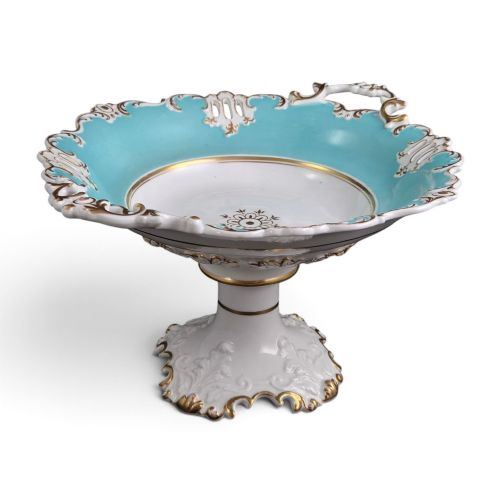
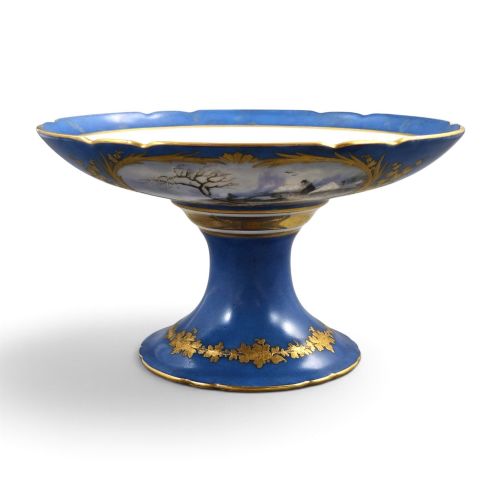
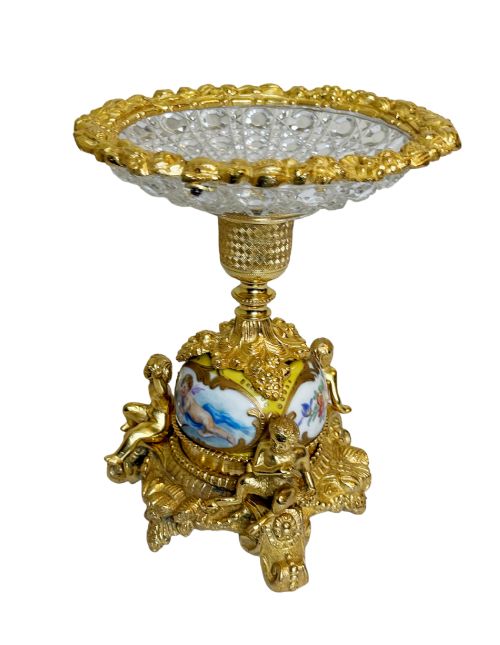
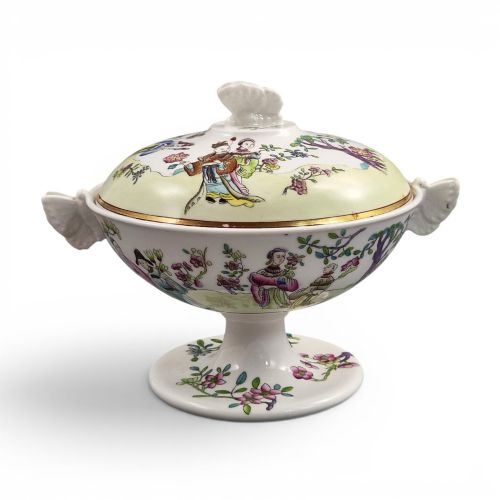
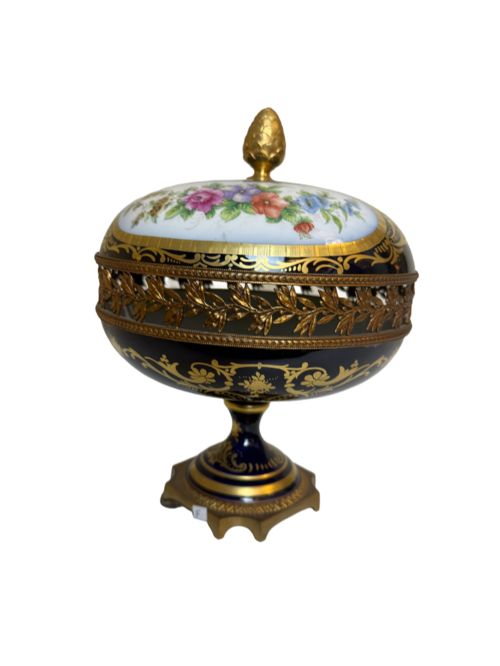
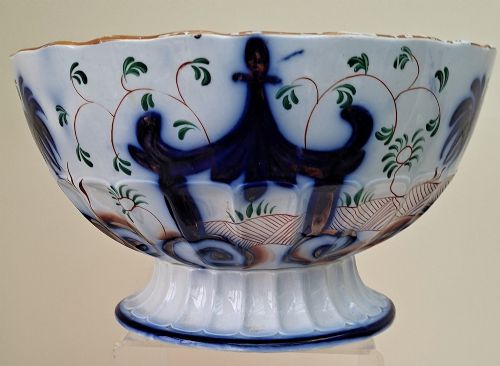
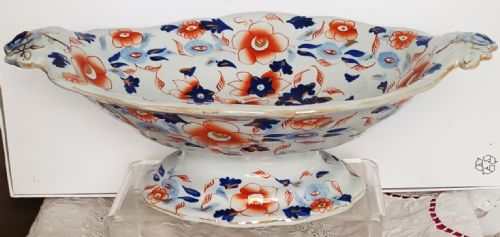
These porcelain pedestal bowl examples elevate a table with raised footed forms spanning Georgian delicacy and Victorian grandeur.
Porcelain Pedestal Bowl
A porcelain pedestal bowl sits elevated upon a distinct foot, stem, or base, functioning primarily as a table centrepiece, comport, or tazza. These pieces emerge across Georgian, Victorian, and Edwardian periods, taking forms such as covered pedestal bowls, basket bowls, and elaborate figural compotes.
Materials and construction
Potters shape fine bone china, felspar porcelain, and ironstone into raised vessels before applying intricate glazes and enamel decoration. Many examples incorporate gilding, gold leaf, or gilt bronze mounts that frame the porcelain body.
Moulding and throwing techniques create the supportive stands, tazza stems, and decorative handles. Artisans frequently integrate applied three-dimensional motifs, such as putti, roses, and butterflies, directly onto the porcelain surface prior to firing.
Makers populated nineteenth-century compotes with miniature porcelain butterflies and cherubs that peer out from beneath handles and stems.
Assessing quality in raised bowls
Quality reveals itself in the crispness of the modelling, particularly in applied elements like flowers, putti, and handles, where finer pieces retain sharp botanical detail and delicate relief. The precision of the hand-painted enamel work and the richness of the gilding further distinguish superior examples from standard production.
The architectural balance of the pedestal base relative to the bowl above governs the proportion and visual harmony of the piece. Superior items demonstrate clean potting beneath the glaze and precise registration of transfer-printed or hand-painted patterns.
Coalport·Sèvres·Spode·Limoges·Schierholz Plaue·Wedgwood·Mason·Royal Worcester·Minton·Davidson
The Porcelain Pedestal Bowl Glossary
- Tazza
- A shallow bowl or flat dish mounted on a stem and foot, commonly used for serving fruit or sweets.
- Comport
- A footed dish or bowl designed for the centre of a dining table, frequently matched in sets during the nineteenth century.
- Gilding
- The application of gold leaf or gold paint to the surface of porcelain or bronze mounts.
- Bone china
- A type of soft-paste porcelain incorporating bone ash, developed in England to achieve high whiteness and translucency.
- Ironstone
- A heavy, durable type of earthenware patented in England, often decorated with transfer-printed patterns.
Porcelain Pedestal Bowl: Frequently Asked Questions
How were pedestal bowls used on historical dining tables?
These elevated vessels occupied the centre of the dining table, often filled with fresh fruit, sweetmeats, or decorative flowers. They provided height and visual focus to elaborate table settings during formal meals.
Larger compotes and tazzas worked as standalone centrepieces, while smaller footed bowls formed part of larger garnitures or dessert services arranged across the linen.
How do I distinguish Georgian porcelain bowls from Victorian ones?
Georgian examples often display neoclassical restraint or early transfer-printed patterns on refined felspar porcelain and bone china. Forms tend to balance geometric clarity with understated handles and delicate foot rims.
Victorian pieces embrace heavier ornamentation, vibrant enamel grounds, and revivalist aesthetics such as Rococo curves and applied figures. Gilding on Victorian examples is frequently bolder and more extensive.
How should I care for antique porcelain with gilt mounts?
Clean these pieces using a soft, dry duster to remove surface dust without abrasive friction. Avoid immersing gilt bronze mounts or antique enamel in water, as moisture can lift delicate gold leaf or damage historic adhesives.
Display the bowls away from direct sunlight to preserve the fugitive pigments found in hand-painted floral motifs and lustre glazes.