


Makeig Jones Porcelain
Makeig Jones porcelain brings complex mythological narratives and rich iridescent surfaces into interior spaces through early twentieth-century ceramic design.
Makeig Jones Porcelain
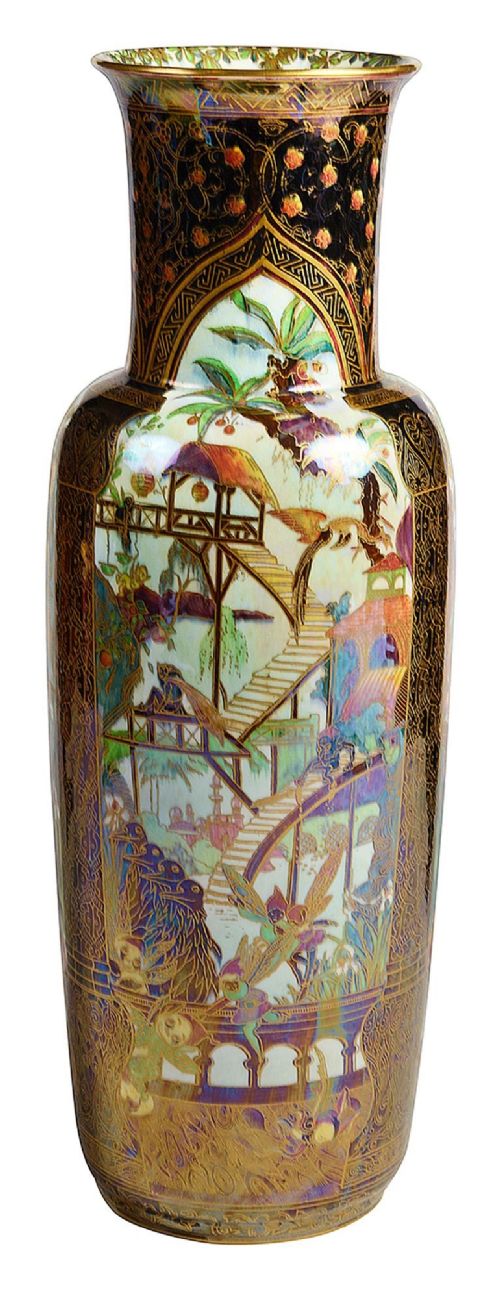
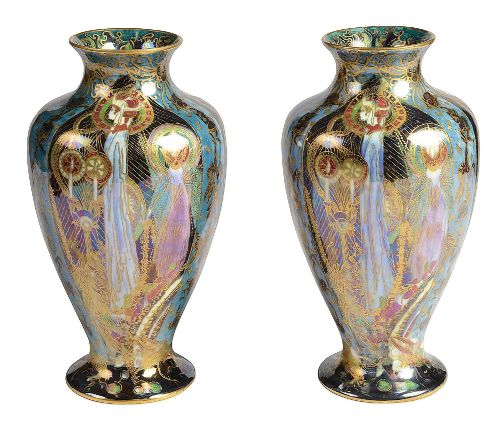
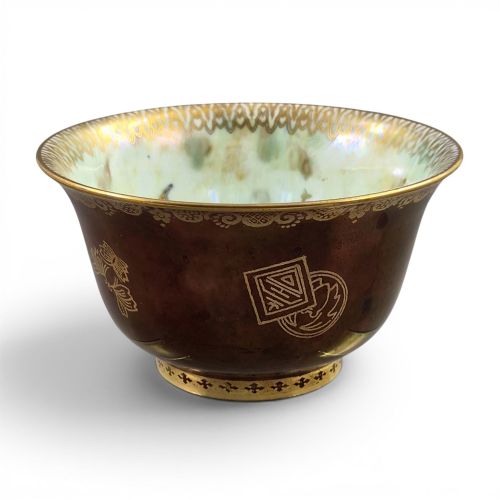
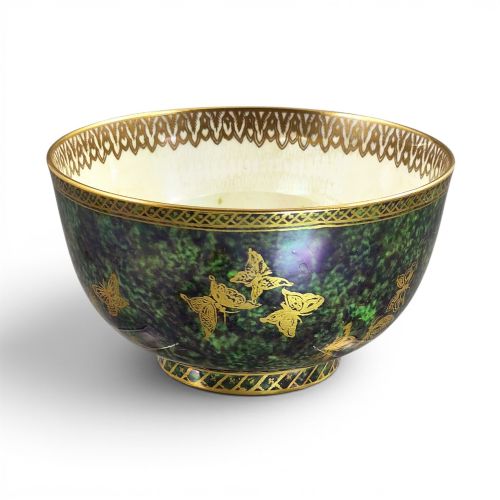
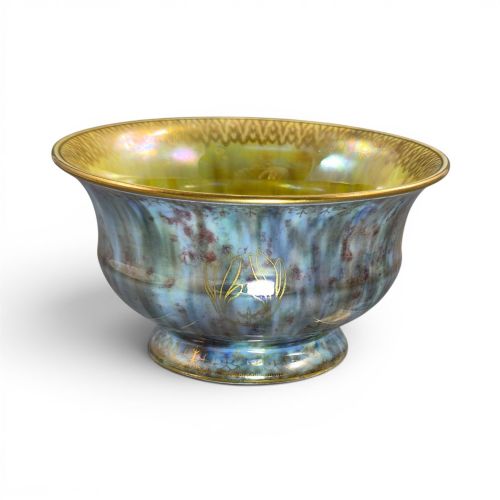
When studying makeig jones porcelain, collectors encounter pieces produced primarily during the Edwardian period and the 1910 to 1920 decades. These works emerge largely as decorative bowls, baluster vases, bud vases, and miniature cups bearing distinct pattern numbers.
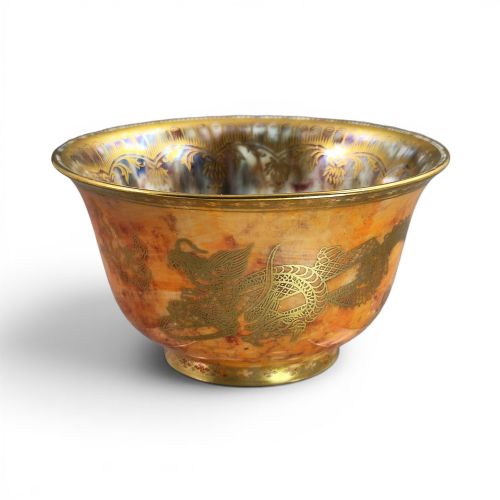
The most common items meeting buyers on this page are decorative bowls and octagonal vessels adorned with elaborate pictorial motifs. These forms showcase distinctive glaze effects developed during the early twentieth century.
Originating from the traditional ceramic potteries, these items span styles from Edwardian ornamentation to Art Nouveau and Art Deco sensibilities. The output centres heavily on imaginative subjects rendered across bone china and standard ceramic bodies.
Materials and Techniques
The manufacture of these ceramics relies upon porcelain and bone china bodies shaped into vessels and glazed with specialised lustre coatings. Artisans applied metallic applications including gold leaf, gilt, and gilding to accentuate the detailed pictorial transfers and hand-painted elements.
The distinctive visual depth derives from layered lustre glaze techniques that produce iridescent surface effects across the ceramic body. Kiln firing methods fixed these metallic sheens and multi-coloured pigments onto the porcelain surfaces.
Even tiny miniature cups manage to squeeze entire mythical dragon landscapes onto surfaces scarcely larger than a coin.
Evaluating Makeig Jones Pieces
Evaluation rests upon the complexity of the pictorial design, such as intricate Fairyland motifs depicting dragons, fairies, and butterflies versus simpler geometric patterns. The richness and preservation of the applied gold leaf and iridescent lustre glazes heavily influence the overall visual impact.
The crispness of the transfer printing combined with hand-painted detailing distinguishes standard production items from more ambitious narrative vessels. Furthermore, the rarity of specific pattern numbers and unusual bowl shapes elevates the standing of an individual piece.
Daisy Makeig Jones·Wedgwood
The Makeig Jones Porcelain Glossary
- Lustre Glaze
- A type of ceramic glaze containing metallic salts that produce an iridescent, metallic sheen upon firing. This technique creates the signature glowing surface quality seen on these wares.
- Bone China
- A soft-paste porcelain incorporating animal bone ash, resulting in a strong, highly translucent ceramic body. It served as the primary canvas for many elaborate decorative designs.
- Baluster Vase
- A tall vase form characterised by a rounded body that tapers toward the base and swells near the lower portion. This shape provides a broad surface area for narrative pictorial scenes.
- Gold Leaf
- Hammered sheets of gold applied to ceramic surfaces for decorative embellishment and outlining. It highlights specific design elements against the colourful lustre background.
- Pattern Number
- A numerical code assigned by the manufacturer to identify specific decorative designs and colourways. These numbers help collectors categorize individual artistic themes.
Makeig Jones Porcelain: Frequently Asked Questions
What is Fairyland Lustre?
Fairyland Lustre is a specialised line of decorative ceramics featuring fantastical scenes of goblins, fairies, and mythical creatures. These elaborate designs represent the pinnacle of early twentieth-century ceramic artistry.
The intricate patterns required multiple kiln firings and meticulous hand-painting to achieve their characteristic depth and glowing chromatic effect.
How do I identify a pattern number?
Pattern numbers typically appear as letter and number combinations painted or stamped on the underside of the vessel. These codes correspond to specific design motifs and colour palettes utilised during production.
Checking these numbers against records helps determine the exact decorative theme applied to bowls and vases.
Are these pieces made of bone china?
Many items utilise bone china bodies, providing a durable and translucent foundation for the colourful glaze applications. Other pieces employ standard ceramic porcelain bodies depending on the specific vessel form.
Both material types accepted the complex lustre glazes and metallic gilding during the manufacturing process.
How should I display lustreware?
Lustreware benefits from placement in environments away from direct, harsh sunlight to protect the iridescent glaze surface. Adequate interior lighting enhances the metallic sheen and the fine details of the gold gilding.
Grouping bowls and vases together allows the varied colour palettes and intricate motifs to complement each other within a room.