
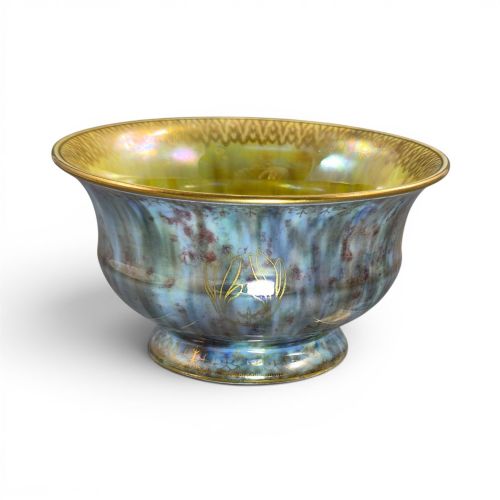


Blue Lustre Bowl
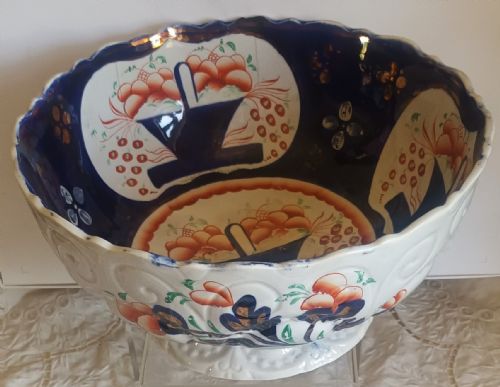
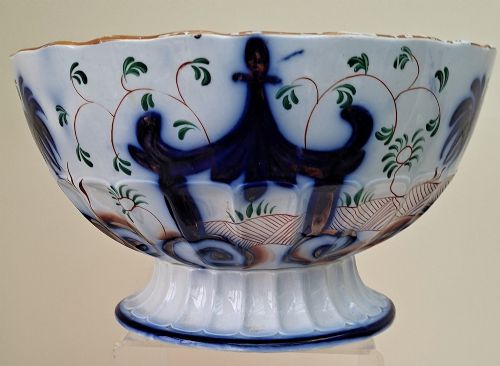
A blue lustre bowl brings an extraordinary metallic shimmer to your interior through iridescent glazes and intricate decorative motifs.
Blue Lustre Bowl
When you search for a blue lustre bowl, you encounter earthenware and porcelain vessels finished with a metallic glaze that catches the light. These pieces range from nineteenth-century Victorian examples to twentieth-century Art Deco creations.
You are most likely to meet nineteenth-century Victorian Gaudy Welsh footed bowls and twentieth-century pieces produced during the Edwardian period and the nineteen-twenties and thirties. Forms include large octagonal bowls, fruit bowls, and wash basins.
The aesthetic bridges domestic utility and pure display, shifting from traditional floral patterns to fantastical dragons, birds, and architectural motifs.
Materials and technique
Potters built these vessels using earthenware, bone china, and porcelain bodies, shaping them into footed bowls, basins, and miniature cups. The foundational clay or ceramic was then painted or printed with detailed designs.
The signature iridescent sheen comes from lustre glazes combined with enamel and gold leaf. Firing these metallic oxides at precise temperatures produced the characteristic shimmering surface finish.
Listings feature earthenware, porcelain, and bone china pieces decorated with glaze, enamel, and gold leaf.
Judging quality and execution
The distinction between ordinary and exceptional pieces lies in the complexity of the design and the richness of the glaze. Works featuring detailed scenes like dragons or architectural pagodas demonstrate superior artistic ambition compared to simpler patterns.
The depth of the iridescent effect and the crispness of the gilt detailing dictate the visual impact of the object. Master painters achieved a multi-layered shimmer that responds dynamically to changing light conditions.
Wedgwood·Maling
The Blue Lustre Bowl Glossary
- Lustre glaze
- A type of pottery glaze containing metallic oxides that produce an iridescent, metallic sheen upon firing. This technique creates the signature reflective surface seen on these bowls.
- Gaudy Welsh
- A style of colourful pottery produced in the nineteenth century, characterised by bright enamel colours and copper or lustre accents. These pieces often feature repeating floral and architectural motifs.
- Bone china
- A type of soft-paste porcelain composed of bone ash, feldspathic material, and kaolin. It provides a strong, translucent body well suited to fine decorative vessels.
- Octagonal bowl
- A vessel possessing eight distinct sides, requiring precise moulding and painting. This geometric form became particularly popular during the early twentieth century.
- Footed bowl
- A bowl raised on a pedestal or distinct base, elevating the main body of the vessel. This form emphasises the decorative exterior surface.
Blue Lustre Bowl: Frequently Asked Questions
What periods do these bowls come from?
The pieces span from the nineteenth century through the Edwardian era and into the nineteen-twenties and thirties. Victorian examples often display traditional patterns, while later twentieth-century pieces embrace Art Deco influences.
Twentieth-century production brought complex fantastical motifs and octagonal forms into prominence, building upon earlier earthenware traditions.
How were these bowls used originally?
Many of these vessels functioned as decorative centrepieces, fruit bowls, or display items rather than for heavy dining use. Smaller examples served as miniature cups or cabinet pieces.
Basins and larger footed bowls fulfilled domestic washing or display roles in period interiors, showcasing the reflective lustre finish to guests.
How do I care for a lustre bowl?
Dust these ceramic pieces gently with a soft, dry cloth to protect the delicate enamel and gold leaf details. Avoid harsh chemical cleaners or abrasive scouring pads.
Keep the bowls away from direct, prolonged sunlight to preserve the vibrant tones of the lustre glaze and underlying enamel colours.
How do I distinguish different patterns?
Victorian pieces frequently display floral arrangements like the basket of flowers pattern or architectural scenes such as pagodas. Twentieth-century designs often incorporate mythical creatures like dragons and butterflies.
Examining the motifs alongside the ceramic body and glaze thickness helps separate nineteenth-century Gaudy Welsh items from later studio and factory output.