


Gilt Blue Porcelain Pedestal
A gilt blue porcelain pedestal brings brilliant cobalt and gleaming metallic mounts together, offering the classic elegance that collectors seek for display.
Gilt Blue Porcelain Pedestal
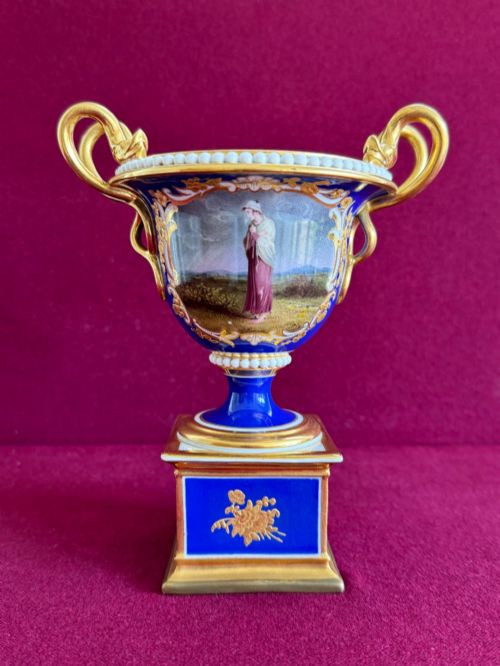
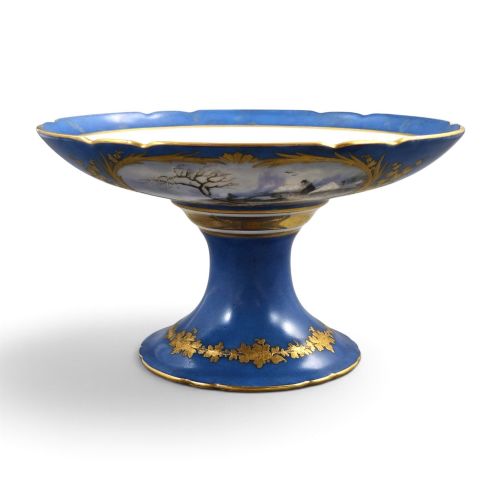
A gilt blue porcelain pedestal represents a striking combination of rich cobalt glaze and metallic enrichment, taking forms such as tazzas, urns, and vases mounted on raised stands. These items emerge primarily from nineteenth-century European production centres, spanning Victorian outputs to French and Austrian creations.
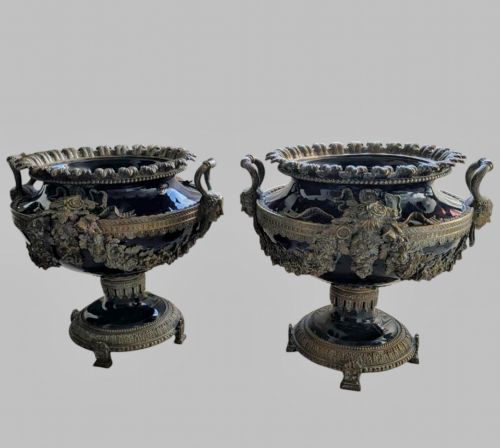
Buyers encountering this search phrase frequently find decorative vessels on stands, lidded dishes, and centrepiece bowls that combine glazed ceramic bodies with gilt bronze or ormolu mounts. The aesthetic leans heavily towards Neoclassical, French Rococo Revival, and Empire styles, reflecting grand interior ornamentation.
Originating largely from notable Continental and British workshops of the 1800s and early 1900s, these objects function as focal points on tables, consoles, and mantelpieces. Their enduring appeal lies in the sharp contrast between deep blue ceramic grounds and brilliant gold leaf or gilt metal highlights.
How they were made
Potters shaped the ceramic bodies using fine porcelain clays before applying deep cobalt blue glazes and enamel colours, followed by careful kiln firing to fix the rich hues. Artisans then added intricate gold leaf or gilt decoration by hand over the glaze.
Metalworkers contributed cast ormolu and gilt bronze mounts, securing them to the porcelain bases and rims with precision engineering to create elevated tazzas, urns, and pedestal bowls.
Some nineteenth-century decorators apparently believed no mantelpiece was complete without a pair of cobalt urns glaring haughtily at the clock.
What varies in quality
The precision and crispness of the gilt work dictate the upper tier of quality, where hand-penciled gold and chased ormolu mounts show superior definition and depth. Lesser examples feature flat, mechanically applied metallic finishes with minimal hand-tooling.
Ceramic body refinement also separates the standard productions from exceptional works, with finer porcelains exhibiting smoother surfaces, more vibrant cobalt saturation, and perfectly balanced proportions between the vessel and its supporting base or mount.
Sèvres·Wedgwood·Vienna
The Gilt Blue Porcelain Pedestal Glossary
- Ormolu
- Gilded bronze mounts applied to furniture, clocks, and porcelain vessels. This technique involves treating finely cast bronze with a mercury and gold amalgam before heating.
- Tazza
- An elevated shallow bowl or cup resting on a pedestal foot, traditionally used for display or serving fruit. These pieces often feature decorative handles and rich surface painting.
- Jandiniere
- An ornamental pot or stand designed to hold plants or flowers, frequently rendered in glazed ceramic with metallic mounts. They serve as substantial interior decorative objects.
- Bisque
- Unglazed white porcelain that has been fired once, possessing a matte texture resembling marble. It is often employed for portrait busts and classical figures.
- Gilt
- A thin layer of gold applied to the surface of porcelain, metal, or wood through various leaf or liquid methods. This treatment enhances decorative contrast against blue ceramic grounds.
Gilt Blue Porcelain Pedestal: Frequently Asked Questions
What is a gilt blue porcelain pedestal?
It is an ornamental ceramic vessel featuring deep blue glazes and gold highlights, raised on a base or stand for decorative display.
These pieces range from small lidded dishes to large classical urns and tazzas.
How were these decorative pieces used?
Nineteenth-century households placed these ornate vessels on console tables, cabinets, and mantelpieces as symbols of status and taste.
Larger versions functioned as centrepieces for fruit or floral arrangements during formal dining occasions.
How do I identify the period?
Stylistic clues such as Empire or Neoclassical motifs, alongside factory marks and the finish of the ormolu mounts, help determine the date.
Nineteenth-century examples often exhibit hand-painted details and heavy gilt bronze mounts characteristic of French and Austrian workshops.
How do I care for gilt porcelain?
Dust these delicate surfaces gently with a dry, soft brush to protect the fragile gold leaf and enamel decorations.
Avoid using liquid cleaners or abrasive cloths, as moisture and friction can damage the delicate overglaze gilding and ormolu.