


Blue Sevres Dish
A blue sevres dish brings French Rococo Revival elegance to a room through rich porcelain and gold leaf details.
Blue Sevres Dish
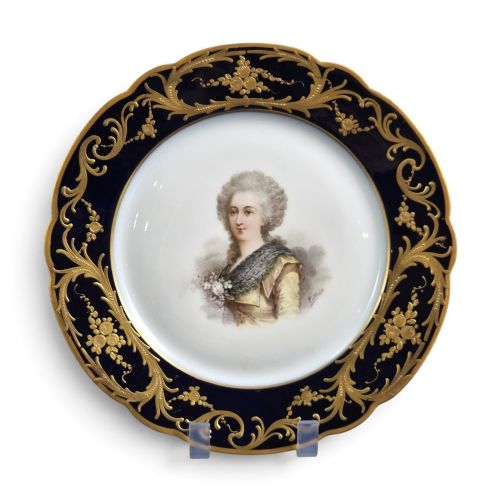
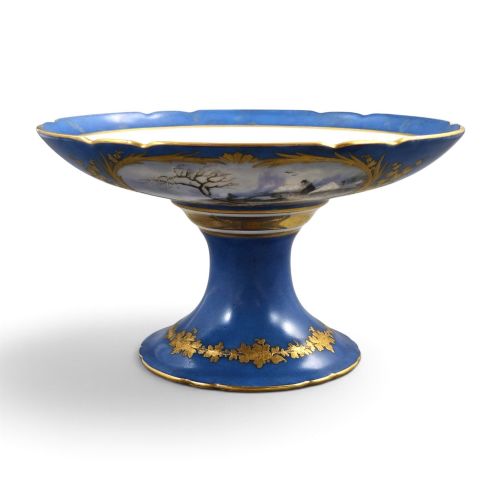
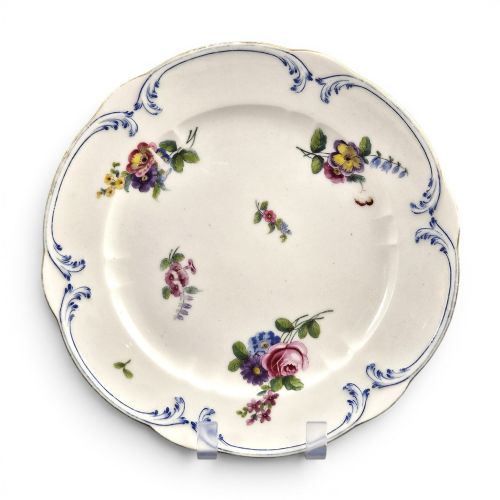
A blue sevres dish encompasses cabinet plates, decorative bowls, and oval dishes produced across the eighteenth and nineteenth centuries. These pieces typically display rich blue ground colours complemented by intricate hand-painted scenes and gilt detailing.
The pieces on this page lean heavily towards nineteenth-century interpretations and revivals, alongside select eighteenth-century soft-paste examples. Buyers frequently encounter cabinet plates, decorative trays, and comports bearing French neoclassical and Rococo Revival influences.
Materials and construction
Makers utilised porcelain and soft-paste porcelain as the primary foundation for these dishes, applying coloured glaze to achieve the characteristic blue ground. Artisans then added hand-painted portraits, battle scenes, or pastoral motifs directly onto the ceramic surface.
Gilt, gold leaf, and ormolu mounts were integrated to frame the painted panels and edge the rims. This combination of ceramic, glaze, and metallic application defined French production standards across the period.
Medieval battle scenes and portrait plates prove that French porcelain makers believed nothing elevated dinner conversation quite like a clash of arms.
Assessing quality and execution
Quality rests in the precision of the hand-painted artwork, from detailed portraiture and historical battle scenes to delicate Watteau subjects. Finer examples display superior brushwork and depth within the central reserves.
The application of gold leaf and the crispness of the gilt detailing further distinguish the pieces. Heavier ormolu mounts and refined porcelain bodies indicate higher-tier production from workshops such as Samson or the Sèvres manufactory.
Ambroise Michel·Edm'e Samson
The Blue Sevres Dish Glossary
- Soft-Paste Porcelain
- A glassy ceramic composition fired at lower temperatures than hard-paste porcelain, common in eighteenth-century French manufacture. It provides a distinct, softer texture beneath the glaze.
- Bleu Céleste
- A bright turquoise or sky-blue enamel colour developed at the Sèvres factory. It forms the striking background for many decorative trays and plates.
- Ormolu
- Gilded bronze used for decorative mounts and stands on comports and bowls. It adds structural weight and metallic contrast to the porcelain body.
- Tazza
- A shallow bowl or plate raised on a pedestal foot, used for serving or display. These items often feature prominent blue grounds and gilt borders.
Blue Sevres Dish: Frequently Asked Questions
How do I date a blue sevres dish?
Dating relies on examining the porcelain body, the style of the hand-painted scene, and any underlying factory marks or signatures. Eighteenth-century pieces often utilise soft-paste porcelain, whereas nineteenth-century revivals display harder bodies and distinct stylistic cues from the Rococo or Louis XVI periods.
Secondary indicators include the quality of the gilt detailing and the specific shade of the blue ground. Comparing these elements with documented examples helps narrow down the decade of production.
Are these dishes meant for food use?
These pieces function primarily as decorative cabinet plates, comports, and display trays rather than practical tableware. The presence of delicate gold leaf, ormolu mounts, and hand-painted enamel scenes makes them vulnerable to everyday wear and washing.
Owners typically exhibit them on stands, within cabinets, or on walls to protect the surface decoration. Using them for serving runs the risk of damaging the historical glaze and gilding.
What is the difference between Sèvres and Sèvres-style?
True Sèvres pieces originated directly from the French royal manufactory, bearing specific period ciphers and factory marks. Sèvres-style items were produced by other French makers and nineteenth-century Parisian workshops, such as Samson, emulating the aesthetic.
Both categories utilise similar blue grounds, hand-painted historical scenes, and gilt detailing. The distinction lies in the maker's origin rather than the visual charm or decorative quality of the object.
How should I clean my porcelain dish?
Maintenance requires gentle dusting with a soft, dry cloth to prevent accumulation on the gilt edges and painted surfaces. Avoid using water, abrasives, or chemical cleaners, which can degrade fragile soft-paste glazes and wear away gold leaf.
Keeping the piece away from direct sunlight preserves the vibrancy of the blue ground and hand-painted pigments over time. Professional conservation should be sought for any structural repairs.