






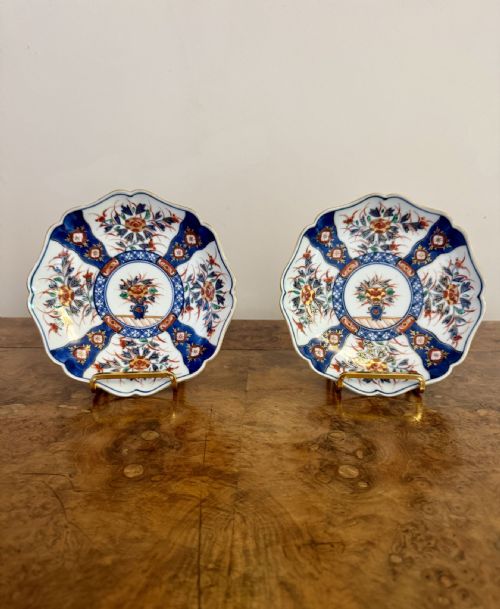
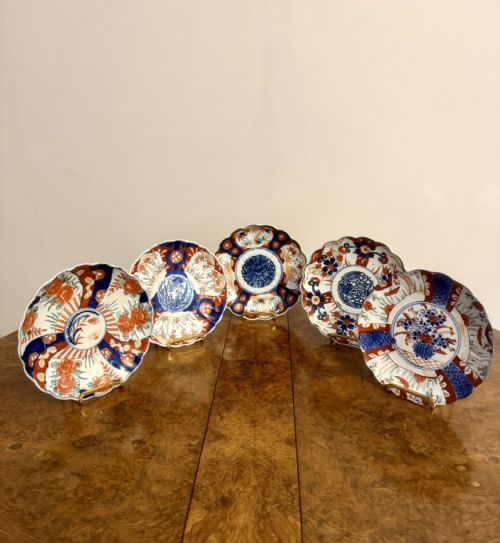
Porcelain Imari Wall Charger
A porcelain imari wall charger brings rich cobalt underglaze, iron red, and gilt decoration to an interior, stemming from Japanese and Chinese kilns.
Porcelain Imari Wall Charger
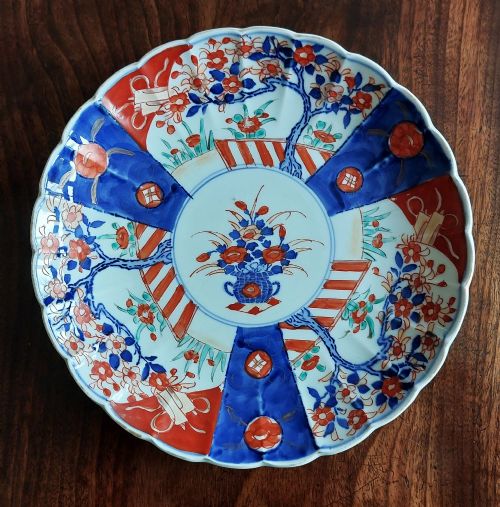
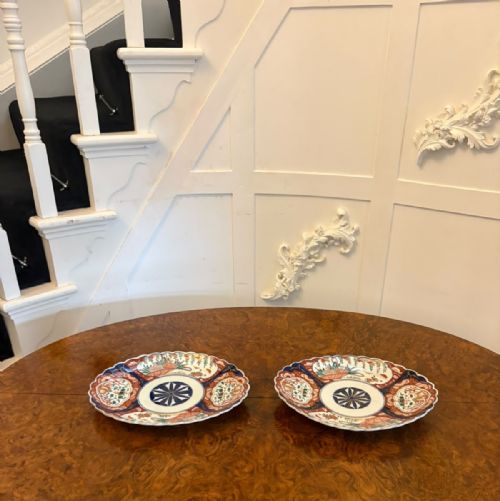
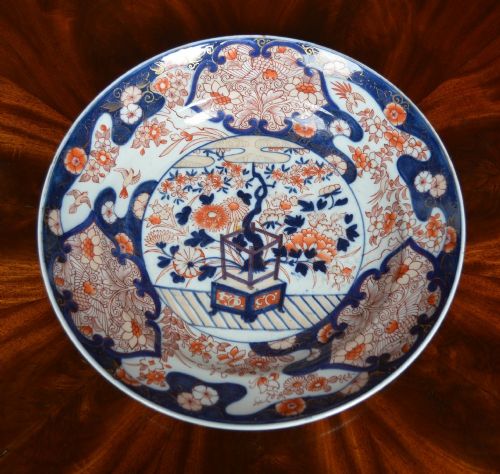
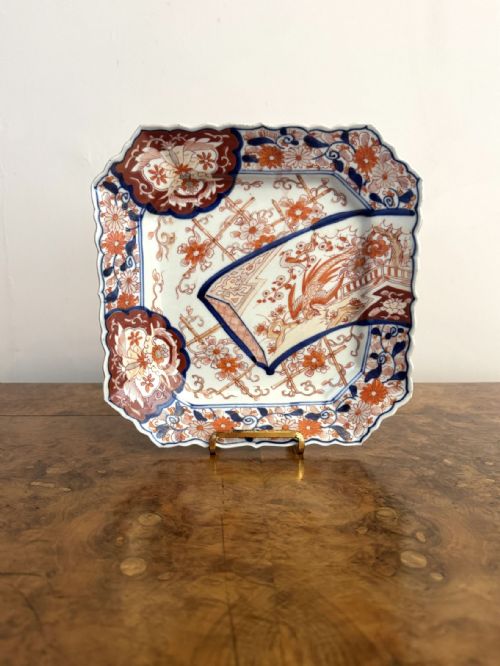
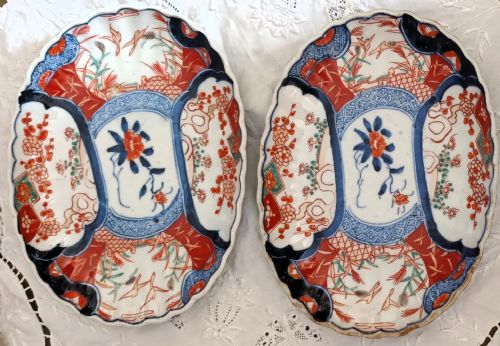
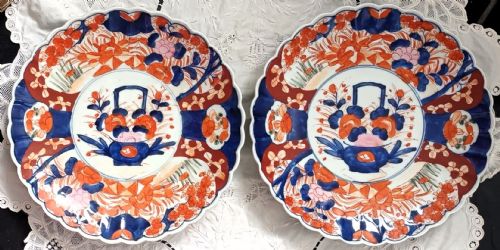
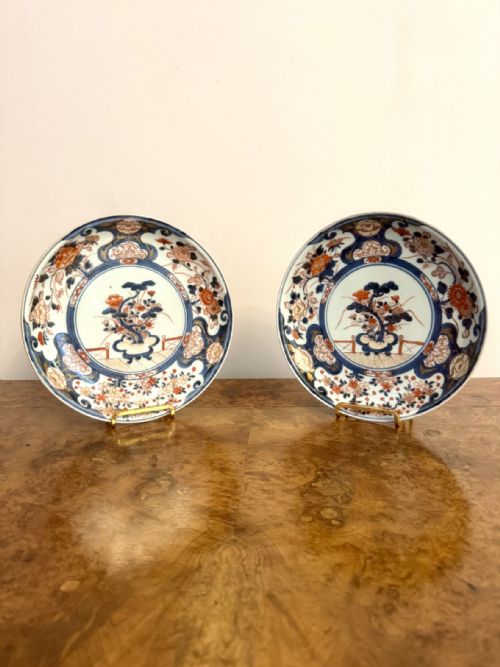
A porcelain imari wall charger is a large decorative dish meant for display, originating primarily from Japanese Arita kilns during the Edo and Meiji periods alongside Chinese export equivalents and later English interpretations. These pieces take the form of broad round or scalloped chargers, oval dishes, and square plates designed to hang on walls or sit upon surfaces.
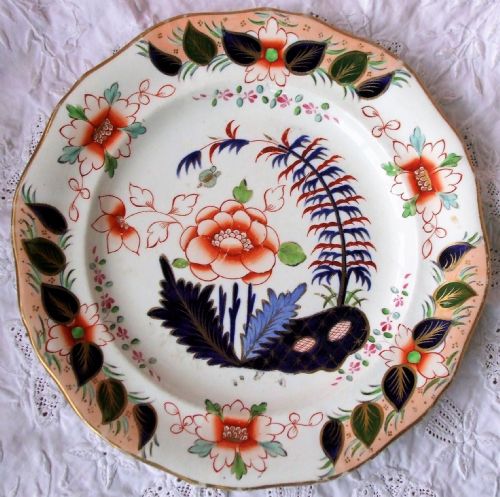
The pieces seen most often on this page date from the late nineteenth century, reflecting the strong Victorian appetite for Japanese craftsmanship. Alongside these Japanese works, the selection includes eighteenth-century Chinese export examples and nineteenth-century English ironstone pieces adopting the imari palette.
Buyers look for these items to anchor a room with dense pictorial motifs, such as the Seven Lucky Gods or exotic birds, rendered in a distinct palette. The scale of a charger provides enough surface area for intricate panelled designs that draw the eye across the wall.
Manufacturing and Materials
The foundation of these pieces is hard-paste porcelain or ceramic, shaped on the wheel or pressed into moulds to create flat centres and raised or scalloped rims. Cobalt underglaze is applied directly to the body before the first firing, creating the deep blue tones beneath a clear glaze.
Overglaze enamels in iron red, green, and black are added in subsequent firings, often accented with gold leaf or gilt to highlight specific motifs. This multi-stage firing technique fuses the mineral pigments firmly to the glazed surface, resulting in the rich texture characteristic of imari wares.
Seven deities make regular appearances on these chargers, keeping watch over walls from porcelain clouds.
Judging Quality and Execution
The standard of a porcelain imari wall charger depends on the crispness of the cobalt underglaze and the precision of the hand-painted enamel and gilt details. Superior examples display dense, well-balanced compositions where the iron red and gold sit cleanly within the blue outlines without blurring.
Form and potting also separate standard items from finer works, visible in the symmetry of scalloped edges, the depth of square or oval plates, and the weight of the porcelain body. Pieces depicting complex narratives, such as figures of deities or exotic birds, demand greater skill from the painter than standard floral patterns.
The Porcelain Imari Wall Charger Glossary
- Imari
- A style of ceramic decoration originating in Japan, defined by a palette of cobalt underglaze blue, iron red, and gilt highlights. The name derives from the port from which these goods were shipped to Europe.
- Charger
- A large decorative plate traditionally used for display on a wall or sideboard rather than for dining. These pieces measure significantly larger than standard tableware.
- Underglaze
- Pigment applied to the ceramic body before the application of a clear glaze and subsequent firing. This method protects the blue colour beneath a glossy protective layer.
- Ironstone
- A type of durable heavy earthenware developed in England during the nineteenth century. Potters utilised this dense ceramic body to reproduce imari patterns locally.
- Meiji
- A period in Japanese history spanning from eighteen sixty-eight to nineteen twelve, associated with increased export of decorative arts to Western markets. Pieces from this era often feature elaborate polychrome enamel work.
Porcelain Imari Wall Charger: Frequently Asked Questions
How do I hang a wall charger safely?
Wall chargers require specialised spring-loaded brass hangers that grip the rim securely without causing damage to the ceramic body.
Ensure the fixing into the wall is anchored firmly into brick or a stud, as these large porcelain pieces carry considerable weight.
Were these chargers originally meant for dining?
While the larger examples found here served primarily as decorative display pieces or central serving dishes, smaller companion plates saw regular table use.
The generous size and heavy gilding on true chargers suggest they were designed to be seen rather than handled during meals.
What does the ironstone imari represent?
English makers such as John Davenport produced ironstone versions of the imari palette during the nineteenth century to satisfy domestic demand for Asian aesthetics.
These items combine European ceramic bodies with imported decorative motifs, offering a robust alternative to imported porcelain.