




Porcelain Animal Figurine
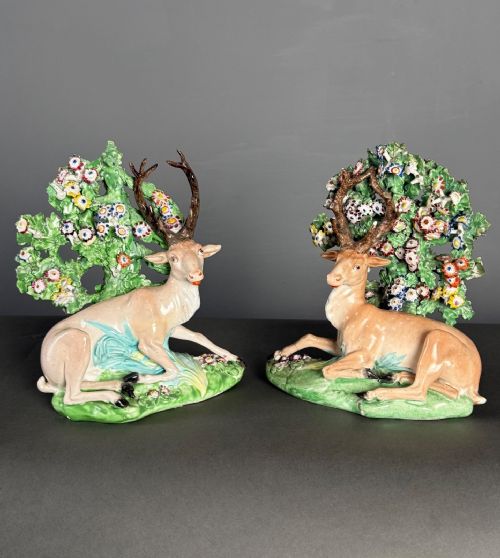
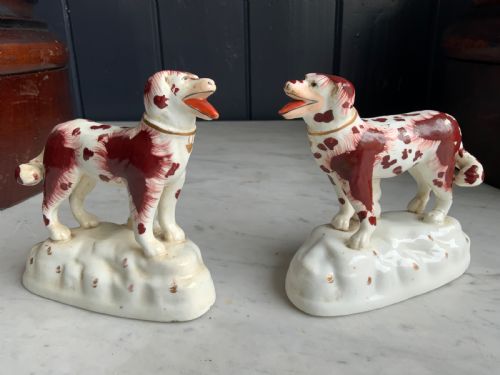
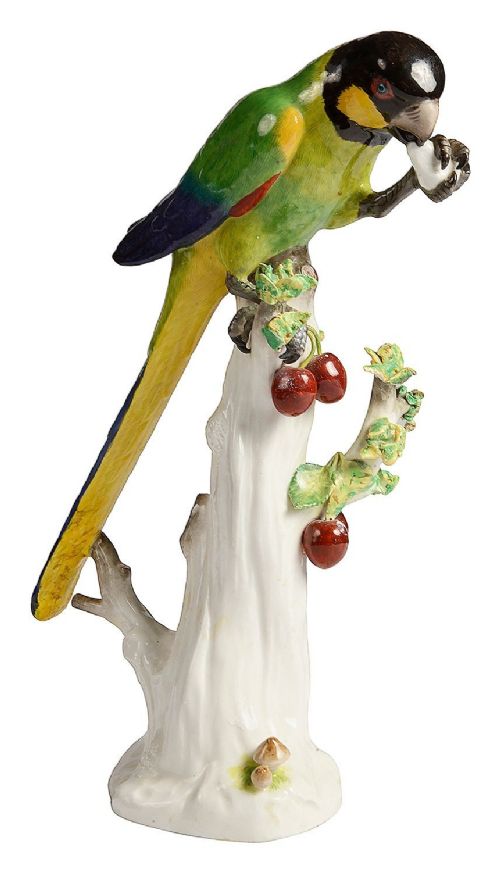
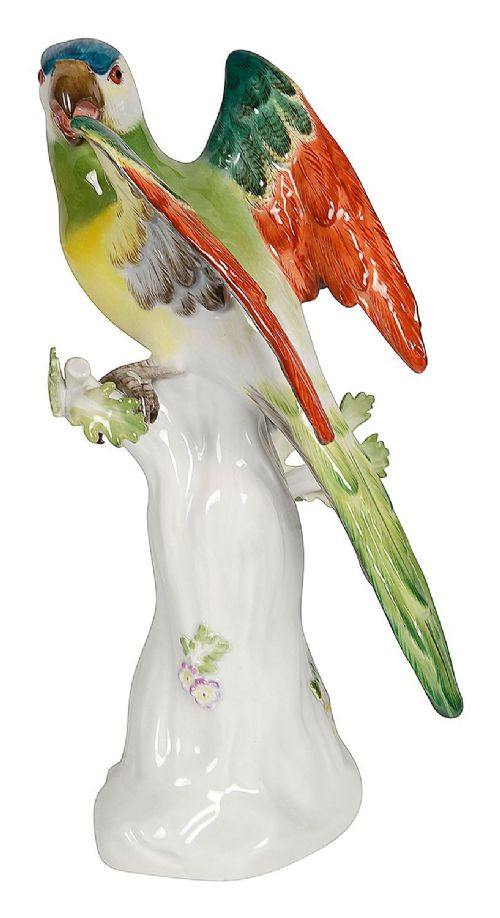
Porcelain animal figurine creations range from Georgian Derby stags to Staffordshire dogs and Meissen parrots, capturing creatures in glazed ceramic form.
Porcelain Animal Figurine
A porcelain animal figurine brings sculpted representations of creatures into interior spaces, encompassing dogs, stags, birds, and exotic beasts. These objects derive from diverse periods including the eighteenth, nineteenth, and early twentieth centuries, reflecting regional European and Asian traditions.
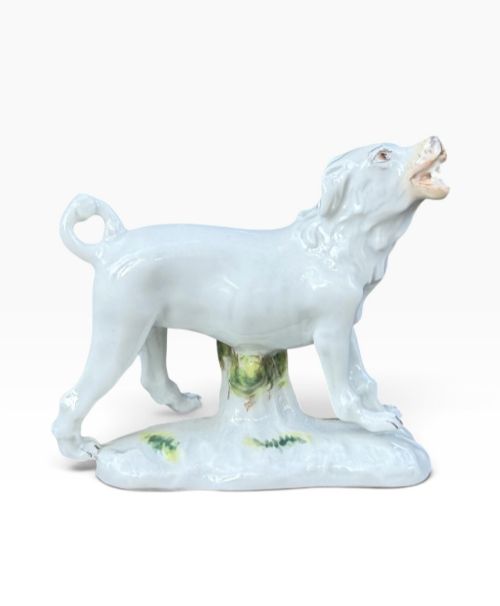
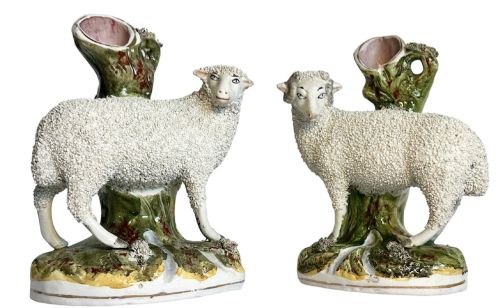
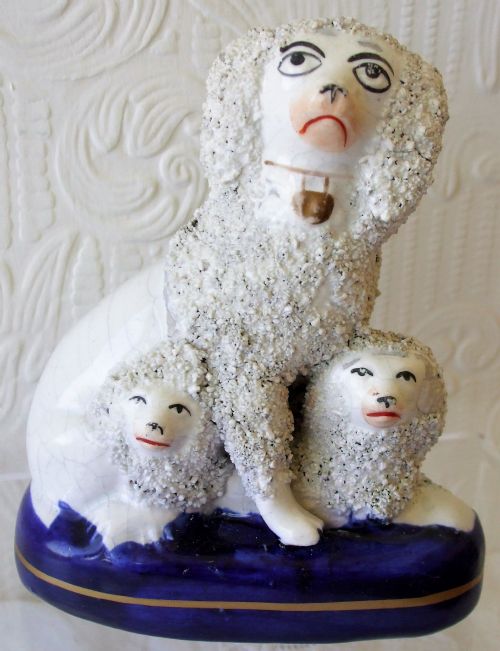
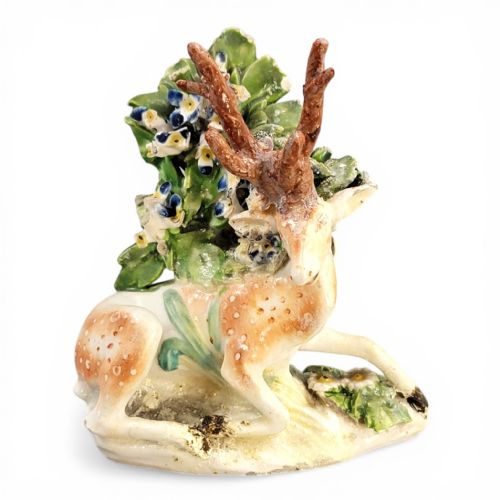
The most common examples on this page are domestic and wild animals produced by European factories such as Derby and Meissen, alongside Staffordshire pottery groups and Chinese export pieces. Forms range from simple single figures to paired stags with bocage backgrounds and spill vases.
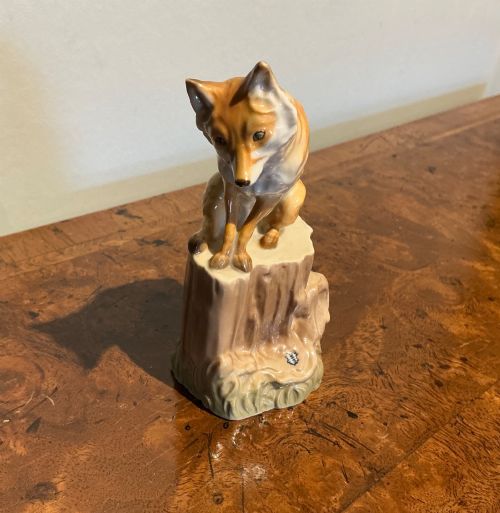
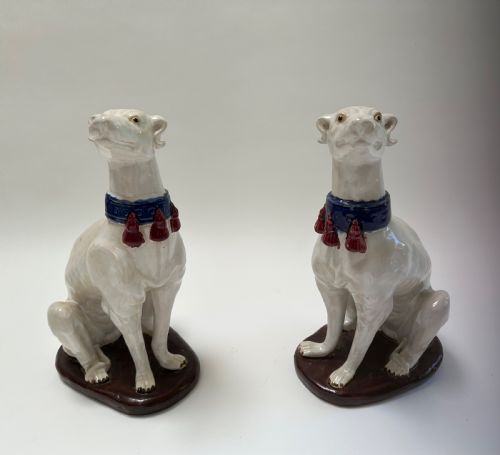
Collectors encounter both utilitarian items, such as spill vases, and pure decorative sculptures depicting monkeys, elephants, horses, and poodles. The aesthetic spans straightforward naturalism and stylised interpretations influenced by Art Deco and Qing Dynasty designs.
Materials and methods behind the figures
Manufacturers utilised hard-paste and soft-paste porcelain, earthenware, and ceramic bodies to form these subjects, often applying enamels and coloured glazes for surface definition. Sancai and turquoise glazes appear on Chinese pieces, whilst European works frequently employ polychrome painting and gilt highlights.
Moulding and hand-modelling shaped the clay bodies prior to kiln firing, with potters adding intricate details like bocage foliage to early figures. Subsequent glazing and enamel painting fixed the colours, sometimes requiring multiple firings to achieve the desired finish.
Listings feature porcelain, earthenware, and ceramic pieces spanning the eighteenth to twentieth centuries, encompassing European factories and Chinese dynasties.
What separates examples
The crispness of the modelling and the sensitivity of the hand-painting determine the distinction between ordinary pieces and superior works. Early figures exhibit finer details in the fur, feathers, and anatomical structure.
The richness of the glaze application and the preservation of original enamel colours influence the visual impact of each subject. Greater care in composition distinguishes factory masterworks from routine workshop output.
Derby·Nymphenburg·Meissen·Staffordshire·Royal Dux·Minton·Rosenthal·Carl Thieme Dresden
The Porcelain Animal Figurine Glossary
- Bocage
- Applied background foliage made of porcelain, commonly found behind eighteenth-century figures. This leafy arbor frames the animal subject.
- Spill vase
- A hollow vessel integrated into a figure group designed to hold wooden tapers for lighting fires. These functional objects combine utility with sculptural form.
- Sancai
- A three-colour glaze tradition seen on Chinese ceramic pieces. The palette typically combines turquoise, amber, and cream tones.
- Soft-paste porcelain
- An artificial porcelain composition fired at lower temperatures than hard-paste porcelain. Eighteenth-century European factories frequently utilised this material before discovering local hard-paste deposits.
Porcelain Animal Figurine: Frequently Asked Questions
How do I date a porcelain animal figurine?
Dating relies on factory marks, ceramic bodies, and stylistic conventions characteristic of specific periods like the eighteenth or nineteenth century. Examining the glaze and hand-painting techniques provides further clues.
Comparison with documented factory models from makers such as Derby or Meissen helps narrow the decade of production. Wear patterns on the base also indicate age.
Were these figures meant for display?
Most examples served as mantelpiece ornaments and decorative objects in domestic interiors, reflecting the owner's taste for natural history and novelty. Some utilitarian types functioned as spill vases.
Display traditions varied by era, with pairs often flanking clock sets or candelabra on formal furniture. Smaller figures populated cabinets and tables.
What is the difference between porcelain and earthenware figures?
Porcelain bodies are vitrified, dense, and often translucent, whereas earthenware is porous and opaque unless glazed over the entire surface. Factories utilised different raw materials depending on regional traditions.
Staffordshire pieces typically use earthenware pottery bodies, while Meissen and Derby employ true porcelain or soft-paste compositions. This affects both weight and surface texture.
How should I clean my antique animal figures?
Dusting with a soft, dry brush removes surface particles safely without risking the delicate enamel painting or applied elements like bocage. Avoid harsh chemical cleaners.
Submersion in water is generally discouraged for pieces with old repairs or unglazed areas. Gentle spot cleaning with a damp cloth suffices for durable glazed surfaces.