

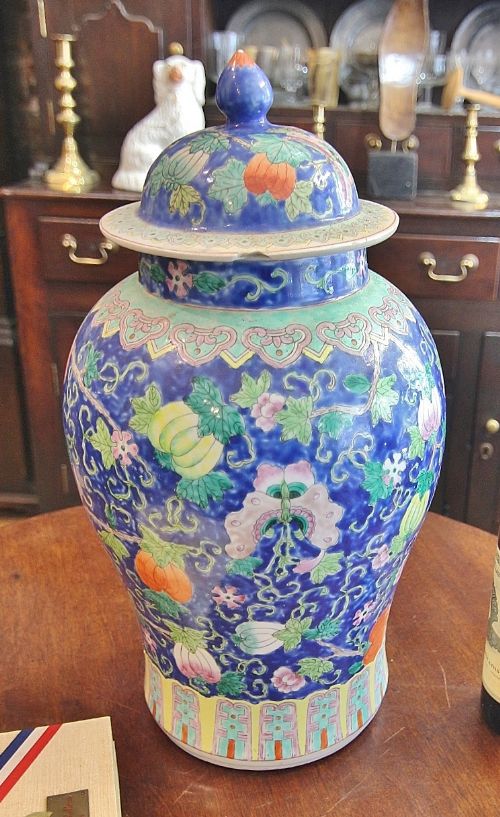

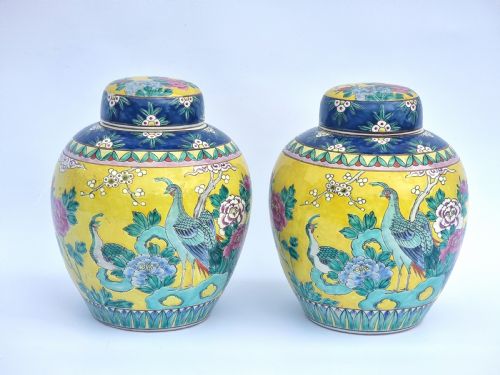


Polychrome Porcelain Ginger Jar
A polychrome porcelain ginger jar brings vibrant colour and pattern to a room, offering lidded storage formed in clay.
Polychrome Porcelain Ginger Jar
A polychrome porcelain ginger jar is primarily a lidded vessel originating from Chinese and Japanese traditions, spanning centuries of production. Buyers searching for a polychrome porcelain ginger jar will encounter pieces ranging from nineteenth century examples to twentieth century interpretations.
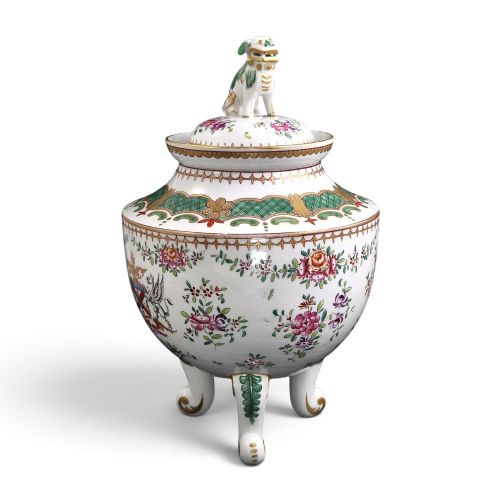
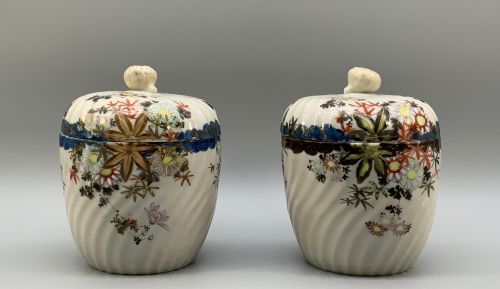
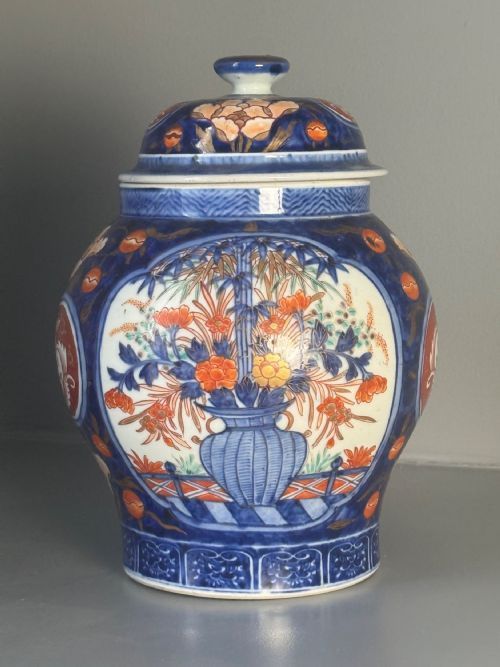
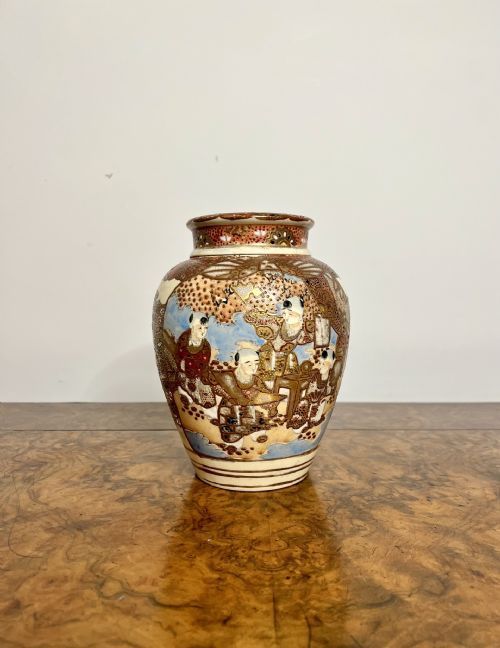
The selection includes Japanese Imari, Satsuma, and Kutani wares alongside Chinese Famille Rose and Chinoiserie styles. Forms include lidded jars, vases with covers, and converted table lamps.
Nineteenth century pieces dominate the current availability, alongside items from the decades bridging into the twentieth century. These vessels serve both decorative display and traditional lidded storage functions.
Materials and construction
These pieces are built using porcelain or earthenware bodies, shaped into jars and vases before receiving surface decoration. Potters applied detailed hand painting utilising enamel pigments and occasionally gold leaf details.
Glaze seals the ceramic body, providing a smooth finish over the painted motifs. Lidded jars combine a fitted cover with the main vessel body, sometimes paired with wood or brass elements in later adaptations.
Current listings feature porcelain and earthenware materials, complemented by gold leaf, glaze, brass, wood, and fabric elements.
Factors determining quality
Quality rests upon the precision of the hand painting and the complexity of the enamel work across the ceramic surface. Crisp detail in floral, landscape, or figurative scenes elevates a jar above simpler production pieces.
The preservation of the original glaze and any applied gold leaf heavily influences the visual impact of the vessel. Furthermore, the presence of a matching original cover remains a significant marker of a complete piece.
Mason·Samson Paris·Yamashu
The Polychrome Porcelain Ginger Jar Glossary
- Polychrome
- Decoration employing multiple colours on a ceramic surface. This technique allows for complex pictorial and floral scenes.
- Imari
- A style of Japanese porcelain featuring distinctive underglaze blue and overglaze red, gold, and other colours. Production centred on the town of Arita.
- Satsuma
- A type of Japanese earthenware featuring a pale, cracked glaze decorated with polychrome enamels and gilding. These pieces often depict detailed figures and landscapes.
- Famille Rose
- A major palette of Chinese ceramic glazes introduced in the eighteenth century, dominated by opaque pink or rose enamel. The style continued through the nineteenth century.
- Wucai
- A Chinese ceramic decorating technique meaning five colours, typically combining underglaze blue with overglaze red, green, yellow, and black. Mid-seventeenth century examples show this distinct palette.
Polychrome Porcelain Ginger Jar: Frequently Asked Questions
What is a polychrome porcelain ginger jar?
A polychrome porcelain ginger jar is a lidded ceramic vessel decorated in multiple painted enamel colours. These pieces originated in Asian kilns and were later imitated in Europe.
They display various styles including Chinese Famille Rose and Japanese Imari. Most examples seen today date from the nineteenth or early twentieth centuries.
How were ginger jars used originally?
Despite the name, these vessels served for storing spices, preserved ginger, oils, or teas for transport and domestic use. Their airtight lidded design protected valuable commodities.
Over time, Western interiors adopted them purely for decorative display on mantelpieces or tables. Many surviving examples retain their original matching covers.
What is Satsuma ware?
Satsuma ware is a type of Japanese pottery with a distinctive ivory-coloured, crackle-glazed earthenware body. It is typically decorated with intricate polychrome enamels and raised gilding.
Subjects often include crowded figures, landscapes, and floral motifs. The style gained immense popularity during the Meiji period.
Can I use these jars as lamps?
Many nineteenth and twentieth century ginger jars have been converted into table lamps for modern interiors. This conversion sometimes involves wiring through drilled bases.
Buyers should inspect whether the conversion preserves the upper rim and cover. Unconverted jars can still be displayed alongside fabric shades on separate tables.