
Floral Painted Ceramic Jars
These floral painted ceramic jars combine the utility of traditional storage vessels with intricate botanical artistry spanning multiple centuries.
Floral Painted Ceramic Jars
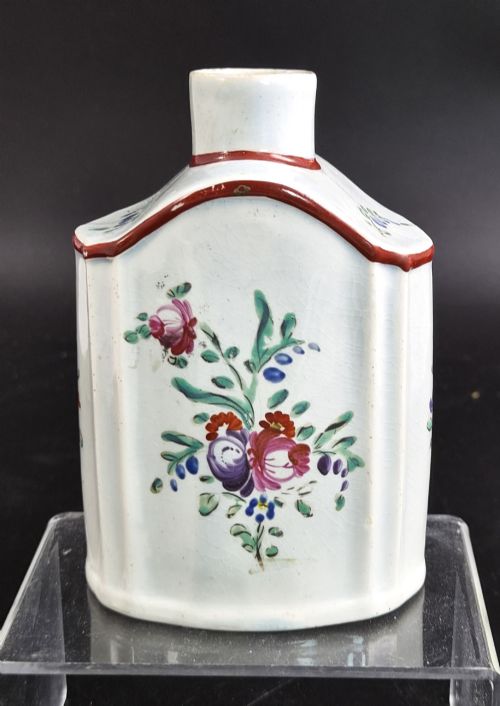
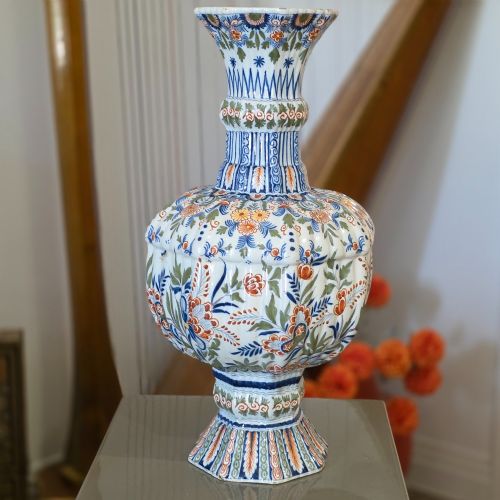
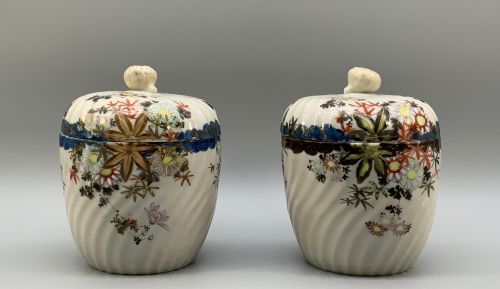
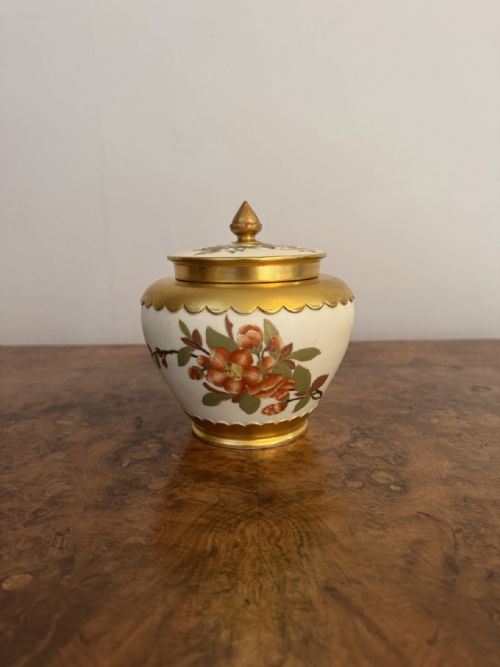
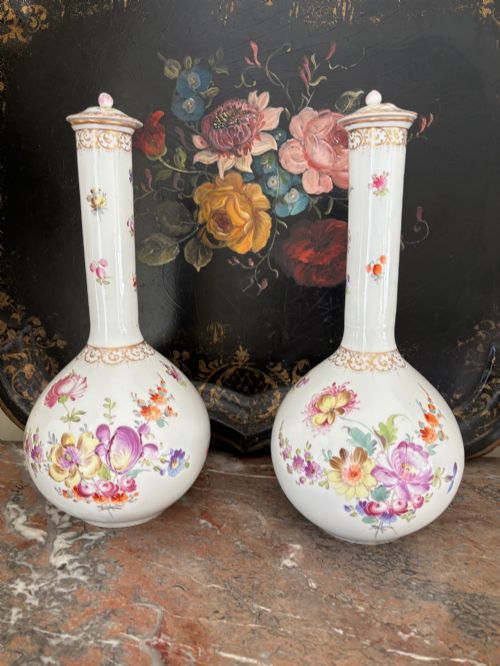
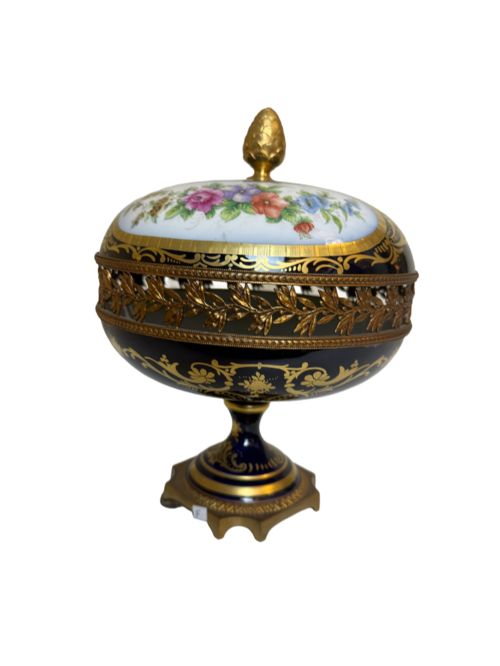
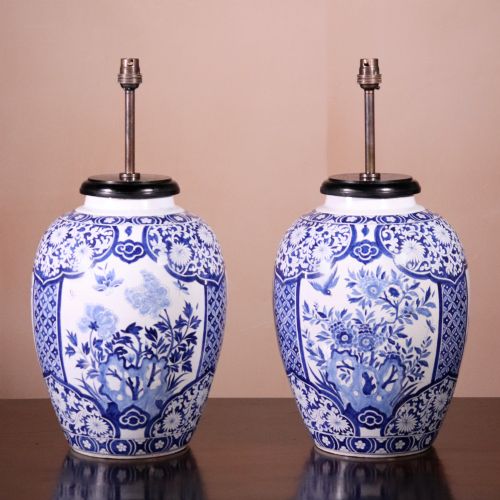
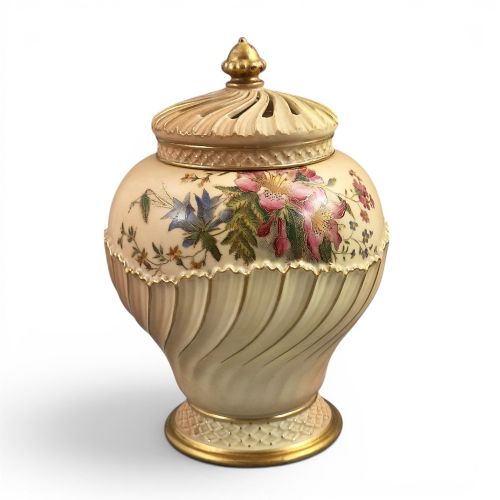
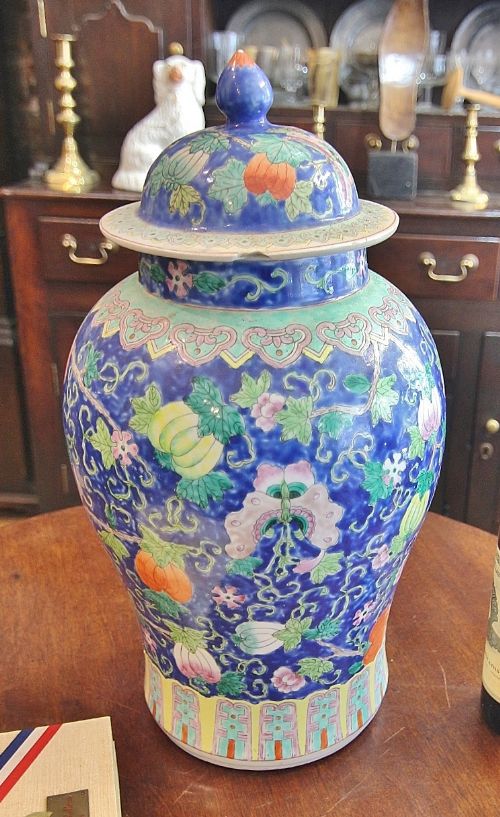
Floral painted ceramic jars span centuries of global pottery traditions, including English factories, continental European manufacturers, and Japanese export workshops. Buyers searching this phrase encounter covered vessels, ginger jars, and lidded potpourri pots designed for display or dry storage.
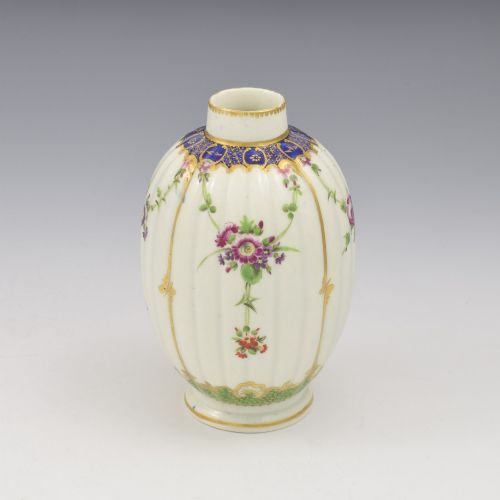
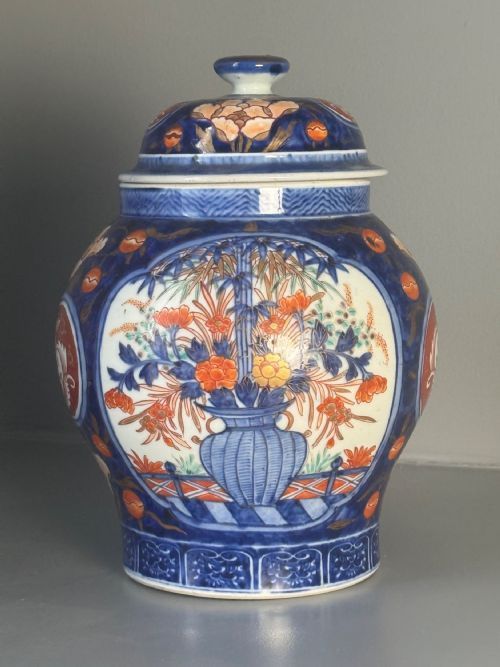
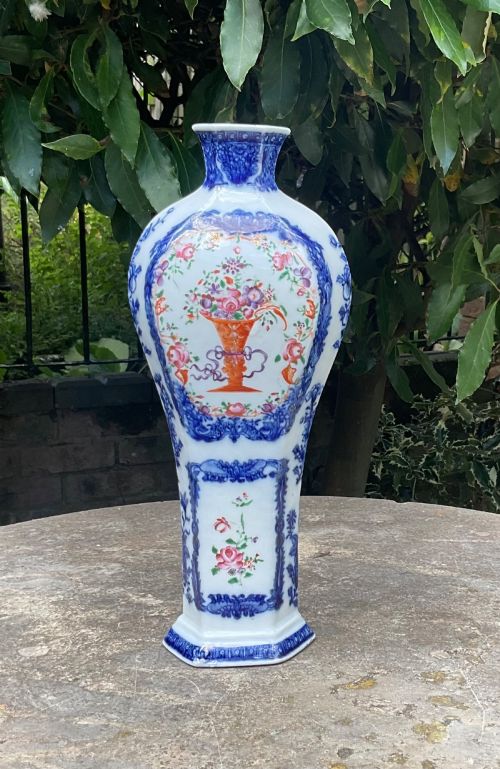
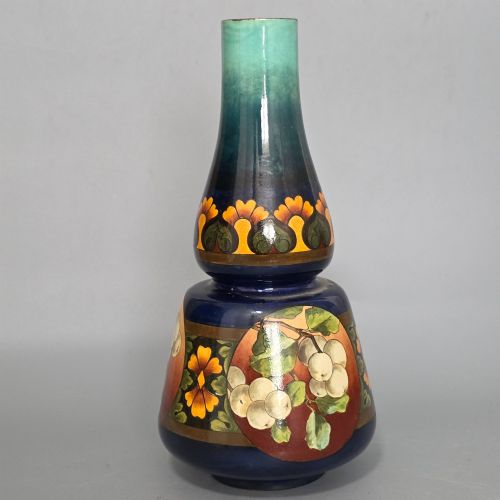
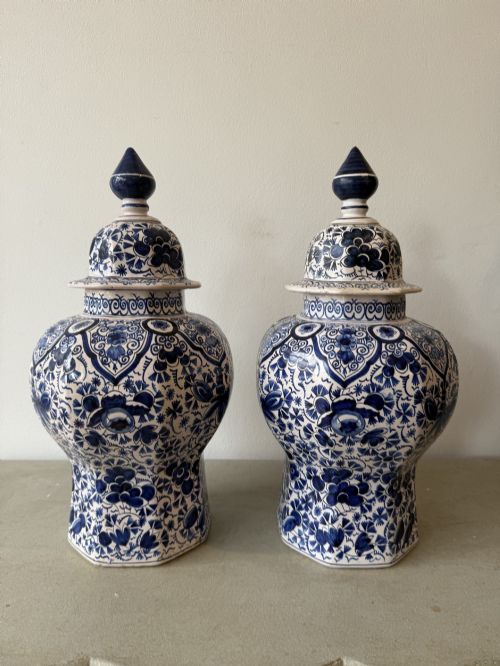
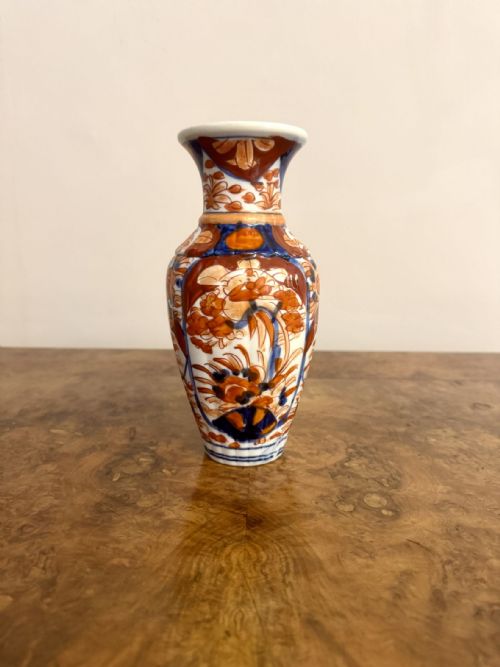
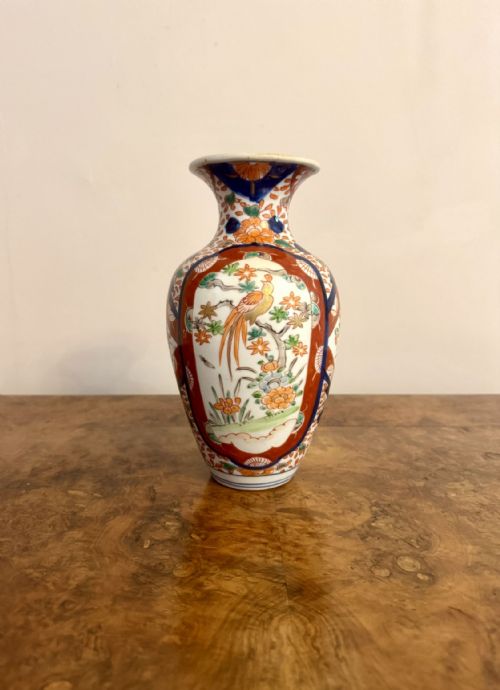
Nineteenth-century Japanese Imari pieces and English porcelain lidded jars dominate the selection on this page. These forms range from bulbous double gourd profiles to tall baluster shapes adorned with hand-painted botanical motifs.
Materials and Techniques
Potters shaped these vessels from earthenware and fine porcelain before applying hand-painted underglaze and enamel decoration. Artisans often enhanced specific botanical details with gold leaf, gilding, or contrasting colour grounds.
Firing techniques varied by region, ranging from high-temperature kilns used for porcelain to specialised faience production. Lids and covers were potted to exact tolerances to fit the bulbous or fluted bodies of each jar.
Listings span the eighteenth, nineteenth, and twentieth centuries, featuring materials from standard earthenware to refined porcelain with hand-applied gilding.
Factors of Quality
Quality rests upon the precision of the hand painting and the crispness of the ceramic moulding. Superior examples display deft brushwork with naturalistic botanical detail rather than mechanical repetition.
The sophistication of the glaze and the integration of gilding distinguish finer pieces. Weight, balance, and the careful fit of matching covers further separate standard production items from masterworks.
Royal Worcester·Doulton Lambeth·Sitzendorf·Samuel Alcock·Kinkozan
The Floral Painted Ceramic Jars Glossary
- Baluster
- A jar shape with a rounded body that tapers toward the base and swells near the lower centre. This profile appears frequently in traditional porcelain vessel designs.
- Imari
- A style of Japanese export porcelain featuring a distinctive palette of iron red, cobalt blue, and gold. Artisans applied these pigments over and under the glaze to create dense floral patterns.
- Potpourri
- A mixture of dried plant material and spices kept in a lidded jar to perfume a room. Pierced covers allowed the scent to diffuse.
- Gilding
- The application of gold leaf or gold powder to ceramic surfaces to highlight borders and floral motifs. This technique required an additional low-temperature firing to bond the metal.
- Ginger Jar
- A wide-mouthed storage vessel with a rounded shoulder and flat base originally used in China to transport spices. Later European and Asian makers adapted the form primarily for decorative interior display.
Floral Painted Ceramic Jars: Frequently Asked Questions
What were ginger jars used for?
These vessels originated in ancient China as practical containers for shipping and storing spices, herbs, and salt.
Over subsequent centuries, European and Asian workshops transformed them into purely decorative interior objects.
How do I date an antique ceramic jar?
Dating relies on examining the factory marks stamped or painted on the base of the vessel, alongside the potting technique.
Stylistic cues such as colour palettes and floral compositions also help narrow down the period of manufacture.
Are these jars waterproof?
Most antique ceramic and porcelain jars feature glazed interiors that hold liquid safely for short periods.
However, hairline fractures in older glazes mean collectors generally avoid filling them with water for fresh flowers.
How should I clean my painted jar?
Maintenance requires only a gentle dusting with a soft, dry cloth to protect fragile hand-painted enamel and gilding.
Harsh chemical cleaners and immersion in water must be avoided to prevent permanent damage to the antique surfaces.