

Polychrome Porcelain Dishes
When seeking polychrome porcelain dishes, collectors find vibrant hand-painted wares spanning eighteenth-century English factories to nineteenth-century Japanese and Chinese kilns.
Polychrome Porcelain Dishes
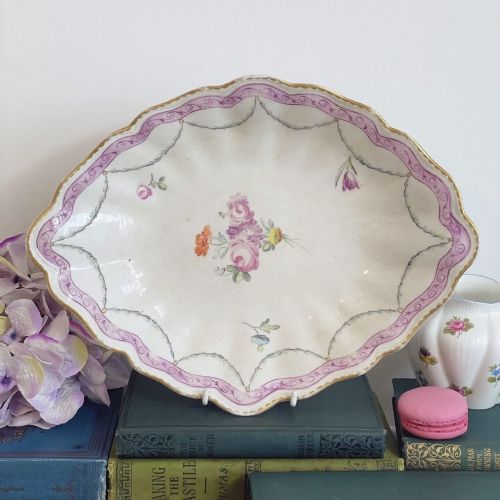
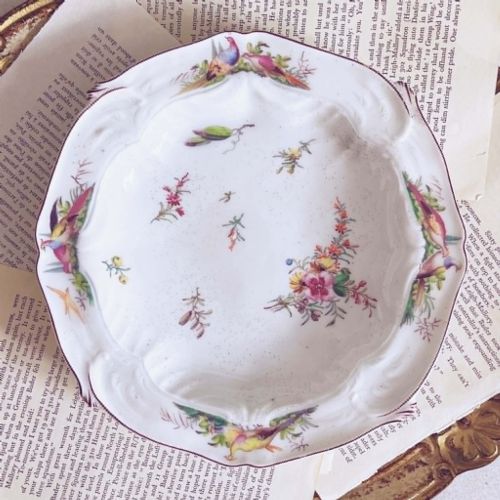
Polychrome porcelain dishes encompass a diverse range of decorative plates, bowls, chargers, and serving pieces produced across several centuries. The selection available on this page draws heavily from eighteenth-century English manufactories and nineteenth-century Asian export traditions.
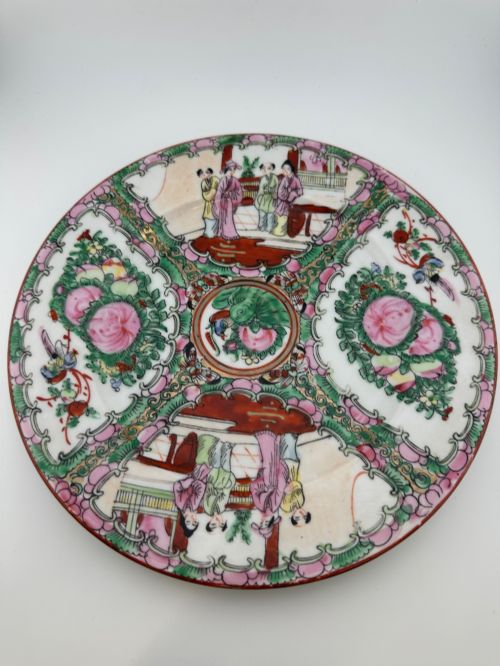
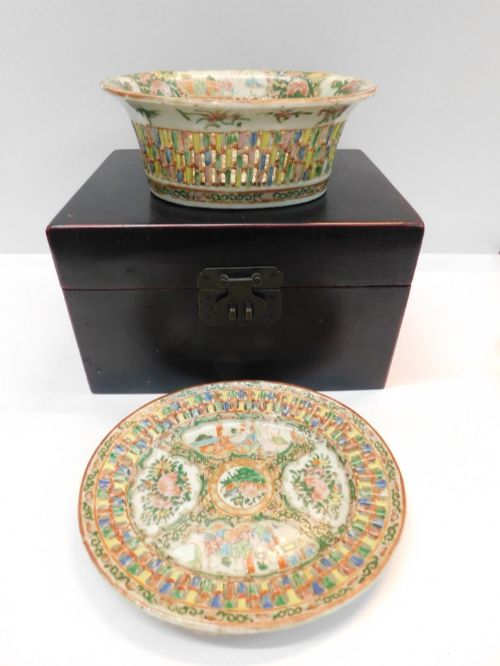
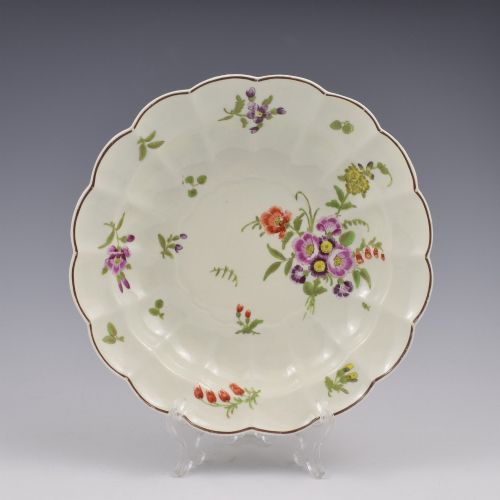
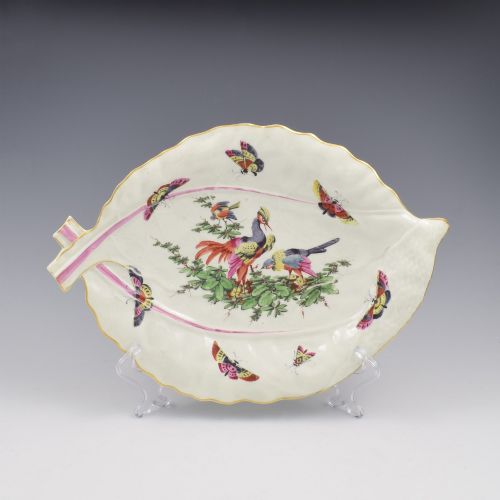
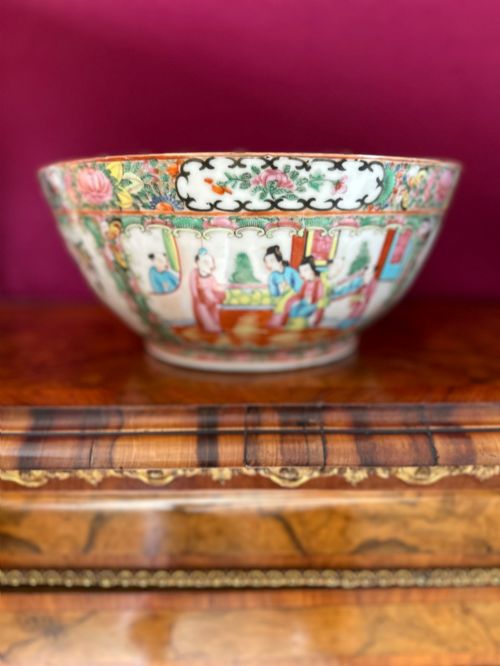
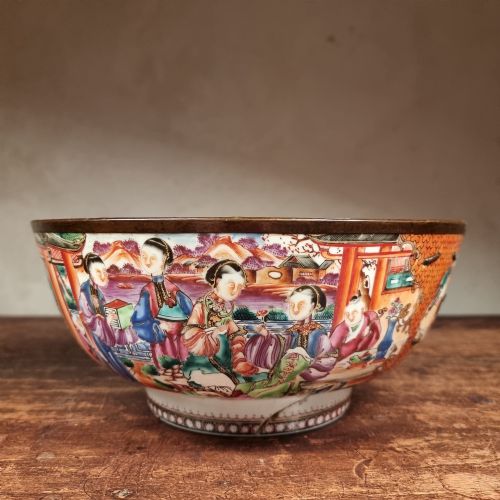
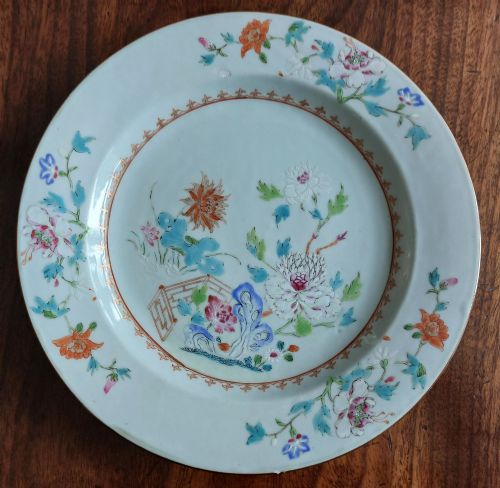
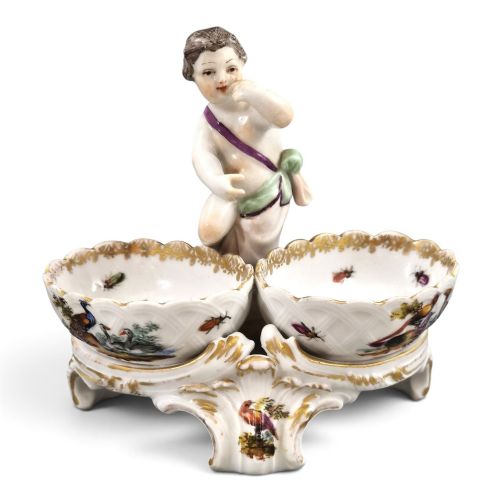
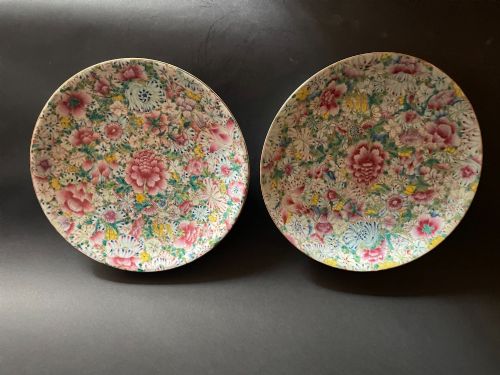
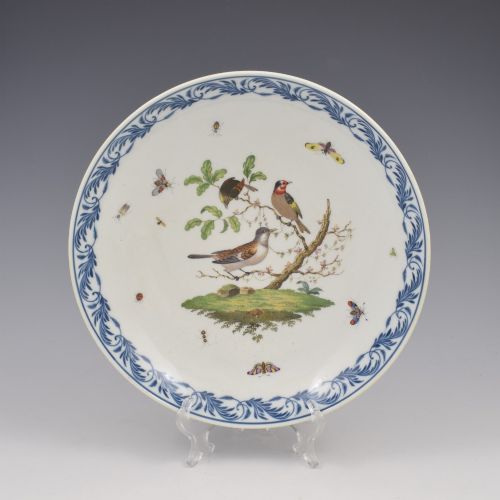
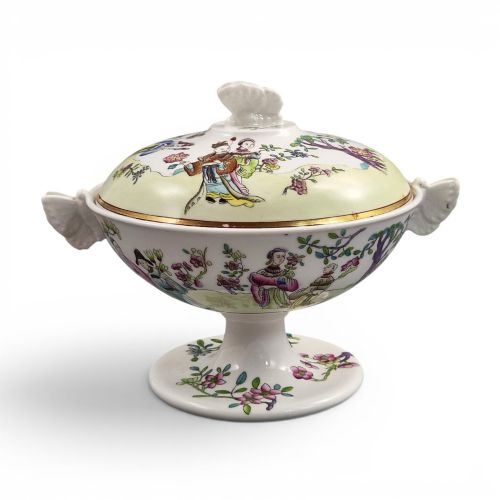
Buyers frequently encounter English wares from periods such as the Georgian and Victorian eras, alongside robustly decorated Chinese Export and Japanese Imari or Satsuma pieces. Forms vary from simple scalloped plates to elaborate reticulated baskets and shell-shaped sweetmeat stands.
How they were made
The manufacture of these items relies on hard-paste or soft-paste porcelain shaped by hand or moulded, then fired at high temperatures. Artisans subsequently applied intricate designs utilising enamel colours, often complemented by gold leaf, gilt, or gilding to highlight specific motifs.
Painting techniques involved meticulous brushwork executed directly onto the glazed or unglazed surface before a final fixative firing. Many pieces incorporate hand-painted birds, flowers, and figures characteristic of specific stylistic periods like the Qing Dynasty or the Meiji Period.
Listings feature hard-paste and soft-paste porcelain items decorated with enamel, gold leaf, and gilding across the 18th and 19th centuries.
What varies in quality
The calibre of polychrome porcelain dishes rests largely upon the precision of the hand-painted execution and the crispness of the porcelain moulding. Superior examples display confident brushwork, subtle colour shading, and well-preserved gilding that remains crisp and bright.
Provenance and factory origin also shape the standing of a piece, with documented works from notable kilns or identifiable periods commanding closer attention from serious collectors. The complexity of the form, such as reticulated basketry or figural supports, further distinguishes standard production items from more ambitious works.
Edmé Samson And Cie·Hicks And Meigh·KPM Berlin·Meissen·Spode·Worcester Barr Flight And Barr
The Polychrome Porcelain Dishes Glossary
- Polychrome
- Decoration executed in multiple colours, typically utilising enamel pigments applied over or under the glaze. This multicoloured approach defines the visual character of the dishes.
- Soft-paste porcelain
- A ceramic composition containing glass frit and white clay, fired at lower temperatures than hard-paste. It was widely utilised by eighteenth-century English factories such as Worcester and Chelsea.
- Hard-paste porcelain
- A true porcelain made from kaolin and petuntse, fired at very high temperatures to yield a dense, vitrified body. Chinese export wares and Meissen pieces commonly employ this durable material.
- Reticulated
- Having an openwork pattern resembling a net or lattice, often seen on baskets and plates. This technique required considerable skill during the moulding and drying stages.
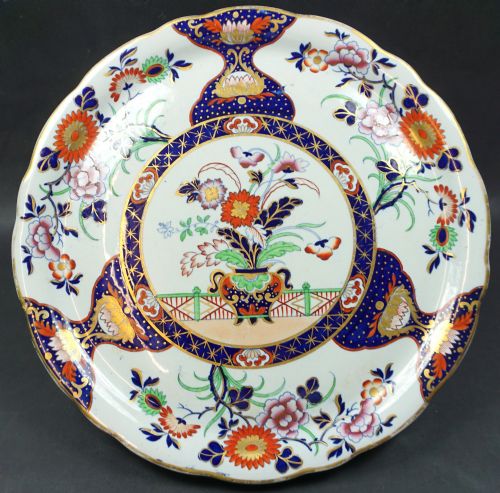
- Imari
- A style of Japanese export porcelain characterised by a palette of underglaze blue, iron red, and gold. It gained immense popularity in Europe during the eighteenth and nineteenth centuries.
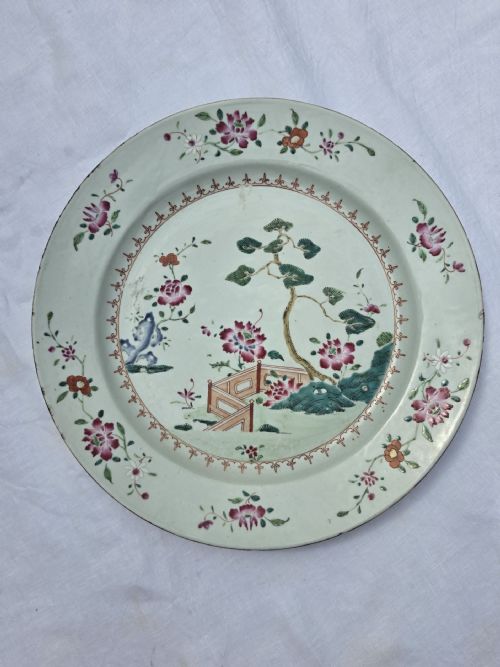
- Famille rose
- A major palette of Chinese ceramic glazes distinguished by an opaque pink or purple enamel. Introduced in the Qing Dynasty, it allowed for nuanced shading of floral and figural scenes.
Polychrome Porcelain Dishes: Frequently Asked Questions
What periods do these dishes cover?
The pieces span from the mid-eighteenth century through the Victorian and Edwardian eras, capturing distinct manufacturing shifts in both Europe and Asia. Eighteenth-century examples frequently originate from prominent English and continental factories.
Later nineteenth-century pieces often reflect global trade influences, incorporating extensive Japanese Meiji period output and Chinese Qing Dynasty wares into the available selection.
How were these dishes used originally?
Many of these items functioned as practical tableware for serving desserts, soups, or dry goods during formal meals. Serving dishes, chestnut baskets, and sweetmeat stands held food items for communal dining.
Other forms, such as cabinet plates and large chargers, served primarily decorative purposes for display in dining rooms and drawing rooms.
How do I care for antique porcelain?
Antique porcelain requires gentle hand washing in lukewarm water using mild, non-abrasive soap. Harsh detergents and modern dishwashers can damage delicate enamel decoration and wear away gilding.
When storing or displaying these dishes, use padded plate stands and ensure they are kept secure from vibration and sudden temperature shifts.
How do I identify different porcelain types?
Distinguishing between soft-paste and hard-paste porcelain often involves examining the unglazed foot ring and observing how light passes through the body. Factory marks, when present, provide direct clues to the kiln of origin.
Stylistic cues such as the specific palette of an Imari pattern or the distinct pink tones of famille rose also point toward particular geographic traditions and eras.