







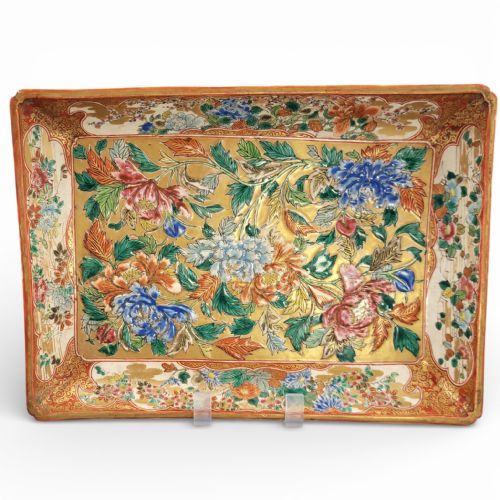

Polychrome Ceramic Serving Dish
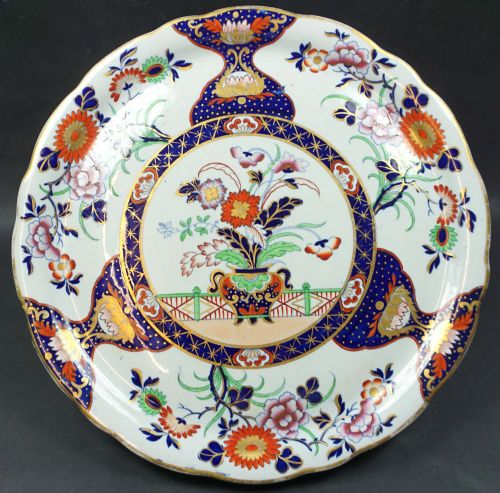
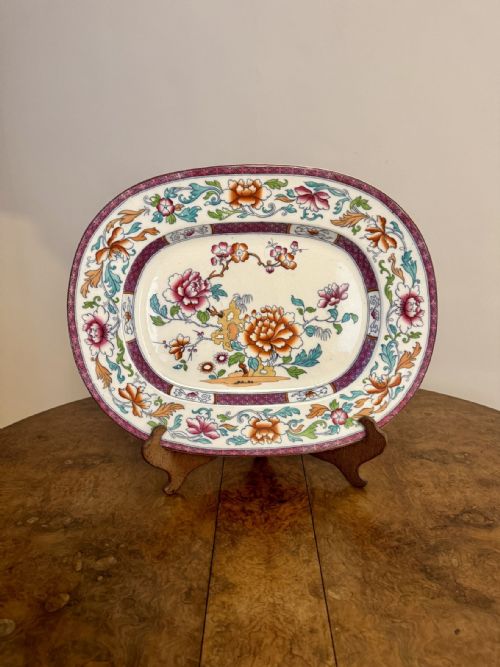
A polychrome ceramic serving dish brings hand-painted colour and practical form to the table, spanning eighteenth-century porcelain and nineteenth-century ironstone.
Polychrome Ceramic Serving Dish
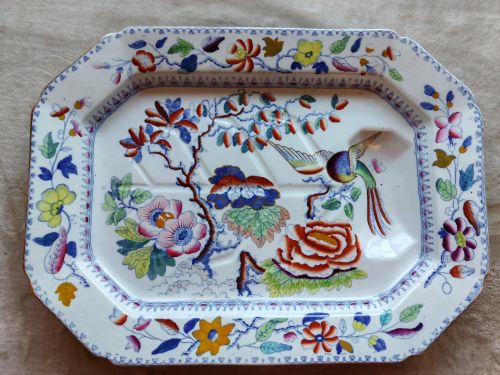
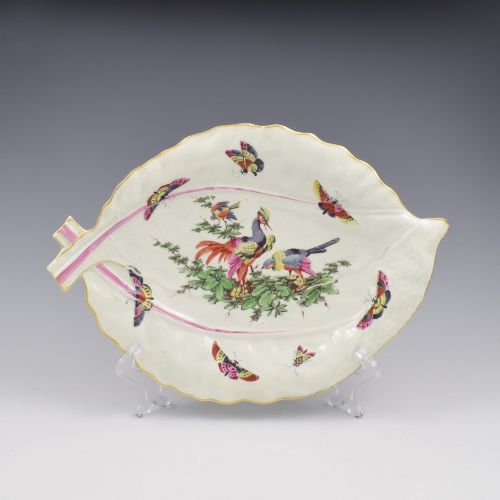
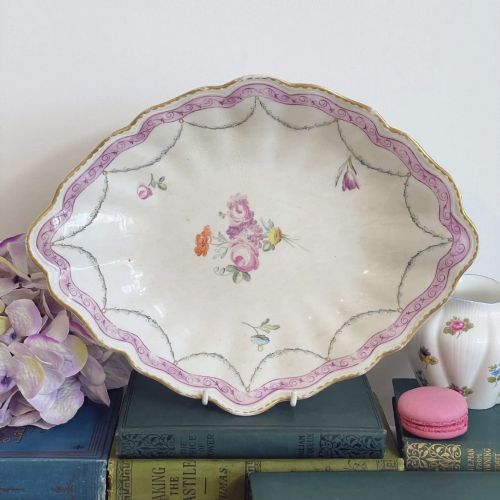
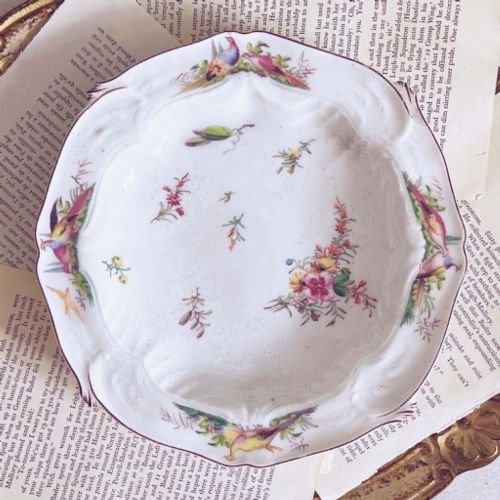
A polychrome ceramic serving dish encompasses platters, tureens, chargers and dessert dishes created across the eighteenth and nineteenth centuries. These pieces served functional dining purposes in domestic settings, ranging from grand country house dining rooms to everyday households.
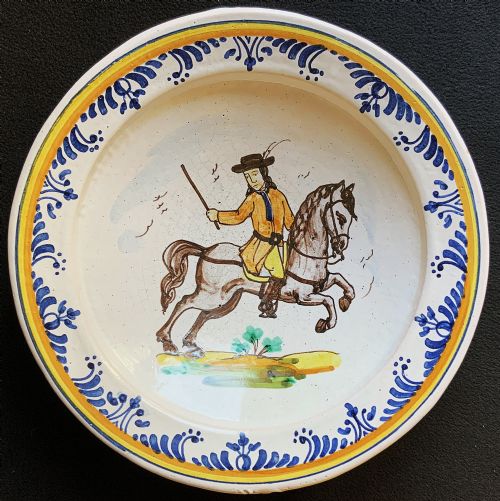
The selection on this page draws heavily from English porcelain factories, robust ironstone makers, French faience potteries, and East Asian export kilns. Forms vary from scalloped leaf dishes and square lobed dessert plates to large meat platters and soup tureens.
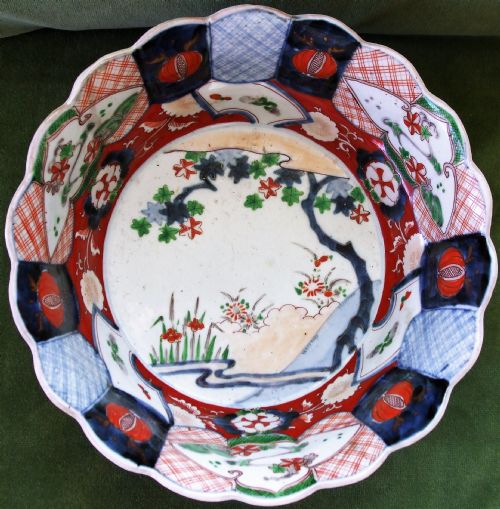
Georgian and Victorian examples dominate the British offerings, often reflecting stylistic influences from Chinese export porcelain, Rococo moulding, or Regency decoration. Alongside these sit continental earthenwares and Japanese Imari wares produced for international markets.
Materials and Methods
Makers utilised porcelain, earthenware, and ironstone as the structural bodies for these serving pieces, shaping them through moulding, throwing, or pressing. Ironstone offered exceptional durability for heavy meat platters and tureens, whereas soft-paste and hard-paste porcelain allowed for delicate, thinly potted dessert dishes.
Decoration relied on hand-painted enamel colours, sometimes enhanced with gold leaf gilding or blue underglaze marks. Potters applied tin glazes on faience wares or clear lead glazes over transfer-printed and hand-coloured motifs, sealing the pigment beneath a glossy vitreous surface.
Polychrome Ceramic Serving Dish Retail Price Guide 2026
Typical asking prices for polychrome ceramic serving dish among the pieces listed under this phrase on Sellingantiques today, from the lower quarter to the upper quarter. They describe what is for sale here now, not the wider market.
The selection includes Japanese Meiji period Imari and Kutani wares alongside English factory productions from Worcester, Derby, and Staffordshire.
Distinguishing Quality
Quality rests in the crispness of the moulding, the dexterity of the hand-painting, and the preservation of the original enamel and gilt details. Superior porcelain dishes exhibit precise potting with minimal kiln distortion, while finer ironstone platters display sharp transfer printing and vibrant polychrome fills.
The ambition of the design dictates distinction, moving from utilitarian spongeware bowls to intricately painted botanical or avian subjects by skilled factory hands. Surviving marks and factory patterns further elevate a piece by confirming its provenance and period.
Derby·Chelsea·Hicks & Meigh·Mann & Co·Shoza·Mason’s·Minton·Coalbrookdale
The Polychrome Ceramic Serving Dish Glossary
- Polychrome
- Decoration executed in multiple enamel colours. This technique allowed artists to paint vivid floral, avian, and figurative scenes across the ceramic surface.
- Ironstone
- A dense, heavy earthenware patented in the nineteenth century. It combined durability with the ability to receive crisp enamels and transfer prints.
- Famille Rose
- A palette of Chinese porcelain decoration dominated by opaque pink enamel. Introduced in the Qing dynasty, it found immense favour in European export markets.
- Faience
- Tin-glazed earthenware produced across continental Europe. It provided an opaque white background suitable for colourful painted designs.
- Tureen
- A deep covered vessel designed for serving soup or vegetables. These pieces frequently sat on matched platters and featured ornate handles.
Polychrome Ceramic Serving Dish: Frequently Asked Questions
How do I date an ironstone platter?
Ironstone serving pieces usually carry impressed or printed factory marks on the underside. Style, pattern names, and registry marks help narrow the decade of production.
Heavier potting and specific Chinoiserie motifs typically point towards the early to mid nineteenth century.
Can I use these antique dishes for food?
Most eighteenth and nineteenth-century ceramic dishes remain structurally sound for serving dry foods or fruit. Enamels from earlier periods, however, can be sensitive to modern detergents and cutlery.
Hand washing in warm water protects the glaze and any delicate gold leaf gilding.
What is the difference between porcelain and ironstone?
Porcelain is a vitrified ceramic fired at high temperatures, resulting in a fine, sometimes translucent body. It was favoured for dessert plates and fine tablewares.
Ironstone is a refined, highly durable earthenware designed to withstand heavy daily use in meat platters and soup tureens.
How do I identify Chinese export porcelain?
Chinese export wares made for the European market often display distinctive famille rose or canton polychrome palettes. The paste tends to feel heavy and dense compared to domestic English porcelain.
Stylistic cues include intricate border patterns, gilt highlights, and motifs tailored to Western tastes.